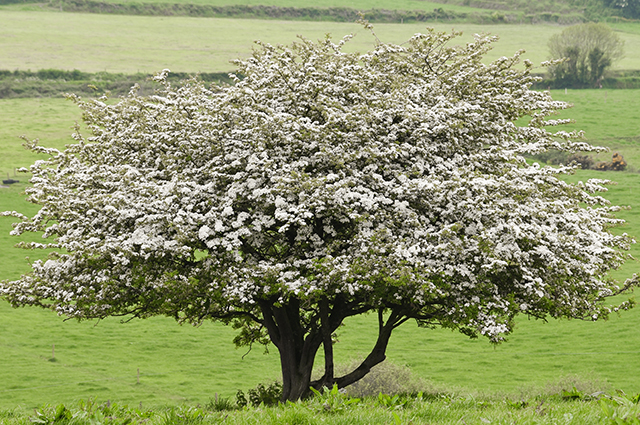
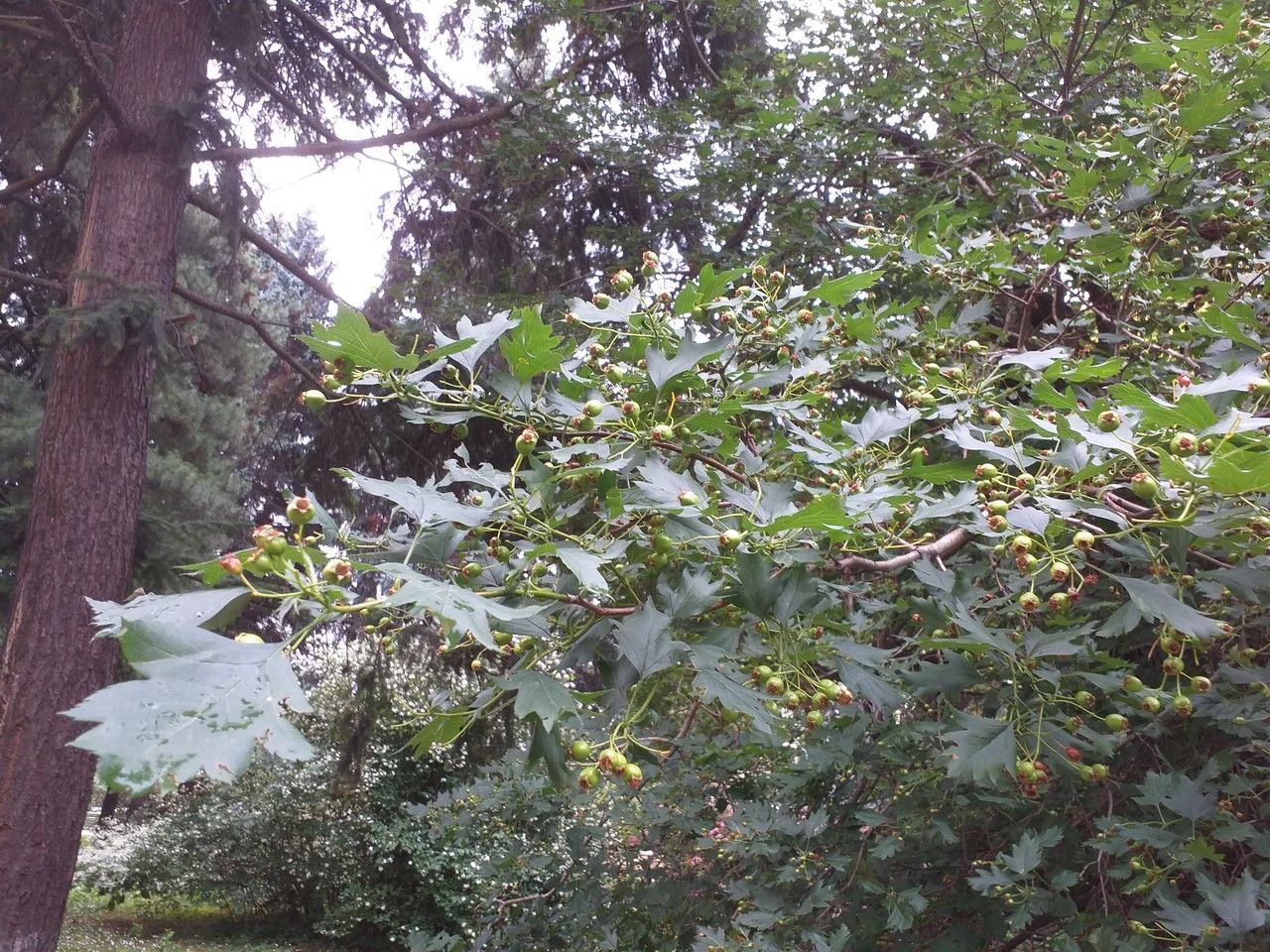
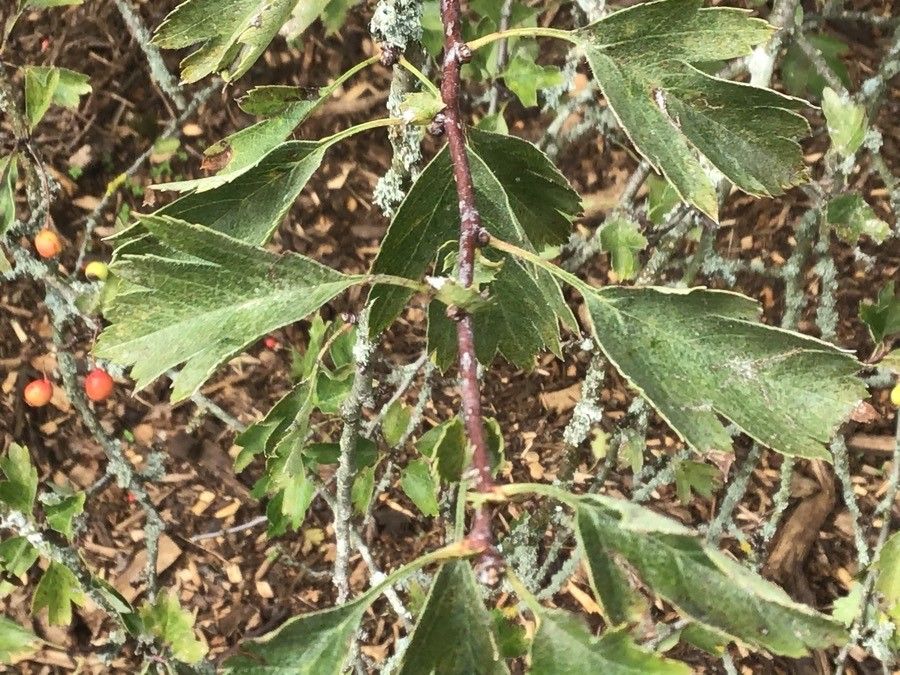
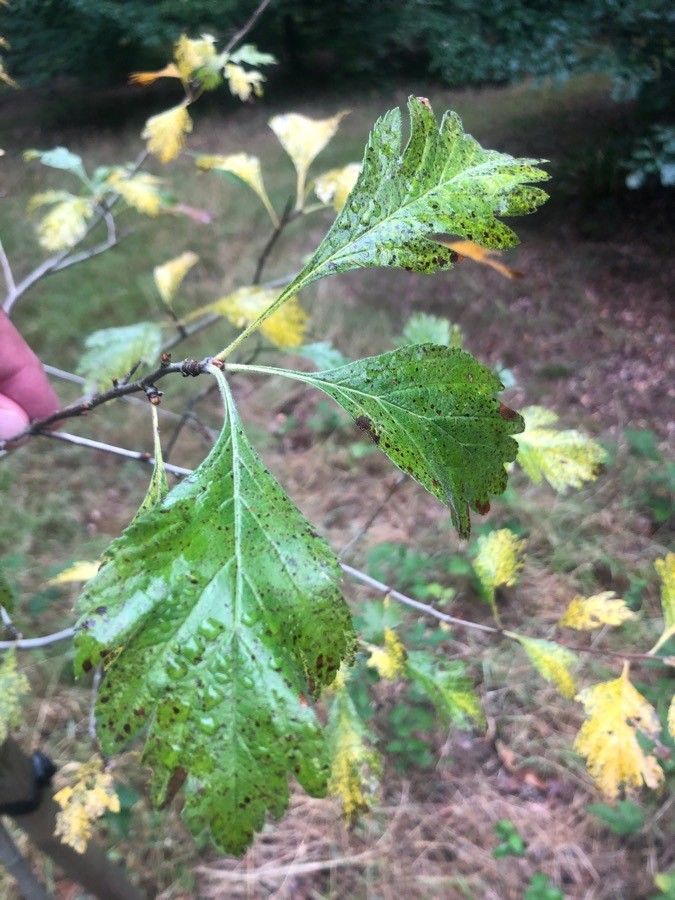
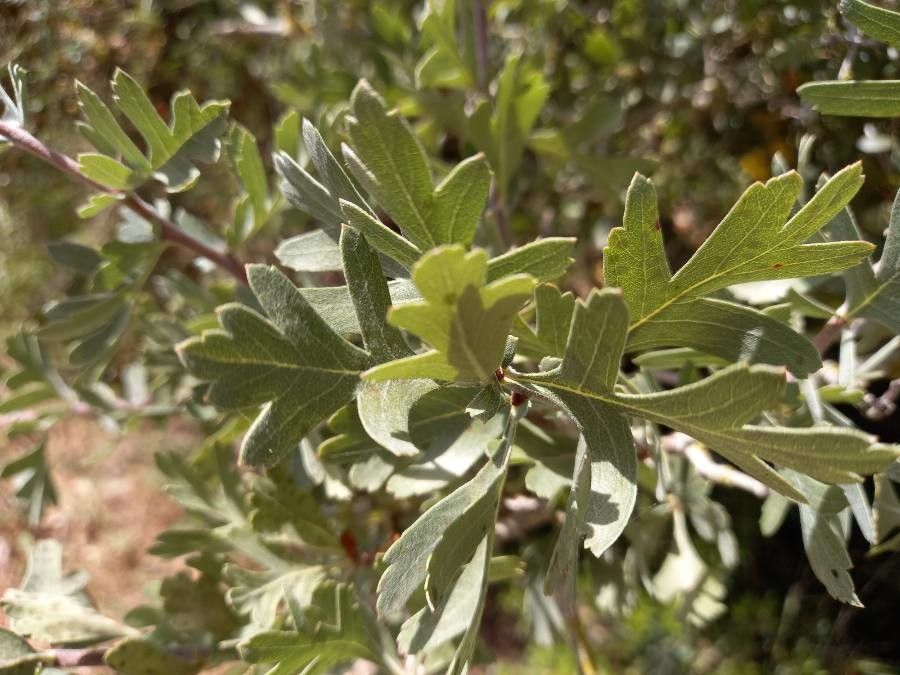
The English hawthorn, scientifically known as Crataegus laevigata, is a deciduous big shrub or small tree that is native to western and central Europe, North Africa, and some areas of western North America. With several stems that cross one another to produce a circular crown in mature plants, it is a dense, thorny-branched plant. The plant has glossy, dark green leaves that are covered in a profusion of small, colorful blooms in colors of white, pink, or red throughout the spring. Fall is when red fruits for some varieties become visible.
How to keep Crataegus Spp.
Temperature
The ideal temperature range for Indian Hawthornes is between 50 and 75 degrees Fahrenheit (10 to 24 Celsius). Particularly during the winter when temperatures below freezing are more frequent, they prefer it cooler than that. High relative humidity is also advised for healthy growth, but don't go overboard since too much moisture in the air may promote rotting.
Fertilizer
Use a water-soluble, balanced fertilizer with a 1:1:1 ratio to regularly fertilize your Indian Hawthorn plant. This indicates that it delivers the ideal balance of nitrogen (N), phosphorus (P), and potassium and is neither too rich nor too weak (K). The two fertilizers that are applied in this manner the most frequently are 20-20-20 and 10-10-10.
Pruning
Indian hawthornes require basic care and upkeep, including pruning. Although the process can be scary, if you know what needs to be done, it's not difficult to learn. Additionally, knowing when to prune can keep your plants robust and healthy, allowing them to produce an abundance of flowers each year.
Toxicity
Hawthorn berries have historically been used to treat a range of heart ailments and are entirely safe for dogs to consume. They are also used in herbal medicine as a heart tonic. Cooking has several benefits for people. The genus, which is essentially a beta blocker, is well known for supporting the heart and has a wide range of medical uses.
Further reading →
The toxicity and danger assessments provided are for reference only. We do not assure their accuracy, so it's crucial not to depend on them. Seek professional advice when necessary for accurate guidance.
Botanical profile.
- Plant Type
- Flowering tree, large shrub
- Genus
- Crataegus
- Family
- Rosaceae
- Hardiness Zone
- Varies by species
- Bloom Time
- May, early June
- Native Area
- Europe, Asia, North Africa, North America