Crepis mollis
Northern Hawk's-beard · Northern hawksbeard
Description
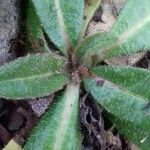
Source: leafsnapCrepis mollis, commonly known as soft hawksbeard, is a perennial herbaceous plant belonging to the Asteraceae family. Native to Europe and Asia, it has also been introduced to North America. The plant can grow up to 60 cm tall and features a basal rosette of soft, hairy leaves. Its stem is similarly hairy and supports small yellow flowers that bloom in late spring or early summer. The leaves of Crepis mollis are edible and have been used as a food source by indigenous peoples for centuries. They can be consumed either raw or cooked, though it's important to exercise caution as some individuals may experience allergic reactions. Crepis mollis thrives in well-drained soil under full sun or partial shade and can tolerate drought conditions once established. It is commonly found in roadsides, meadows, fields, and disturbed areas. Medicinally, the roots of Crepis mollis have been traditionally used to treat liver problems such as jaundice. The plant also contains compounds with anti-inflammatory properties, making it useful for alleviating arthritis pain. Overall, Crepis mollis is an interesting herbaceous perennial with both culinary and medicinal benefits, making it a valuable addition to any garden or landscape design project.
Care Guide
💧 Water Every 7 days
☀️ Light Full sun
Northern hawk's-beard is a sun-loving, perennial herbaceous plant native to open habitats and often found in meadows and grasslands. It prefers full sun but can also tolerate partial sun.
🌡️ Temperature 5–32.2°C
Northern hawk's-beard can tolerate a broad range of temperatures, but its distribution may still be restricted by various combinations of water and heat. It performs best in warm summer climates with sufficient rainfall or watering. Extended periods of cloudy, rainy weather or prolonged high temperatures raise the likelihood of Northern hawk's-beard dying. In winter, giving it proper protection from cold can increase its chances of survival.
💨 Humidity
🪴 Soil 6-8
🌱 Fertilizer
One spring application of fertilizer is typically enough for Northern hawk's-beard, though repeated feedings can enhance growth. Apply fertilizer every month to a month and a half. Fertilizing improves leaf appearance and function, encouraging uniform color and a healthy texture. It also promotes root development and better nutrient uptake, supporting long-term plant health.
🪴 Pot & Repot
✂️ Pruning
🌿 Propagating
🐛 Diseases & pets
☠️ Toxicity
Characteristics
- Plant Type
- Herb
- Life Cycle
- Perennial
- Genus
- Crepis
- Family
- Asteraceae
- Hardiness Zone
- 4-8
- Mature Height
- 30 cm to 91 cm
- Mature Spread
- 20 cm to 40 cm
- Leaf Color
- Green, Dark Green
- Leaf Type
- Deciduous
- Flower Color
- Yellow
- Flower Size
- 2.03 cm to 3.05 cm
- Bloom Time
- Early summer, Mid summer
- Planting Time
- Spring, Summer, Autumn
- Harvest Time
- Mid summer, Late summer