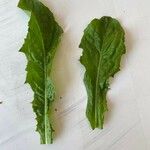
Crepis pulchra
Hawk's-beard · Small-flower hawk's-beard · Smallflower hawksbeard · Small-flowered Hawk's-beard · Small-flowered hawksbeard
Description
Source: leafsnapCrepis pulchra is a European species of flowering plant in the family Asteraceae with the common name smallflower hawksbeard. It is widespread across much of Europe as well as in Morocco, Algeria, and western and central Asia. It has also become naturalized in the parts of the United States and in the Canadian Province of Ontario.Crepis pulchra is an annual herb up to 100 cm (40 inches) tall. One plant can produce as many as 40 flower heads, each with as many as 30 yellow ray florets but no disc florets. SubspeciesCrepis pulchra subsp. pulchra Crepis pulchra subsp. turkestanica Babc.
Care Guide
💧 Water
Smallflower hawksbeard thrives in environments with moderate moisture and needs soil that remains consistently damp. It is important to water the plant weekly to prevent waterlogging. Although it is usually grown outdoors to take advantage of natural rainfall, maintaining soil moisture is crucial for its optimal growth, particularly during the growing season.
How should I water my Smallflower hawksbeard plant?
To water Smallflower hawksbeard, you have several options for watering tools such as a garden hose with a spray nozzle or a watering can. The plant is not particular about the type of water it receives and can thrive with rainwater, tap water, or filtered water. It is best to avoid watering this plant from above as it can harm the leaves and flowers and potentially cause disease. Setting up a drip irrigation system is often the most effective method for watering Smallflower hawksbeard, as it allows for even and direct application of water to the soil. For a Smallflower hawksbeard in a container, you can use a cup, watering can, or tap to water it directly into the soil.
What should I do if I give my Smallflower hawksbeard too much water or too little water?
To prevent underwatering Smallflower hawksbeard, it's recommended to water the plant regularly when you notice it lacks moisture. Overwatering, on the other hand, can be a more serious problem that may lead to diseases and decline of the plant. To avoid overwatering, choose a suitable location for growing the plant with ample sunlight and good drainage to prevent the soil from becoming waterlogged. If you have overwatered your Smallflower hawksbeard in a pot, consider changing it to a new pot with better drainage. Repot the plant using loose soil and an efficiently draining pot.
How frequently do I need to water my Smallflower hawksbeard?
To keep Smallflower hawksbeard healthy, it's important to water it regularly. In the spring, once a week should be sufficient. As the weather gets hotter, you may need to water it two to three times a week. However, be careful not to overwater, as this can harm the plant. Regardless of how often you water, make sure the soil stays moist but not overly wet. If you have Smallflower hawksbeard in a pot, you'll need to water it more often since the soil in pots tends to dry out faster. In most cases, watering a container-grown Smallflower hawksbeard a few times per week is necessary, compared to once per week for a plant in the ground.
How much water does my Smallflower hawksbeard plant need?
There are a few ways to decide how much water to give your Smallflower hawksbeard. Some gardeners prefer to gauge the soil moisture by feeling it, and suggest watering until the top six inches are moist. Another option is using a specific measurement, like roughly two gallons per week, adjusting for heat and soil dryness. However, following set guidelines might lead to overwatering if your plant needs less. When growing Smallflower hawksbeard in a container, a different method is needed. You should water until all soil layers are moist, which can be checked by sticking a finger in the soil or seeing water trickle from drainage holes.
How can I know if I am giving enough water to my Smallflower hawksbeard?
Avoiding overwatering your Smallflower hawksbeard can be a bit challenging. On one side, these plants need regular soil moisture due to their deep roots. However, they are highly prone to root rot and browning if overwatered. Underwatering is less of a concern as these plants can survive for a while without additional watering. But, if you go too long without giving them water, they will likely wilt and develop dry leaves.
☀️ Light Full sun
The smooth hawksbeard prefers spots that receive largely unobstructed sunlight for most of the day, which supports healthy growth. It can also prosper in areas with moderate light penetration. Its native habitat shapes this sunlight preference. Excessive or insufficient sun exposure can negatively affect its growth.
How much sunlight is required for Smallflower hawksbeard?
Smallflower hawksbeard thrives in environments with full sun, needing more than 6 hours of sunlight a day for optimal growth. It can tolerate partial sun, which means about 3-6 hours of sunlight daily, but prefers full sun to reach its full potential. Watching the sunlight's movement through your garden will help you find the perfect spots that offer a balance of light and shade, ensuring your plants grow healthy and happy.
What are the effects of insufficient sunlight on Smallflower hawksbeard, and how can artificial lighting help?
When Smallflower hawksbeard, a plant known for its love of sunshine, is grown indoors or in conditions with inadequate light, it may show signs of struggle such as smaller leaves, sparse growth, early leaf drop, slowed or stopped growth, lighter-colored new leaves, and symptoms associated with too much sunlight like chlorosis, sunscald, leaf curling, wilting, and leaf scorching. To combat these issues, especially in less sunny spaces or during winter, artificial lighting can be a lifesaver. LED lights, which can be customized to provide specific wavelengths, mimic natural sunlight by ensuring the plants receive anywhere from 10-50W/sq ft of artificial light depending on their natural sunlight requirements, with the light source placed 12-36 inches above the plant for 8-12 hours a day to imitate natural daylight hours.
What are some solutions for addressing symptoms of light deficiency in Smallflower hawksbeard?
To remedy symptoms of light deficiency in Smallflower hawksbeard, indoor plants should be gradually moved to sunnier locations until they receive at least 6 hours of direct sunlight daily, utilizing south-facing windows and keeping curtains open for maximum light. For plants that are large or hard to move, consider providing artificial light, keeping a desk or ceiling lamp on for at least 8 hours daily, or investing in professional plant grow lights. Outdoors, plants should be moved to sunnier spots gradually to avoid shock. If trees or other obstructions limit sunlight, pruning or transplanting during the plant's dormant period may be necessary to ensure ample sunlight and good drainage, promoting healthy new growth in areas previously affected by low light.
🌡️ Temperature 0–35°C
Smooth hawksbeard originates from habitats where temperatures range from 68 to 95°F (20 to 35°C). The plant favors moderate warmth but can tolerate somewhat higher temperatures. In winter, a heated greenhouse is best.
💨 Humidity
🪴 Soil 6-7
🌱 Fertilizer
Smooth hawksbeard benefits from regular, dilute applications of fertilizer to encourage healthy leaf development. You should fertilize Smooth hawksbeard about once a month during the summer months. Nitrogen is essential for foliage, and adding nitrogen-rich sources helps Smooth hawksbeard thrive.
🪴 Pot & Repot
✂️ Pruning
To maintain the optimal health and shape of smallflower hawksbeard, it's best to prune during early to late spring. Focus on removing dead stems and trimming any overgrown parts. Avoid heavy pruning to preserve its delicate structure. By pruning at the right time, you can enhance flowering and reduce the risk of disease. Remember to always use clean, sharp tools for the best results.
🌿 Propagating
🐛 Diseases & pets
☠️ Toxicity
Characteristics
- Plant Type
- Herb
- Life Cycle
- Annual, Biennial, Perennial
- Genus
- Crepis
- Family
- Asteraceae
- Hardiness Zone
- 3-9
- Mature Height
- 10 cm to 91 cm
- Mature Spread
- 10 cm to 49 cm
- Leaf Color
- Green
- Leaf Type
- Deciduous
- Flower Color
- Yellow
- Flower Size
- 1.02 cm to 1.52 cm
- Bloom Time
- Late spring, Early summer, Mid summer
- Planting Time
- Autumn
- Harvest Time
- Early summer, Mid summer
- Native Area
- India, Austria, Sweden, Slovakia, Montenegro, Croatia, Slovenia, Belarus, Russia, Germany, Romania, Belgium, Netherlands, France, Portugal, Czech Republic, Bulgaria, Poland, Ukraine, Serbia, Lithuania, Norway, Italy, Spain, Switzerland, Denmark, Albania, Ireland, United Kingdom, Hungary