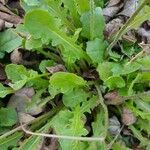
Crepis sancta
کفشک، ریش قوش · Dandelion · Hawk's-beard
Care Guide
💧 Water
Originating from the Mediterranean, holy hawksbeard thrives in regions with moderate rainfall and prefers to be watered consistently, typically about once a week. While it can withstand short dry spells, it benefits from natural rain when grown outdoors. The availability of water plays a crucial role in its growth cycle, making regular irrigation essential during periods of active growth.
How should I water my Holy hawksbeard plant?
To water Holy hawksbeard, you have several options. You can use a garden hose with a spray nozzle, a watering can, or any other common watering tool. Holy hawksbeard is not too particular about the type of water it receives; it can thrive with rainwater, tap water, or filtered water. However, it's best to avoid watering from above as it can damage the leaves, flowers, and potentially lead to disease. Instead, using a drip irrigation system is often the ideal method. These systems distribute water evenly and directly to the soil, which works well for Holy hawksbeard. If you have a container-grown Holy hawksbeard, you can follow a similar watering approach but adjust the tools. Using a cup, watering can, or tap, apply water directly to the soil in the container.
What should I do if I give my Holy hawksbeard plant too much or too little water?
To properly care for your Holy hawksbeard, it's important to address both underwatering and overwatering. If you find that your plant lacks moisture, a simple solution is to water it more regularly. However, overwatering can be a more serious problem, so it's crucial to be vigilant. Overwatering can lead to diseases and ultimately the decline and death of your Holy hawksbeard. To prevent this, choose a suitable location for your plant - one that gets plenty of sunlight, helping to dry the soil, and has good drainage to prevent water from pooling. If your Holy hawksbeard is potted and you've been overwatering it, you may need to repot it. Make sure to use a pot with good drainage and add loose soil to promote proper water flow.
How frequently should I water my Holy hawksbeard plant?
To keep your Holy hawksbeard healthy, it is important to provide regular watering throughout the growing season. In the spring, watering once a week should suffice. However, as the weather gets warmer, you may need to increase the frequency to two or three times per week. It is important to avoid overwatering, as this can harm the plant. Regardless of how often you water, make sure the soil remains moist but not wet. When it comes to potted Holy hawksbeard, the soil tends to dry out faster compared to ground soil. Therefore, watering container-grown plants a few times per week is recommended, instead of just once per week for plants in the ground.
How many times should I water my Holy hawksbeard?
There are a few methods to determine how much water your Holy hawksbeard needs. Some gardeners rely on feeling the soil for moisture and suggest watering until the top six inches of soil feel moist. Another approach is to use a set measurement, typically two gallons per week, depending on the temperature and how quickly the soil dries. However, following strict guidelines might result in overwatering if your plant requires less. When growing in a container, you should moisten all layers of dry soil. Test for moisture by sticking your finger in the soil or look for a slight trickle of excess water from the pot's drainage holes.
How do I know if I'm giving enough water to my Holy hawksbeard?
Avoiding overwatering your Holy hawksbeard can be tricky. On one hand, these plants have deep roots that need regular watering. But on the other hand, they are highly prone to root rot and may turn brown if overwatered. Underwatering is less of a concern as these plants can survive without much water for some time. However, if you neglect to water them for too long, they will wilt and their leaves may become dry.
☀️ Light Full sun
The holy hawksbeard requires abundant light and shows its best growth in plentiful sunlight. It can tolerate muted light, but it does not flourish as well. From the seedling stage onward, sunlight promotes its healthy development, and both too little and too much light are harmful. Its natural habitat demands substantial sun exposure.
What are the sunlight requirements for Holy hawksbeard?
Holy hawksbeard requires full sun, meaning it thrives best with more than 6 hours of sunlight daily, but it can also tolerate partial sun, which is about 3-6 hours of sunlight. It's important to monitor the movement of sunlight in your garden to ensure your plants receive the ideal balance of light and shade. Observing where and how sunlight falls in your garden will help in choosing the best spots for planting, ensuring your plants' growth and happiness.
Why is sunlight important for Holy hawksbeard and how does artificial lighting help?
Sunlight is crucial for the growth and health of Holy hawksbeard from its seedling stage. It fosters optimal growth in abundant sunlight and while it can endure lower light, its flourishing is compromised. In conditions where natural sunlight is insufficient, especially during winter or in less sunny spaces, artificial lighting can be a lifesaver. Artificial lights, particularly LED lights, can be adjusted to mimic natural sunlight, providing the necessary wavelengths for plant growth. Full sun plants may require 30-50W/sq ft, partial sun plants 20-30W/sq ft, and full shade plants 10-20W/sq ft of artificial light. Placement 12-36 inches above the plant and mimicking natural daylight hours (8-12 hours per day) are essential guidelines for using artificial lighting effectively.
What symptoms indicate Holy hawksbeard is receiving inadequate light, and how does excessive sunlight affect it?
Symptoms of inadequate light for Holy hawksbeard include smaller leaves, leggy or sparse growth, faster leaf drop, slower or halted growth, and lighter-colored or pale new leaves. Excessive sunlight can lead to chlorosis (leaf yellowing), sunscald (damage from intense light), leaf curling (to minimize water loss), wilting (loss of water pressure), and leaf scorching (brown, dry patches on leaves). These symptoms highlight the delicate balance needed for sunlight exposure, with both insufficient and excessive light having detrimental effects.
What are the best practices for managing sunlight exposure for Holy hawksbeard?
Managing sunlight exposure for Holy hawksbeard involves several practices. For indoor care, gradually move plants to sunnier spots to achieve at least 6 hours of sunlight, use south-facing windows, and consider artificial lighting for additional support. Outdoors, adapt your plants to increased sunlight gradually to prevent sunburn. Reducing obstructions, like pruning trees that block sunlight, and transplanting smaller plants during their dormant period to sunnier locations with good drainage are vital outdoor strategies. Remember, while parts of the plant affected by insufficient sunlight may not recover, new growth should be healthy with improved light conditions.
🌡️ Temperature 5–35°C
Holy hawksbeard can tolerate a broad range of temperatures, yet its distribution may still be restricted by various combinations of moisture and heat. It performs best in warm summer climates with sufficient rainfall or regular watering. Extended periods of cloudy, rainy weather, or prolonged high temperatures, can raise the risk of Holy hawksbeard dying. In winter, adequate protection from cold can increase the plant's chances of survival.
What is Holy hawksbeard?
Holy hawksbeard is a plant known scientifically as Crepis sancta. Unfortunately, there is no further information provided about its essentials or symptoms associated with this entry.
💨 Humidity
🪴 Soil 6-7
🌱 Fertilizer
Holy hawksbeard benefits from regular, light applications of fertilizer to encourage healthy leaf growth. Fertilize Holy hawksbeard about once a month during the summer. Nitrogen is essential for foliage, and providing nitrogen-rich sources helps Holy hawksbeard thrive.
🪴 Pot & Repot
✂️ Pruning
Holy hawksbeard is a resilient flowering plant known for its vibrant yellow blooms. To encourage growth, improve air circulation, and promote continuous blooming, prune the plant from early to late spring. Regular maintenance helps ensure a healthier and more visually appealing plant. For the best care, follow reputable horticultural guidelines.
🌿 Propagating
🐛 Diseases & pets
☠️ Toxicity
Characteristics
- Plant Type
- Herb
- Life Cycle
- Annual
- Genus
- Crepis
- Family
- Asteraceae
- Hardiness Zone
- 6-9
- Mature Height
- 3 cm to 55 cm
- Mature Spread
- 15 cm to 25 cm
- Leaf Color
- Green
- Leaf Type
- Semi-evergreen
- Flower Color
- Yellow
- Flower Size
- 1.52 cm to 2.03 cm
- Bloom Time
- Late spring, Early summer, Mid summer
- Planting Time
- Spring, Summer
- Harvest Time
- Early summer, Mid summer