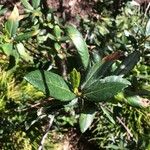
Crinodendron hookerianum
Lanterntree · Chilean lanterntree · Chilean Lantern Tree · Chile lantern tree
Description
Source: leafsnapCrinodendron hookerianum, known as the Chilean lantern tree, is an evergreen tree in the family Elaeocarpaceae. It is endemic to Chile, where it occurs from Cautin to Palena (38 to 43°S). It grows near streams and in very humid and shady places.
Care Guide
💧 Water Every 2 weeks
The Chilean lantern tree originates from the temperate rainforests of Chile and thrives in environments with consistent moisture and cool conditions. It grows best in well-hydrated and well-draining soil, and benefits from being watered twice a week. Adding mulch helps retain moisture, making the tree well-suited for outdoor growth, which mirrors its natural habitat.
How should I water my Chilean lantern tree the right way?
Your Chilean lantern tree is not too picky when it comes to watering. You can use common watering tools like watering cans, hoses, or even cups to moisten the soil. It's important to water the soil directly, making sure to evenly moisten all areas so that every part of the root system gets the water it needs. Using filtered water is recommended since tap water may contain harmful particles. It's also best to use water at or slightly above room temperature, as extremely cold or hot water can be shocking to the tree. However, the Chilean lantern tree generally responds well to any type of water.
If I give my Chilean lantern tree too much or too little water, what should I do?
When taking care of outdoor plants, particularly new ones or plant seedlings, it's important to be aware of the risk of not watering them enough. Make sure to water them adequately for a few months, especially when they are small or just planted. This is because once the roots have established, Chilean lantern trees typically rely on rain for moisture. If you have a Chilean lantern tree planted in a pot, overwatering is more likely to happen. In case you accidentally overwater your Chilean lantern tree, it's essential to take immediate action to address the situation. First, stop watering the plant to minimize the impact of overwatering. Then, remove the tree from its pot to check its roots. If you find no signs of root rot, you can return the plant to its container. But if there are indications of root rot, trim away the affected roots and apply a fungicide to prevent further damage. Finally, repot the Chilean lantern tree in well-draining soil. For an underwatered Chilean lantern tree, the solution is simpler. Just water the plant more frequently. You can identify an underwatered tree by its drooping and dry leaves, which will regain fullness once properly hydrated. If you notice underwatering, adjust your watering frequency promptly.
How frequently do I need to water my Chilean lantern tree?
Most outdoor plants can rely on rainfall for their water needs. However, if you live in an area with limited rainfall, you'll need to water your plants adequately. During the spring and fall, watering every two weeks is usually sufficient. In the summer, when plants are growing more rapidly, you'll need to water more frequently. In the winter, when growth slows down, you can reduce the amount of watering. In fact, you may not need to water at all during the winter months. If you have a young or newly planted Chilean lantern tree, it's important to water it more often to help it establish and grow into a more resilient and drought-tolerant plant. For potted plants like the Chilean lantern tree, there are two main approaches to determining watering frequency. The first is to set a predetermined schedule, such as watering once a week or every other week. However, this method doesn't take into account the specific conditions of your plant's environment. Another option is to base your watering frequency on soil moisture. Ideally, you should wait until the top two to four inches of soil (about one-third to one-half the depth of the pot) have completely dried out before watering again. This approach allows for more accurate and plant-specific watering.
How much water should I give my Chilean lantern tree?
Watering your Chilean lantern tree may not require a large amount of water. If the soil has only dried a few inches since the last watering, giving it about five to ten ounces of water will promote healthy growth. You can also gauge the amount of water to give based on the moisture of the soil. Check how many inches of soil have dried out between waterings. To ensure the tree receives enough moisture, water until all the layers of dry soil are moistened. If more than half of the soil is dry, give extra water until you notice excess water draining from the pot's holes. If your tree is exposed to plenty of outdoor rain, additional watering may not be necessary. For young or newly established trees, provide 1-2 inches of rain per week. Once the tree is more mature, it can rely solely on rainwater, but during hot, rainless periods lasting 2-3 weeks, a thorough watering is recommended to prevent stress.
How do I know if I am giving enough water to my Chilean lantern tree?
The Chilean lantern tree is more commonly affected by overwatering, and there are clear signs to watch out for. If the tree is overwatered, the leaves will turn yellow and some may even fall off. Overwatering can also cause the overall structure of the plant to shrink and encourage root rot. On the other hand, if the tree is underwatered, it will start to droop and the leaves may become brown and easily breakable. Regardless of whether you notice signs of overwatering or underwatering, it is important to take action and restore the tree's health.
☀️ Light Partial sun
The Chilean lantern tree needs a good amount of sunlight, but not an overabundance. It can tolerate full sun exposure, though it performs best where light is filtered or intermittent. Those light conditions imitate its native, forest-like habitat. Excessive sun can cause leaf scorch, while inadequate light can stunt its growth.
What are the sunlight requirements for the Chilean lantern tree?
The Chilean lantern tree requires partial to full sunlight to thrive, with partial sun meaning about 3-6 hours of sunlight per day and full sun referring to more than 6 hours of sunlight daily. The plant appreciates sufficient exposure to sun rays but should not be overly exposed. It can survive in fully exposed environments but ideally grows best where sunlight is filtered or intermittent, mimicking its native forest-like habitats. Excessive sunlight can cause leaf burns, whereas too little light may stunt growth. Observing how sunlight moves through your garden will help you choose spots that offer a balance of light and shade, ensuring your plants' well-being.
How should I manage artificial lighting for my indoor Chilean lantern tree?
Indoor Chilean lantern trees require adequate lighting, especially when natural sunlight is insufficient, like in winter or less sunny spaces. Artificial lights are beneficial in promoting faster, healthier growth. LED lights are recommended because they can be customized to provide specific wavelengths needed by plants. Full sun plants need 30-50W/sq ft, partial sun plants require 20-30W/sq ft, and full shade plants should have 10-20W/sq ft of artificial light. The light source should be placed 12-36 inches above the plant to mimic natural sunlight. Most plants will need 8-12 hours of light per day to mimic natural daylight hours for the species.
What are the signs of insufficient or excessive sunlight in Chilean lantern trees?
Signs of insufficient sunlight in Chilean lantern trees include smaller new leaves compared to previous ones, leggy or sparse growth, faster leaf drop, slower or no new growth, and paler new leaves, indicating a lack of chlorophyll and essential nutrients. Excessive sunlight can cause chlorosis (leaf yellowing), sunscald (damage from intense sun), leaf curling (a defense against water loss), wilting (loss of turgor pressure), and leaf scorching (brown, dry edges on leaves due to excessive sun). These symptoms affect the plants' health and ability to photosynthesize properly.
How can I remedy sunlight-related issues for my Chilean lantern tree?
To address sunlight-related issues in Chilean lantern trees, consider gradually moving your plants to sunnier spots each week to allow adaptation to changing light conditions. Indoor plants can benefit from artificial light, such as keeping a desk or ceiling lamp on for at least 8 hours daily, or investing in professional plant grow lights. Outdoors, it's crucial to avoid sudden changes in light intensity to prevent sunburn. Removing obstructions and transplanting smaller plants to sunnier locations with good drainage are effective strategies. It's important to note that parts of the plant affected by insufficient light may not recover, but new growth after proper light exposure will be healthy.
🌡️ Temperature 15–35°C
The Chilean lantern tree is indigenous to regions with moderate climates, typically experiencing temperatures between 59 and 95 °F (15 to 35 °C). Its affinity for these temperate conditions means that careful seasonal temperature adjustments may be necessary in areas that are cooler or hotter.
What is the native climate of the Chilean lantern tree?
The Chilean lantern tree, or Crinodendron hookerianum, thrives in moderate climates, with an ideal temperature range between 59 to 95 °F (15 to 35 °C). This preference for temperate environments indicates that those in cooler or hotter climates may need to adjust their care seasonally to accommodate the tree's needs.
Does the Chilean lantern tree have any cold tolerance?
Yes, the Chilean lantern tree has some cold tolerance. It generally does not require special measures when temperatures are above -5°C. However, if temperatures are expected to fall below -5°C, it's necessary to take temporary cold protection measures, such as wrapping the tree in plastic film, fabric, or other materials. These protections should be removed once temperatures rise again.
How should I care for a Chilean lantern tree during cold temperatures?
The Chilean lantern tree can tolerate moderate low temperatures but thrives best above 15°C. During winter, ensure it is kept above -5°C. If temperatures fall below -10°C, leaves may droop, and in severe cases, wilt and fall off. To protect the tree, trim off frost-damaged parts and, prior to cold weather, wrap it in non-woven fabric or cloth and construct a wind barrier to shield it from cold winds.
How does high temperature affect the Chilean lantern tree?
During summer, it's important to keep the Chilean lantern tree below 35°C. Temperatures exceeding 38°C can cause the leaves to lighten in color, dry out at the tips, curl, and the tree becomes more prone to sunburn. To mitigate damage, trim away sunburned and dried parts, move the plant to a shaded area during peak sun hours, or use a shade cloth. Additionally, water the tree in the morning and evening to maintain soil moisture.
💨 Humidity
🪴 Soil 5-6
🌱 Fertilizer
Timing matters for fertilizing the Chilean lantern tree. Apply fertilizer in early spring and keep doing so monthly until early summer. Fertilizer promotes attractive blooms and supplies energy during both dormant and active growth periods.
Why should I put fertilizer on my Chilean lantern tree?
To maximize the blooming of your Chilean lantern tree, it is important to fertilize it. Fertilizing in early spring is especially beneficial as it promotes beautiful flowers during that season. Additionally, fertilizing provides the tree with extra energy stored in the ground during its dormant periods. By giving your Chilean lantern tree additional nutrients in the fall or late spring, it will have more energy to utilize when it enters an active growth phase again.
When should I put fertilizer on my Chilean lantern tree?
To effectively fertilize Chilean lantern trees, timing is crucial. Applying fertilizer too early, while the tree is still dormant, will be ineffective and get washed away by rainwater, causing waste and pollution. It is recommended to apply the first round of fertilizer in early spring and continue fertilizing once a month until early summer.
When is the best time to not put fertilizer on my Chilean lantern tree?
To promote blooming in the Chilean lantern tree, avoid using fertilizer with excessive nitrogen. Too much nitrogen can result in an abundance of leaves and few blooms. Instead, choose a fertilizer with lower nitrogen content compared to other nutrients. Timing is crucial when it comes to fertilizing. Refrain from fertilizing after the early autumn, as this can encourage excessive growth before winter. Additionally, avoid fertilizing the Chilean lantern tree during hot and dry periods when the soil is dry. Dry soil does not effectively deliver fertilizer, and fertilizing during this time can stimulate growth that requires more water, which may not be available. Ideally, apply fertilizer earlier in the season when temperatures are cooler. Lastly, be mindful that the Chilean lantern tree can absorb fertilizer applied to nearby plants or lawns. Be cautious not to accidentally provide the tree with an excessive amount of fertilizer.
What kind of fertilizer should I use for my Chilean lantern tree?
To properly fertilize a Chilean lantern tree, it is recommended to use a well-balanced fertilizer with slightly higher levels of phosphorus, as this will enhance flower development and prolong bloom time. Alternatively, some gardeners prefer enriching the tree's soil with organic materials such as compost, worm castings, and manure. When flower buds start to appear, experienced gardeners may choose to supplement with water-soluble fertilizers containing phosphorus 1-2 times. These fertilizers can take various forms, but liquid and powdered forms are particularly effective. No matter the form, it is essential to dilute the fertilizer and apply it while watering the tree.
How should I give nutrients to my Chilean lantern tree?
To properly care for your Chilean lantern tree, it's important to follow specific fertilizer instructions and do some research. Avoid over-fertilizing, as finding the correct amount is crucial. Generally, you can determine the appropriate quantity by considering the tree's age or trunk diameter. As a general guideline, use around one-tenth of a pound of fertilizer per year or per inch of trunk, up to a maximum of one pound. Granular and organic fertilizers like blood meal can be sprinkled around the base of the tree, extending up to the drip line (below the outer branches). Be careful not to let the fertilizer touch the trunk. Over time, the granules will break down and seep into the soil, nourishing the roots. After fertilizing, spread an inch-deep layer of compost around the tree base and thoroughly water the area.
🪴 Pot & Repot 2-3 years
Repot the Chilean lantern tree every 2-3 years during spring, using a well-draining, acidic soil mix. Select deep containers to accommodate its growth. After repotting, place the tree in dappled sunlight and water it moderately to promote healthy root development and steady growth.
✂️ Pruning
The Chilean lantern tree is known for its lantern-shaped flowers and requires pruning from early to late winter. To maintain the plant's health and appearance, remove any dead, damaged, or crossing branches. This not only improves air circulation but also enhances flowering and helps shape the tree. Regular pruning is essential for managing the tree's size and maintaining its aesthetic appeal, resulting in a healthy and visually striking specimen.
🌿 Propagating
🐛 Diseases & pets
☠️ Toxicity
Characteristics
- Plant Type
- Tree, Shrub
- Life Cycle
- Perennial
- Genus
- Crinodendron
- Family
- Elaeocarpaceae
- Hardiness Zone
- 8-9
- Mature Height
- 7.92 m
- Mature Spread
- 3.96 m
- Leaf Color
- Green
- Leaf Type
- Evergreen
- Flower Color
- Red
- Flower Size
- 2.54 cm to 7.62 cm
- Bloom Time
- Late spring, Early summer, Mid summer
- Planting Time
- Spring
- Harvest Time
- Late summer, Early fall, Mid fall