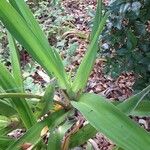
Crinum americanum
Florida swamp-lily · Southern swamp crinum · String-lily · Swamp lily · Seven-Sisters
Description
Source: leafsnapCrinum americanum, commonly known as the southern swamp lily or seven sisters, is a perennial aquatic plant belonging to the Amaryllidaceae family. Native to the southeastern United States, it thrives in swamps, marshes, and along riverbanks. The plant features long, strap-like leaves that can grow up to 3 feet in length and 2 inches in width. These dark green leaves have a glossy texture and are arranged in a rosette pattern at the plant's base. Crinum americanum produces large, showy flowers with six white petals forming a trumpet shape, reaching up to 6 inches in length. The flowers bloom from late spring through summer on tall stalks that can grow up to 4 feet high. This plant plays a crucial role in wetland ecosystems by providing habitat for various aquatic animals, including fish, turtles, frogs, insects, and birds. In traditional medicine, Crinum americanum has been utilized for its medicinal properties, such as treating fever or snake bites. Overall, Crinum americanum is an attractive aquatic plant with beautiful white flowers. It plays a vital role in its ecosystem and has been used for its medicinal properties by humans for centuries.
🎭 Delicate elegance, charming, proud in spirit, grandeur
Care Guide
💧 Water Every 7 days
Originating from wetlands, the Florida swamp lily thrives in high-moisture environments and needs consistent hydration, usually requiring weekly watering. This plant flourishes outdoors and benefits from ample water during the growing season to support vigorous growth and blooming. While it can tolerate brief dry periods, maintaining its natural watering rhythm is crucial for optimal health.
How should I water my Florida swamp-lily plant properly?
To properly water the Florida swamp-lily, follow these guidelines for best results. Use filtered water at room temperature, as tap water may contain harmful particles. The plant is used to warm conditions, so avoid using cold water which can be a shock to the system. Also, refrain from overhead watering to prevent foliage problems. Instead, apply filtered room temperature water directly to the soil until it is completely soaked. This method helps to moisten the roots and aid in their growth and nutrient absorption.
What should I do if I give my Florida swamp-lily too much or too little water?
The health of your Florida swamp-lily can be negatively affected by both overwatering and underwatering, but overwatering is a more common problem. If the plant receives too much water, its stems and leaves may wilt and turn yellow. Overwatering for a long time can also cause diseases like root rot, mold, and mildew that can kill your plant. Underwatering is less likely for the Florida swamp-lily because it can tolerate drought to some extent. However, it is still possible, and if it happens, you will notice brittle, brown leaves. It is important to recognize the signs of overwatering early when taking care of your Florida swamp-lily. Some of the diseases caused by overwatering, such as root rot, may not be fixable if you wait too long. If you see early signs of overwatering, reduce the watering schedule immediately. Additionally, check the quality of the soil. If it doesn't drain well, replace it with a loose, well-draining potting mix. On the other hand, if you notice signs of underwatering, simply water more regularly until the signs improve.
How many times should I water my Florida swamp-lily?
If your Florida swamp-lily is in a pot, the most precise way to determine if it needs water is by checking the soil with your finger. If the top two to three inches of soil are dry, it's time to water it. If you grow your Florida swamp-lily outdoors in the ground, you can use the same method. When the top few inches of soil have dried out, it's time to water. In the spring and early fall, you'll typically need to water this plant about once a week. During extremely hot weather, you may need to water it twice a week or more. However, mature and well-established Florida swamp-lilies can withstand droughts quite well.
How many water does my Florida swamp-lily need?
When watering your Florida swamp-lily, make sure you don't hold back on the amount of water you give it. When the top few inches of soil are dry, it's time for a thorough watering. Make sure the soil gets completely soaked, and add enough water so that it drains through the holes at the bottom of the pot. If you don't see excess water draining, you may not have given enough water. However, be careful not to let water accumulate in the soil, as this can harm the plant. If there's no water draining through the pot, it could mean the soil doesn't drain well, which is not good for the plant's health. If the plant is outside, about 1 inch of rain per week is sufficient.
How do I water my Florida swamp-lily as it grows?
The water needs of the Florida swamp-lily can change depending on growth stages. When it is in the first few years of its life or has just been transplanted, more water is required. During these stages, the plant focuses on sprouting new roots to support future growth. These roots perform best with slightly higher moisture levels. After a few seasons, less water is needed. Another growth stage that requires more water is during the bloom period, as flower development uses a significant amount of moisture.
☀️ Light Full sun
Florida swamp-lily does best with plenty of sunlight for healthy growth, though it can survive with less light. Its native habitat is usually bright, like sun-drenched marshes or riverbanks. Too little light can cause stunted, weak development, while too much exposure may produce sunscald.
What are the sun requirements for the Florida swamp-lily?
The Florida swamp-lily flourishes in environments that replicate its natural, sun-intensive habitat, such as marshes or riverbanks. For healthy growth, it requires extensive exposure to sunlight but can tolerate some variations in light availability. Specifically, it needs full sun, which is above 6 hours of direct sunlight daily, or partial sun, about 3-6 hours of sunlight. Not enough light may lead to stunted, weak growth, whereas too much sun exposure might cause sunscald. Monitoring the movement of sunlight through your garden and selecting locations that offer an optimal mix of light and shade is vital for ensuring the well-being of your plants.
How can artificial lighting support the growth of indoor Florida swamp-lilies?
When natural sunlight is insufficient, artificial lighting becomes crucial for the growth of indoor plants like the Florida swamp-lily, especially in less sunny spaces or during winter. Optimal growth can be supported by using artificial light sources, like LED lights, tailored to provide specific wavelengths needed by the plant. For full sun plants, an intensity of 30-50W per square foot is recommended, with partial sun plants needing 20-30W per square foot, and full shade plants requiring 10-20W per square foot. The artificial light should be placed 12-36 inches above the plant, mimicking natural sunlight conditions for 8-12 hours per day to ensure healthy growth.
What are the symptoms of inadequate light exposure in Florida swamp-lilies?
Florida swamp-lilies exhibit several symptoms when exposed to inadequate light, including smaller new leaves compared to older ones, leggy or sparse growth, faster leaf drop, slower or halted new growth, lighter-colored new leaves indicating a lack of chlorophyll and essential nutrients. Further, chlorosis might occur, leading to yellowing leaves due to chlorophyll breakdown from excessive sunlight, potentially affecting photosynthesis. Sunscald, leaf curling, wilting, and leaf scorching are additional symptoms that can manifest due to improper light conditions, negatively impacting the plant's health and growth.
What solutions can help Florida swamp-lilies suffering from insufficient sunlight?
To address insufficient sunlight for Florida swamp-lilies, several strategies can be employed. For indoor plants, gradually move them to a sunnier location each week until they receive at least 6 hours of direct sunlight daily, utilizing south-facing windows for maximum exposure. Artificial lights like desk or ceiling lamps, kept on for a minimum of 8 hours a day, can provide additional support. For outdoor plants, transitioning them slowly to sunnier spots helps prevent sunburn. Reducing obstructions, such as by pruning trees blocking sunlight or transplanting smaller plants to sunnier areas with ample drainage, can improve light access. Although parts of the plant that were previously affected may not recover completely, new growth following these changes will be healthy.
🌡️ Temperature 5–35°C
The Florida swamp-lily tolerates temperatures from 41 to 95 °F (5 to 35 ℃), mirroring the temperatures of its native habitat. To keep it in optimal health across different seasons, maintain its surroundings within that range.
What is the ideal temperature range for the Florida swamp-lily?
The Florida swamp-lily, botanically known as Crinum americanum, thrives in temperatures ranging from 41 to 95 °F (5 to 35 °C). This range mirrors the conditions of its native habitat, ensuring the plant's well-being throughout different seasons. Maintaining its environment within these temperatures will promote optimal health.
Does the Florida swamp-lily require special frost protection?
The Florida swamp-lily exhibits strong cold resistance, eliminating the need for special frost protection measures under typical winter conditions. However, in instances where winter temperatures are anticipated to dip below -30°C, it's crucial to protect the plant by covering it with soil or straw. Additionally, watering the plant abundantly before the first freeze in autumn is advisable to keep the soil moist, ensuring the plant does not suffer from drought or water scarcity during winter and early spring.
How does the Florida swamp-lily respond to low temperatures?
The Florida swamp-lily is quite cold-tolerant and ideally should be kept above -25°C during winter. Should the temperature fall below -30°C, the plant might not show immediate damage, but there could be a noticeable reduction in sprouting, or it might not sprout at all come spring. To manage this, it's recommended to remove any parts of the plant that have failed to sprout once spring arrives.
What should I do if the Florida swamp-lily experiences high temperatures?
In the summer, it's essential to ensure that the Florida swamp-lily is not exposed to temperatures above 35°C. Exposure to temperatures exceeding 38°C can cause the leaves to lighten in color, become prone to curling, suffer from sunburn, or, in severe cases, lead the entire plant to wilt and dry out. To mitigate these effects, trim away the sunburned and dried-up parts of the plant, relocate it to a shaded area during the midday and afternoon sun, or use a shade cloth. Additionally, watering the plant in the morning and evening helps keep the soil appropriately moist.
💨 Humidity
🪴 Soil
🌱 Fertilizer
To promote optimal growth of the Florida swamp-lily, apply a balanced fertilizer once a month during its growing season. Before the plant begins to bloom, switch to a fertilizer with higher phosphorus content for an added boost. Use slow-release formulas, and be sure to water thoroughly after fertilizing to prevent root burn. It's important to monitor the application rates carefully to avoid over-fertilization, particularly during the plant's active growth and pre-flowering stages.
Why should I put fertilizer on my Florida swamp-lily plant?
Fertilization is important for the Florida swamp-lily because it provides essential nutrients for the plant's growth above and below ground. While the overall fertilization needs of the Florida swamp-lily are low, annual fertilization can greatly benefit the plant. It helps to keep the plant alive and encourages the production of better, longer-lasting flowers. So, if you want your Florida swamp-lily to thrive and look its best, it's recommended to fertilize it annually.
When should I fertilize my Florida swamp-lily to get the best results?
The best time to fertilize a Florida swamp-lily is during late winter to early spring when the plant is coming out of dormancy and starting to grow. Fertilizing at this time promotes healthy growth for the season. Fertilizing in the fall is also okay, but it is not recommended in the summer or winter.
When is the best time to not use fertilizer on my Florida swamp-lily?
To ensure proper fertilization of your Florida swamp-lily, it is recommended to only feed the plant during late winter and early spring. This plant has low fertilization needs and a single annual feeding is sufficient. It is important to avoid fertilizing during spring, summer, and fall as this can lead to overfertilization and its associated problems. However, if you missed fertilizing in spring, you can still feed the plant in the fall. During winter, when the Florida swamp-lily is dormant and not actively growing, there is no need to fertilize.
What kind of fertilizer does my Florida swamp-lily plant need?
To effectively fertilize a Florida swamp-lily, a general-purpose fertilizer with a balanced amount of the three main plant nutrients is recommended. However, there are specific nutrient blends that can be even more beneficial. Some gardeners suggest using a phosphorus-rich fertilizer for stronger roots and better flowers since the Florida swamp-lily is a flowering plant. Both granular and liquid forms of fertilizer can be used as long as there are sufficient nutrients. Additionally, compost, manure, and other organic materials can greatly improve the soil for the Florida swamp-lily's growth.
How should I fertilize my Florida swamp-lily?
The best way to fertilize a Florida swamp-lily is by using granular or pellet fertilizer on the soil surrounding the plant. It is important to fertilize the plant as it transitions from its dormant phase to active growth, which typically occurs in the early spring. Once the plant starts sending shoots through the soil, you can apply the fertilizer. Alternatively, some people prefer using liquid fertilizer, in which case it should be diluted with water before application. Regardless of the type of fertilizer used, it is recommended to moisten the soil before, during, and after applying it.
🪴 Pot & Repot 2-3 years
Repot the Florida swamp lily every 2 to 3 years following the flowering season to ensure optimal growth. Choose a pot that is one size larger than the current one, and keep the soil consistently moist. Handle the Florida swamp lily with care, as it requires precise watering to support its lush, strap-like leaves and robust root system.
✂️ Pruning
The Florida swamp-lily is known for its attractive, fragrant flowers and thrives in moist environments. To encourage growth and manage its size, it's best to prune the plant from late winter to early spring. During this time, remove any damaged foliage and spent stalks. Always use clean tools for pruning to ensure healthy blooms and prevent overcrowding.
🌿 Propagating
🐛 Diseases & pets
☠️ Toxicity
Characteristics
- Plant Type
- Herb
- Life Cycle
- Perennial
- Genus
- Crinum
- Family
- Amaryllidaceae
- Hardiness Zone
- 4-9
- Mature Height
- 0.61 m to 1.22 m
- Mature Spread
- 30 cm to 61 cm
- Leaf Color
- Green
- Leaf Type
- Evergreen
- Flower Color
- White
- Flower Size
- 7.62 cm to 15.24 cm
- Bloom Time
- Late spring, Summer, Early fall, Mid fall
- Planting Time
- Spring, Summer, Autumn, Winter
- Harvest Time
- Mid summer, Late summer, Fall, Early winter
- Native Area
- Brazil, Mexico, Cuba, Jamaica