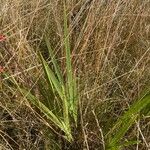
Crocosmia paniculata
Aunt Eliza · Falling stars · Zigzag crocosmia
Description
Source: leafsnapCrocosmia paniculata, commonly known as Montbretia, is a perennial plant belonging to the iris family. Native to South Africa, it has become naturalized in many parts of the world. The plant can grow up to 1 meter tall and produces long, arching stems adorned with bright green, sword-shaped leaves that can reach up to 60 cm in length. The flowers of Crocosmia paniculata are trumpet-shaped and display vibrant shades of orange, red, or yellow. They bloom from mid-summer through early fall, attracting bees, butterflies, and hummingbirds with their nectar-rich blossoms. This plant thrives in well-drained soil that is rich in organic matter and prefers either full sun or partial shade. While it can tolerate drought conditions, it performs best when watered regularly during dry spells. Crocosmia paniculata can be propagated by division or by sowing seeds in the spring or fall. Its striking blooms and long-lasting vase life make it an excellent addition to mixed borders, cottage gardens, or as a cut flower for floral arrangements.
Care Guide
💧 Water Every 7 days
☀️ Light Full sun
Aunt eliza is a perennial herbaceous plant that loves sunlight and comes from open habitats, commonly prospering in meadows and grasslands. It prefers full sun but can also tolerate partial sun.
🌡️ Temperature 15–35°C
Aunt Eliza can tolerate a broad range of temperatures, but its range may still be constrained by different combinations of moisture and heat. It does best in warm summer climates with sufficient rainfall or watering. Extended stretches of cloudy, rainy weather or prolonged high temperatures increase the risk of Aunt Eliza dying. In winter, adequate protection from cold can raise the plant's chances of survival.
💨 Humidity
🪴 Soil 6-7
🌱 Fertilizer
For Aunt eliza, the best time to apply fertilizer is in early spring when the flowers are forming. The proper fertilizer promotes stronger blooms and helps Aunt eliza produce beautiful flowers. Fertilizing in early spring ensures excellent blooms throughout the season and supplies energy for periods of dormant growth.
🪴 Pot & Repot
✂️ Pruning
Aunt Eliza boasts vibrant orange-red flowers and long stems, which benefit from pruning in early spring. To encourage growth and blooming, remove any dead foliage and spent stems. Proper maintenance not only enhances the plant's appearance but also promotes flowering. Always use clean, sharp tools to prevent the spread of disease.
🌿 Propagating
🐛 Diseases & pets
☠️ Toxicity
Characteristics
- Plant Type
- Herb
- Life Cycle
- Perennial
- Genus
- Crocosmia
- Family
- Iridaceae
- Hardiness Zone
- 7-10
- Mature Height
- 1.52 m
- Mature Spread
- 20 cm
- Leaf Color
- Green
- Leaf Type
- Deciduous
- Flower Color
- Orange, Red
- Flower Size
- 3.05 cm to 5.08 cm
- Bloom Time
- Early summer, Mid summer
- Planting Time
- Spring, Autumn
- Harvest Time
- Late summer, Early fall
- Native Area
- South Africa, Eswatini, Zimbabwe