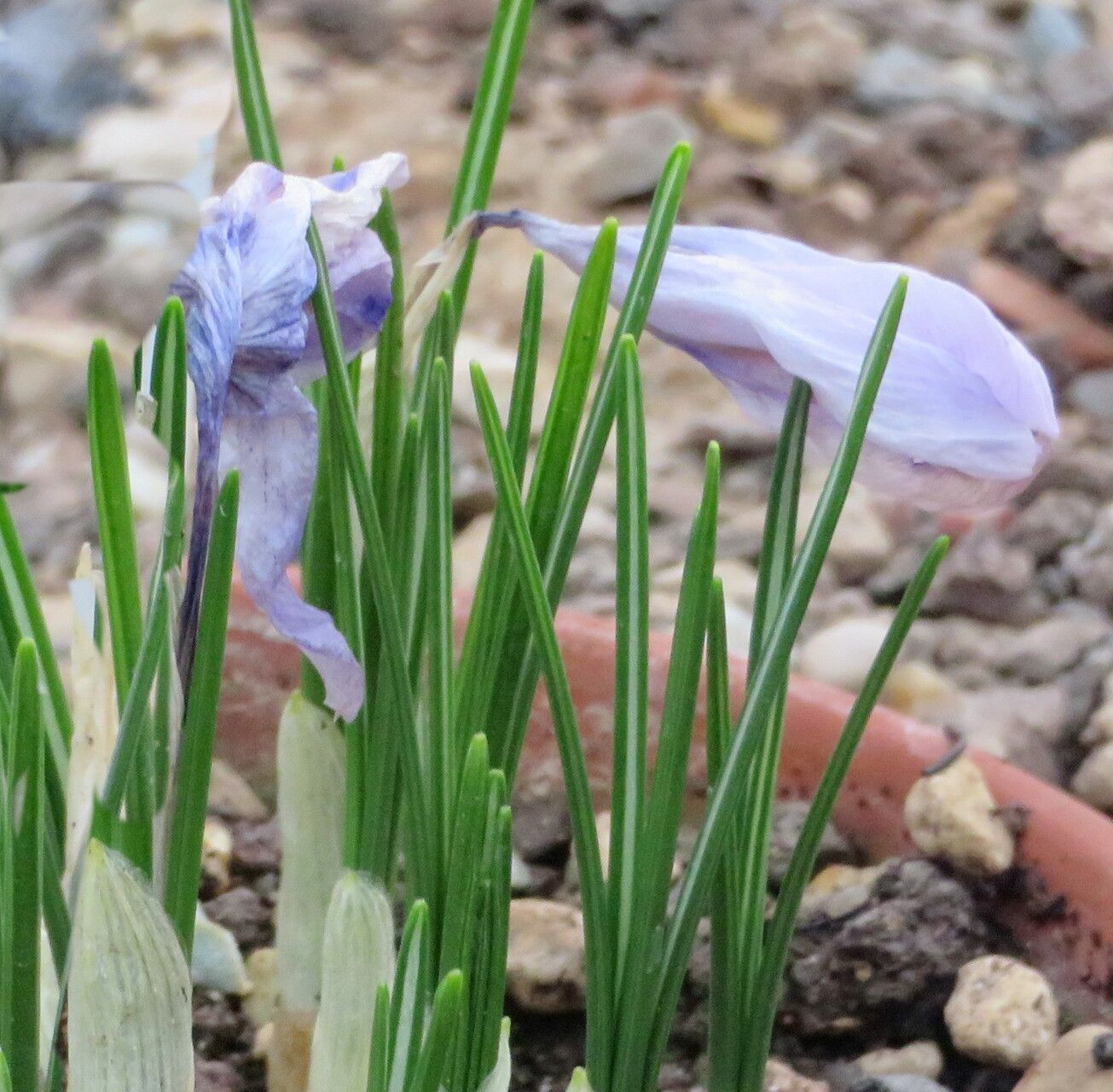
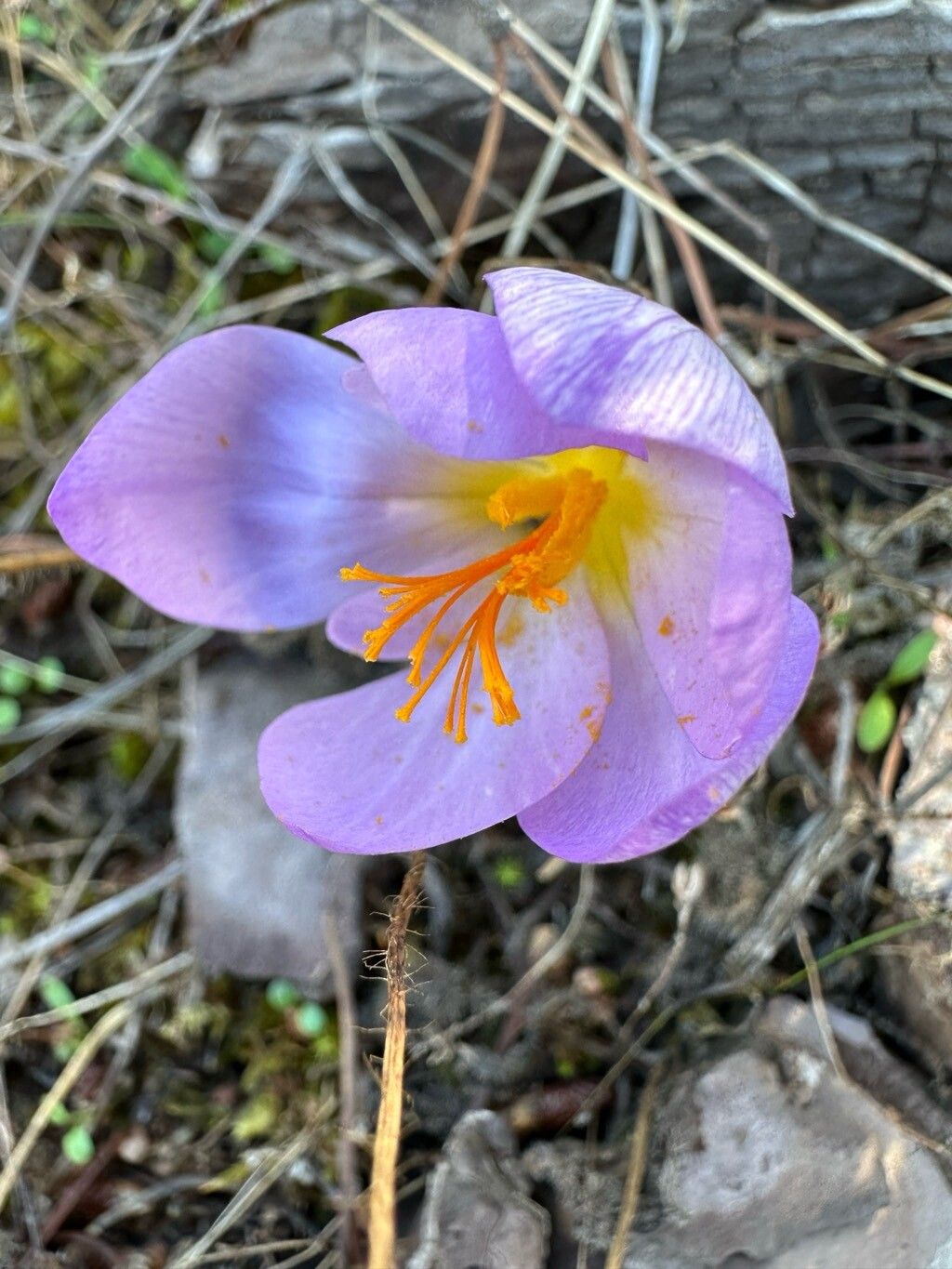
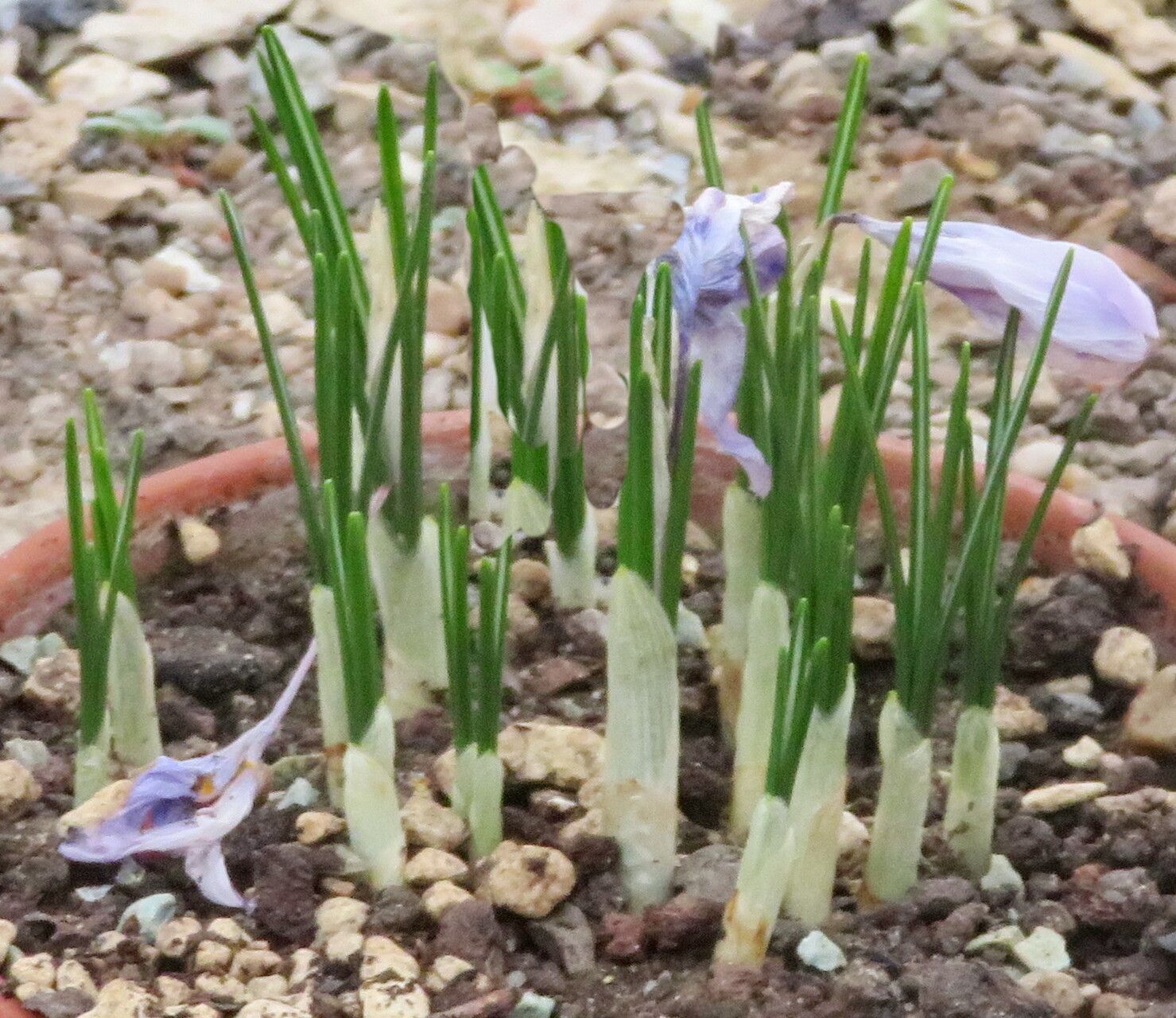
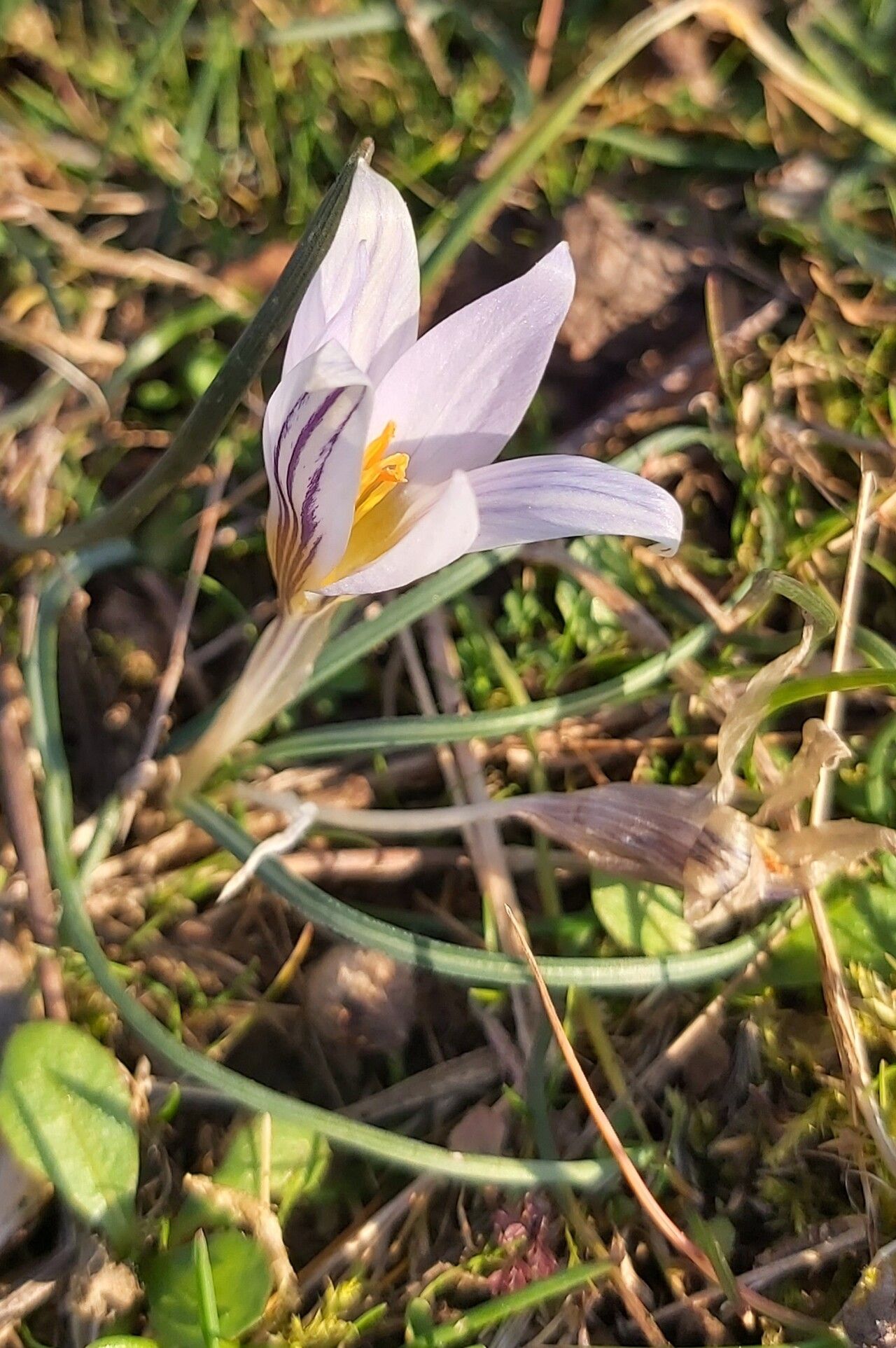
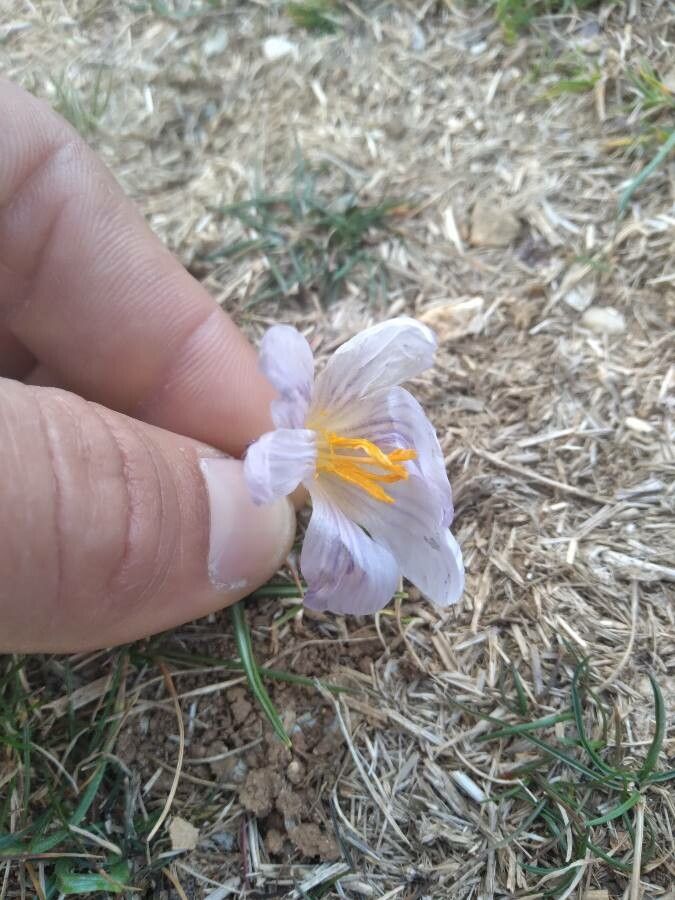
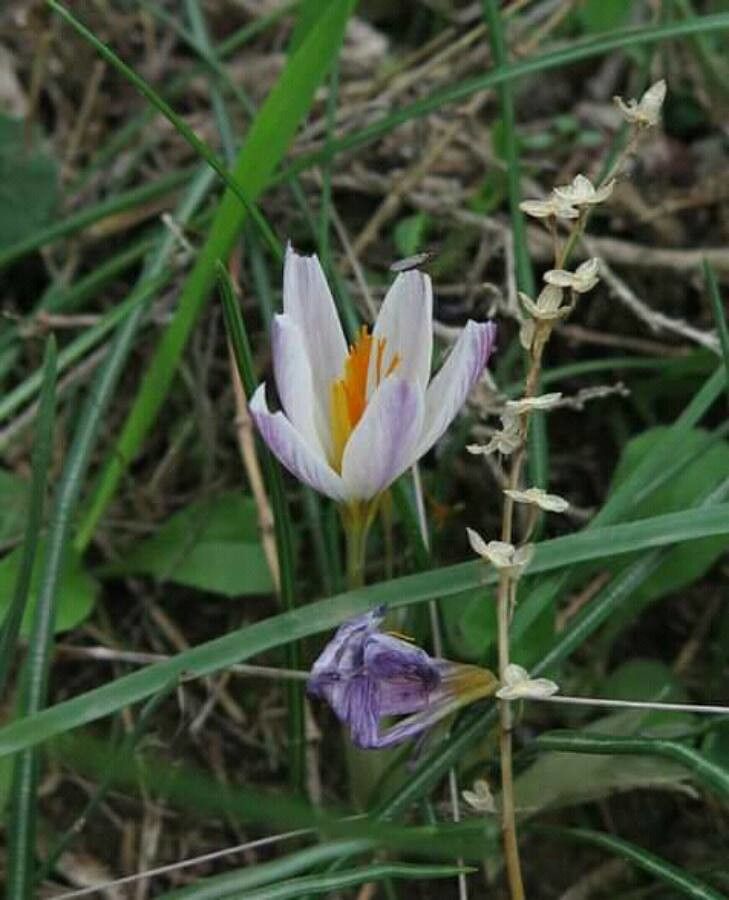
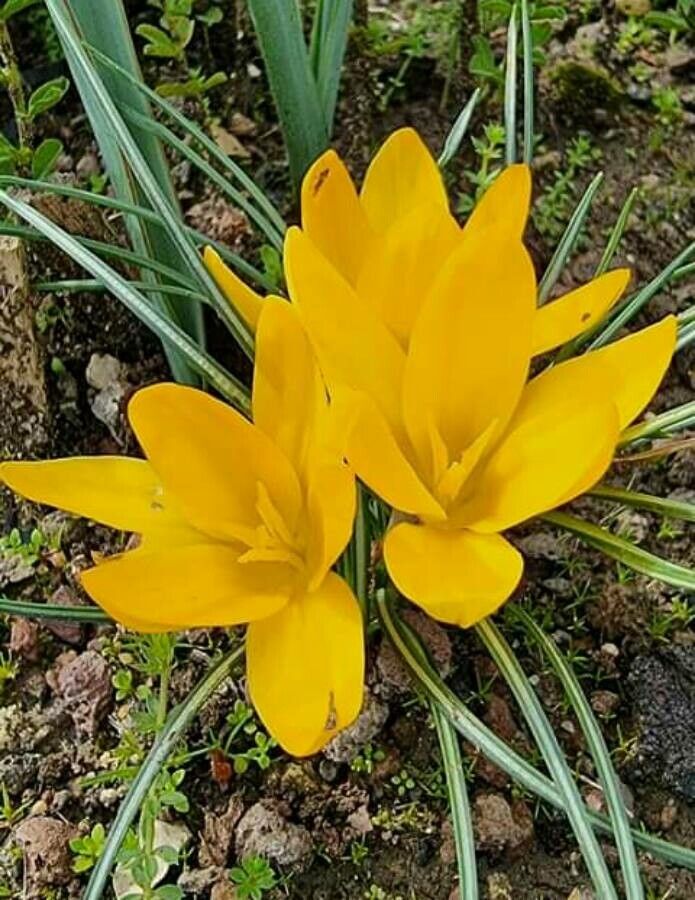
The saffron crocus has strong resistance to disease and is generally not prone to illnesses. Still, it can be vulnerable to pests and diseases present in its environment. Such infections are generally not serious. For care, this plant requires moderate maintenance. It should be pruned regularly to keep a neat appearance and support healthy growth. Fertilizing can also help encourage flowering. Saffron crocus is well suited for anyone with an outdoor area, like a garden or patio, and does not demand extensive care experience. It may need more attention when cultivated indoors.
How to keep Crocus Autumnalis.
Light
The saffron crocus requires plentiful sunlight for optimal growth, although it can still grow in somewhat shaded conditions. Excessive shade impedes its growth, while excessive sun is typically not harmful. Coming from light-rich habitats, sunlight fosters vigorous growth and flowering.
Water
Crocus autumnalis is well-suited to Mediterranean climates, where it can thrive with a watering schedule that mimics the natural pattern of wet winters and dry summers. To support its growth, it requires weekly watering. As an autumn-flowering bulb, it benefits from the seasonal rains by efficiently storing water, which helps it endure dry periods.
Temperature
The saffron crocus comes from temperate regions and thrives when temperatures range from 41 to 95 °F (5 to 35 ℃). In colder seasons, consider raising its ambient temperature into that range to sustain optimal growth.
Fertilizer
For Saffron crocus, the primary time to fertilize is early spring when the flowers are developing. The proper fertilizer promotes better blooms and helps the Saffron crocus produce attractive flowers. Fertilizing in early spring ensures good flowers during the season and supplies energy for dormant growth phases.
Pruning
Crocus autumnalis is known for its vibrant blooms and delicate structure. To promote growth and reduce the risk of disease, prune the plant in the early to late spring. This involves removing any damaged foliage and thinning out overcrowded areas. Always use sanitized tools to ensure clean cuts, which will help the plant heal optimally.
Botanical profile.
- Plant Type
- Herb
- Life Cycle
- Perennial
- Genus
- Crocus
- Family
- Iridaceae
- Hardiness Zone
- 4-10
- Mature Height
- 10 cm to 30 cm
- Mature Spread
- 10 cm
- Leaf Color
- Green
- Leaf Type
- Deciduous
- Flower Color
- Purple, Lavender
- Flower Size
- 2.54 cm to 3.05 cm
- Bloom Time
- Mid fall, Late fall
- Planting Time
- Autumn
- Harvest Time
- Late fall, Early winter
Other names.
Reader questions.
What are the sunlight requirements for Crocus autumnalis?
Crocus autumnalis, also known by its botanical name Crocus autumnalis, thrives in various sunlight conditions but requires specific amounts of sunlight to prosper. For a plant to be considered in 'full sun,' it needs above 6 hours of sunlight daily, while 'partial sun' refers to about 3-6 hours of sunlight each day. It's important to observe the movement of sunlight through your garden carefully, ensuring you select locations that offer an optimal balance of light and shade. This attention to the sunlight ensures that your Crocus autumnalis plants remain healthy and happy.