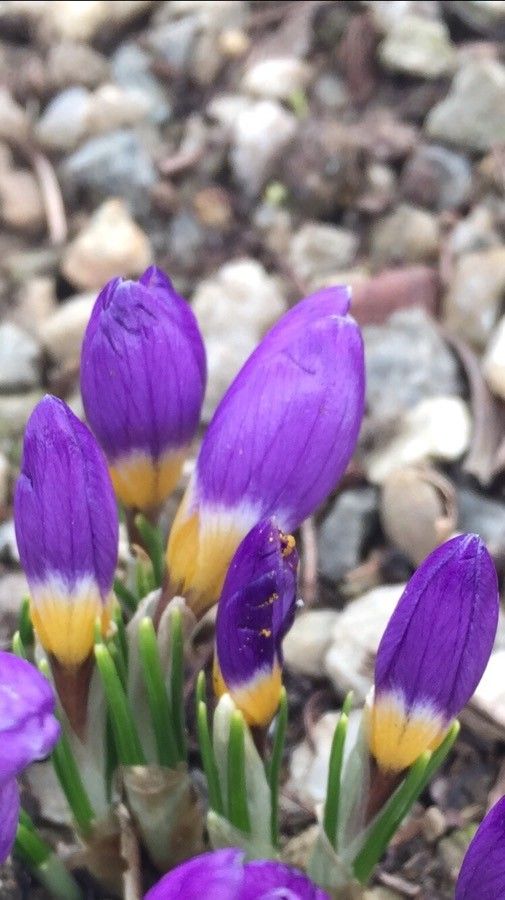
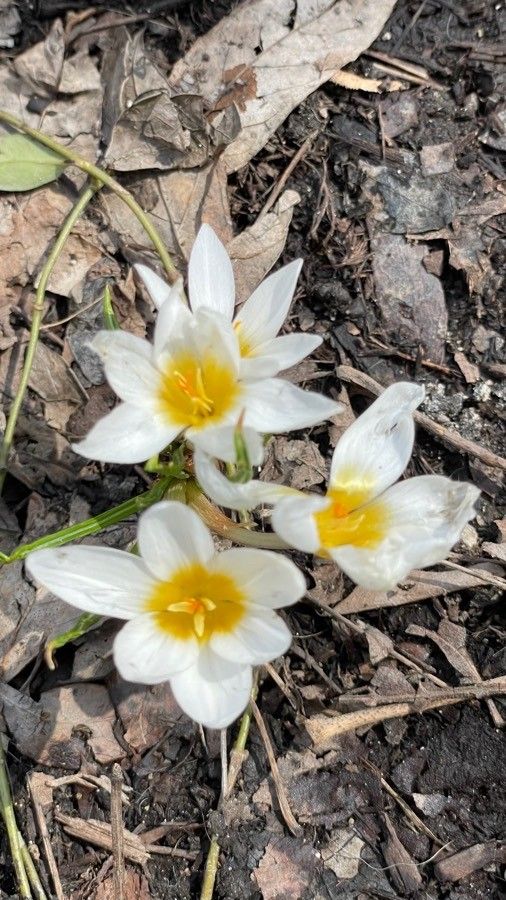
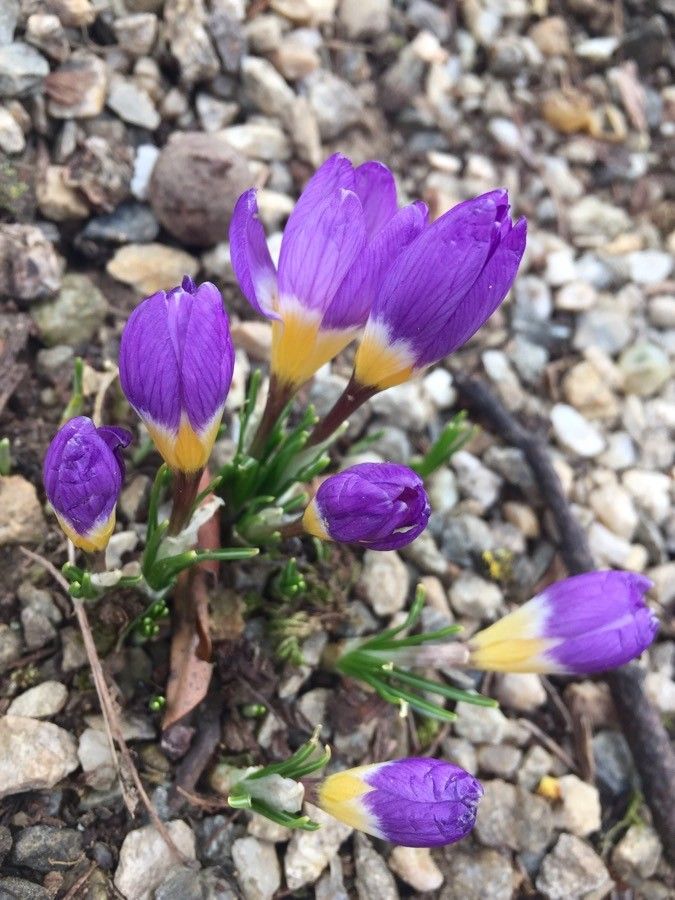
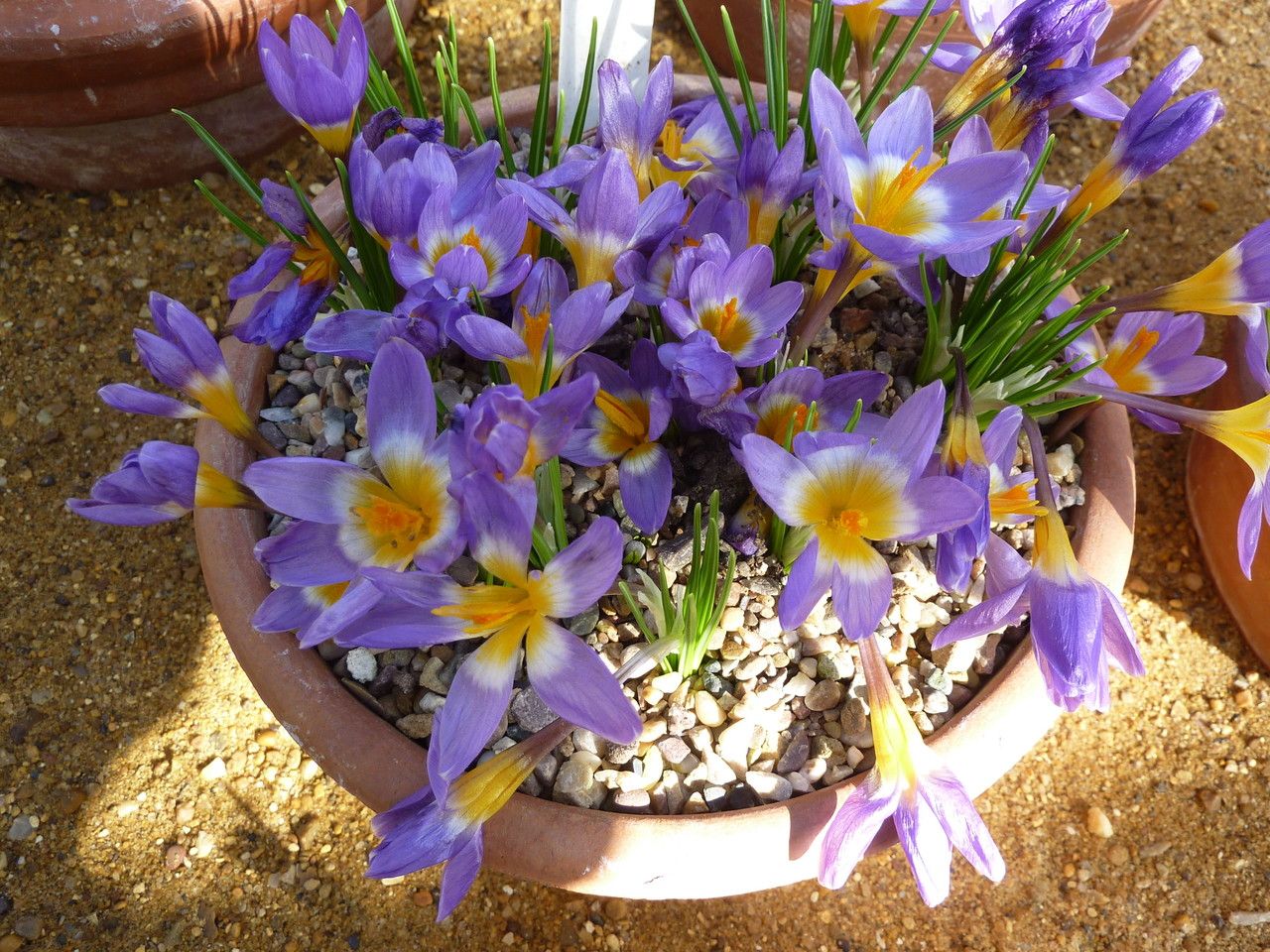
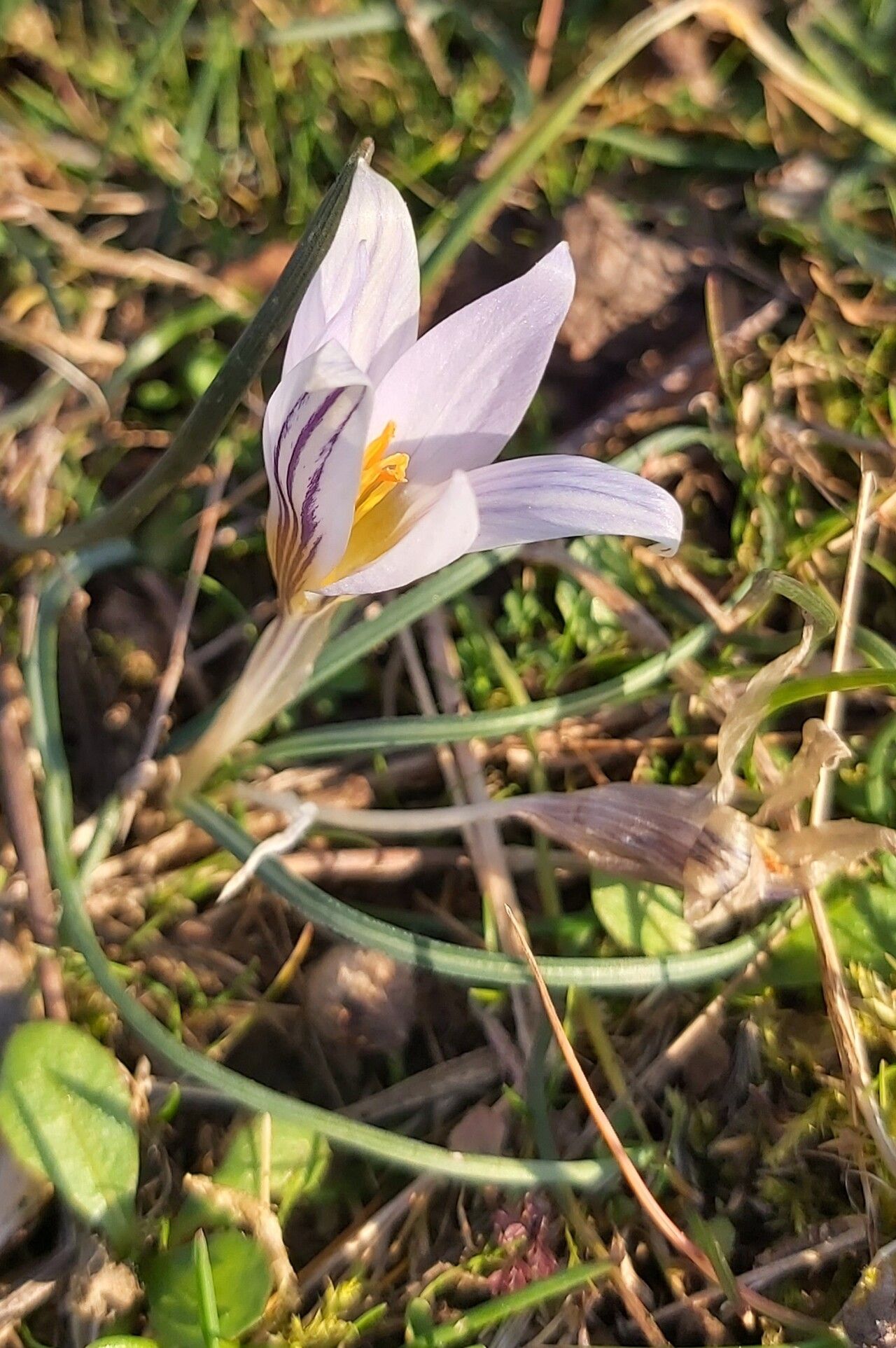
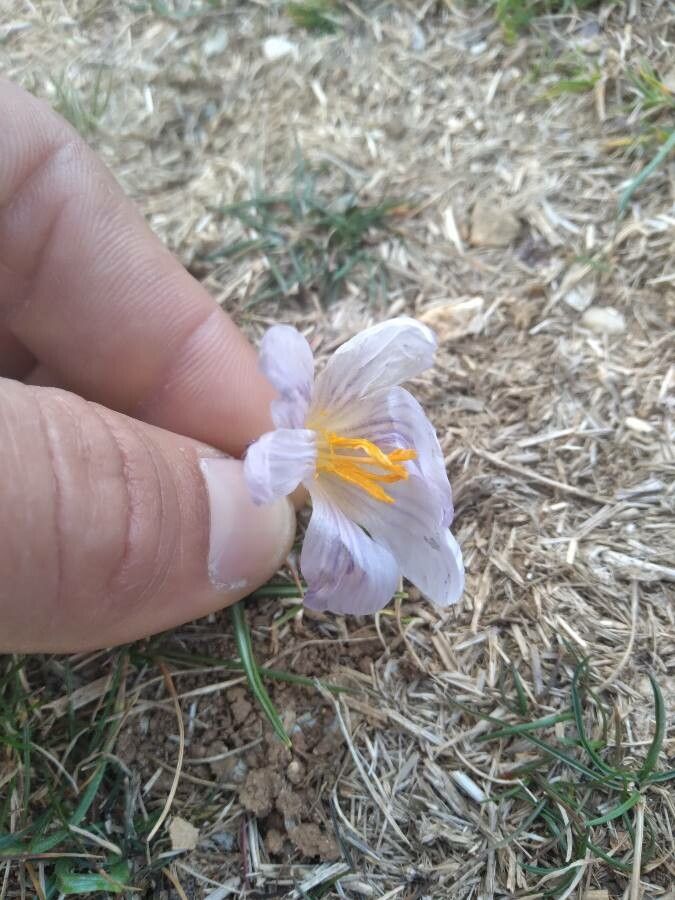
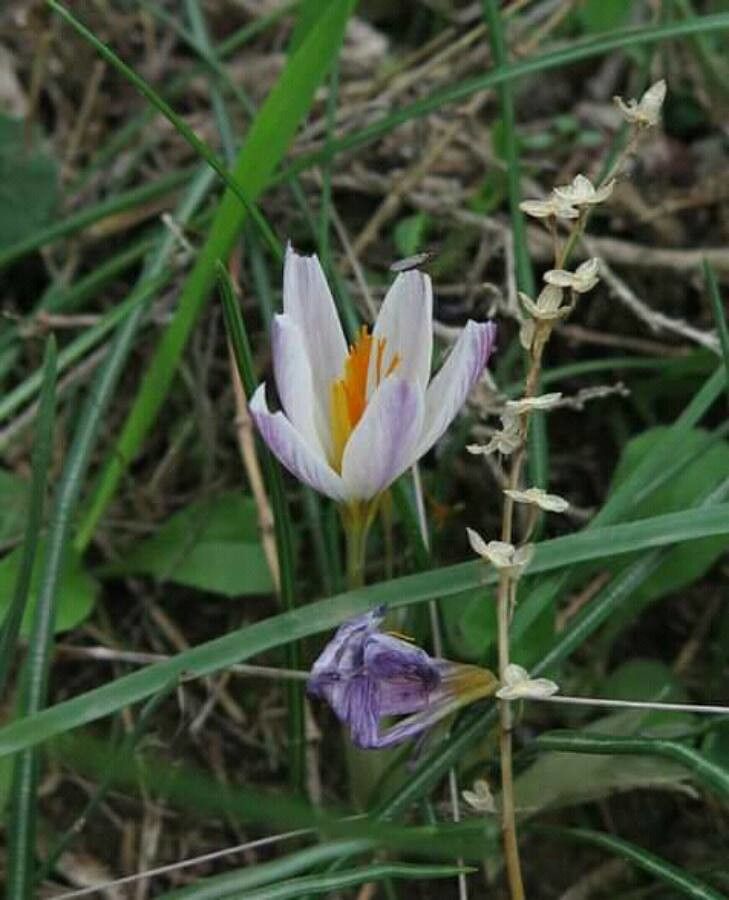
Crocus sieberi is a small, perennial plant that belongs to the family Iridaceae. Native to the Balkans and Turkey, it thrives in rocky areas, meadows, and forests. The plant features narrow leaves that can reach up to 10 cm in length and produces striking flowers that bloom in late winter or early spring. These flowers are typically purple or lilac with a yellow center, but can also appear in white or pink varieties.
Crocus sieberi is a favored ornamental plant because of its appealing flowers, often used in landscaping. It grows best in well-drained soil with moderate moisture and prefers full sun exposure, although it can also tolerate partial shade.
This plant has been utilized by traditional healers for centuries due to its anti-inflammatory properties, making it useful in treating conditions such as arthritis, gout, and rheumatism.
Overall, Crocus sieberi is a visually appealing ornamental plant with medicinal benefits, playing a significant role in traditional medicine practices.
How to keep Crocus Sieberi.
Water
Sieber's crocus is well-suited to Mediterranean conditions, where it thrives in a balance of moisture and drought. To mimic its natural environment, you should water the plant once every 1 to 2 weeks, allowing the soil to dry out in between. Typically grown outdoors, Sieber's crocus flourishes with seasonal blooming, which is influenced by these wet and dry cycles.
Fertilizer
To improve the stigma and petal size of Sieber's crocus, it is recommended to fertilize twice: once in the fall to support root development, and once again in early spring to promote leaf growth. Use a slow-release granular fertilizer with an NPK ratio of 5:10:5, mixed into 45-50 m² of soil. Be careful to avoid direct contact with the corms to prevent rotting.
Pruning
This bulbous plant features vibrant flowers and slim leaves. To maintain healthy growth and prevent disease, prune Sieber's crocus in early spring after it has finished blooming. It's important to use clean tools to avoid introducing infections. Proper pruning not only enhances the blooms but also contributes to a tidy landscape and improves the plant's overall health.
Botanical profile.
Other names.