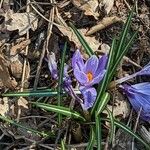
Crocus vernus
Spring crocus · Giant Dutch crocus · Ornamental Crocus · Dutch crocus · Common Crocus
Description
Source: leafsnapCrocus vernus, commonly known as the Spring Crocus, is a perennial flowering plant that belongs to the Iridaceae family. Native to Europe and Asia, it is widely cultivated for its beautiful flowers that bloom in early spring. The plant grows up to 15 cm in height and produces narrow, grass-like leaves that emerge from a corm. The flowers of Crocus vernus are cup-shaped with six petals arranged in a star-like pattern. They come in various shades of purple, blue, pink, white, or yellow, often with darker veins running through them. These flowers are usually 5-7 cm wide and appear before the leaves. Crocus vernus prefers well-drained soil with full sun exposure but can also tolerate partial shade. It can be grown as an ornamental plant in gardens or containers. Additionally, it has medicinal properties due to its high concentration of crocin – a natural pigment responsible for its vibrant color. In traditional medicine practices such as Ayurveda and Chinese medicine, Crocus vernus has been used to treat various ailments, including depression, anxiety disorders, and menstrual cramps, due to its anti-inflammatory properties. Overall, the beauty of Crocus vernus makes it an excellent addition to any garden, while its potential health benefits add further value through traditional medicinal practices.
💡 The Dutch crocus, the largest of the crocus plants, has been adorning gardens since the 18th century. As a symbol of joy and happiness, it is the perfect flower to brighten someone's mood or add a touch of cheer to their day. Unlike some flowers that might suggest a romantic interest, the Dutch crocus conveys a delightful sentiment suitable for everyone.
🌳 Beyond aesthetic appeal, dutch crocus functions as an early indicator of soil and environmental health. The presence of dutch crocus in an ecosystem can indicate a balanced soil composition suitable for other plant species. Their resilience and the timing of their bloom also make them effective phenological markers, aiding scientists in tracking climate change impacts by observing shifts in flowering times.
🎭 Affection, Visions
Care Guide
💧 Water Every 7 days
The Dutch crocus flourishes in alpine meadows, preferring consistent moisture but able to withstand short periods of dryness. To maintain a balance between drought resistance and hydration, weekly watering is beneficial. Typically grown outdoors, the Dutch crocus displays vibrant blooms in the spring when there is plenty of water to support its growth.
What should I do if I give too much or too little water to my Dutch crocus?
The Dutch crocus is prone to overwatering, which can lead to bulb rot. Symptoms of overwatering include a mushy bulb, spotted and floppy stems, droopy flowers, and a yellowed stalk. While yellow leaves at the end of blooming are normal, if they turn yellow before blooming, it is a sign of overwatering. Unfortunately, bulb rot cannot be reversed, but if caught early, you can remove the rotten parts and soil. Disinfect any tools and pots used to prevent spreading the fungus. For outdoor plants, replant them in a different location. Underwatering is less of an issue with the Dutch crocus. Signs of underwatering include no blooms, sagging and wizened stalks, and browning around the edges of flower petals. If you have underwatered your plant, don't panic. Give it a good drink without saturating the soil. However, be careful not to overwater, as extended periods in water can cause root rot and fungus growth. This can be noticed through spots on the leaves and buds, as well as discoloration and death of leaf tips.
How frequently do I need to water my Dutch crocus?
The Dutch crocus is a low-maintenance plant that can be grown in a pot or directly in the ground. However, it thrives best when planted in the sunniest and hottest area of your garden. Since it is a bulb plant, it is important to avoid overwatering during its growth phase, as this can cause the bulb to rot. After planting the Dutch crocus, water it well once and then leave it alone. This initial watering will stimulate growth, and you can wait until you see shoots appear before watering again. To ensure optimal moisture levels, check the soil after new leaves have grown. Simply insert your finger 2-3 inches below the surface; if it is still wet, there is no need to water the plant. For potted plants, also inspect the water collection tray for any standing water, as this indicates sufficient moisture. For a more precise reading, use a moisture sensor inserted 2-3 inches into the soil, aiming for a reading in the middle of the "moist" category. It is recommended to water the Dutch crocus once per week.
How should I change my watering routine for Dutch crocus in various conditions?
The Dutch crocus is a hardy plant that can withstand various harsh conditions and does not require a lot of water. When planting outdoors, you can rely on natural rainfall, but be sure to choose soil with good drainage. For potted Dutch crocus, be cautious not to overwater as bulb rot can occur. Use well-drained soil and add sand or rocks to enhance drainage. During the growing phase, water about one inch per week to promote blooming. The amount of water needed also depends on the humidity and temperature of your climate. In hot, dry climates, more frequent watering may be necessary, while in humid climates, less watering is usually sufficient. Always check the soil moisture level to ensure it is not too wet as the plants prefer moist, well-drained soil.
☀️ Light Full sun
Dutch crocuses require substantial sunlight for healthy growth. While they can tolerate slight shade, their native habitat with abundant sunshine supports optimal development. Their need for sunlight stays the same throughout their life cycle. Excessive sun exposure or very deep shading can negatively affect their growth.
What are the sunlight requirements for growing Dutch Crocus?
Dutch crocus thrives in a range of sunlight conditions, requiring full sun for more than 6 hours of sunlight a day or partial sun with about 3-6 hours of sunlight. It's essential to watch how sunlight moves through your garden to find spots that offer the perfect balance for your Dutch crocus, ensuring its growth and happiness.
What essentials are necessary for the healthy growth of Dutch Crocus?
Substantial exposure to sunlight is crucial for the healthy growth of Dutch crocus. While they can manage in slightly shaded conditions, ample sunlight promotes optimal growth. Constant throughout its lifecycle, either overexposure to sunlight or extreme shading can negatively impact the plant’s development. In cases where natural sunlight is insufficient, such as indoor environments, artificial lighting can substitute to promote faster, healthier growth. For instance, LED lights custom to provide specific wavelengths beneficial for the plant can be used, with different intensities recommended based on the plants’ natural sunlight needs.
What are the indications of insufficient sunlight for Dutch Crocus?
Symptoms of insufficient sunlight in Dutch crocus include lighter-colored new leaves, indicating a lack of chlorophyll, potential adverse effects on flowering and fruiting, leggy or sparse growth showing thin and stretched-out appearance, chlorosis leading to yellowing leaves, sunscald characterized by damaged leaves or stems, leaf curling to reduce surface area exposed to sunlight, wilting due to increased water loss, and leaf scorching seen as brown, dry edges on leaves. These symptoms showcase the negative impacts of not meeting the Dutch crocus’ sunlight needs.
How can you address sunlight-related issues for Dutch Crocus?
Addressing sunlight-related issues for Dutch crocus involves ensuring they receive at least 6 hours of direct sunlight daily, using south-facing windows or additional artificial lighting for indoor plants. Gradual relocation to sunnier spots is recommended for outdoor plants to prevent sunburn. Minimizing obstructions such as pruning trees can help increase sunlight exposure. For smaller plants, transplanting during their dormant period to a sunny location with good drainage is also beneficial. Note, while parts of the plant that suffered from insufficient light might not recover, new growth should be healthy with improved light conditions.
🌡️ Temperature 10–35°C
The dutch crocus favors cool to cold conditions, with a native habitat averaging 10 to 35 ℉ (-12 to 2 ℃). During the growing season it thrives where temperatures range from 45 to 65 ℉ (7 to 18 ℃) and becomes dormant when temperatures exceed 70 ℉ (21 ℃). In winter, the plant prefers 35 to 45 ℉ (2 to 7 ℃) to promote proper growth and spring blooming.
What is the ideal growing environment for the Dutch Crocus?
The Dutch Crocus (Crocus vernus) thrives in a cool to cold environment, favoring regions with average temperatures ranging from 45 to 65°F (7 to 18°C) during its growing season. It goes dormant when temperatures exceed 70°F (21°C). To ensure proper growth and blooming in spring, it prefers winter temperatures between 35 to 45°F (2 to 7°C). Due to its strong cold resistance, the Dutch Crocus usually doesn't require special frost protection measures. However, if temperatures are forecasted to drop below the plant's growth temperature limit, providing cold protection with soil or straw cover is advisable. Abundant watering before the first freeze of autumn is recommended to keep the soil moist and prevent winter and early spring drought.
How does low temperature affect the Dutch Crocus, and what are the solutions?
The Dutch Crocus is highly tolerant of cold temperatures and performs best when kept above its minimum suitable growth temperature during winter. It should remain above a tolerable growing temperature minimum to avoid negative impacts. Falling below the growth temperature limit might not show immediate changes during winter, but it can lead to decreased sprouting or a lack of it in spring. The primary solution for sprouts that fail to emerge in spring due to low temperature is to remove the parts that didn't sprout.
What are the effects of high temperature on the Dutch Crocus and how to mitigate them?
During summer, it's crucial to keep the Dutch Crocus below its maximum suitable growth temperature. Exceeding the tolerable growing temperature maximum can result in the leaves becoming lighter in color, curling, prone to sunburn, and in severe cases, the plant may wilt and dry up. To mitigate these issues, trim away sunburned and dried parts of the plant. Relocating the plant to a shaded location away from midday and afternoon sun or using a shade cloth can be effective. Additionally, watering the plant in the morning and evening helps maintain sufficient soil moisture.
💨 Humidity normal (40-60%)
This plant will thrive in moderate humidity, which is probably the level in your home. However, misting it a few times a week can be very beneficial. Make sure the room has good ventilation.
🪴 Soil 6-7
🌱 Fertilizer
The best time to fertilize a Dutch crocus is in early spring, when the plant comes out of dormancy and starts active growth. Fertilizing supplies the essential nutrients needed for healthy growth. Although Dutch crocus has relatively low fertilization needs, applying fertilizer annually can improve its chances of survival and encourage better, longer-lasting flowers.
Why should I put fertilizer on my Dutch crocus?
Fertilization is important for the Dutch crocus because it provides nutrients for both above and below ground growth. Though the Dutch crocus generally has low fertilization needs and can survive without it, annual fertilization can greatly benefit the plant by promoting its survival and enhancing the quality of its flowers. Thus, to ensure their Dutch crocus looks its best, gardeners should prioritize annual fertilization.
When should I put fertilizer on my Dutch crocus?
The best time to fertilize a Dutch crocus is during the late winter to early spring when it is transitioning from dormant to active growth. Fertilizing at this time will promote healthy growth and give the plant a great start for the season. While early spring is generally the most beneficial, fall is also an acceptable time to fertilize. However, it is not recommended to feed a Dutch crocus during the summer or winter seasons.
When is it better to not add fertilizer to my Dutch crocus?
To ensure proper fertilization for your Dutch crocus, it is recommended to only feed it during late winter and early spring. This plant has minimal fertilization needs and a single annual feeding is sufficient. Avoid fertilizing during spring, summer, and fall as it could easily result in overfertilization and its associated complications. The only exception is if you skipped fertilizing in spring, in which case it is permissible to feed the plant in the fall. Additionally, there is no need to fertilize during the winter when the Dutch crocus is in a dormant growth phase and does not produce new growth. Therefore, fertilization during most of the winter is not advisable.
What kind of fertilizer does my Dutch crocus require?
To help your Dutch crocus thrive, a general-purpose fertilizer with all three main plant nutrients is usually sufficient. However, specific nutrient blends can provide even better results. Many gardeners believe that a higher phosphorus content promotes stronger roots and improved flower growth, making it an ideal choice for a flowering plant like the Dutch crocus. Whether in granular or liquid form, as long as the fertilizer is nutrient-rich, it will work well. In addition to manufactured fertilizers, organic options like compost and manure can greatly benefit the soil and create a healthy environment for your Dutch crocus to grow.
How do I make my Dutch crocus grow better?
To fertilize a Dutch crocus, the most common method is to use a granular or pellet fertilizer applied around the plant. Remember to fertilize when the plant is transitioning from dormancy to active growth in early spring. Wait until shoots emerge from the soil and then apply the fertilizer. A liquid fertilizer can be an alternative, but it should be diluted with water before use. Regardless of the fertilizer type, it is important to moisten the soil before, during, and after application.
🪴 Pot & Repot Every 12 months
Repot Dutch crocus in early spring. Choose a pot that is wider than it is deep and provides good drainage. Use a loamy, well-draining potting mix enriched with compost. Gently remove old soil from the bulb and plant it at a depth equal to the bulb’s height. Water thoroughly after repotting and place the pot in a sunny spot. Avoid overwatering to prevent the bulb from rotting.
✂️ Pruning
The Dutch crocus is known for its vibrant spring blooms. After the flowers have finished blooming, it's important to prune the plant to strengthen the bulbs and get rid of any damaged leaves. However, be careful not to cut the green leaves, as they store energy for the plant's future growth. Regular pruning promotes stronger blooms and improves the plant's overall health. For more detailed information, refer to reputable horticultural resources.
🌿 Propagating
🐛 Diseases & pets
☠️ Toxicity
While Spring crocus plants are not considered toxic, ingesting large quantities can still cause stomach upset, drooling, diarrhea, and vomiting. It’s best to keep these plans out of the reach of children and pets.
Characteristics
- Plant Type
- Herb
- Life Cycle
- Perennial
- Genus
- Crocus
- Family
- Iridaceae
- Hardiness Zone
- 6-9
- Mature Height
- 10 cm to 15 cm
- Mature Spread
- 5 cm
- Leaf Color
- Green
- Leaf Type
- Deciduous
- Flower Color
- Purple, White, Yellow
- Flower Size
- 2.54 cm to 5.08 cm
- Bloom Time
- Early spring, Mid spring
- Planting Time
- Autumn, Winter, Spring
- Harvest Time
- Mid spring, Late spring
- Native Area
- Germany, Austria, Italy, Spain, Switzerland, Czech Republic, Slovakia, Albania, Hungary, Croatia, Slovenia, France