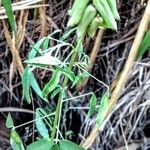
Crotalaria juncea
Indian-hemp · Madras-hemp · Sunn crotalaria · Sunn-hemp · Sann-hemp
Description
Source: leafsnapCrotalaria juncea, known as brown hemp, Indian hemp, Madras hemp, or sunn hemp, is a tropical Asian plant of the legume family (Fabaceae). It is generally considered to have originated in India.It is now widely grown throughout the tropics and subtropics as a source of green manure, fodder and lignified fiber obtained from its stem. Sunn hemp is also being looked at as a possible bio-fuel. It can be an invasive weed and has been listed as a noxious weed in some jurisdictions.It bears yellow flowers and elongate, alternate leaves.
Care Guide
💧 Water
Sunn hemp, a plant native to tropical regions, flourishes in consistently warm and moist environments. It benefits from weekly watering to maintain the necessary humidity but also shows moderate resistance to drought. Typically grown outdoors under full sunlight, sunn hemp is often used as a green manure crop to improve soil structure and fertility.
How should I water my Sunn hemp plant?
To water Sunn hemp, you have several options. You can use a garden hose with a spray nozzle, a watering can, or any common watering tool you have. Sunn hemp is not too particular about the source of water, whether it's rainwater, tap water, or filtered water. However, it's best to avoid watering this plant from above, as it can harm the leaves and flowers and potentially cause disease. A drip irrigation system is often the optimal method for watering Sunn hemp, as it ensures even and direct application of water to the soil. For container-grown Sunn hemp, the watering approach is similar, but you can use a cup, watering can, or tap to target the soil directly.
What should I do if I give my Sunn hemp plant too much or too little water?
If you notice that your Sunn hemp plant is lacking moisture, the solution is simple: start watering it more regularly. However, overwatering can be much more serious. It can lead to diseases that cause the plant to decline and die. To prevent this, choose a growing location with plenty of sunlight and good drainage to avoid waterlogged soil. If you have overwatered a potted Sunn hemp plant, consider transferring it to a new pot with loose soil and efficient drainage.
How often do I need to water my Sunn hemp?
To ensure the health of your Sunn hemp plant, it is important to provide regular water throughout the growing season. In the spring, watering once per week should suffice. However, as the weather gets warmer, you may need to increase the frequency to two to three times per week. It is crucial to avoid overwatering, as this can harm the plant. Regardless of how often you water, make sure the soil remains moist but not waterlogged. If your Sunn hemp is in a pot, it will require more frequent watering compared to plants in the ground. Typically, watering a container-grown Sunn hemp a few times per week will be necessary, whereas an in-ground plant can be watered only once per week.
How much water does my Sunn hemp require?
Determining how much water to give your Sunn hemp can be approached in a few different ways. Some gardeners prefer to assess soil moisture by feeling the soil, suggesting that watering should continue until the top six inches of soil are moist. Another method involves using a specific measurement, like about two gallons per week, depending on factors such as heat and soil drying speed. However, it's important to consider that strict guidelines may result in overwatering if the plant requires less water. When growing Sunn hemp in a container, a different method is needed. You should water enough to moisten all dry soil layers, which can be checked by feeling the soil or observing a slight trickle of excess water from drainage holes.
How do I know if I'm watering my Sunn hemp enough?
Avoiding overwatering your Sunn hemp can be somewhat difficult, as they have deep roots that need to be moistened weekly. However, Sunn hemp is highly susceptible to root rot and may experience browning if overwatered. On the other hand, underwatering is less likely as these plants can survive for a while without supplemental watering. However, if you go too long without watering, the plant will start to wilt and you may notice dry leaves.
☀️ Light Full sun
Sunn hemp needs a spot that receives plenty of daylight to grow vigorously. Insufficient light can impede its development, while excessive exposure may result in plant stress. Native to tropical regions, it is adapted to flourish under abundant sunlight.
What does Sunn hemp require to grow robustly?
Sunn hemp craves locations that catch significant amounts of the day's natural light for robust growth. It thrives well under plentiful sunlight exposure, owing to its tropical origins. The plant requires above 6 hours of sunlight; however, too little light might hinder its growth, while an overly exposed condition may lead to plant stress. Additionally, for indoor plants, especially in less sunny spaces or during winter, artificial lighting can offer a vital solution by promoting faster, healthier growth. LED lights are particularly recommended for their ability to provide specific wavelengths needed by plants.
What are the common symptoms of inadequate lighting in Sunn hemp?
When Sunn hemp is cultivated indoors with inadequate light, it may exhibit symptoms such as smaller new leaves, leggy or sparse growth, faster leaf drop, lighter-colored new leaves, and slower or no new growth at all. Other symptoms include chlorosis or yellowing of leaves due to the breakdown of chlorophyll, sunscald exhibited by pale, bleached areas on the plant, leaf curling as a defense mechanism to reduce sunlight exposure, wilting due to loss of turgor pressure from overexposure to sunlight, and leaf scorching characterized by brown, dry edges on the leaves.
How can I address insufficient sunlight for my Sunn hemp?
To address insufficient sunlight for your Sunn hemp, gradually move plants to a location that receives at least 6 hours of direct sunlight daily. For indoor plants that are large or not easily movable, consider using artificial light, keeping a lamp on for at least 8 hours daily or investing in professional plant grow lights. Outdoors, move your plants gradually to avoid sunburn. Reducing obstructions can also help; for instance, prune trees blocking sunlight. For smaller plants, consider transplanting during the plant's dormant period to a location with ample sunlight and good drainage.
🌡️ Temperature 20–37.8°C
Sunn hemp is native to regions where temperatures typically range from 68 to 100 °F (20 to 38 ℃). It favours warmer areas and can acclimatize to seasonal fluctuations provided conditions remain within its comfortable temperature range.
What is the native temperature range for Sunn Hemp?
Sunn hemp is native to regions where the typical temperature range is between 68 to 100°F (20 to 38°C). It thrives in areas that maintain higher temperatures and can adapt to seasonal changes as long as the temperatures stay within this comfortable range. Sunn hemp loves heat, and exposure to cold can be damaging. It's advised to bring Sunn hemp grown outdoors inside during the fall, placing it near a bright window, but away from direct heat sources, to maintain an optimal growth temperature above 20°C. Temperatures nearing 5°C can be harmful to the plant.
How does low temperature affect Sunn Hemp and what are the solutions?
Sunn hemp prefers warm environments and does not tolerate low temperatures effectively. Optimal growth occurs when the temperature remains above 20°C, continuing through the winter with temperatures kept above 5°C. Exposure to temperatures below 1°C may result in leaves lightening in color. Following frost damage, leaves can turn brown or black, and the plant may show signs of wilting and drooping. To remedy this, it's important to trim off the frost-damaged parts and move the plant indoors to a warm location. Placing it near a south-facing window while avoiding proximity to heaters or air conditioning vents will prevent air dryness and promote recovery.
How should Sunn Hemp be cared for in high temperatures?
During the warmer months, it's crucial to ensure Sunn hemp's temperature does not exceed 100°F (38°C). In instances where temperatures soar above 109°F (43°C), the plant's leaves may lighten, increasing susceptibility to sunburn. Addressing sunburn involves trimming the sun-damaged parts of the plant and relocating it to a spot with afternoon and midday shade to protect it. Additionally, watering the plant in the morning and evening helps maintain soil moisture, which is vital during high-temperature conditions.
💨 Humidity
🪴 Soil 6-7
🌱 Fertilizer
When most of Sunn hemp's flowers have opened fully, resume fertilizing. At peak bloom, apply fertilizer every three to four weeks, weather permitting. Once the plant begins producing fewer new flowers, stop fertilizing, since there's no need to feed it when it can no longer produce more blooms.
🪴 Pot & Repot
✂️ Pruning
Sunn hemp is a fast-growing plant that fixes nitrogen in the soil and benefits from pruning in early to late spring. To promote bushier foliage and better blooming, trim any dead branches and excessive growth. Be sure to sterilize your pruning tools to prevent the spread of diseases. For more detailed care instructions, consult your local agricultural extension office.
🌿 Propagating
🐛 Diseases & pets
☠️ Toxicity
Characteristics
- Plant Type
- Herb
- Life Cycle
- Annual
- Genus
- Crotalaria
- Family
- Fabaceae
- Hardiness Zone
- 10-12
- Mature Height
- 49 cm to 91 cm
- Mature Spread
- 2.13 m
- Leaf Color
- Green
- Leaf Type
- Deciduous
- Flower Color
- Yellow
- Flower Size
- 30.48 cm
- Bloom Time
- Summer, Early fall, Mid fall
- Planting Time
- Spring, Summer, Autumn
- Harvest Time
- Late summer, Fall, Early winter
- Native Area
- Sri Lanka, India, Malaysia, Indonesia, Myanmar, Singapore