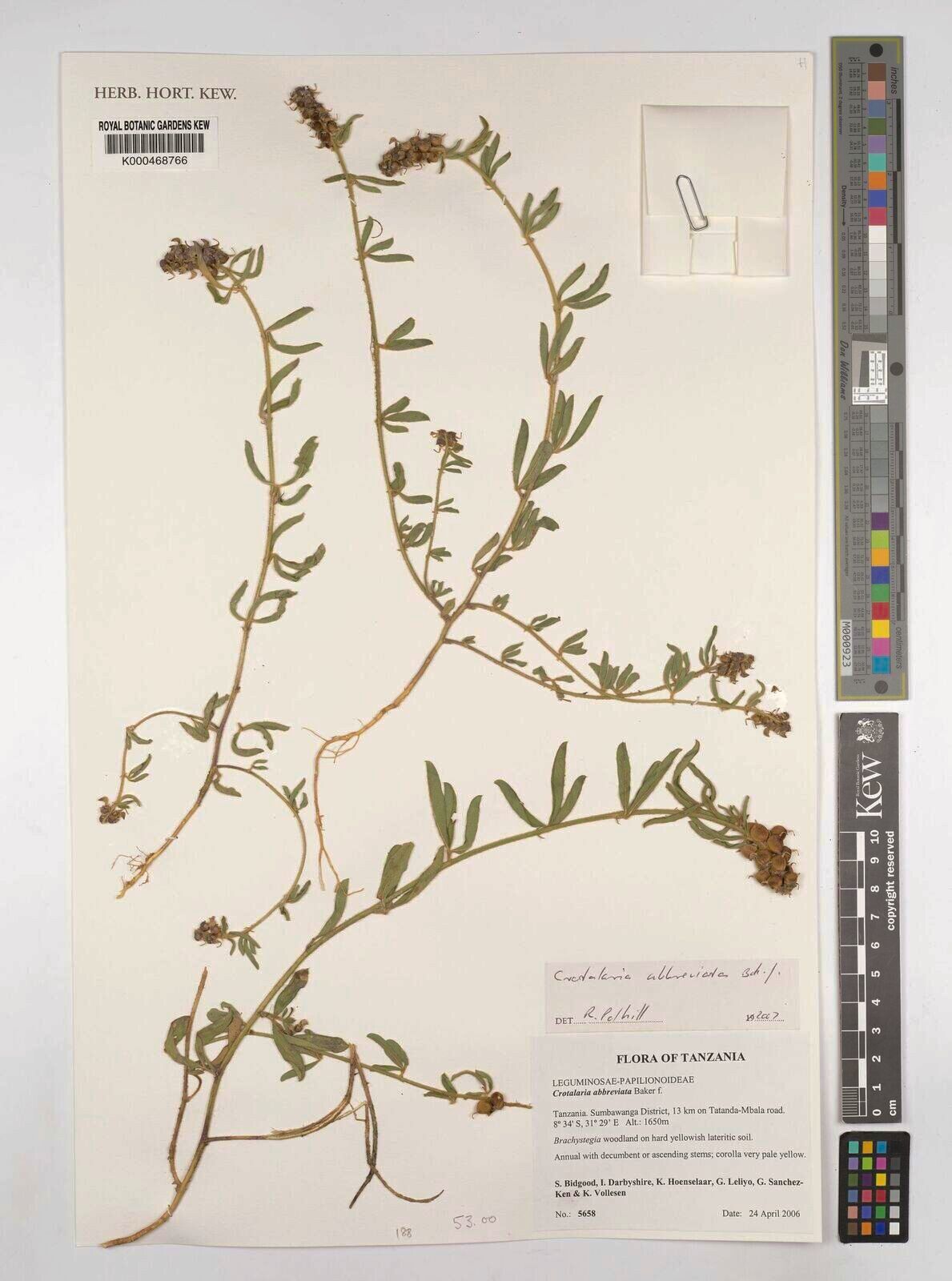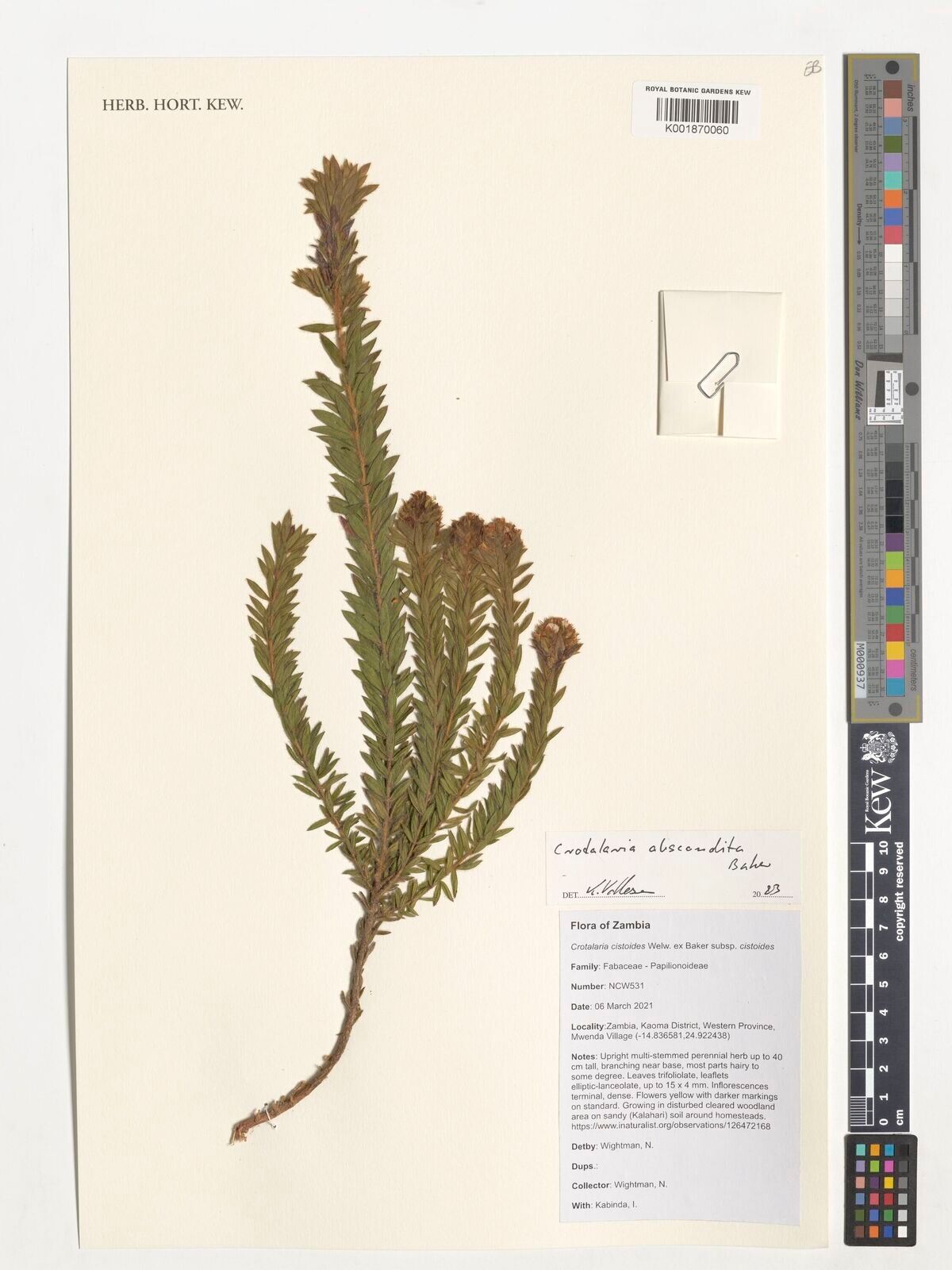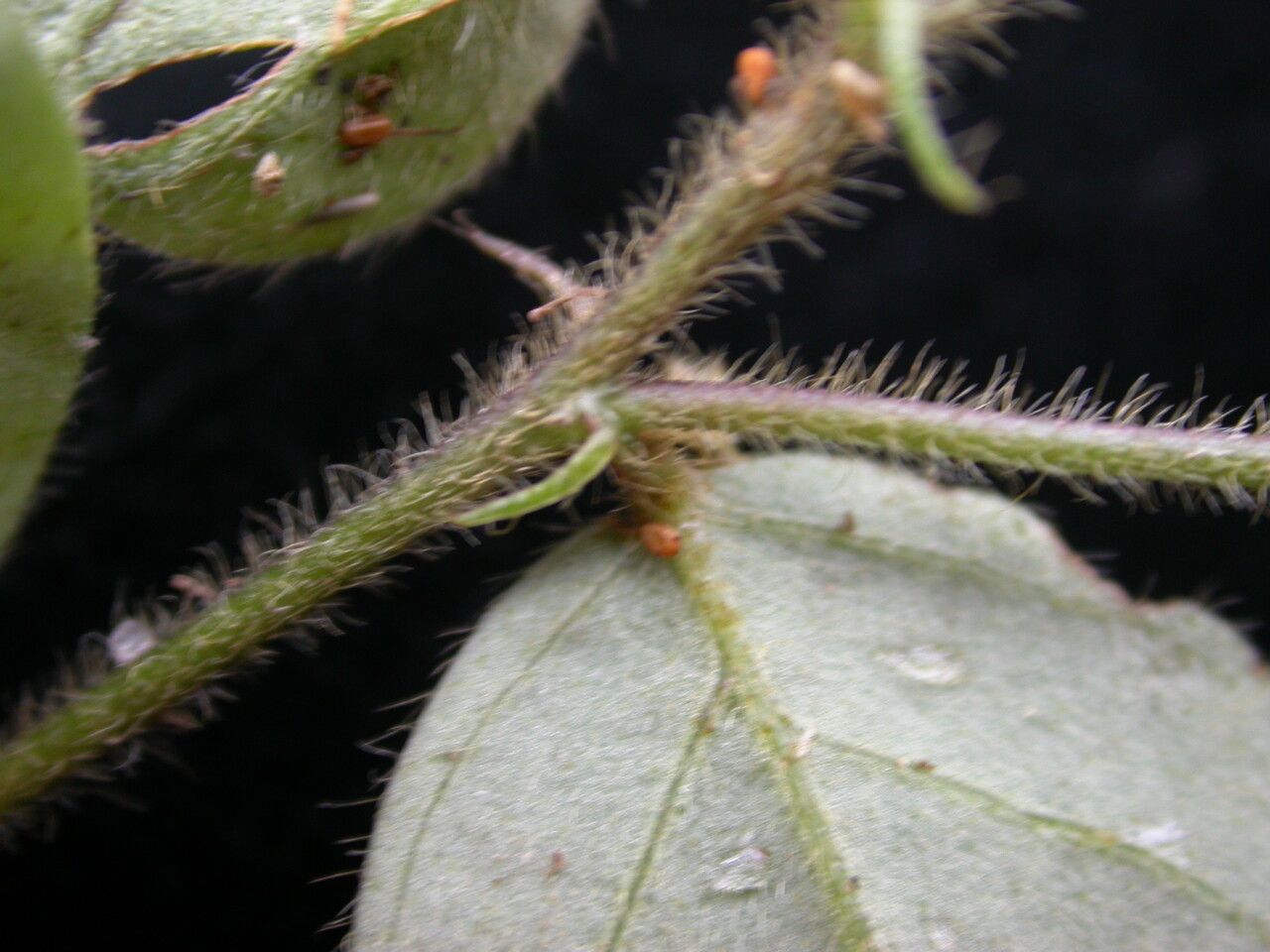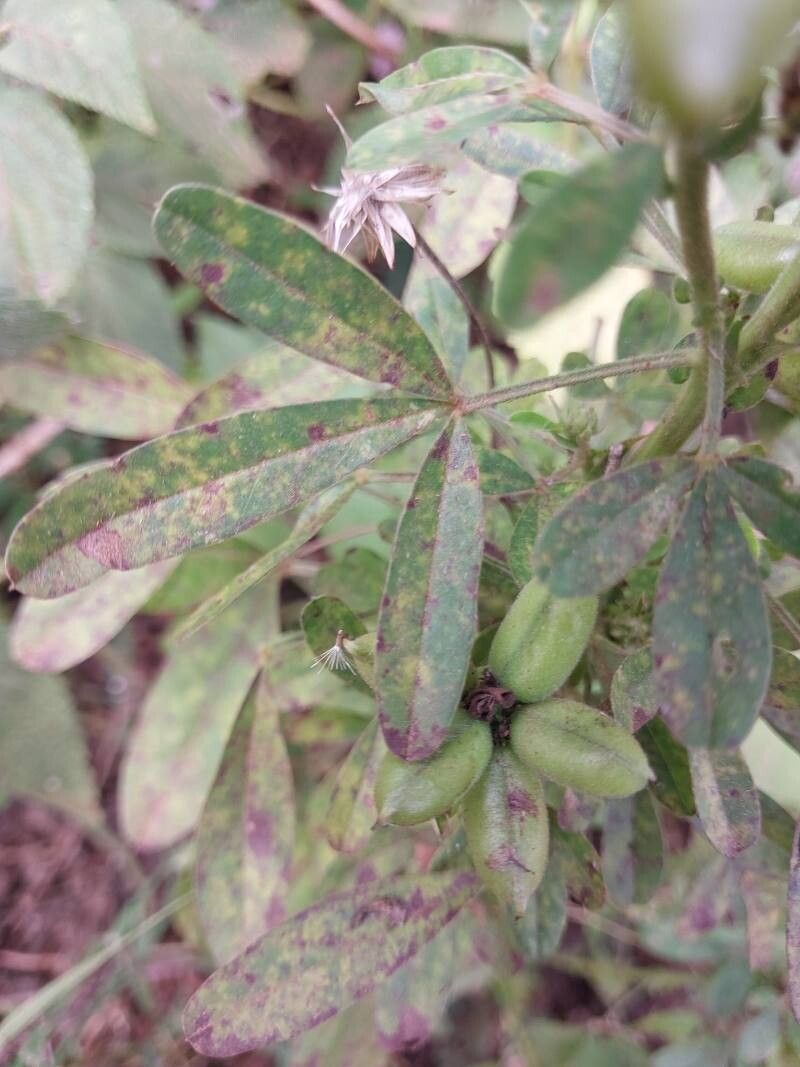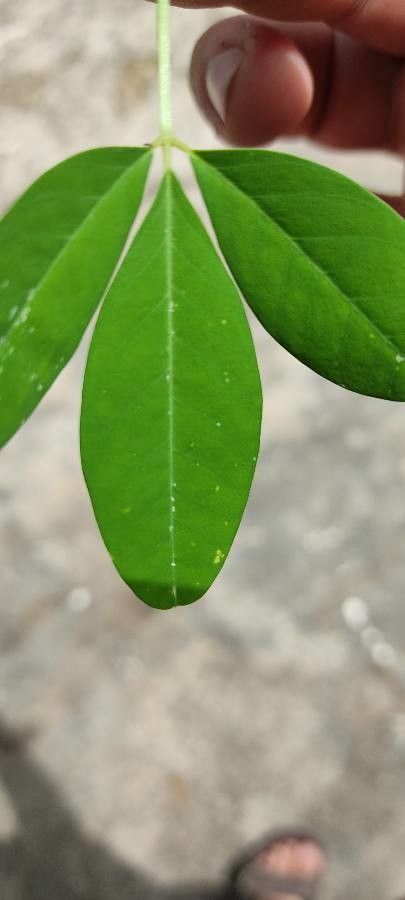
Crotalaria longirostrata, the chipilín, is a perennial legume that is native to Mexico and Central America. Other common names include chepil, chepilin, chipilin and longbeak rattlebox.
Chipilín has moderate resistance to disease but can be vulnerable to ailments like leaf spot. Its vulnerability to insect pests differs by variety, though most cultivars are less resistant to pests. Regarding care, Chipilín requires regular watering and fertilizing, along with frequent pruning of yellowing leaves. Pests and diseases should be managed as they appear, and the plant should be harvested promptly. Chipilín is appropriate for people who can invest some time and energy in routine care.
How to keep Crotalaria Longirostrata.
Light
Chipilín is native to places with abundant sunlight, like open fields and sunlit meadows. It favors full sun but can also tolerate partial sun.
Water
Chipilín thrives in tropical environments and prefers soil that is consistently moist. To prevent waterlogging, it should be watered twice a week. This evergreen plant is often grown outdoors and relies on adequate moisture to maintain its foliage throughout the year.
Temperature
Chipilín prefers moderate temperatures, similar to the range most people find comfortable. It grows best when conditions are not excessively hot or cold. The primary concern with high heat is the danger of sunburn, so providing some shade in summer is recommended to avoid overheating. When temperatures decline, Chipilín goes dormant. To maintain continuous growth, warmer conditions need to be kept through the winter. Frost can injure the plant and should be avoided.
Fertilizer
To maximize yield, Chipilín does best with regular applications of a balanced fertilizer, particularly formulas higher in nitrogen. Apply fertilizer before planting, at the time of planting, and again when seedlings are about 2 inches tall. Adding compost or manure also supplies nutrients continuously. Too few nutrients in the soil cause underdeveloped leaves and stems, thin stems, inferior flavors, and possibly a bitter taste.
Pruning
Chipilín is known for its vibrant yellow flowers and rapid growth. To keep your plant healthy and looking its best, start by pruning it in early spring. This will help remove any dead branches and improve air circulation. Regular light pruning throughout the growing season will encourage denser foliage and more blooms. It's also important to manage Chipilín's vigorous growth to prevent it from becoming invasive. By doing so, you can maintain a more manageable and visually appealing plant.
Botanical profile.
- Plant Type
- Tree, Shrub
- Life Cycle
- Perennial
- Genus
- Crotalaria
- Family
- Fabaceae
- Hardiness Zone
- 6-11
- Mature Height
- 1.52 m
- Mature Spread
- 49 cm to 91 cm
- Leaf Color
- Green
- Leaf Type
- Semi-evergreen
- Flower Color
- Yellow
- Flower Size
- 1.02 cm to 2.03 cm
- Bloom Time
- Mid spring, Late spring, Summer, Early fall
- Planting Time
- Spring, Summer, Autumn
- Harvest Time
- Summer, Fall
- Native Area
- Honduras, Mexico, Guatemala, El Salvador, Nicaragua, Costa Rica, Panama
Other names.
Reader questions.
What is Chipilín?
Chipilín, known botanically as Crotalaria longirostrata, is a plant native to certain regions. Unfortunately, there is no detailed information provided on its uses, essentials, or symptoms associated with it.