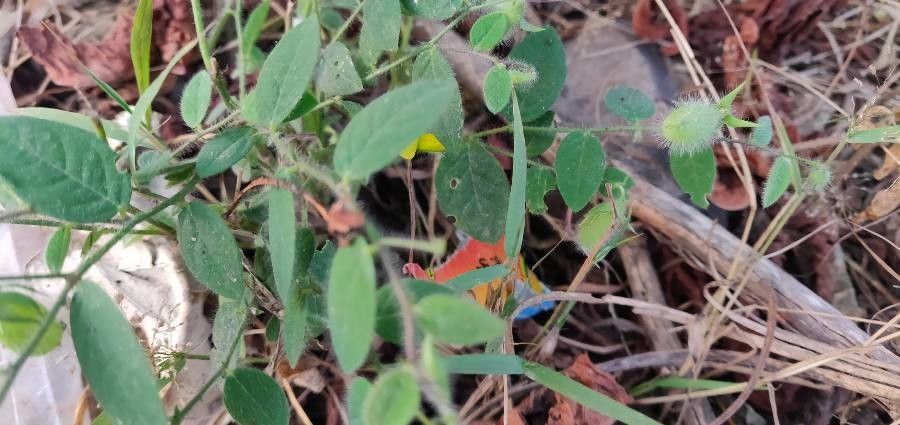
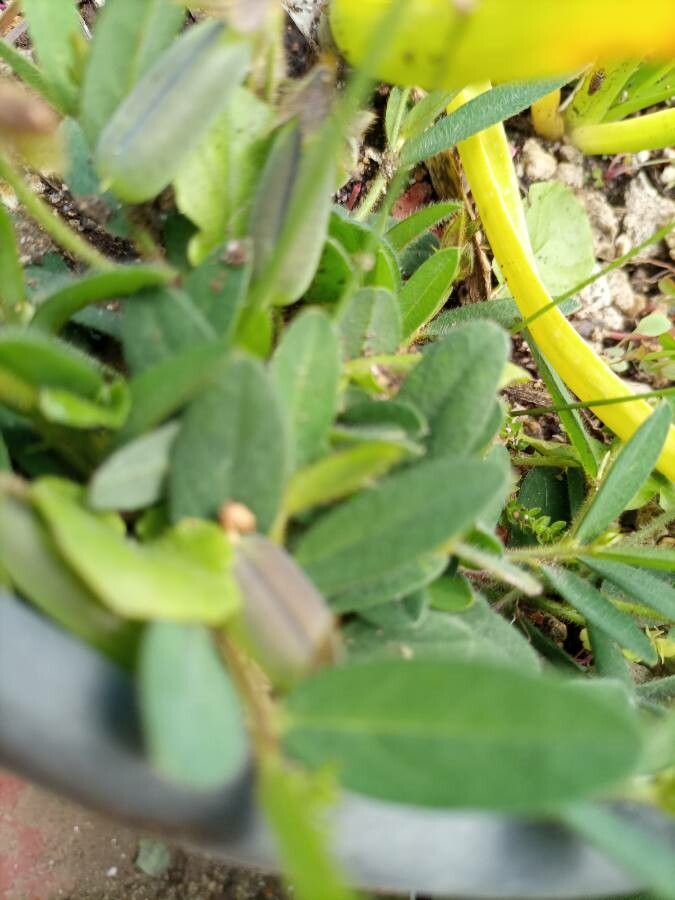
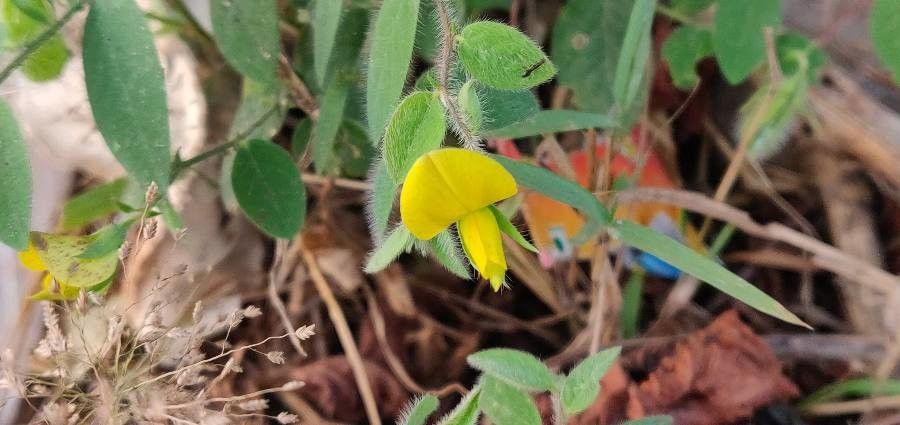
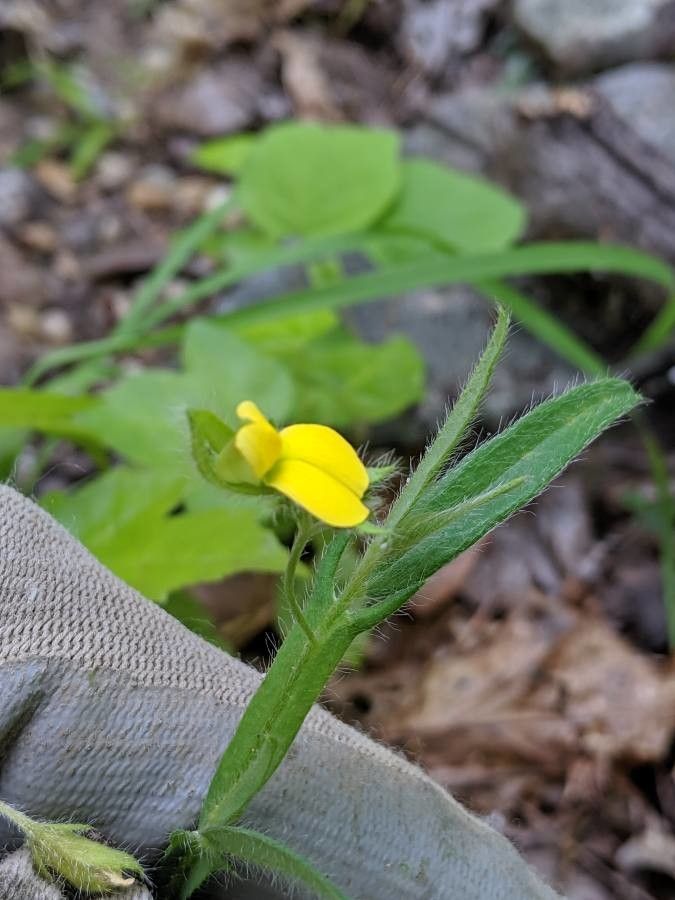
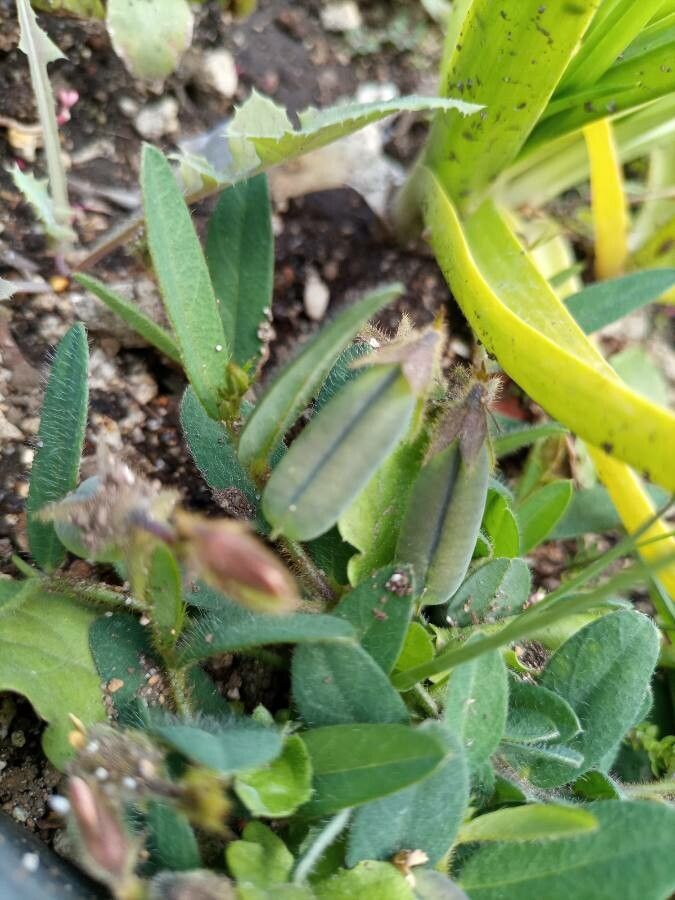
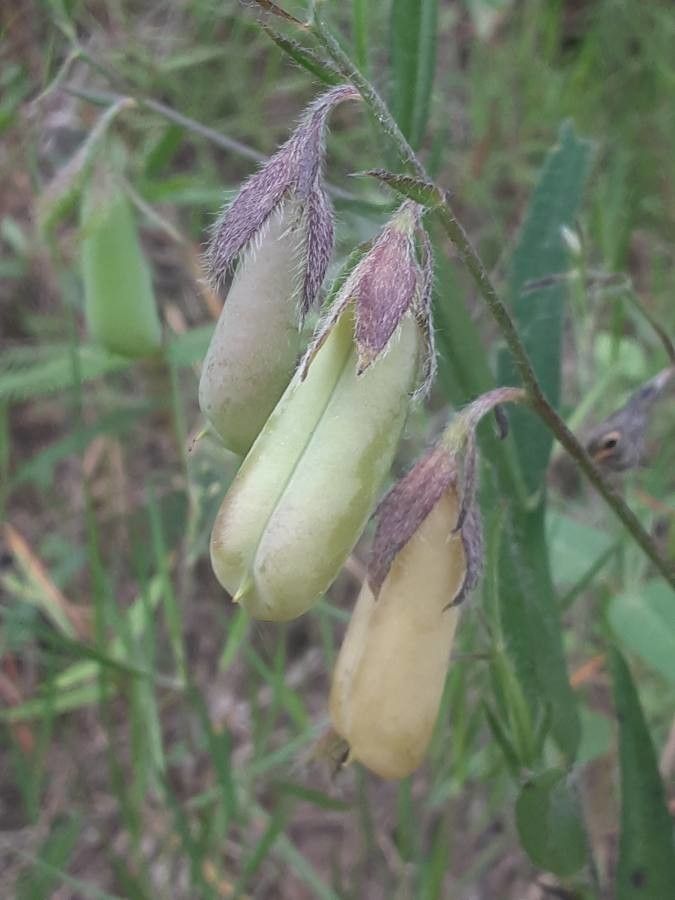
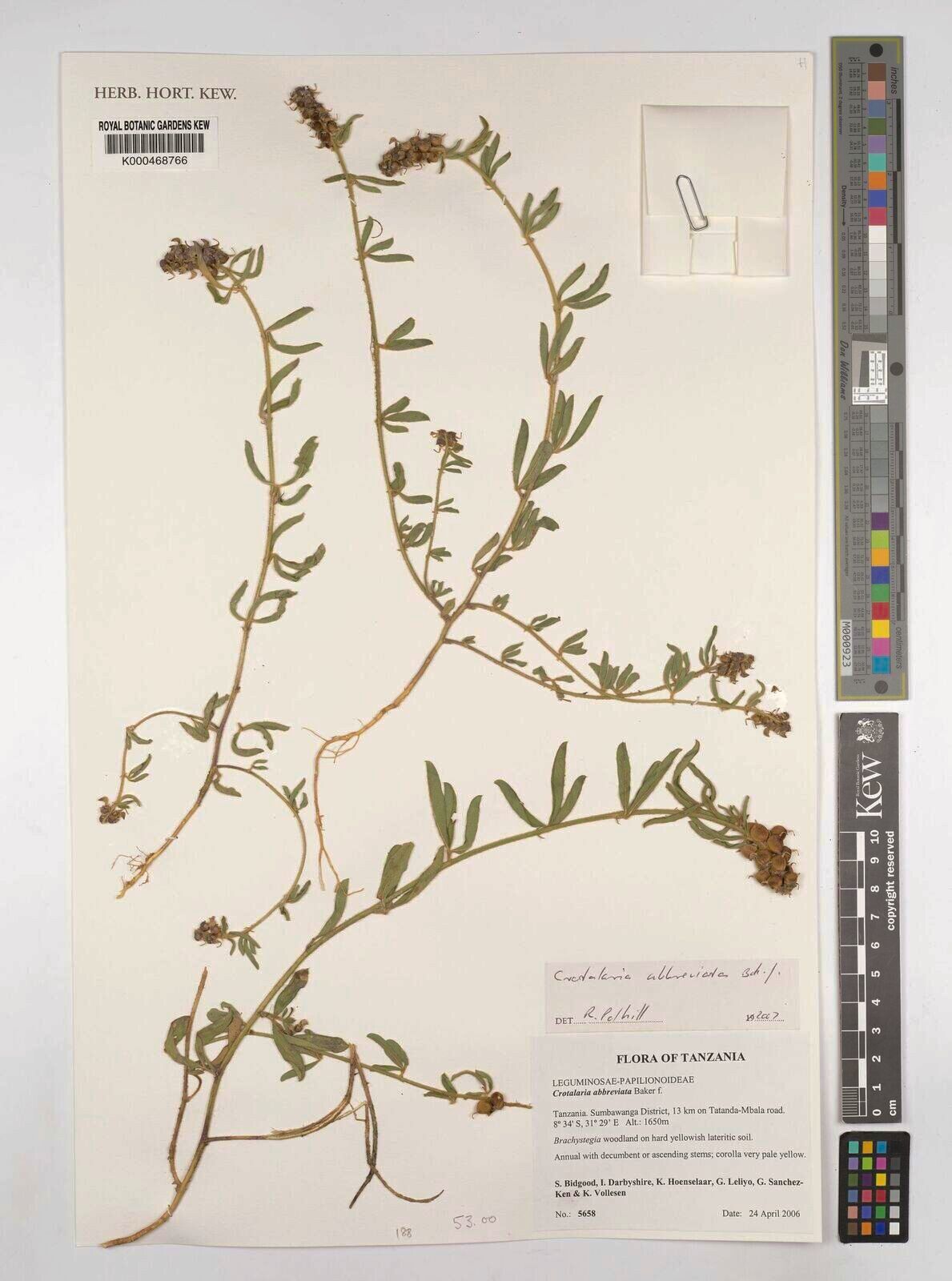
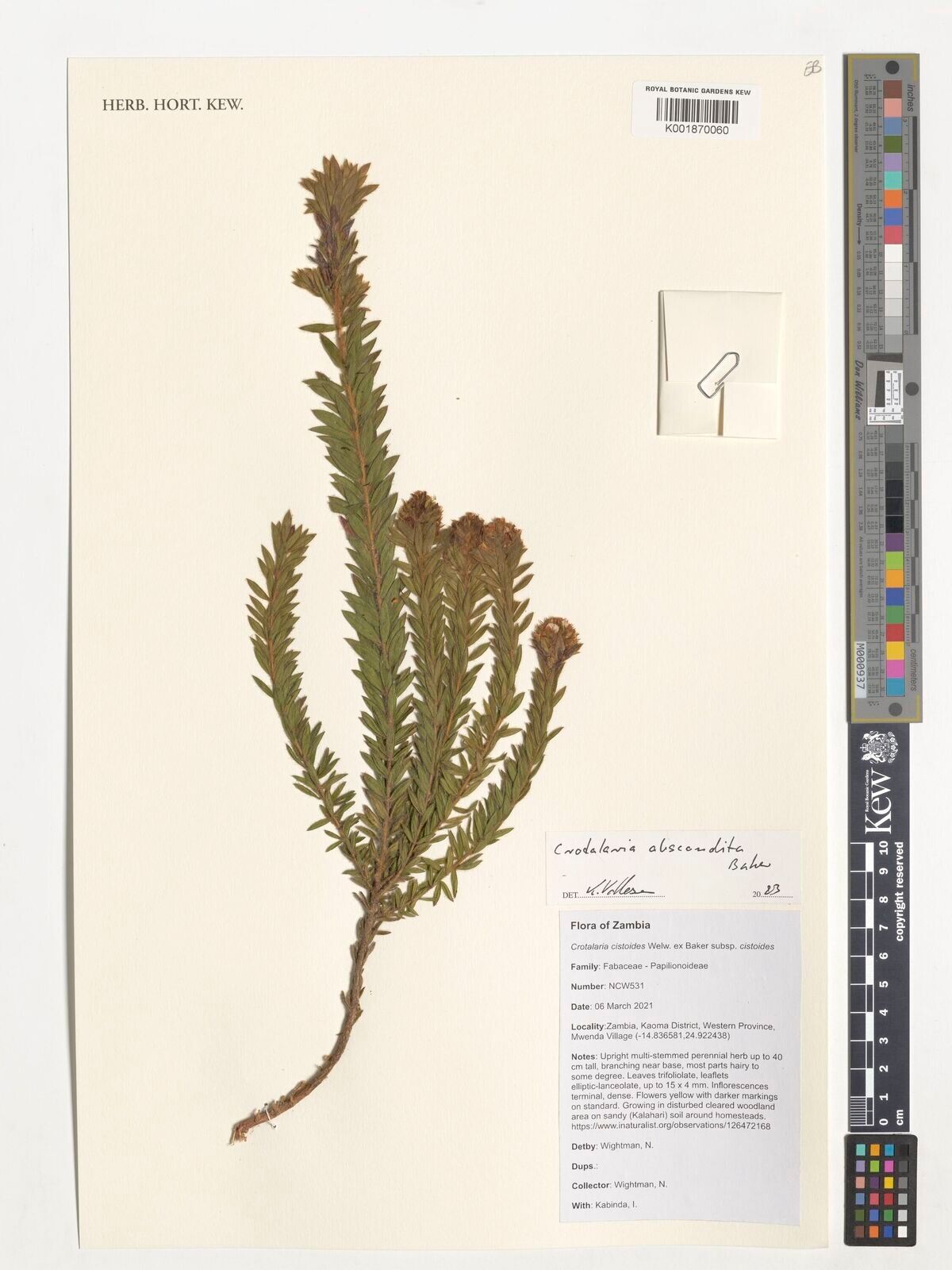
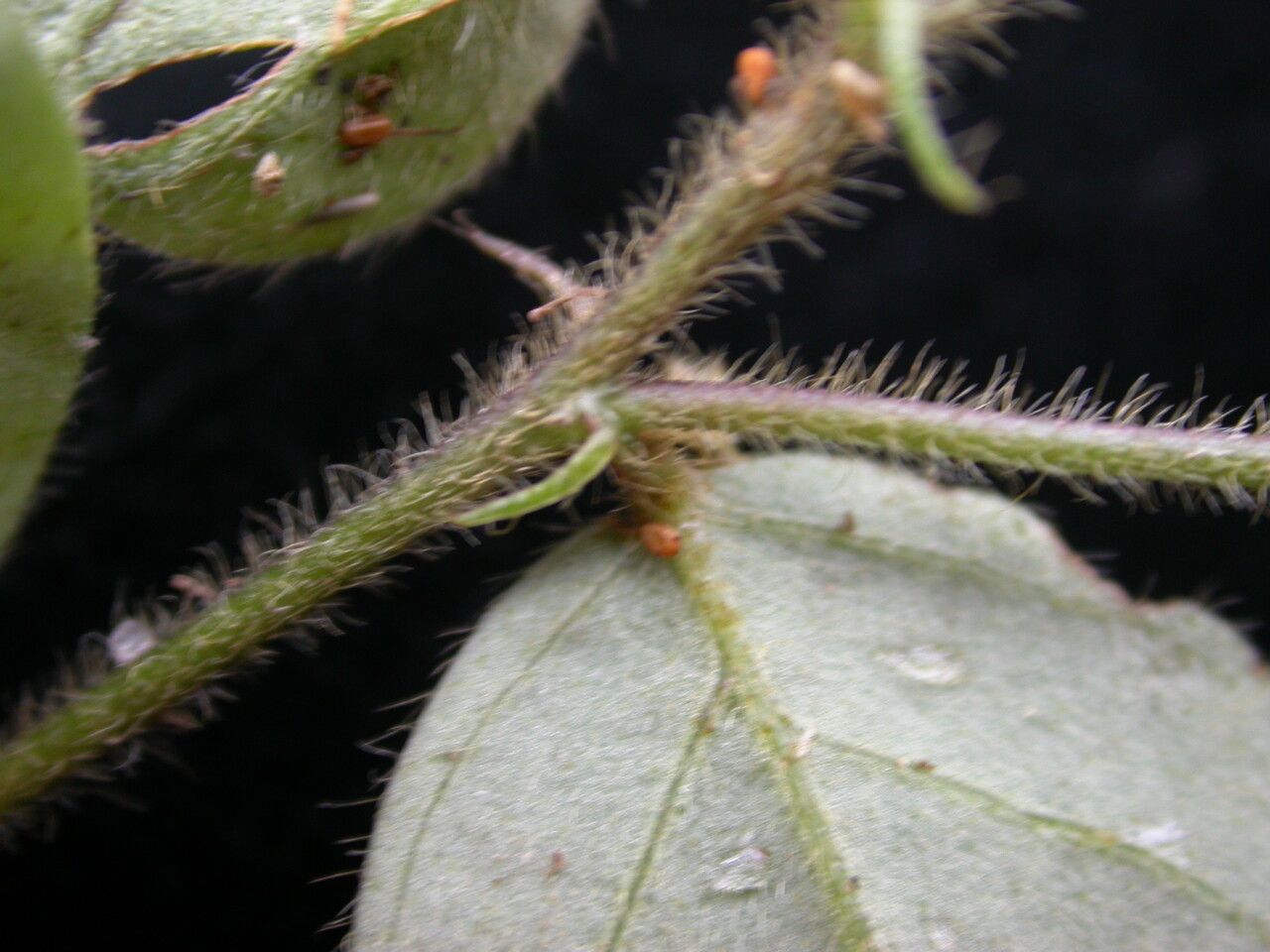
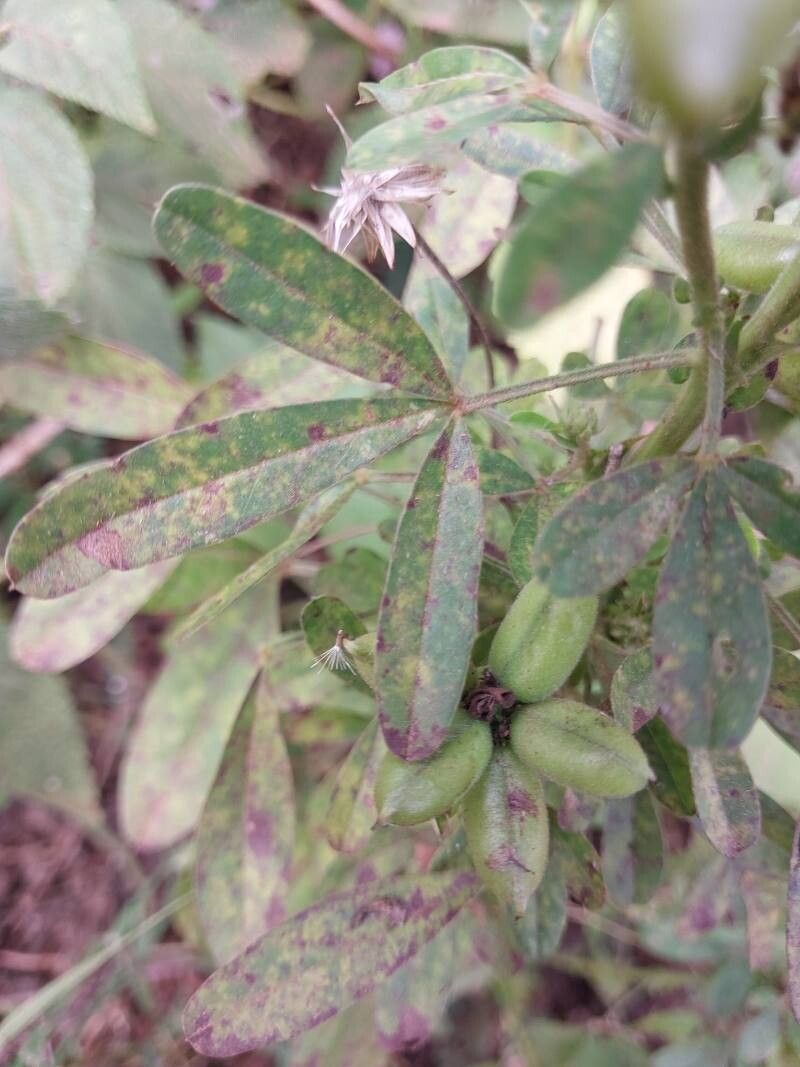
Crotalaria sagittalis, commonly known as Arrowleaf Rattlebox, is a species of flowering plant in the Fabaceae family. It is native to the southeastern United States and thrives in various habitats, including fields, roadsides, and disturbed areas.
Typically, the plant grows to a height of 1 to 3 feet, featuring slender stems and arrow-shaped leaves that are green on top and grayish-green underneath. Its bright yellow flowers, consisting of five petals, form a distinctive shape reminiscent of a rattlebox.
Crotalaria sagittalis is notable for its ability to fix nitrogen in the soil through a symbiotic relationship with bacteria, making it an important species for soil health and restoration efforts.
While it has some medicinal uses in traditional practices, caution is advised when handling Crotalaria sagittalis due to the presence of toxic alkaloids that can cause liver damage if ingested by humans or animals.
Overall, Crotalaria sagittalis is a fascinating plant species that contributes significantly to ecosystem health but should be approached with care because of its toxic properties.
Arrowhead rattlebox has good resistance to disease and is generally not prone to illness. Nevertheless, it can be vulnerable to pests and diseases present in its environment. These issues are usually mild. For care, the plant requires a moderate amount of maintenance. It should be pruned regularly to preserve a tidy appearance and promote healthy growth. Fertilizing can also help encourage flowering. Arrowhead rattlebox is suitable for anyone with outdoor space, such as a garden or patio, and does not demand extensive care experience. It may need more attention when kept indoors.
How to keep Crotalaria Sagittalis.
Light
Arrowhead rattlebox is native to bright, spacious areas where it flourishes in the full glare of the sun. It can endure semi-sunlight but has a preference for uninterrupted sun exposure for the best growth. This plant, which can have a lifespan of one or two years, is renowned for its love of sunlight.
Water
The arrowhead rattlebox thrives with regular watering but can tolerate occasional dry periods, similar to its natural habitat conditions. To maintain optimal health, it should be watered twice a week. When grown outdoors, the arrowhead rattlebox benefits from natural rainfall during the growing season, which supports its growth and improves water efficiency.
Temperature
Arrowhead rattlebox possesses the capacity to adjust to diverse temperature ranges, yet its presence may be restricted due to various combinations of thermal and aquatic conditions. It flourishes optimally in balmy weather during summertime with sufficient precipitation or irrigation. Extended episodes of overcast and wet climates, along with lasting elevated temperatures, can heighten the probability of the Arrowhead rattlebox's demise. During the colder months, appropriate shielding from the chill enhances the plant's chances of survival.
Fertilizer
Arrowhead rattlebox can thrive with regular, mild applications of fertilizer to encourage the vigorous growth of leaves. You ought to give Arrowhead rattlebox fertilizer roughly once a month throughout the summer. Nitrogen is vital for leaf development, and utilizing sources rich in nitrogen assists Arrowhead rattlebox in flourishing.
Pruning
The Arrowhead rattlebox is known for its arrow-shaped leaves and bright yellow flowers. To encourage healthy growth and improve airflow, it is best to prune it from early to late spring. This can be done by removing dead branches and performing light trimming to shape the plant. Regular pruning not only enhances blooming but also helps deter pests. Always use sharp tools to minimize stress on the plant.
Botanical profile.
- Plant Type
- Herb
- Life Cycle
- Annual, Perennial
- Genus
- Crotalaria
- Family
- Fabaceae
- Hardiness Zone
- 8-11
- Mature Height
- 10 cm to 40 cm
- Mature Spread
- 20 cm to 40 cm
- Leaf Color
- Green
- Leaf Type
- Deciduous
- Flower Color
- Yellow
- Flower Size
- 1.02 cm to 1.52 cm
- Bloom Time
- Summer, Early fall
- Planting Time
- Spring, Summer
- Harvest Time
- Late summer, Fall
- Native Area
- Belize, Honduras, Mexico, Guatemala, Peru, Panama, Jamaica, Colombia, Cuba, Bolivia, Venezuela, Brazil, El Salvador, Nicaragua, Ecuador, Costa Rica
Other names.