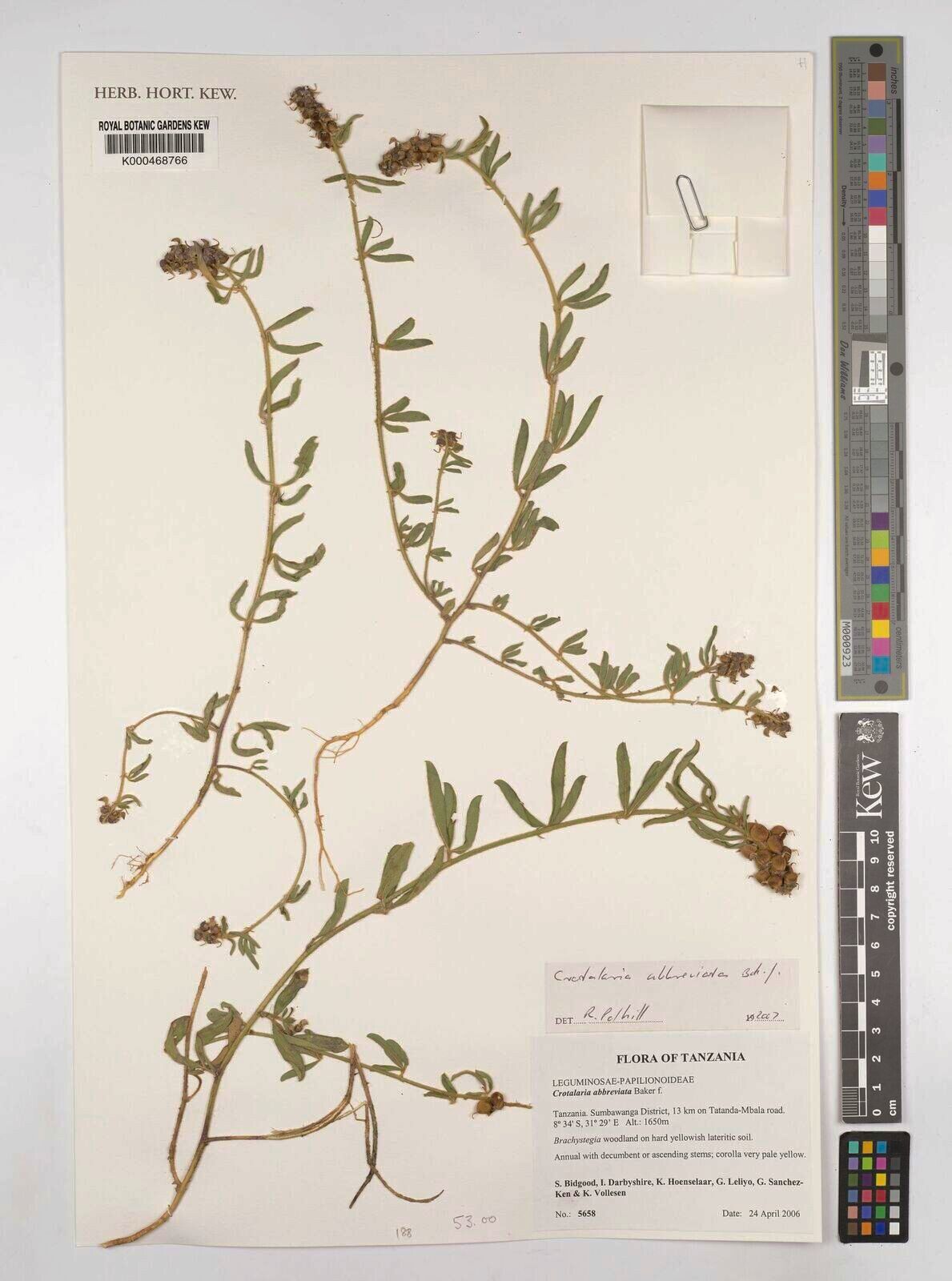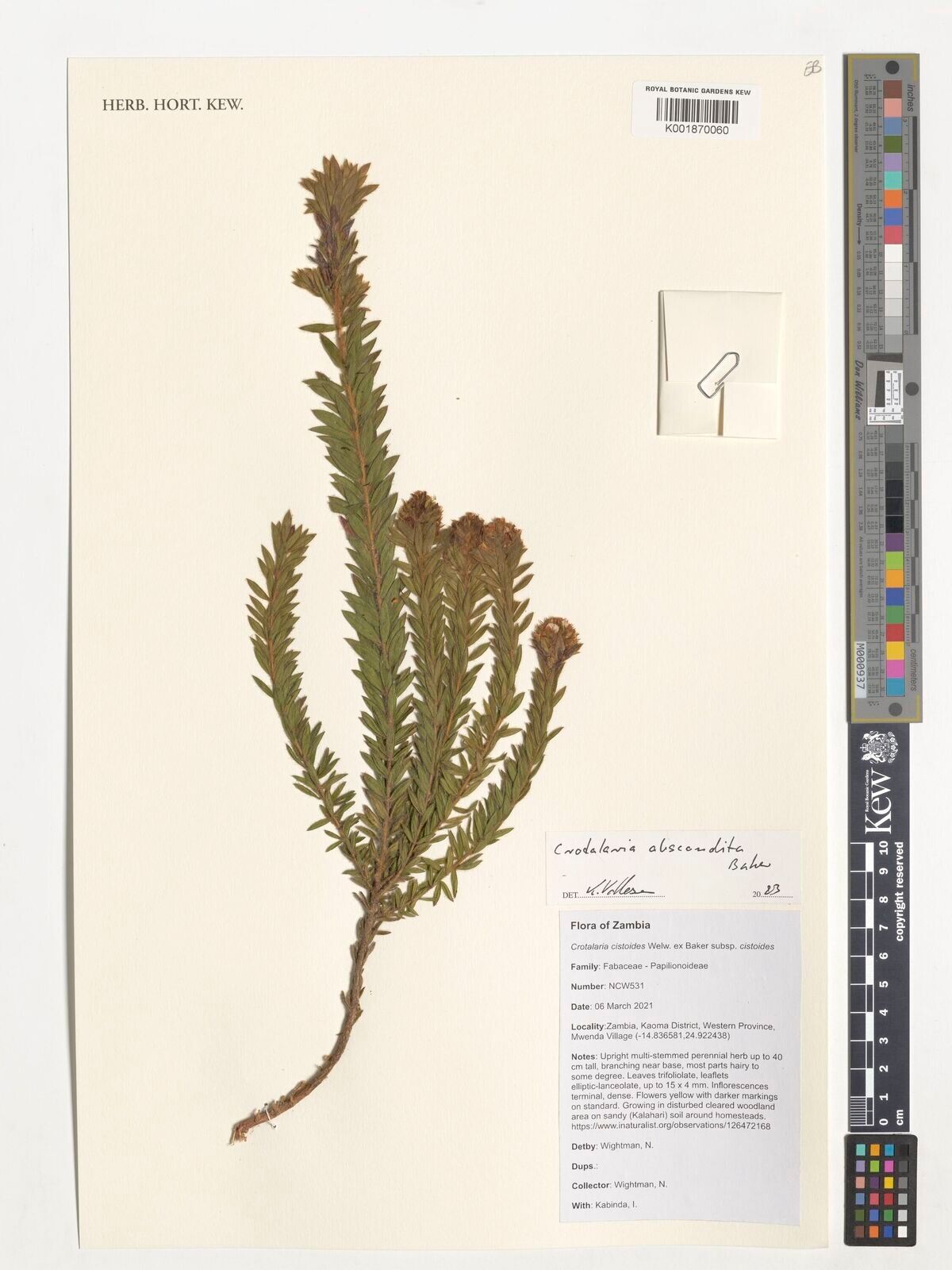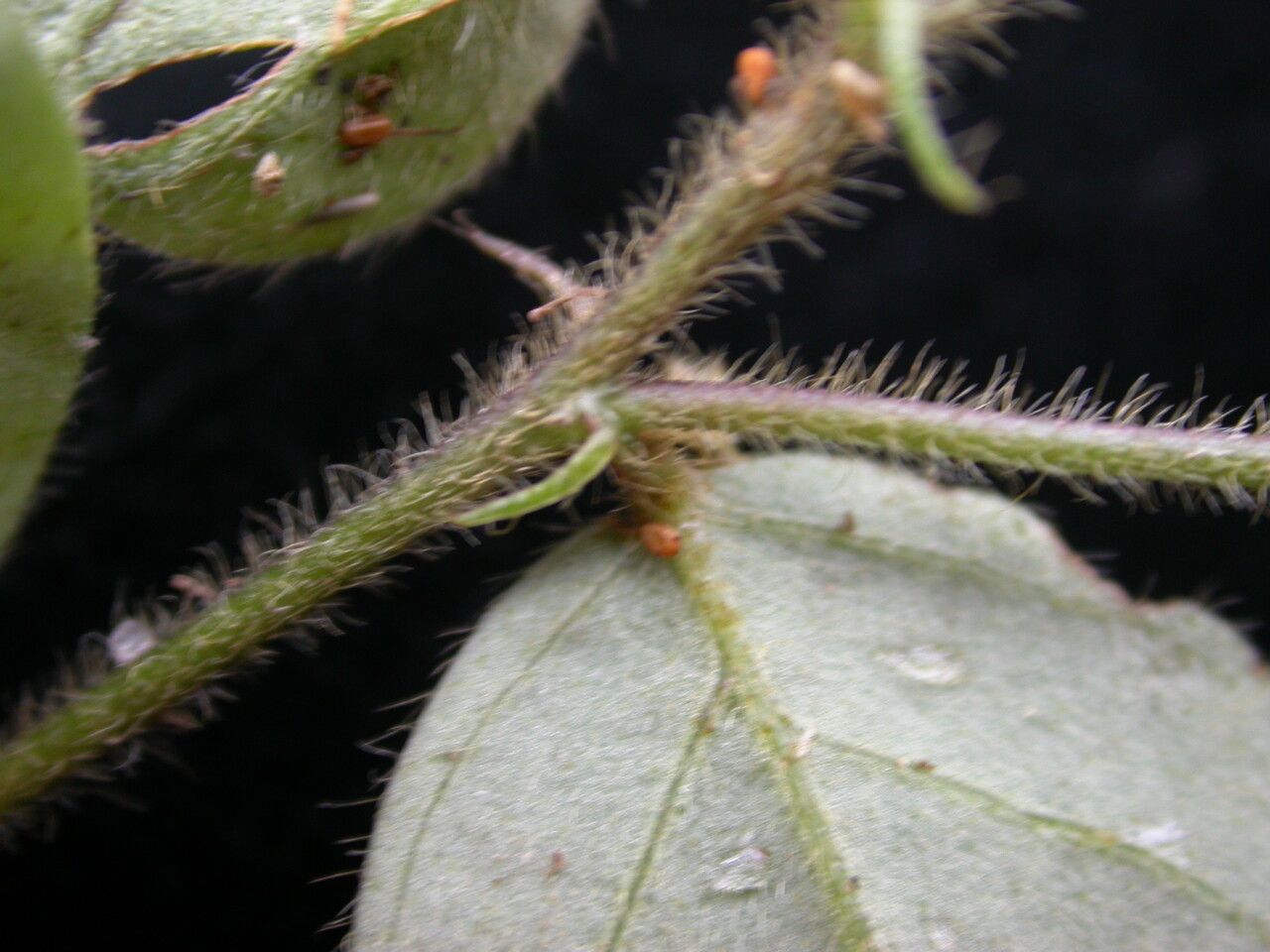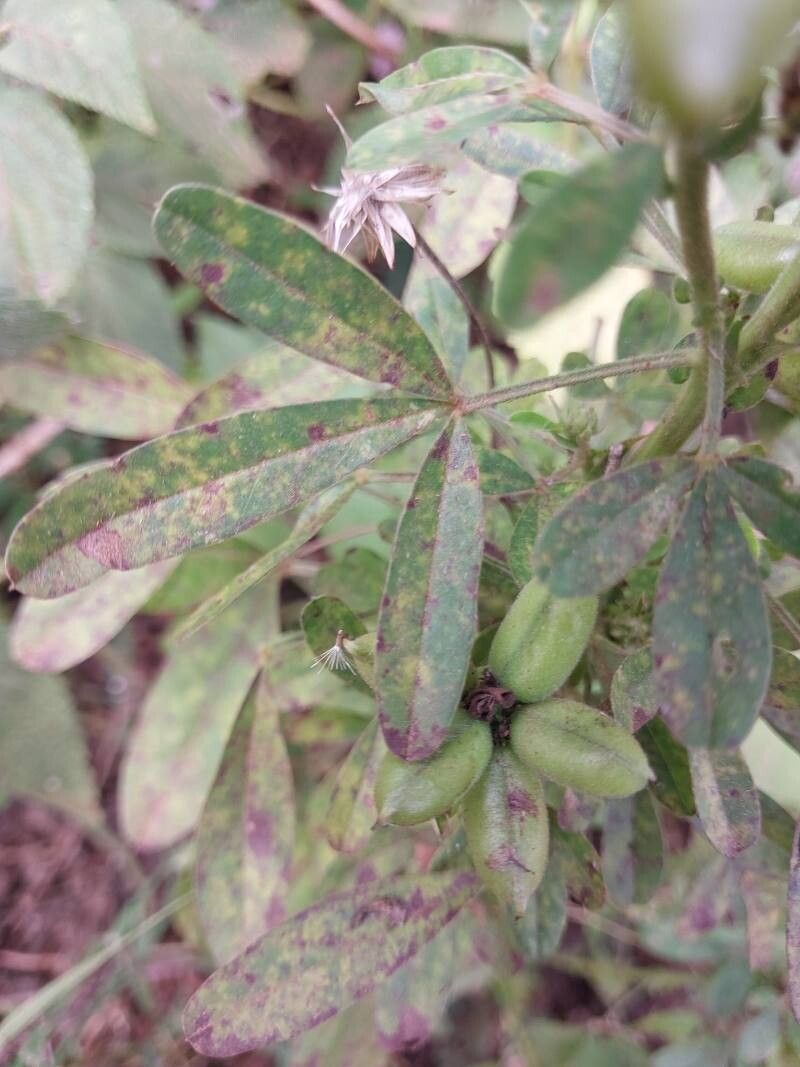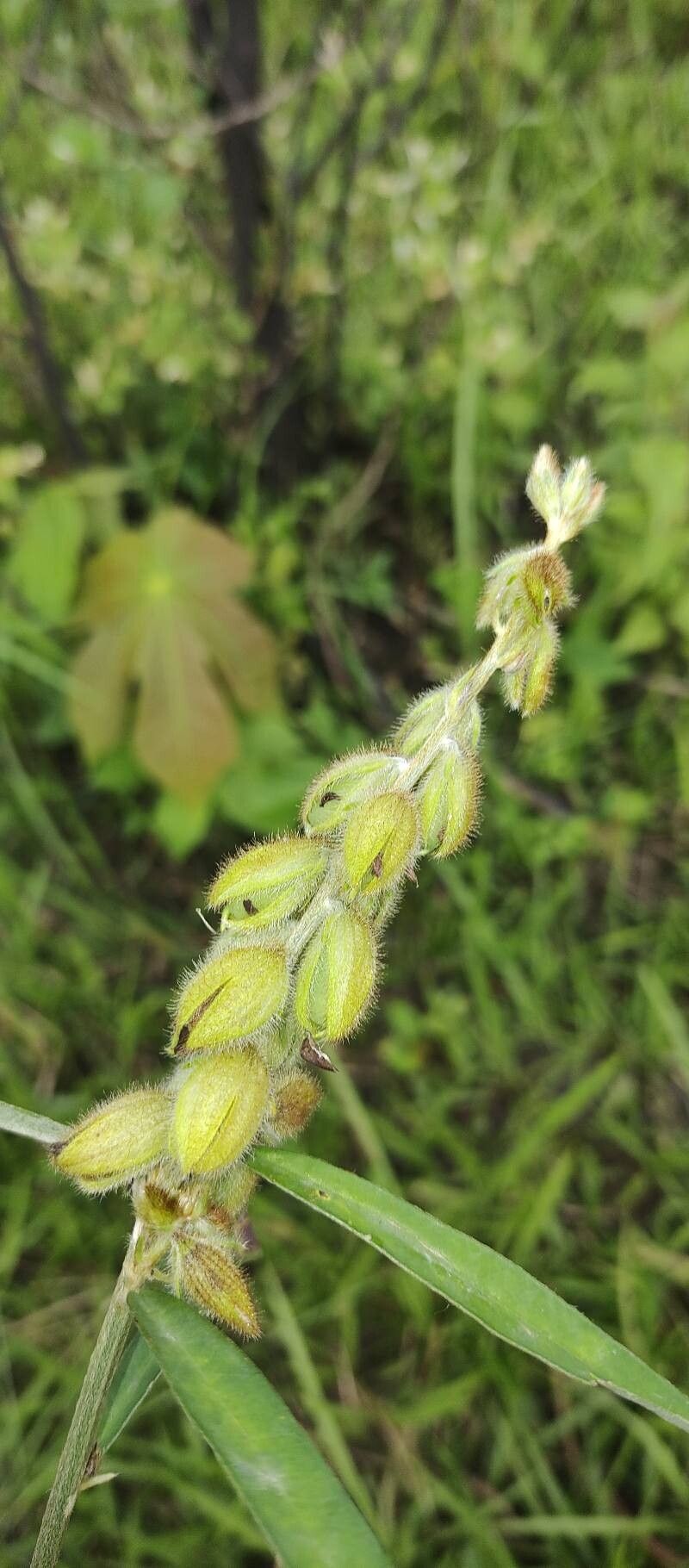
Crotalaria sessiliflora shows good disease resistance and is generally not prone to illnesses. Nonetheless, it can be vulnerable to pests and diseases present in its environment. Such infections are typically mild. For care, this plant requires moderate maintenance. It should be pruned regularly to keep a neat appearance and support healthy growth. Applying fertilizer can also help encourage flowering. Crotalaria sessiliflora is well suited for anyone with outdoor space, like a garden or patio, and does not demand extensive care experience. It may need more attention when grown indoors.
How to keep Crotalaria Sessiliflora.
Light
Crotalaria sessiliflora comes from bright, open habitats and does best in full sun. It can tolerate partial shade but favors direct sunlight for optimal growth. This plant, which may be annual or biennial, is noted for its sun-loving character.
Water
Crotalaria sessiliflora, a plant native to tropical regions, thrives in high humidity and consistent moisture levels. To promote lush growth, water it twice a week. In warm climates, when grown outdoors, applying mulch can help retain soil moisture and reduce the need for frequent watering during hot weather.
Temperature
Crotalaria sessiliflora shows good temperature adaptability, able to withstand higher heat and considerable temperature fluctuations. In hot weather, care should be taken with watering and providing appropriate shade to avoid sunburn. Conversely, Crotalaria sessiliflora is comparatively sensitive to low temperatures; it can tolerate some cold, but excessively cold conditions may cause frost damage.
Fertilizer
Crotalaria sessiliflora benefits from regular, light applications of fertilizer to encourage healthy leaf growth. You should fertilize Crotalaria sessiliflora about once a month during the summer. Nitrogen is essential for foliage, and supplying nitrogen-rich sources helps Crotalaria sessiliflora thrive.
Pruning
To maintain the health and improve the longevity of Crotalaria sessiliflora, it's beneficial to perform annual pruning from early to late spring, after the blooming period. Begin by removing any dead or damaged stems, then trim any overgrown shoots to encourage healthy growth and flowering. Regular pruning enhances air circulation and reduces the risk of pests. For tips on choosing the right tools, consult trusted horticultural sources.
Botanical profile.
- Plant Type
- Herb
- Life Cycle
- Annual, Perennial
- Genus
- Crotalaria
- Family
- Fabaceae
- Hardiness Zone
- 9-11
- Mature Height
- 30 cm to 91 cm
- Mature Spread
- 20 cm to 40 cm
- Leaf Color
- Green
- Leaf Type
- Deciduous
- Flower Color
- Yellow
- Flower Size
- 1.02 cm to 1.52 cm
- Bloom Time
- Summer, Early fall, Mid fall
- Planting Time
- Spring, Summer, Autumn
- Harvest Time
- Late summer, Fall, Early winter