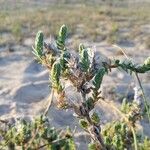
Crucianella maritima
Coastal Crucianella
Care Guide
💧 Water
Coastal crucianella flourishes in saline, moist coastal environments and relies on consistent moisture for optimal health. To ensure its well-being, it is essential to water it weekly. This plant is adapted to variable weather conditions and efficiently uses rainfall during its growth cycles, demonstrating its resilience in fluctuating climates.
How should I water my Coastal crucianella plant in the best way possible?
To properly water the Coastal crucianella plant, it is recommended to use filtered water at room temperature. Tap water may contain harmful particles, so filtered water is preferred. Since the Coastal crucianella is accustomed to warm environments, it is best to use water that is at room temperature or slightly warmer to prevent shocking the plant. Overhead watering should be avoided as it can cause issues with the foliage. Instead, water the plant by applying filtered room temperature water directly to the soil until it is completely soaked. This method benefits the plant by keeping the roots moist and assisting in spreading and gathering nutrients in the soil.
What should I do if I give my Coastal crucianella plant too much or too little water?
Overwatering is a common issue that can harm your Coastal crucianella plant. When this happens, the stems and leaves can wilt and turn yellow. Over time, overwatering can also lead to diseases like root rot, mold, and mildew, which can kill the plant. On the other hand, underwatering is less common for this plant because it can tolerate drought. However, it's still possible, and when it occurs, the leaves may become brittle and brown. It's important to recognize the signs of overwatering early and reduce watering if needed. If the soil doesn't drain well, replace it with a loose, well-draining mix. If your plant is receiving too little water, just water it more regularly until the signs of underwatering are gone.
How frequently should I give water to my Coastal crucianella plant?
If your Coastal crucianella plant is in a pot, the most precise way to determine if it needs water is by checking the moisture level of the soil. Stick your finger into the soil and if the top two to three inches are dry, it's time to water. If you're growing your Coastal crucianella plant outdoors in the ground, you can use a similar method to test the soil. Once again, if the first few inches of soil have dried out, it's time to water. Generally, during the spring and early fall, you'll likely need to water this plant about once a week using this method. However, during extremely hot weather, you may need to increase your watering frequency to about twice a week or even more. But keep in mind, mature and well-established Coastal crucianella plants have a remarkable ability to withstand drought.
How much water does my Coastal crucianella plant need?
When watering your Coastal crucianella, don't be afraid to give it a generous amount of water. Make sure that the top two to three inches of soil are dry before watering, and then water thoroughly until the soil is completely soaked. It is important to add enough water so that excess water drains out of the pot's drainage holes. If you don't see water draining out, you may not have watered enough. However, be careful not to let water accumulate in the soil as this can harm the plant. On the other hand, if water doesn't drain through the pot, it could mean that the soil doesn't drain well, which is not good for the plant. If the plant is outdoors, it should receive about 1 inch of rain per week.
How do I water my Coastal crucianella as it grows?
The water needs of the Coastal crucianella can vary depending on its growth stages. When the plant is young or has just been transplanted, it requires more water in order to support root development and future growth. As the plant matures, less water is needed. Additionally, the bloom period may require additional watering due to the increased moisture demand for flower development.
☀️ Light Full sun
Coastal crucianella is a perennial herbaceous plant that favors sunny conditions and originates from open habitats, where it often grows in meadows and grasslands. It does best in full sun but can also tolerate partial sunlight.
What are the sunlight requirements for Coastal Crucianella?
Coastal Crucianella, scientifically known as Crucianella maritima, is a sun-loving perennial that thrives in full sun conditions, which means it requires more than 6 hours of sunlight daily. It can also tolerate partial sun, receiving about 3-6 hours of sunlight. This herbaceous plant is ideally suited for open habitats like meadows and grasslands. It's important to observe the movement of sunlight through your garden to ensure you're placing your plants in locations that meet their sunlight needs to keep them healthy and happy.
How can artificial lighting be utilized for Coastal Crucianella?
Artificial lighting can be a vital solution for Coastal Crucianella, especially when natural sunlight is insufficient. It promotes faster, healthier growth by providing necessary wavelengths of light. For plants requiring full sun, 30-50W/sq ft of artificial light is needed, while partial sun plants need 20-30W/sq ft. LED lights are recommended due to their customizability. The light source should be placed 12-36 inches above the plant to mimic natural sunlight, and most plants will require 8-12 hours of light per day to thrive.
What are common symptoms of light deficiency in Coastal Crucianella?
When Coastal Crucianella receives inadequate light, it may display symptoms like small leaves, leggy or sparse growth, faster leaf drop, slower or no new growth, and lighter-colored new leaves. Other signs include chlorosis, where leaves turn yellow due to chlorophyll breakdown; sunscald, characterized by necrotic areas from intense sunlight; leaf curling as a defense against excessive sunlight; wilting from loss of turgor pressure; and leaf scorching, seen as brown, dry edges on leaves.
What solutions are available for light deficiency in Coastal Crucianella?
To address light deficiency for Coastal Crucianella, gradually move indoor plants to sunnier locations to achieve at least 6 hours of direct sunlight daily, using a south-facing window for maximum exposure. Artificial lights like desk or ceiling lamps, or professional grow lights, can also supplement light needs for at least 8 hours daily. For outdoor plants, gradually acclimatize them to sunnier spots to prevent sunburn. If plants are placed where sunlight is obstructed, consider pruning trees or transplanting smaller plants during their dormant period to locations with ample sunlight and good drainage. It's crucial to note that parts of the plant already affected may not recover, but new growth should be healthy with improved light exposure.
🌡️ Temperature 15–37.8°C
Coastal crucianella adjusts well to temperature, tolerating higher heat and fairly large temperature swings. In hot weather, attention should be paid to watering and providing some shade to avoid sunburn. On the other hand, coastal crucianella is not very tolerant of low temperatures. While it can handle some cold, overly cold conditions can cause frost damage.
💨 Humidity
🪴 Soil 6-7
🌱 Fertilizer
One fertilizer application in spring is generally enough for Coastal crucianella, though multiple feedings can maximize growth. Feed every one to one and a half months. Fertilization improves leaf appearance and function, maintaining even color and a healthy texture. It also promotes root development and nutrient uptake for the plant's long-term health.
🪴 Pot & Repot
✂️ Pruning
To keep coastal crucianella healthy and attractive, prune it carefully from early to late spring. Regularly remove any dead branches to improve air circulation and maintain a pleasing shape. Thinning crowded areas helps prevent disease, encourages flowering, and enhances the plant’s overall appearance. Be sure to use clean tools and respect the plant's natural form while pruning.
🌿 Propagating
🐛 Diseases & pets
☠️ Toxicity
Characteristics
- Plant Type
- Herb
- Life Cycle
- Perennial
- Genus
- Crucianella
- Family
- Rubiaceae
- Hardiness Zone
- 8-11
- Mature Height
- 10 cm to 40 cm
- Mature Spread
- 30 cm to 61 cm
- Leaf Color
- Light Green, Dark Green
- Leaf Type
- Semi-evergreen
- Flower Color
- Yellow
- Flower Size
- 0.51 cm to 0.76 cm
- Bloom Time
- Summer
- Planting Time
- Spring
- Harvest Time
- Late summer, Early fall, Mid fall
- Native Area
- Libya, Egypt, Tunisia, Portugal, Italy, Spain, Algeria, Greece, Morocco, France