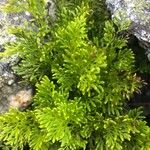
Cryptogramma crispa
Parsley fern · Crisp rockbrake
Description
Source: leafsnapCryptogramma crispa, commonly known as Parsley Fern, is a small fern species belonging to the family Pteridaceae. It is native to temperate regions of Europe, Asia, and North America. The plant is distinctive with its fronds that are deeply lobed and resemble parsley leaves. Parsley Fern thrives in rocky habitats such as cliffs, crevices, and rocky slopes. It prefers moist soil with good drainage and can grow in both partial shade and full sun exposure. The plant has several medicinal properties and has been used to treat respiratory ailments like asthma and bronchitis. Its anti-inflammatory properties also make it useful for relieving arthritis pain. In culinary applications, Parsley Fern's leaves are often added to salads or used as garnish due to their parsley-like appearance. Overall, Cryptogramma crispa is an intriguing fern species with unique characteristics that make it valuable both medicinally and culinarily.
Care Guide
💧 Water Every 7 days
The Parsley Fern thrives in moist, shaded environments with high humidity. Although it can endure moderate drought, optimal growth is achieved when it is watered bi-weekly to keep the soil slightly damp. This fern is best suited for indoor cultivation and requires a well-draining pot to mimic its natural rocky habitat.
What should I do if I give my Parsley fern too much or too little water?
The Parsley fern can be overwatered if left sitting in water or in a planter without drainage holes. This will prevent the roots from getting nutrients and can lead to fungal or bacterial diseases. Signs of overwatering include wilted and yellow leaves, drooping stems, and mushy texture. However, it's important to check for other causes because this plant can tolerate a lot of water. On the other hand, the Parsley fern can also become underwatered if not monitored closely. In dry conditions, it can quickly turn brown and crispy. If the plant appears completely dried up, there may still be a chance to revive it by removing dead stems, watering thoroughly, and returning to its usual location. With proper care, the plant can recover and start growing new fronds, though it may take several months to regain its original size.
How do I water my Parsley fern the right way?
To keep your Parsley fern happy, it's important to keep its soil consistently moist, resembling its natural environment. This may mean watering it every one or two days. Avoid letting the soil dry out, and as soon as the top layer starts to feel slightly dry, it's time to water again. Make sure to thoroughly soak the soil until water drains out from the bottom of the pot. Afterwards, remove any excess water in the saucer or pot to prevent waterlogging. Following these steps will help you maintain the right moisture level and prevent the soil from becoming too dry.
What important things should I think about when watering my Parsley fern?
The humidity level affects how often you need to water your Parsley fern. Higher humidity means less frequent watering. Avoid placing the plant near a heating or cooling vent to prevent it from drying out quickly. The fern prefers dappled and indirect sunlight with temperatures between 55-80 degrees F (13-27 degrees C). Direct sunlight on a warm windowsill can dehydrate the fern. If possible, use rainwater or distilled water, as tap water may contain minerals and chemicals that can lead to brown leaf tips. Parsley fern requires a larger pot than other houseplants because small pots dry out quickly. Consider using a self-watering planter to keep the soil consistently moist and prevent the roots from experiencing a cycle of dryness and wetness.
☀️ Light Full shade
Parsley fern prefers to grow in environments where sunlight is filtered or dappled, but it can tolerate areas that are mostly shaded. It comes from habitats with a variety of sunlight intensities. Too much sun can cause damage, while too little light can impede its growth.
What are the sun requirements for plants?
Plants have diverse sunlight requirements to thrive. Some need partial sun, about 3-6 hours of sunlight daily, while others require full shade, meaning they get less than 3 hours of sunlight. It's important to observe the movement of sunlight in your garden to find the ideal balance of light and shade for your plants' optimal growth, ensuring they are both happy and healthy.
What are the essential growing conditions for Parsley Fern?
Parsley fern prefers filtered or dappled sunlight but can tolerate predominantly shady conditions. Originally from a range of habitats with varying sunlight intensities, excessive sun can be harmful, whereas insufficient light may impede its growth. Indoor plants may require artificial lighting to achieve optimal growth, especially in less sunny spaces or during winter. LED lights are recommended for their ability to provide specific wavelengths needed by plants. The amount of artificial light needed varies depending on the plant's sun requirements, with full sun plants needing 30-50W/sq ft, partial sun plants requiring 20-30W/sq ft, and full shade plants needing 10-20W/sq ft of artificial light. Position the light source 12-36 inches above the plant and mimic natural daylight hours, generally 8-12 hours per day.
What symptoms indicate light deficiency or overexposure in Parsley Fern?
Symptoms of light deficiency in Parsley fern include smaller new leaves, leggy or sparse growth, faster leaf drop, slower or no new growth, and lighter-colored or yellow new leaves. Overexposure to sunlight can cause chlorosis, sunscald, leaf curling, wilting, and leaf scorching. These symptoms range from the plant developing a thin appearance due to long spaces between leaves or stems, to leaves losing their green color or being damaged by intense sunlight. Properly adjusting the plant's light exposure can mitigate these issues.
How can I address light-related issues for my Parsley fern?
To optimize Parsley fern's growth and address light-related issues, gradually increase its exposure to sunlight if it's not receiving enough, aiming for 3-6 hours of direct sunlight daily. This can be done by shifting the plant to sunnier spots each week for both indoor and outdoor plants. For large indoor plants or those not easily movable, supplement with artificial light, keeping a desk or ceiling lamp on for at least 8 hours daily. If your plant suffers from too much sunlight, reduce exposure by ensuring gradual adaptation to brighter conditions or by pruning obstructions if grown outdoors. For smaller plants, consider transplanting to a location with better sunlight and drainage during their dormant period. Note that parts of the plant damaged by sunlight may not recover, but new growth should be healthy with adjusted light exposure.
🌡️ Temperature 0–32.2°C
Parsley fern originates from temperate areas, where normal temperatures fall between 32 and 90 °F (0 to 32 ℃). It does best with a stable temperature inside that range. Sudden shifts, particularly toward the colder side, may mean you need to move the plant indoors or provide extra heat.
What is the native temperature range for Parsley fern, and how should it be cared for in temperature extremes?
Parsley fern, botanically known as Cryptogramma crispa, is native to temperate regions, thriving in a temperature range of 32 to 90°F (0 to 32°C). It prefers consistent temperatures within this range and may require protection or relocation indoors during sudden drops in temperature, particularly towards the colder end of its range. Despite its strong cold resistance, special measures are not generally needed for frost protection. However, in anticipation of winter temperatures falling below -40°C, it's important to cover the plant with insulating materials like soil or straw and to water it abundantly before the first freeze in autumn. This ensures the soil remains moist and enters a frozen state, helping to prevent drought and water scarcity for the plant during the colder months.
How does Parsley fern react to low temperatures, and what measures should be taken?
Parsley fern can tolerate cold conditions well, ideally kept above 0°C during winter and should not be exposed to temperatures below -35°C. Exposure to temperatures falling below -40°C, while not immediately apparent, can lead to a decrease in sprouting or a complete lack of sprouting come springtime. To mitigate such effects, it's advisable to remove any parts of the plant that have failed to sprout in the spring, ensuring the plant remains healthy and can continue to grow.
What should be done if Parsley fern experiences high temperatures?
Parsley fern should ideally be kept below 32°C during the summer months. Exposure to temperatures above 35°C can result in the leaves becoming lighter in color, curling, and more susceptible to sunburn. To protect the plant in such conditions, it's recommended to trim away the sunburnt and dried-up parts. Relocating the plant to a shaded area, especially from the midday and afternoon sun, or utilizing a shade cloth can prevent further damage. Additionally, watering the plant in the morning and evening helps keep the soil moist, which is crucial for the plant's well-being in high temperatures.
💨 Humidity dry (<40%)
This plant prefers dry conditions, so don't mist it. However, watering it less often can also thrive in higher humidity.
🪴 Soil 4-7
🌱 Fertilizer
For parsley ferns, apply a high-nitrogen fertilizer twice a year during the spring and summer, using half the recommended strength. Be careful not to over-fertilize, and stop feeding the plant during its winter dormancy. Water the parsley fern after fertilizing to enhance nutrient absorption and to prevent root burn.
🪴 Pot & Repot Every 12 months
✂️ Pruning
The fern parsley fern is characterized by its delicate, finely-divided fronds and thrives in rocky areas. To maintain its shape and encourage dense foliage, prune it in early spring. Be careful not to over-prune, as this can stress the plant. Pruning at the right time supports healthy growth and decreases the risk of disease.
🌿 Propagating
🐛 Diseases & pets
☠️ Toxicity
Characteristics
- Plant Type
- Fern
- Life Cycle
- Perennial
- Genus
- Cryptogramma
- Family
- Pteridaceae
- Hardiness Zone
- 2-8
- Mature Height
- 40 cm
- Mature Spread
- 49 cm
- Leaf Color
- Green
- Leaf Type
- Evergreen, Deciduous
- Planting Time
- Spring