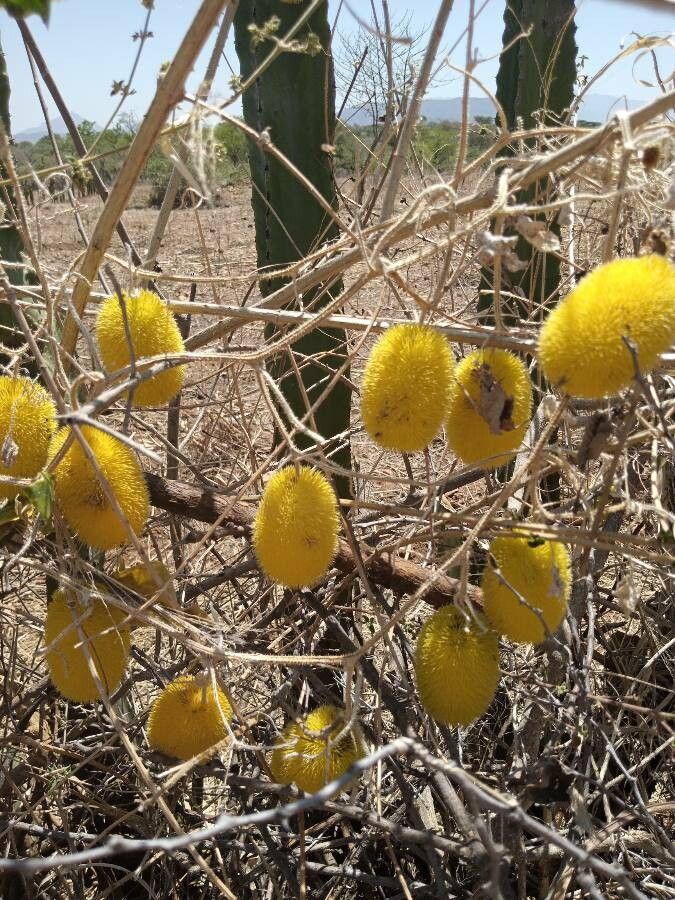
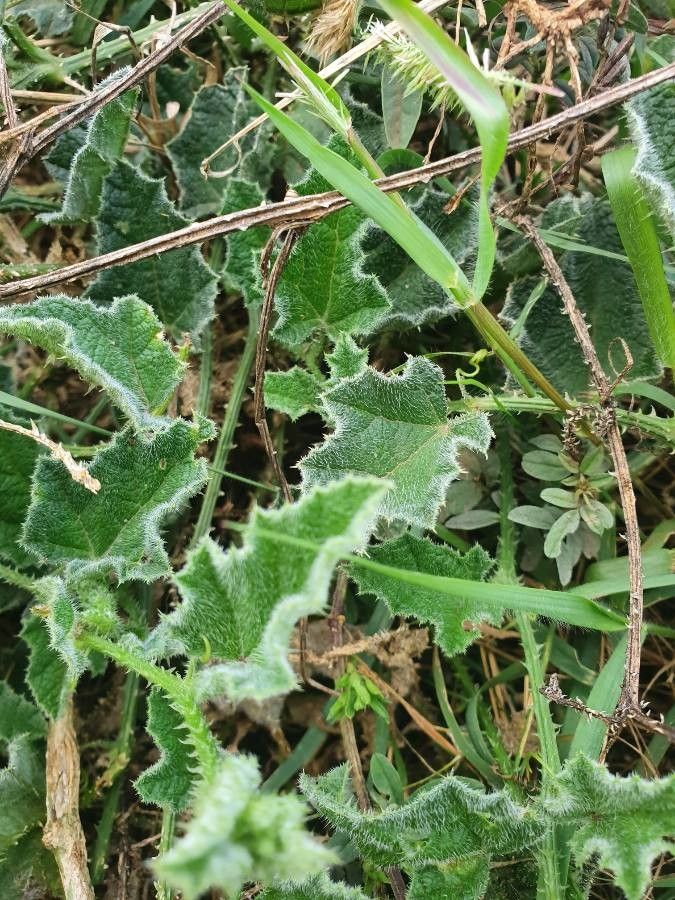
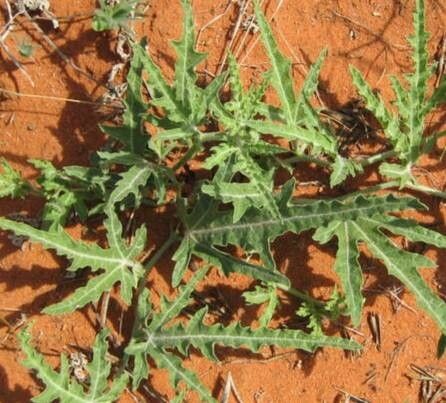
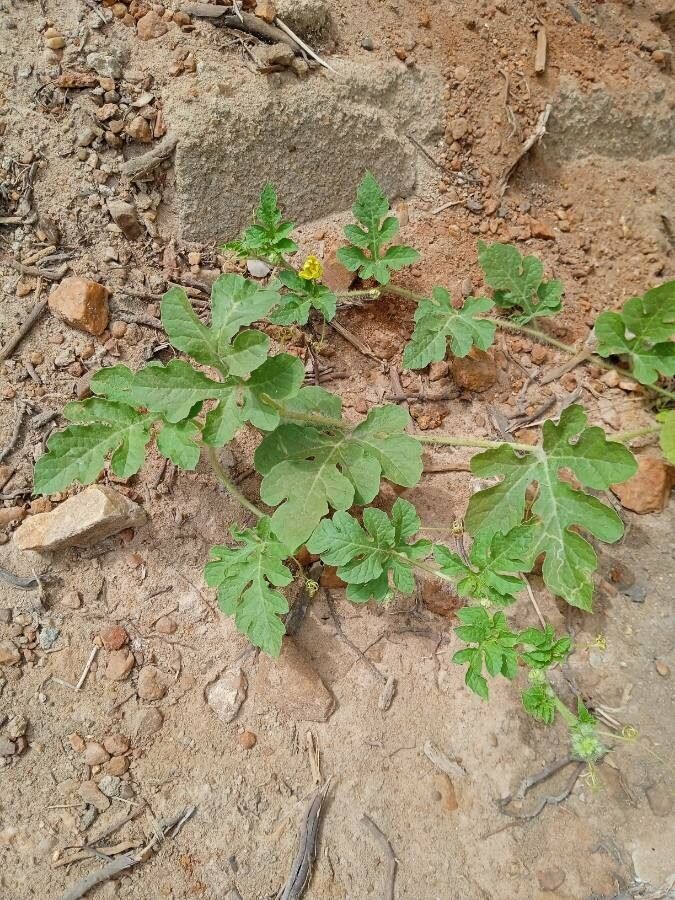
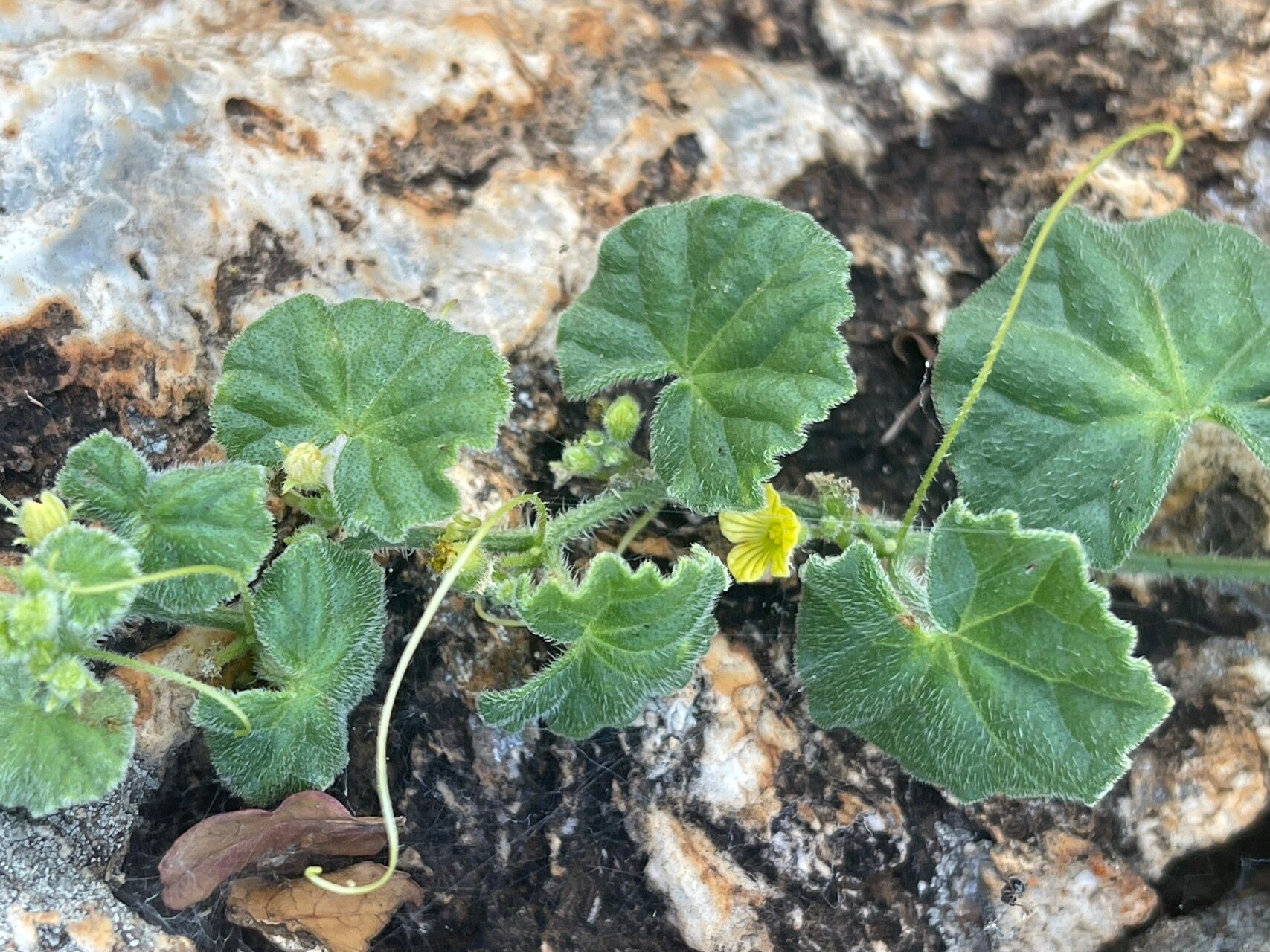
Cucumis dipsaceus, commonly known as the prickly cucumber or wild cucumber, is a species of flowering plant in the Cucurbitaceae family. Native to Africa and parts of Asia, it has also been introduced to other regions as an ornamental plant.
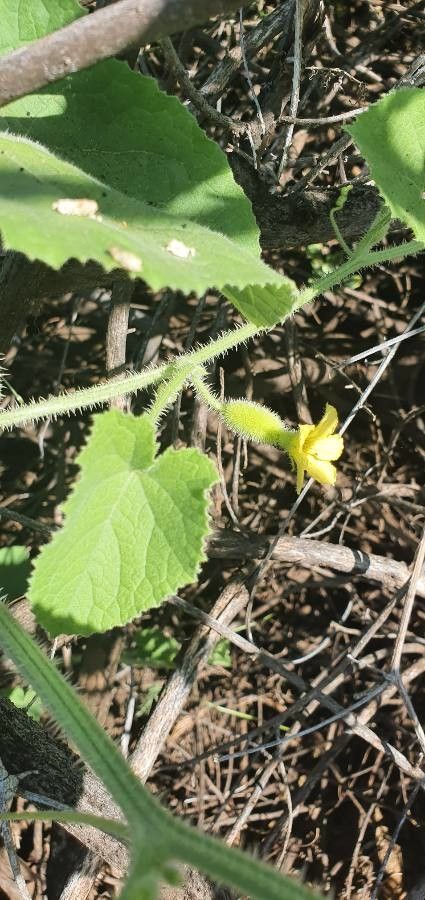
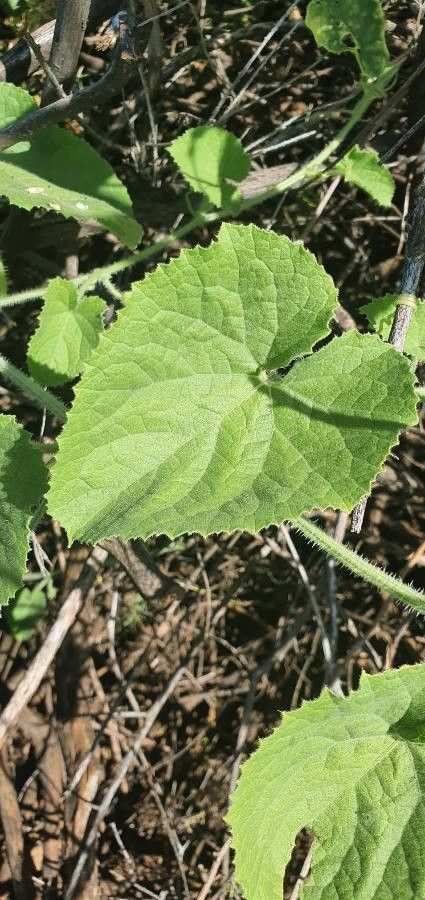
This climbing vine can grow up to 3 meters in length and uses tendrils to attach itself to other plants or structures for support. Its leaves are palmately lobed with toothed edges and are covered in fine hairs.
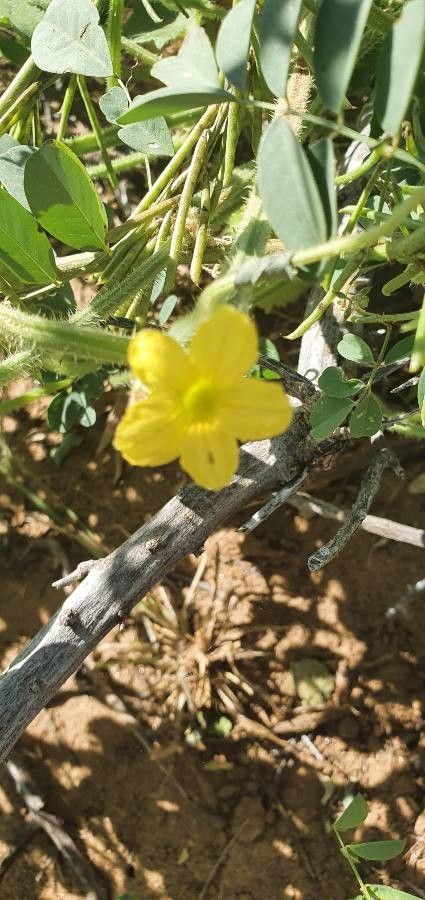
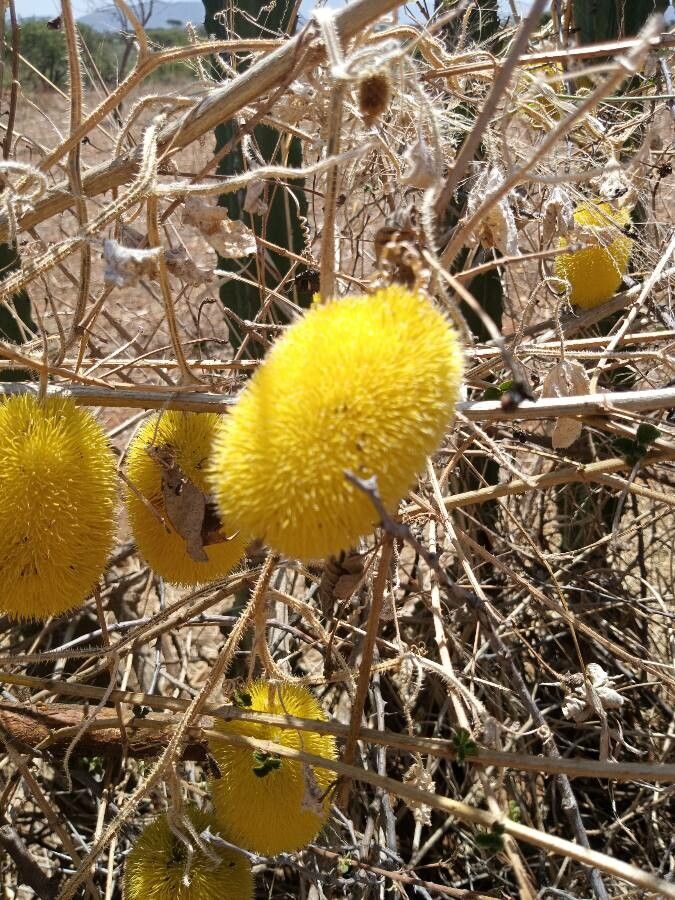
The plant produces yellow-green flowers with five petals that grow on long stalks emerging from the leaf axils. Its fruit is a spiny capsule that can reach up to 10 cm in length and contains numerous seeds.
In traditional medicine, various parts of Cucumis dipsaceus have been used to treat ailments such as fever, inflammation, pain, and digestive issues.
Overall, Cucumis dipsaceus is a fascinating plant with unique physical characteristics that distinguish it from other members of its family. Its medicinal properties further underscore its importance as a resource for traditional medicine practitioners worldwide.
Teasel gourd possesses strong disease resistance and is typically not susceptible to illnesses. Still, it can be affected by pests and diseases present in its surroundings. These outbreaks are usually mild. Regarding care, this plant requires moderate maintenance. It should be pruned regularly to keep a neat appearance and encourage healthy growth. Fertilizing can also help stimulate flowering. Teasel gourd is suitable for anyone with outdoor space, such as a garden or patio, and does not need extensive care experience. It may demand more attention when cultivated indoors.
How to keep Cucumis Dipsaceus.
Light
Teasel gourd comes from bright, open habitats and flourishes in full sun. It can tolerate partial sun but favors direct sunlight for optimal growth. This annual and biennial plant is known for its sun-loving habit.
Water
Teasel gourd, which originates from regions with seasonal climates, prefers a consistent level of moisture but can tolerate short periods of dryness. To mimic its natural wet-dry cycles, it is recommended to water it weekly, as this is crucial for its growth and fruit production. Managing soil moisture properly is essential for achieving the best results.
Temperature
Teasel gourd is fairly adaptable to temperature, able to endure higher heat and wider temperature fluctuations. During hot periods, attention should be paid to irrigation and providing some shade to avoid sunburn. Conversely, Teasel gourd is not very tolerant of low temperatures. Although it can resist a certain amount of cold, overly frigid conditions may cause frost injury.
Fertilizer
When most of the Teasel gourd blooms have fully opened, resume fertilizing. About the time the blooms are at their peak, apply fertilizer again every three to four weeks, as weather allows. Then, once the Teasel gourd begins producing fewer new blooms, stop fertilizing; there's no need to feed the plant when it can no longer produce more blooms.
Pruning
The teasel gourd is known for its spiky fruits and vigorous growth. To maintain its health and manage its size, prune the plant from early to late spring. During pruning, remove dead stems and thin out dense branches to improve air circulation, which boosts fruit production and enhances the plant's vitality. Regular trimming helps control the plant's size and prevents disease, ensuring optimal growth.
Botanical profile.
- Plant Type
- Herb, Vine
- Life Cycle
- Annual
- Genus
- Cucumis
- Family
- Cucurbitaceae
- Hardiness Zone
- 10
- Mature Height
- 2.13 m
- Mature Spread
- 46 cm
- Leaf Color
- Green
- Leaf Type
- Deciduous
- Flower Color
- Yellow
- Flower Size
- 2.03 cm to 2.54 cm
- Bloom Time
- Summer, Early fall, Mid fall
- Planting Time
- Spring, Summer, Autumn
- Harvest Time
- Late summer, Fall, Early winter
- Native Area
- Saudi Arabia, Djibouti, Somalia, Egypt, Sudan, Ethiopia, Eritrea, Yemen, Kenya, Uganda, Tanzania, Central African Republic
Other names.
Reader questions.
How should I water my Teasel gourd?
Teasel gourd can be watered using a garden hose with a spray nozzle, a watering can, or any other common watering tool. They are not too particular about the type of water they receive, as rainwater, tap water, or filtered water all work fine. It is advisable to avoid overhead watering as it can harm the leaves and flowers and increase the risk of disease. A drip irrigation system is often the best method for watering Teasel gourd, as it provides even and direct water supply to the soil. For Teasel gourd growing in a container, the same watering approach can be used, but instead of a hose or can, a cup, watering can, or tap can directly apply water to the soil.
What are the sunlight requirements for Teasel gourd?
Teasel gourd thrives in full sun, requiring more than 6 hours of direct sunlight daily for optimal growth. It can tolerate partial sun, meaning it can grow with about 3-6 hours of sunlight as well. However, it originates from bright, open environments and prefers direct sunlight to achieve its best growth. Monitoring the sunlight pattern in your garden is crucial to ensure your Teasel gourd gets the right balance of light and shade, ensuring its happiness and health.
What should I do if I give my Teasel gourd too much water or too little water?
To prevent underwatering, make a habit of watering your Teasel gourd regularly when you notice it lacks moisture. However, overwatering can be more problematic. If not addressed early, it can lead to disease and eventual death of the plant. To avoid this, choose a sunny location with well-draining soil. Ensure excess water can drain instead of pooling, leading to waterlogged soil. If your potted Teasel gourd is overwatered, consider transferring it to a new pot with good drainage and loose soil.
How can artificial lighting be used for Teasel gourd indoors?
When natural sunlight is insufficient, especially during winter or in less sunny spaces, artificial lighting is a viable solution to ensure the growth of Teasel gourd indoors. Choose the right type of artificial light, such as LED lights, which can be customized to provide specific wavelengths needed by the plant. Full sun plants require 30-50W/sq ft, partial sun plants need 20-30W/sq ft, and full shade plants need 10-20W/sq ft of artificial light. The light source should be placed 12-36 inches above the plant to mimic natural sunlight and turned on for 8-12 hours per day to simulate the length of natural daylight hours.
How often should I give water to my Teasel gourd?
To keep your Teasel gourd healthy, it needs regular watering throughout the growing season. In the spring, watering once a week should suffice. However, as the weather gets hotter, it may be necessary to increase watering to two or three times a week. Be careful not to exceed this rate, as it can harm your plant. Regardless of how often you water, make sure the soil remains moist but not wet. If you are growing Teasel gourd in a pot, be aware that the soil in containers tends to heat up and dry out more quickly than ground soil. Therefore, you will likely need to water a potted Teasel gourd more frequently, aiming for a few times per week compared to just once per week for a plant in the ground.
What are the signs of inadequate light for indoor Teasel gourd?
When Teasel gourd is grown indoors with inadequate light, it may show symptoms such as smaller new leaves, leggy or sparse growth, faster leaf drop, slower or no new growth, and lighter-colored new leaves. Other signs include chlorosis, where leaves turn yellow due to the breakdown of chlorophyll; sunscald, which appears as pale or necrotic areas on plant tissue; leaf curling as a defense mechanism to minimize water loss; wilting from increased water loss through transpiration; and leaf scorching, characterized by brown, dry patches on leaves caused by excessive sunlight.
How much water does my Teasel gourd require?
When it comes to determining how much water to give your Teasel gourd, there are a few options. Some gardeners prefer to rely on the moisture level of the soil, watering until the top six inches feel moist. Alternatively, you can use a general guideline of two gallons per week, adjusting for temperature and soil dryness. However, strictly following this guideline can lead to overwatering if your plant actually requires less. When growing Teasel gourd in a container, the process is a bit different. You should aim to moisten all layers of dry soil, which can be tested by sticking your finger in the soil or observing water trickling out of the pot's drainage holes.
What are the solutions for Teasel gourd experiencing insufficient sunlight?
To address insufficient sunlight for Teasel gourd, gradually move the plants each week to a sunnier location until they receive at least 6 hours of direct sunlight daily. For indoor plants, consider using artificial light sources, like desk or ceiling lamps for at least 8 hours daily, or invest in professional plant grow lights. Outdoor plants should be moved gradually to avoid sunburn. Additionally, reduce obstructions like pruning trees that block sunlight and consider transplanting smaller plants during their dormant period to a location with better sunlight and drainage. Remember, while parts of the plant that have suffered might not recover, new growth after adjusting light exposure will be healthy.
How can I know if I am giving enough water to my Teasel gourd plant?
Avoiding overwatering your Teasel gourd can be challenging because these plants have deep roots that need weekly watering, but they are prone to root rot and browning if watered excessively. Underwatering is less of a concern as these plants can survive without additional watering for some time. However, if you go too long without watering, the plant may wilt and develop dry leaves.
How do I water my Teasel gourd throughout the year?
As the season progresses, you can expect your Teasel gourd to require more water. In spring, watering once a week should be sufficient. However, in the summer, when the weather gets hotter, you may need to increase the watering to about three times per week, especially if your Teasel gourd is growing in containers. Container soil tends to dry out faster in warm weather. In autumn, when the temperature cools down and the sun is not as intense as in summer, your Teasel gourd may need slightly less water, even though it is still blooming.
How do I water my Teasel gourd as it grows?
The growth stages of teasel gourd vary throughout the year and require different amounts of water. When starting from a seed, it is important to provide more water during the germination period to maintain consistent soil moisture. As the gourd grows above the soil, it will need slightly less water. Once the plant is mature, watering once per week is sufficient. During flower development, you may need to increase the watering frequency slightly to support the process.
How does watering Teasel gourd inside versus outside make a difference?
Most Teasel gourd plants are grown outdoors because they tend to grow tall. Another reason is that they require more sunlight than most indoor locations can offer. If you can find a suitable indoor location, you may need to water your Teasel gourd more frequently than you would outdoor plants. This is because indoor locations are generally drier due to HVAC units, and soil in containers can dry out quickly compared to soil in the ground.