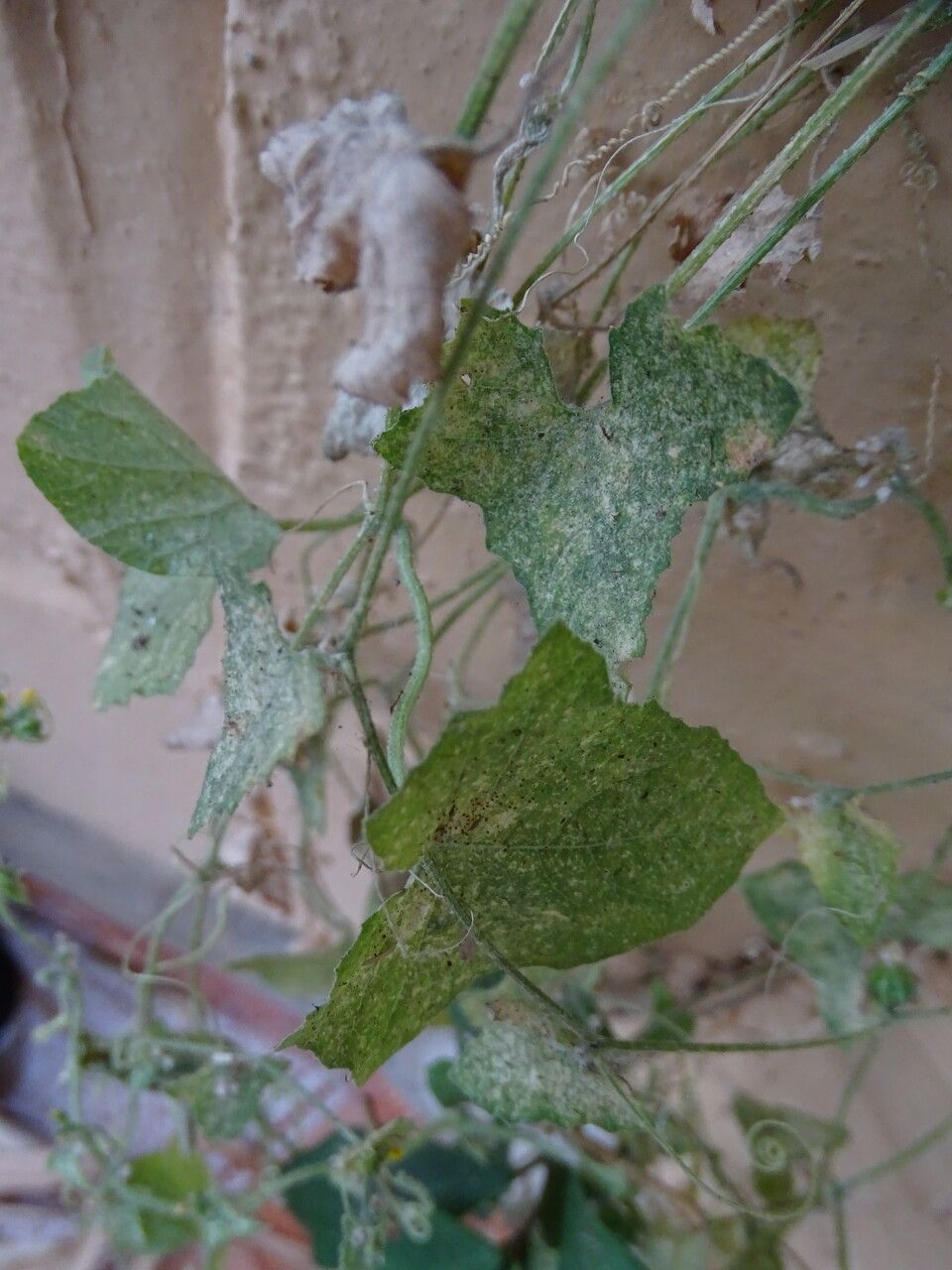
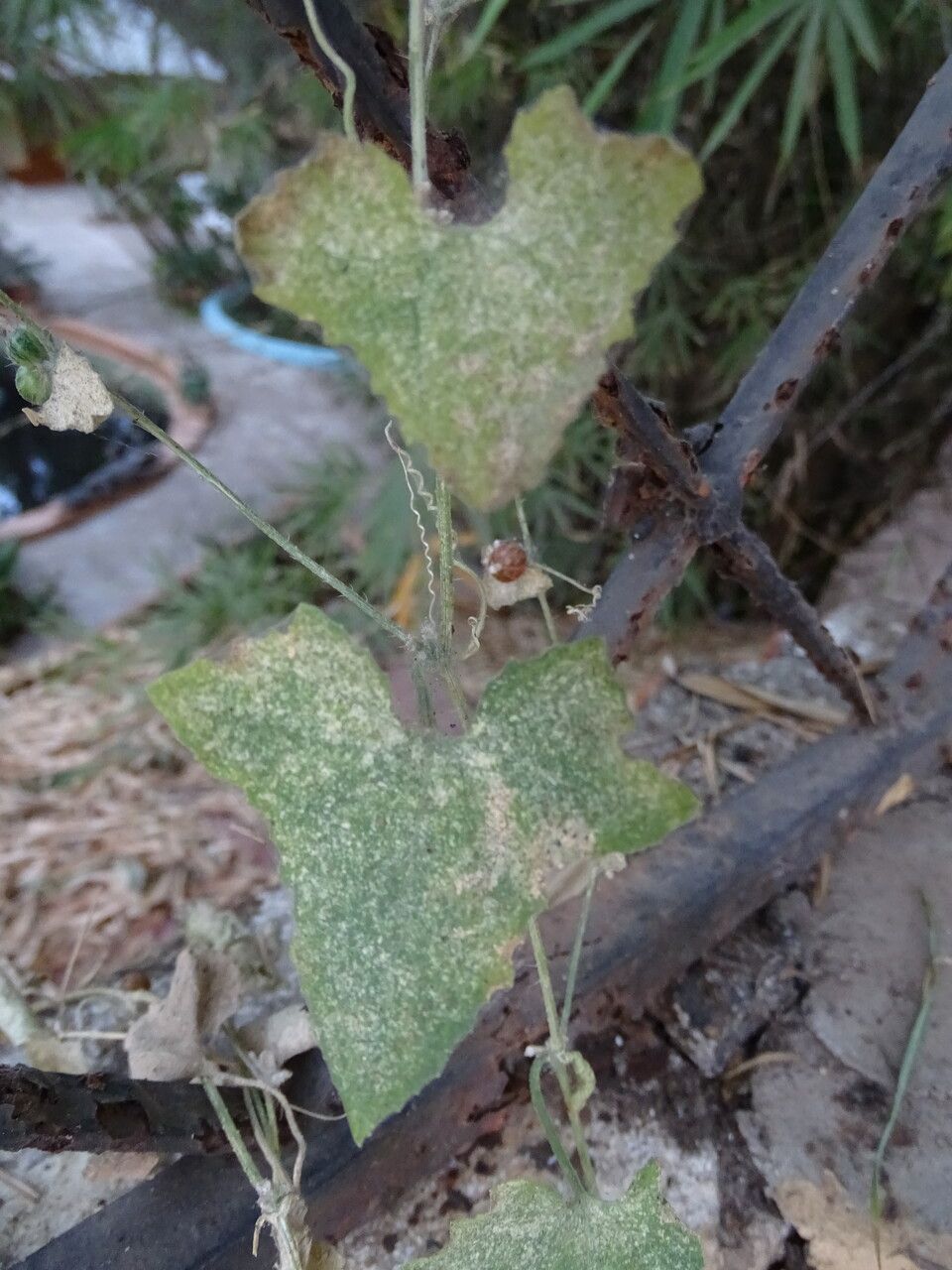
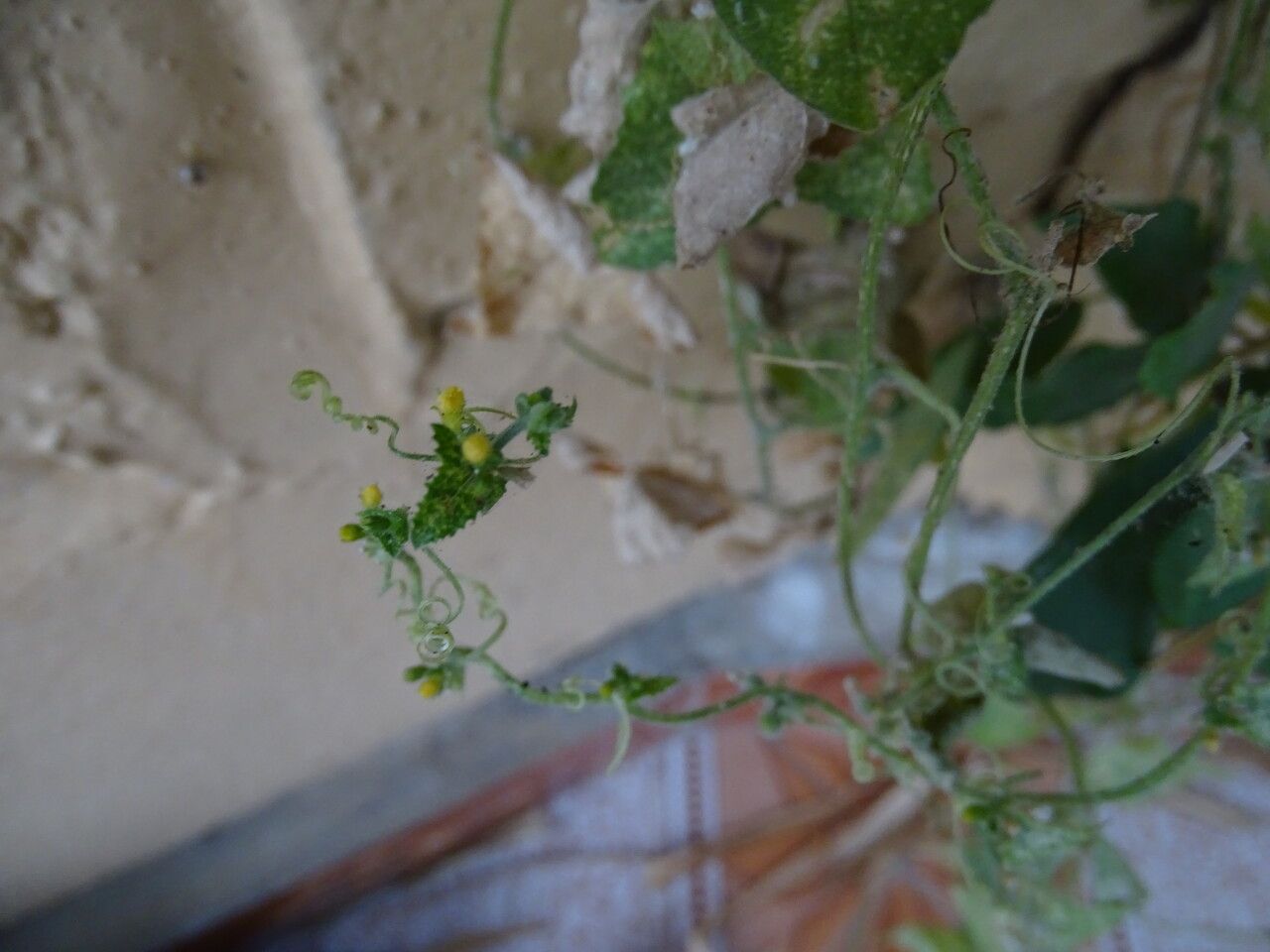
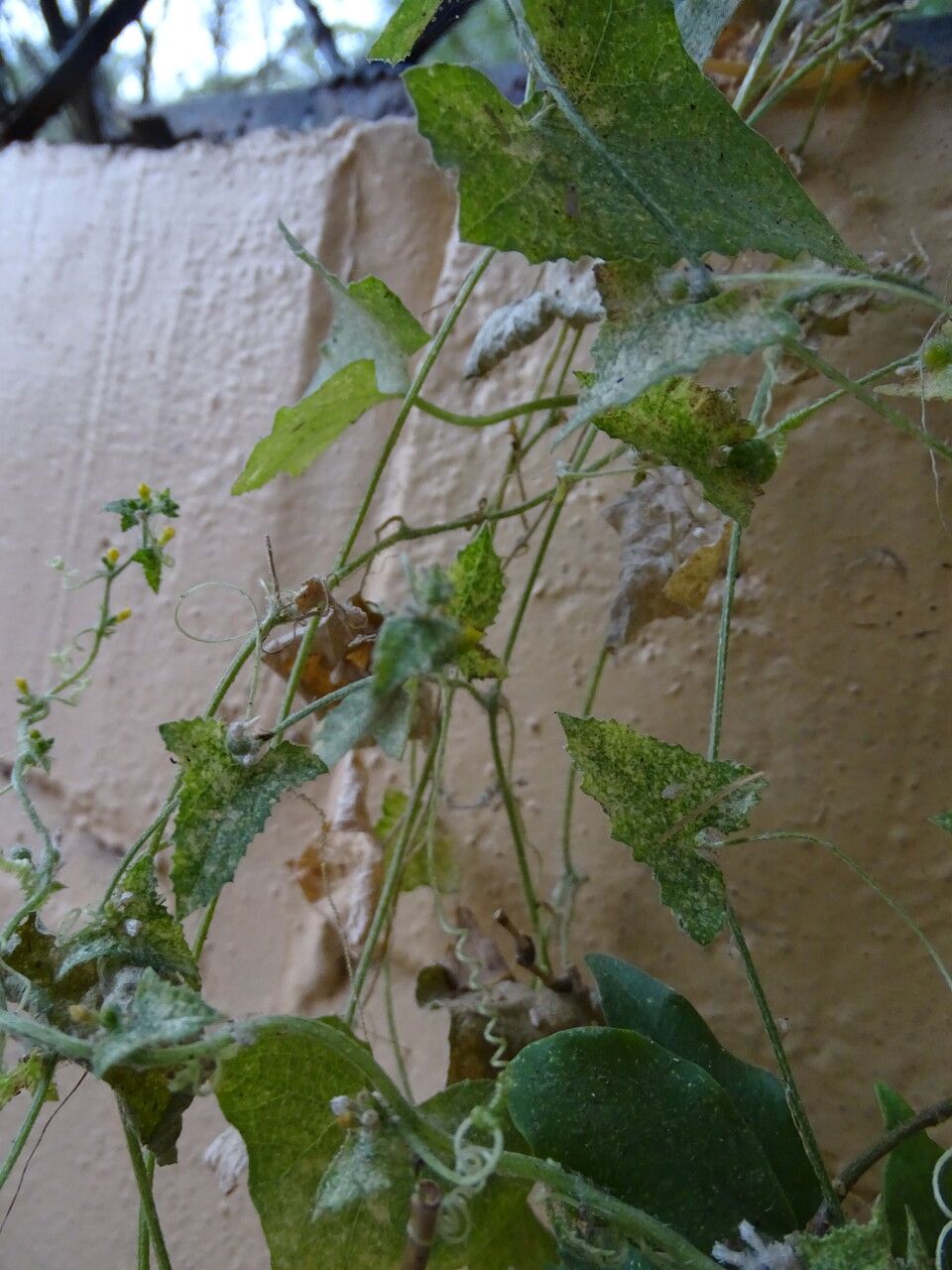
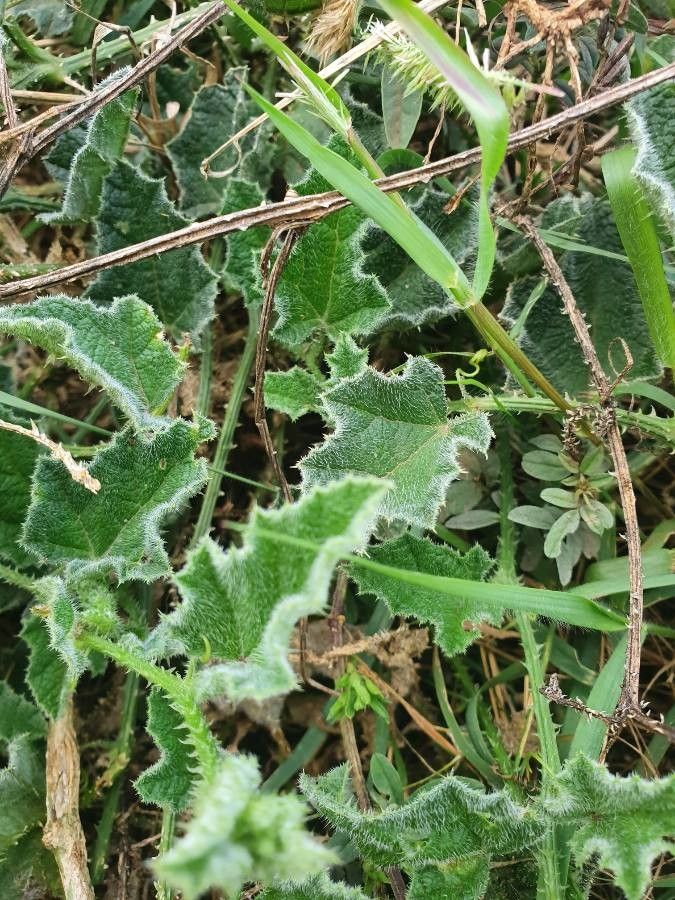
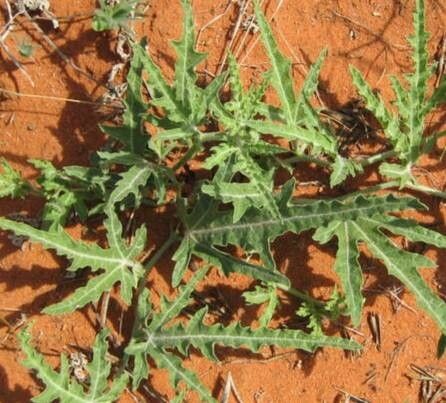
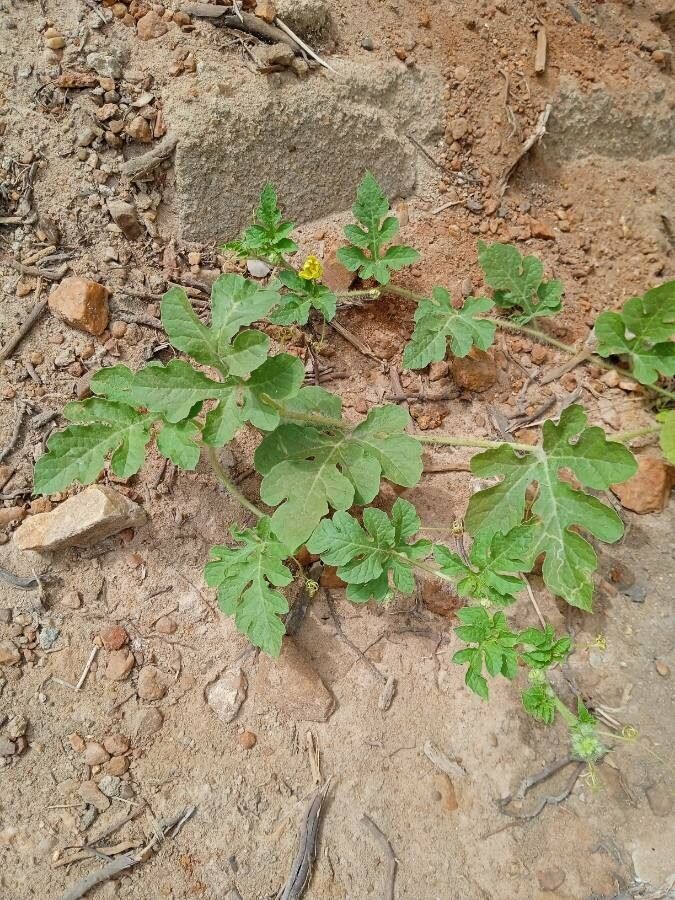
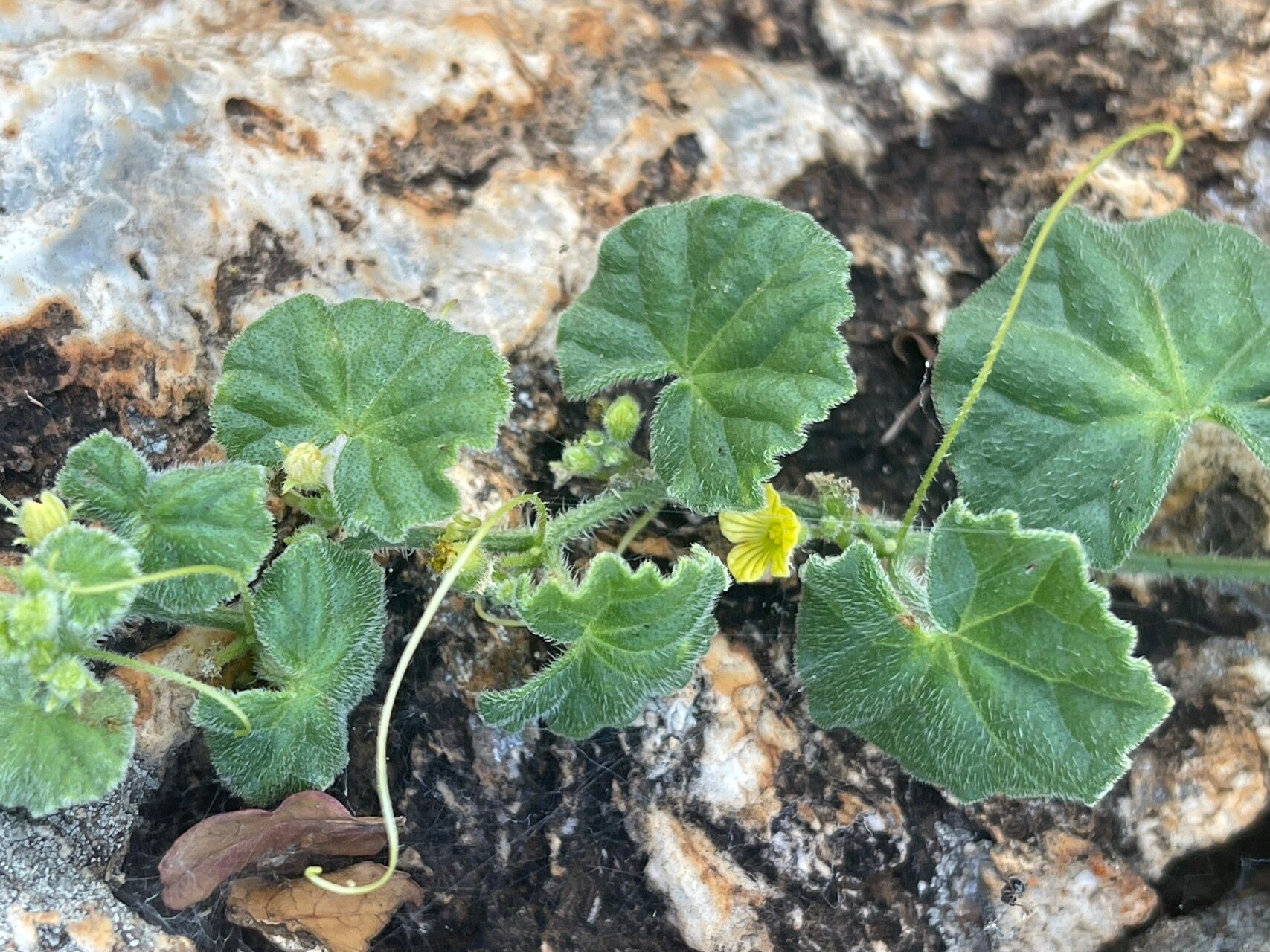
Cucumis maderaspatanus is a species of plant in the family Cucurbitaceae. The species is found throughout the tropics and subtropics, from west Africa to Australia. One of its many synonyms is Mukia maderaspatana.
Pea pumpkin has good resistance to diseases and is generally not very susceptible to them. Nevertheless, it can be affected by pests and illnesses present in its environment. These problems are typically not serious. Regarding care, this plant needs a moderate level of maintenance. It should be pruned regularly to keep a neat appearance and support healthy growth. Fertilizing can also encourage flowering. Pea pumpkin is appropriate for anyone with outdoor space, like a garden or patio, and does not demand much prior gardening experience. It may need additional attention when cultivated indoors.
How to keep Cucumis Maderaspatanus.
Light
Pea pumpkin comes from bright, open habitats and flourishes in full sun. It can tolerate partial sun but favors direct sunlight for optimal growth. This annual and biennial plant is noted for its sun-loving nature.
Water
Pea pumpkins thrive in environments with consistent moisture and typically require watering about twice a week. They benefit from higher humidity levels and are usually grown outdoors because they need ample space. For optimal growth, pea pumpkins do best when rainfall aligns with their active growing season in tropical regions.
Temperature
Pea pumpkin originates from tropical regions, where the climate is typically warm and humid. As a result, it is well adapted to high temperatures and humidity. It does not tolerate sudden temperature changes and prefers a stable temperature environment, so it is important to avoid temperature fluctuations indoors. It usually cannot withstand cold and requires higher temperatures for growth. If the environmental temperature drops too low, the plant may stop growing or even die.
Fertilizer
When most of the Pea pumpkin's blooms have opened to full size, resume fertilizing. During the period of peak bloom, apply fertilizer every three to four weeks, depending on the weather. Then, once the Pea pumpkin begins producing fewer new blooms, stop fertilizing; there's no need to feed the plant when it can no longer produce additional blooms.
Pruning
The pea pumpkin plant features tendrils and produces small, edible fruits. Prune it from early to late spring to remove dead stems, improve airflow, and encourage bushier growth. Regular pruning enhances plant health and aligns with its growth cycles, promoting vigorous new growth and a higher fruit yield.
Botanical profile.
- Plant Type
- Herb
- Life Cycle
- Annual
- Genus
- Cucumis
- Family
- Cucurbitaceae
- Hardiness Zone
- 10-12
- Mature Height
- 13.11 m
- Mature Spread
- 0.91 m to 2.13 m
- Leaf Color
- Green
- Leaf Type
- Deciduous
- Flower Color
- Yellow
- Flower Size
- 0.10 cm to 0.25 cm
- Bloom Time
- Summer, Early fall, Mid fall
- Planting Time
- Spring, Summer
- Harvest Time
- Late summer, Fall, Early winter
- Native Area
- Sri Lanka, Burkina Faso, India, Malaysia, Angola, Rwanda, Pakistan, Eritrea, Nigeria, Yemen, Kenya, Uganda, Tanzania, Zimbabwe, Niger, Mali, Guinea-Bissau, Benin, Sierra Leone, Indonesia, Cambodia, Cameroon, Burundi, Mozambique, Ghana, Ethiopia, Congo, Nepal, Saudi Arabia, Malawi, Central African Republic, South Africa, Zambia, Sudan, Philippines, Mauritania, Laos, Bangladesh, Guinea, Chad, Vietnam, Myanmar, Togo, Bhutan, Senegal, Eswatini, Côte d'Ivoire, Gambia, Congo (DRC), Thailand, Gabon
Other names.