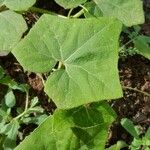
Cucumis melo
خربزه · كانتالوب · Cantaloupe · Melon · Muskmelon
Description
Source: leafsnapCucumis melo, also known as melon, is a species of Cucumis that has been developed into many cultivated varieties. The fruit is a pepo. The flesh is either sweet or bland, with or without a musky aroma, and the rind can be smooth (such as honeydew), ribbed (such as European cantaloupe), wrinkled (such as casaba melon), or netted (such as muskmelon). In North America, the sweet-flesh varieties are often collectively called muskmelon, including the musky netted-rind varieties and the inodorous smooth-rind varieties, and cantaloupe usually means the former type. However, muskmelon in a narrow sense only refers to the musky netted-rind type, while the true cantaloupe is the European type with ribbed and often warty rind that is seldom grown in North America.The origin of melons is not known. Research has revealed that seeds and rootstocks were among the goods traded along the caravan routes of the Ancient World. Some botanists consider melons native to the Levant and Egypt, while others place their origin in Iran, India or Central Asia. Still others support an African origin, and in modern times wild melons can still be found in some African countries.
💡 According to legend, when cantaloupe seeds were first brought to China, many regions were unable to grow sweet cantaloupes. Then one day, a horse happened upon some soft, sandy soil. With cantaloupe seeds in its mouth, the horse licked the soil, inadvertently planting the seeds. The following year, fresh, sweet, and juicy cantaloupes emerged from the ground.
🌳 Melon is often viewed as merely a summertime treat, but its applications reach much further. Its seeds, high in essential nutrients and linoleic acid, have traditionally been used in skincare. Additionally, the seeds are now being investigated for biofuel, offering a renewable energy alternative similar to sunflower and rapeseed.
🎭 Long life, good health
Care Guide
💧 Water Twice per week
Cantaloupe thrives in warm, tropical-like environments where it requires consistent moisture. However, avoid conditions that are too wet or prone to drought. For optimal growth and healthy fruit development, it’s best to water the plants twice a week, especially during the growing season.
When Should I Water My Cantaloupe?
Watering cantaloupe is essential for its growth and fruit production, especially during bloom and fruit set periods. The soil should be kept moist but not waterlogged. Check the top 2-3 inches of soil; if dry, it's time to water. Look out for wilting or drooping leaves, a sign of dehydration, particularly during cooler parts of the day. Maintaining consistent soil moisture is crucial as the fruit grows. However, be wary of overwatering, as it can cause root rot, wilting, and even split open fruits. Underwatering leads to slow growth, potential disease susceptibility, and bitter-tasting fruit.
How Should I Water My Cantaloupe?
Cantaloupe plants, being deep-rooted, benefit from deep watering to ensure moisture reaches the root level. This method involves saturating the soil around 4 to 6 inches deep. It's vital to water at the plant's base to avoid wetting the leaves and vines, which can lead to mildew or rot. Employ a soaker hose or drip irrigation system for efficient watering and consider using a moisture meter to monitor soil humidity. When watering, aim directly at the base, avoiding the foliage, and consider mulching to help retain soil moisture.
How Much Water Does Cantaloupe Really Need?
Cantaloupe requires consistent moisture for optimal growth, with the amount of water needed varying by factors like pot size and plant size. Generally, about 1 inch (2.5 cm) of water per week is recommended. A well-hydrated plant will display green, turgid leaves and produce ample fruits. Signs of under or over-watering include yellow, crispy, or mushy leaves and stunted growth or root rot, respectively. It's crucial to balance watering to avoid both dehydration and excess moisture to prevent plant stress and ensure healthy development.
What Kind of Water is Best for Cantaloupe?
The ideal water for cantaloupe is rainwater, due to its softness and lack of chemicals. If inaccessible, distilled or filtered water serves as an alternative. Cantaloupe can be sensitive to chlorine and other chemicals typically found in tap water, which might inhibit growth. Letting tap water sit out overnight helps evaporate chlorine. Room temperature water is preferred to avoid shocking the plant. Choosing the right water type and temperature is key to promoting healthy growth and a fruitful yield.
How Do Cantaloupe's Watering Needs Change with the Seasons?
Cantaloupe's watering needs vary through the seasons. In spring, establish a moderate watering routine, ensuring the soil isn't overly wet to encourage root development. Summer demands increased watering due to higher temperatures and sunlight exposure, emphasizing the importance of keeping soil consistently moist. Autumn watering should gradually reduce, allowing for drier soil to minimize fungal disease risk. Winter generally requires minimal to no watering, especially if the plant goes dormant or dies back in colder climates.
☀️ Light Full sun
Melon grows best with plenty of sunlight each day, which is crucial for its healthy development. Its various growth stages need substantial light, especially during the fruiting stage. Since it comes from regions with strong daily sun exposure, it can struggle when sunlight is reduced or when it is excessively intense.
What are the sunlight requirements for growing cantaloupe?
Cantaloupe requires a significant amount of sunlight exposure every day for healthy growth, especially during its fruiting phase. It thrives best in full sun conditions, which means it needs above 6 hours of sunlight daily. However, it can also grow in partial sun, getting about 3-6 hours of sunlight. Keeping an eye on how sunlight moves through your garden will help you choose spots that provide the perfect balance of light and shade for your plants, ensuring their happiness and optimal growth.
How important is sunlight for cantaloupe growth?
Sunlight is essential for the healthy growth of cantaloupe, as it originates from areas with considerable daily sun exposure. Different growth stages of the cantaloupe plant require significant amounts of light, particularly during its fruiting phase. If the sunlight is either diminished or overly intense, the cantaloupe may struggle. Artificial lighting can be a vital solution for indoor plants when natural sunlight is insufficient, particularly in less sunny spaces or during the winter, promoting faster, healthier growth.
What symptoms indicate a cantaloupe plant is not receiving enough light?
When cultivated indoors or under inadequate light conditions, cantaloupe plants may exhibit several symptoms indicating light deficiency. These include smaller new leaves, leggy or sparse growth, faster leaf drop, slower or no new growth, and the development of lightly colored new leaves. Additionally, chlorosis and sunscald can occur due to inappropriate light exposure, whereas leaf curling, wilting, and leaf scorching are defenses or reactions to adverse conditions, pointing towards either excessive sunlight or insufficient light.
What solutions can help improve light conditions for indoor and outdoor cantaloupe plants?
For indoor cantaloupe plants, gradually moving them to sunnier locations each week until they receive at least 6 hours of direct sunlight daily is advisable. Using a south-facing window or artificial lighting, such as professional plant grow lights, for at least 8 hours daily can also be beneficial. For outdoor plants, moving them to sunnier spots gradually to avoid sunburn and pruning any obstructions like trees to allow more sunlight are effective strategies. Additionally, transplanting smaller plants to locations with ample sunlight and good drainage during their dormant period can improve their growth condition.
🌡️ Temperature 5–37.8°C
Melon originates from areas with temperatures between 68 and 100°F (20 to 38℃). It flourishes in warm weather. Careful control of temperature across seasons is required to maintain ideal growth conditions.
What are the optimal growing conditions for cantaloupe?
Cantaloupe thrives best in environments where the temperatures range from 68 to 100°F (20 to 38°C), indicating its preference for warm weather. The plant demonstrates strong cold resistance, negating the need for special frost protection measures in most cases. However, to maintain optimal growth conditions, careful temperature management across different seasons is crucial. During periods when winter temperatures are expected to drop significantly, it's recommended to protect the plant against the cold by wrapping its trunk and branches with non-woven fabric or cloth. Additionally, watering the plant abundantly before the first freeze in autumn helps keep the soil moist, preventing drought and water scarcity during the colder months.
What should be done if a cantaloupe experiences low temperatures?
Cantaloupe is cold-tolerant and fares best when the temperature remains above its minimum suitable growth temperature. Throughout winter, it's important to ensure that the temperature does not drop below the plant's tolerable growth minimum. When temperatures fall below this threshold, you might not observe noticeable changes during winter; however, come spring, the branches may become brittle and dry, with no new shoots emerging. If this happens, it's advisable to prune away any dead branches that have failed to produce new leaves as a way to manage and possibly rectify the damage incurred due to low temperatures.
How to care for cantaloupe in high temperature conditions?
During the summer months, it's crucial to ensure that cantaloupe is kept below its maximum suitable growing temperature to prevent heat stress. If the temperature soars above the plant's tolerable maximum, you may notice that the leaves start to lighten in color, and the tips may become dry and withered, increasing the plant's susceptibility to sunburn. To mitigate these issues, it's advisable to trim away any sunburned and dried-up parts. Moving the plant to a shaded location, particularly away from the midday and afternoon sun, or employing a shade cloth can offer protection. Additionally, watering the plant during cooler times of the day, such as morning and evening, helps keep the soil adequately moist and supports the plant's overall health in high temperatures.
💨 Humidity normal (40-60%)
This plant will thrive in moderate humidity, which is probably the level in your home. However, misting it a few times a week can be very beneficial. Make sure the room has good ventilation.
🪴 Soil 6-7
🌱 Fertilizer
The melon plant needs adequate nutrients to achieve the best fruit production. Fertilize in early spring to encourage new growth and flower development. Regular fertilizing keeps the plant healthy, supports the growth of tastier fruit, and prevents nutrient-deficiency problems like yellowing leaves and poor fruit production.
Why do I have to add fertilizer to my Cantaloupe?
Plants, especially fast-growing ones like Cantaloupe, deplete the soil of nutrients as they grow. Regular fertilization is necessary to ensure that Cantaloupe stays healthy and produces delicious fruit. If plants are not fertilized for a long time, they may encounter various problems. One common issue is foliage problems, such as yellow leaves or leaves with a reddish color. Additionally, nutrient deficiency can result in shape deformities, withered tips, or even dieback across large sections of the plant. Some nutrient deficiencies can also impact bark health, slow growth, hinder shoot development, and reduce fruit production.
When should I fertilize my Cantaloupe?
The optimal time to fertilize is in early spring, prior to the emergence of buds. Cantaloupe utilizes the stored reserves from winter dormancy to facilitate new growth. Adequate energy is necessary to support bloom development, hence fertilizing about 2 to 4 weeks before expected blooming allows enough time for the nutrients to permeate the soil and be absorbed by the plant. Although you can continue to provide nourishment during spring, it is advisable to refrain from fertilizing in autumn as excessive foliage growth late in the season increases susceptibility to winter damage.
When is the best time to not fertilize my Cantaloupe plant?
Here are some tips to follow when fertilizing Cantaloupe plants: 1. In the first year of growth, avoid fertilizing Cantaloupe altogether. If fertilizer is not necessary, be cautious about providing it. 2. If you pruned 20% or more of the plant the previous year, do not fertilize. 3. Avoid fertilizing plants that are diseased or damaged, as this can do more harm than good. Instead, address the root cause of the issue before considering fertilizer. 4. Avoid fertilizing after the peak of summer, as this can cause excessive growth just before winter. 5. During hot and dry times of the year, refrain from fertilizing Cantaloupe. Dry soil does not effectively deliver fertilizer, and stimulating growth during this time can require more water. 6. It is best to apply fertilizer earlier in the season when temperatures are cooler. 7. Be cautious about inadvertently giving plants a double dose of fertilizer, as Cantaloupe can absorb fertilizer from nearby plants or lawns.
What kind of fertilizer should I use for my Cantaloupe?
Using fertilizer that contains a balance of nitrogen, phosphorus, and potassium can bring many benefits to plants. Nitrogen is important for leaf growth and chlorophyll production. Phosphorus helps support the root system and promotes the development of blossoms, fruits, and seeds. Potassium plays a role in photosynthesis and the movement of water and nutrients throughout the plant. When choosing a fertilizer, you can opt for a commercial one that is specifically designed for a particular type of tree. Alternatively, you can use organic sources of nitrogen such as manure, feather meal, or blood meal. To ensure you apply fertilizer accurately, conducting a soil test can give you a better understanding of the condition of your soil. For commercial fertilizers, if your soil lacks sufficient phosphorus and potassium according to the soil test, you can use a balanced granular fertilizer with a ratio of 10-10-10 or similar. In most cases, nitrogen in the soil is continuously depleted with rainfall. If your soil already has enough phosphorus and potassium, it would be more appropriate to use a high-nitrogen fertilizer with a ratio of 6-2-1 or 10-2-2.
How should I fertilize my Cantaloupe?
To ensure you properly fertilize your Cantaloupe plant, always follow the instructions specific to the type of fertilizer you are using. It's crucial to avoid over-fertilizing the Cantaloupe, so determining the correct amount is vital, especially for fruit trees. Typically, you can use the age of the tree or the trunk's diameter as a guideline. Estimate approximately one-tenth of a pound of fertilizer per year or per inch of trunk, with a maximum of one pound. Note that Cantaloupes should not be fertilized in the early years. Granular fertilizers and organic options like blood meal should be applied by sprinkling them around the base of the tree, extending to the drip line (the area beneath the outermost branches). While doing this, ensure that the fertilizer does not come into contact with the trunk. Over time, the granules will break down and filter into the soil, being absorbed by the roots. After fertilizing, spread a layer of compost around the base of the tree, about an inch deep, and water thoroughly.
🪴 Pot & Repot
When you repot Melon, choose a pot that is 1–2 inches (2.5–5.1 cm) larger in diameter and has good drainage. Use a well-draining potting mix and consider adding perlite for extra drainage. Repot in spring or early summer, water thoroughly afterward, and keep it in a shaded spot at first.
✂️ Pruning
Cantaloupes benefit from regular pruning in mid-spring, which improves both the quality and yield of the fruit. When pruning, concentrate on removing lateral shoots, excess foliage, non-fruit-bearing vines, and any diseased leaves. Be sure to use clean tools to minimize pests and encourage healthier, larger fruit.
🌿 Propagating
🐛 Diseases & pets
☠️ Toxicity
Generally, melons are not toxic as they are eaten by humans and pets. The only time they become unsafe for consumption is when they have been contaminated by bacteria. In instances like this they are unsafe and cause serious gastrointestinal disorders if ingested.
Characteristics
- Plant Type
- Vine, Herb
- Life Cycle
- Annual
- Genus
- Cucumis
- Family
- Cucurbitaceae
- Hardiness Zone
- 5-11
- Mature Height
- 1.52 m
- Mature Spread
- 91 cm
- Leaf Color
- Green
- Leaf Type
- Deciduous
- Flower Color
- Yellow
- Flower Size
- 0.20 cm to 2.03 cm
- Bloom Time
- Late spring, Early summer
- Planting Time
- Spring, Summer
- Harvest Time
- Mid summer
- Native Area
- South Asia, Africa