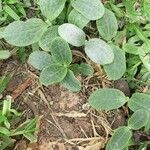
Cucurbita foetidissima
Buffalo gourd · Prairie gourd · Missouri gourd · Calabazilla · Chilicote
Description
Source: leafsnapCucurbita foetidissima, commonly known as the stinking gourd or wild pumpkin, is a perennial vine that belongs to the Cucurbitaceae family. Native to North America, it thrives in the arid regions of the southwestern United States and Mexico. This plant features a thick stem that can extend up to 10 feet in length and produces large, yellow flowers that bloom in late summer. The fruit of Cucurbita foetidissima is a substantial gourd-like structure with a hard outer shell covered in warts or bumps. These fruits can grow up to 12 inches long and weigh as much as 10 pounds. Despite its unpleasant odor when ripe, the fruit of Cucurbita foetidissima has been used by Native Americans for centuries as both food and medicine. The seeds are rich in protein and oil, while the flesh can be cooked similarly to squash or pumpkin. Cucurbita foetidissima also holds cultural significance among Native American tribes, who use it in ceremonial practices such as making rattles or masks. Additionally, this plant has potential medicinal properties due to its high levels of cucurbitacin, an anti-tumor compound that may possess anti-cancer properties. Overall, Cucurbita foetidissima is a fascinating plant with cultural importance and potential medicinal benefits worth further exploration.
🌳 Buffalo gourd presents a surprising opportunity as a sustainable energy source. Because it yields substantial biomass and grows well in dry environments, researchers have been examining the practicality of using buffalo gourd seeds for biofuel production. This adaptable gourd could offer a renewable energy option that particularly aids regions where traditional crops struggle.
🎭 Security
Care Guide
💧 Water Every 7 days
Native to arid regions, the buffalo gourd thrives with minimal moisture due to its high drought tolerance. While it needs weekly watering, it also has deep roots that access water during dry spells. This makes it well-suited for xeric landscapes, as it efficiently uses scarce rainfall in arid climates.
How should I water my Buffalo gourd?
The Buffalo gourd has specific preferences for both the amount and method of watering. If you don't water it correctly, your tomatoes could be damaged. The recommended method is to water the Buffalo gourd by applying the water directly to the soil in a slow and gentle manner. Avoid pouring all the water at once or using overhead watering. While watering slowly, make sure to water deeply to ensure the soil around the Buffalo gourd is moist enough.
What should I do if I give my Buffalo gourd too much or too little water?
If you realize you've overwatered your Buffalo gourd and are worried about the chance of disease, take action right away. The best solution for an overwatered Buffalo gourd is to remove it from its current spot. Once the plant is out of the ground, let its roots dry a bit before replanting it in a new location with well-draining soil. If you're growing the gourd in pots, you may need to transfer it to a pot with more or larger drainage holes. On the other hand, if you're underwatering the plant, simply increase the frequency of watering.
How frequently should I give water to my Buffalo gourd?
Buffalo gourd requires a lot of water during its growing season. To meet its high water needs, you should water it regularly throughout spring and summer. At the beginning of the growing season, water it once or twice a week. As the season goes on, increase the frequency of watering. In the summer, you may even need to water it twice a day or more, depending on the weather. Once the Buffalo gourd has completed its main growth stages, you can reduce watering to about once a week until the end of the growing season.
How much water does my Buffalo gourd plant need?
Buffalo gourd plants are highly popular and well-cared for by both professional and amateur gardeners. One aspect we have a good understanding of is their watering needs, including the specific amount of water they should receive. On average, Buffalo gourd plants need about 1 - 1.5 inches of water per week, which should be evenly distributed during each watering session. As the temperature rises, you might need to provide additional water, but generally, a baseline amount of two inches per week works well.
How do I know if I'm watering my Buffalo gourd enough?
Both underwatering and overwatering can cause issues for your Buffalo gourd, and these problems can result in similar symptoms. For instance, discoloration and wilting of the foliage can occur due to either underwatering or overwatering. When your Buffalo gourd is not getting enough water, you will notice its leaves curling and drooping initially, followed by a reduction in leaf vigor. As this plant requires a significant amount of water, underwatering can also result in stunted growth and poor overall development, affecting both the flowers and the plant itself. On the other hand, overwatering is more likely to lead to diseases such as rot and can also cause unpleasant odors emanating from the soil. The symptoms of underwatering are typically more apparent and show up faster compared to overwatering. Additionally, overwatering can be detected by observing soil conditions, particularly an excessive amount of standing water or waterlogging.
☀️ Light Full sun
Buffalo gourd does best with abundant sunlight; because of where it originates, it comes from areas exposed to intense solar radiation. Its healthy growth depends greatly on plenty of sun, and both excessive and insufficient sunlight can negatively affect its overall development.
What are the sunlight requirements for Buffalo gourd?
Buffalo gourd requires specific amounts of sunlight to thrive. Full sun exposure means the plant should receive above 6 hours of sunlight daily, while partial sun entails about 3-6 hours of sunlight. It's essential to monitor how sunlight moves through your garden to ensure your plants get the ideal balance of light and shade, contributing to their well-being.
How does sunlight affect the growth of Buffalo gourd?
Sunlight significantly influences the growth of Buffalo gourd, a plant that is accustomed to a lot of sunlight in its natural habitat. Proper sun exposure is crucial for its healthy development; both overexposure and underexposure can negatively affect the plant. In environments where natural sunlight is inadequate, especially during winter or in less sunny spaces, artificial lighting can be beneficial. This includes using LED lights that can offer the specific wavelengths required. For full sun plants, 30-50W/sq ft of artificial light is recommended, 20-30W/sq ft for partial sun plants, and 10-20W/sq ft for full shade plants. The proper distance and duration of light exposure are also important considerations.
What symptoms indicate Buffalo gourd is not receiving enough sunlight?
When Buffalo gourd does not get enough light, it may display several symptoms, including smaller new leaves, leggy or sparse growth, faster leaf drop, slower or no new growth, lighter-colored new leaves, and symptoms of chlorosis, sunscald, leaf curling, wilting, and leaf scorching. These symptoms reflect the plant's struggle with inadequate sunlight, which can hinder its ability to photosynthesize and maintain healthy growth.
What are the solutions for Buffalo gourd receiving insufficient sunlight?
To address insufficient sunlight for Buffalo gourd, gradually increase sun exposure to at least 6 hours daily. This can involve moving the plant to a sunnier location or using a south-facing window. Consider artificial lighting for indoors, keeping lights on for at least 8 hours a day. For outdoor plants, a gradual adjustment to sunnier spots is key to preventing sunburn. If sunlight is blocked by obstacles like trees, consider pruning to improve light access. For small plants, transplanting during the plant's dormant period to a location with better sunlight and drainage might be necessary. Remember, while parts of the plant that have suffered might not recover, new growth should be healthy with adequate light adjustments.
🌡️ Temperature 20–37.8°C
Buffalo gourd is native to habitats where temperatures typically range from 68 to 100 °F (20 to 38 °C). It prefers these moderate climates. For optimum growth, try to maintain those conditions, making adjustments as the seasons change.
What is the ideal temperature range for Buffalo gourd growth?
Buffalo gourd is best suited to environments with temperatures ranging from 68°F to 100°F (20°C to 38°C). These moderate climates are optimal for its growth. To ensure the Buffalo gourd thrives, it's important to maintain temperatures above 20°C, particularly during the winter, and ensure that the minimum temperature stays above the freezing point to avoid freezing damage. When winter temperatures approach -5°C (25°F), it's advisable to bring the plants indoors or provide protection using a temporary greenhouse or wrapping materials like plastic film or fabric.
How does Buffalo gourd respond to low temperatures, and what should I do if it gets too cold?
Buffalo gourd has a moderate tolerance to low temperatures, thriving best between 20°C and 38°C. During winter, ensuring that the temperature remains above 0°C is crucial. Exposure to temperatures below -5°C can lead to leaves darkening, and in severe cases, water-soaked necrosis, wilting, drooping, with leaves gradually turning brown may occur. To protect the plant, trim away any frost-damaged parts and move it indoors to a warm environment or set up a makeshift greenhouse for cold protection. Placing the plant near a south-facing window indoors ensures ample sunlight, supplemented with additional lighting if necessary.
What are the effects of high temperatures on Buffalo gourd and how can they be mitigated?
Buffalo gourd should ideally be kept below 38°C during summer. When temperatures exceed 43°C, the plant's growth can slow down, its leaves may lighten in color, and it becomes more prone to sunburn. To mitigate these effects, trim away any sunburned or dried-up parts and relocate the plant to an area shaded from the afternoon sun. Watering the plant in the morning and evening can also help keep the soil moist and reduce temperature stress.
💨 Humidity normal (40-60%)
This plant will thrive in moderate humidity, which is probably the level in your home. However, misting it a few times a week can be very beneficial. Make sure the room has good ventilation.
🪴 Soil 6-7
🌱 Fertilizer
Buffalo gourd fixes nitrogen naturally through its roots, reducing the need for extra fertilizers. It prefers well-draining soils, and depending on the soil makeup, fertilization may not be required. However, low potassium or phosphorus can impede successful growth, while a nitrogen shortage is not problematic.
🪴 Pot & Repot
✂️ Pruning
Buffalo gourd is a resilient perennial plant with sprawling vines, making it ideal for arid climates. It's best to prune the plant in early spring to remove dead growth, improve air circulation, and manage its spread. Be sure to use clean tools for this task. Pruning not only protects the plant's health but also boosts fruit production and overall vitality.
🌿 Propagating
🐛 Diseases & pets
☠️ Toxicity
Characteristics
- Plant Type
- Herb, Vine
- Life Cycle
- Perennial, Annual
- Genus
- Cucurbita
- Family
- Cucurbitaceae
- Hardiness Zone
- 9-11
- Mature Height
- 2.13 m to 10.06 m
- Mature Spread
- 6.1 m
- Leaf Color
- Green, Gray
- Leaf Type
- Deciduous
- Flower Color
- Yellow
- Flower Size
- 1.02 cm to 1.78 cm
- Bloom Time
- Late spring, Early summer, Mid summer
- Planting Time
- Spring, Summer
- Harvest Time
- Mid summer
- Native Area
- Mexico