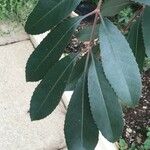
Cunonia capensis
Butterspoon tree · Butterspoon · Red Alder · African red alder
Description
Source: leafsnapCunonia capensis, the butterspoon tree, butterknife tree, African red alder, red alder or rooiels, is a small tree found in the afromontane forests of southern Africa, and along rivers. It is grown as an ornamental in gardens for its attractive glossy foliage and its clusters of tiny, scented, white flowers. It is the only one of 24 species of Cunonia to occur outside of New Caledonia in the Pacific.
Care Guide
💧 Water
The African red alder, native to Southern Africa, flourishes in consistently moist conditions. It should be watered every 1 to 2 weeks, allowing the soil to dry slightly between waterings. When grown outdoors, the plant benefits from natural rainfall, which provides sufficient moisture without the risk of waterlogging.
How should I water my African red alder tree?
To water your African red alder, you have many options. You can use common watering tools like watering cans, hoses, or even cups. It's important to water directly on the soil, making sure all areas are evenly moistened. If possible, use filtered water as tap water may have harmful particles. Also, try to use water that is at or slightly above room temperature to avoid shocking the plant. However, the African red alder generally does well with any kind of water you give it.
What should I do if I give too much or too little water to my African red alder tree?
Outdoor plants, particularly new and young ones, are prone to lack of watering. It is important to water them adequately for a few months after planting, as once their roots are established, they can rely on rainwater. When African red alder is planted in pots, overwatering is more likely to occur. If you accidentally overwater your African red alder, you should take immediate steps to address the issue. First, stop watering the plant to minimize the impact of overwatering. Then, remove the plant from its pot and inspect the roots for signs of root rot. If no root rot is found, you can return the plant to its pot. However, if root rot is present, trim the affected roots and consider applying a fungicide. Finally, replant the African red alder in well-draining soil. Conversely, if your African red alder is underwatered, water it more frequently. Underwatering is easily rectified as the leaves will droop and dry out, but they will regain their fullness after sufficient watering. Adjust your watering frequency as soon as you notice underwatering.
How often should I water my African red alder tree?
Most plants that grow outdoors can rely on rainfall for their watering needs. However, if you live in an area with limited rainfall, you should water your plants every two weeks in the spring and fall. In the summer, you will need to water more frequently. In the winter, when plants require less water due to slower growth, you can water less often or not at all. If you have a young or newly planted African red alder, it is important to water more frequently to help it establish and grow into a more adaptable and drought tolerant plant. For potted plants, there are two main approaches to determine watering frequency for your African red alder. The first is to follow a pre-determined watering schedule, such as once a week or every other week. However, this may not always be suitable as it does not consider the specific growing conditions of your plant. Another option is to monitor the moisture level of the soil. It is best to wait until the top two to four inches of soil, approximately one-third to half the depth of the pot, have dried out completely before watering again. This approach allows you to adjust the watering frequency based on the needs of your African red alder, which can vary depending on the season. During the summer, when the plant's water requirements are highest, a pre-determined watering schedule may not be sufficient.
How much water does my African red alder tree need?
To water your African red alder effectively, you don't always need to use a lot of water. If only a few inches of soil have dried since the last watering, you can give it about five to ten ounces of water. You can also base the amount of water you give on the moisture in the soil. Pay attention to how many inches of soil have dried out between waterings. An easy way to ensure your African red alder gets enough moisture is to water it enough to make all the dry soil layers moist again. If more than half of the soil is dry, it's a good idea to give more water. Keep adding water until you see it draining from the pot's drainage holes. If your African red alder is planted in an area that receives a lot of rain, you may not need to water it additionally. When the plant is young or establishing, aim for 1-2 inches of rain per week. As it grows, it can rely on rainwater alone. Only in extremely hot weather with no rain for 2-3 weeks, should you consider giving it a thorough watering to prevent stress.
How can I know if I am giving enough water to my African red alder tree?
When it comes to the African red alder, overwatering is a more common issue than underwatering. If you are overwatering your plant, some signs to watch out for are yellowing leaves and leaf drop. Overwatering can also cause the plant's overall structure to shrink and increase the risk of root rot. On the other hand, if you are not giving your African red alder enough water, it will begin to wilt and its leaves may turn brown or become brittle. Whether you notice signs of overwatering or underwatering, it is important to take action and restore the health of your African red alder.
☀️ Light Full sun
African red alder is native to open habitats, like sunny meadows and forest edges, where plenty of light is available. It does best in Full Sun but can also tolerate Partial Sun, adapting well to a variety of light conditions.
How much time should African red alder be in the sunlight each day to grow healthy?
To ensure healthy growth, African red alder should receive a minimum of 3-6 hours of sun daily. While this is the minimum requirement, plants that can tolerate part sun can also thrive in full sun. These plants are more adaptable because they need less light for photosynthesis compared to plants that require full sun or part shade.
What kind of sunlight does African red alder require?
African red alder thrives when exposed to full or part sun. For optimal performance, it prefers direct morning light. However, during summer, it requires protection from the strong afternoon sun to prevent the leaves from getting burned. Too much hot afternoon sun in temperate environments can damage the plant's appearance and health.
Can the sun harm African red alder trees? How can African red alder trees be protected from the sun and heat damage?
African red alder plants can be harmed by direct sunlight if they are suddenly moved outdoors. To prevent sunburn, gradually move the plants from a shaded area to a brighter spot. However, extreme heat can still damage plants even if they are used to the sun. During a heatwave, it's important to consistently keep the soil moist to help the plants handle the high temperatures. To protect sensitive African red alder during extreme weather, you can move potted plants to areas with afternoon shade or use a shade cloth to cover them.
Should I keep African red alder out of the sun?
African red alder benefits from morning sun and some full sun exposure, but it may struggle with the intense midday summer sun. If the plant is in the ground, it can gradually adapt to the increasing intensity of the summer sun. However, potted plants that have been indoors or in a protected location may get injured when suddenly exposed to direct summer sun at the hottest part of the day. To protect the plant from the harsh summer sun, it is recommended to plant it in a shaded area during midday, such as underneath taller trees or plants, or near a building or landscape feature.
What will happen if the African red alder does not get enough sunlight?
African red alder can have issues if it doesn't get enough sunlight. The leaves may turn pale green or droop and become yellow. It's normal for some leaves to fall off, but if new leaves aren't growing back, it means there's a problem. If the plant does manage to grow, the new growth may be weak and pale, making it more likely to be invaded by insects. By noticing these signs and adjusting the lighting, you can make a big improvement for the plant.
🌡️ Temperature 20–37.8°C
African red alder adapts well to warm conditions, tolerating higher temperatures and larger temperature swings. In hot weather, you should ensure adequate watering and provide proper shade to prevent sunburn. Its tolerance for low temperatures is comparatively weak; while it can survive some cold, very cold conditions can cause frost damage.
💨 Humidity
🪴 Soil 6-7
🌱 Fertilizer
The timing of fertilization is important for African red alder. Begin fertilizing in early spring and continue with monthly applications until early summer. Fertilizer promotes attractive blooms and supplies energy during both dormant periods and active growth.
🪴 Pot & Repot
✂️ Pruning
The African red alder is known for its lush, evergreen foliage and striking red stems. To maintain its shape and encourage healthy growth, it's important to prune the tree annually. This should be done from early to late winter while the tree is dormant. Begin by removing any dead branches—this will improve air circulation and help prevent leggy growth, resulting in a fuller, more attractive appearance.
🌿 Propagating
🐛 Diseases & pets
☠️ Toxicity
Characteristics
- Plant Type
- Tree
- Life Cycle
- Perennial
- Genus
- Cunonia
- Family
- Cunoniaceae
- Hardiness Zone
- 9-11
- Mature Height
- 4.57 m
- Mature Spread
- 3.96 m
- Leaf Color
- Dark Green
- Leaf Type
- Evergreen
- Flower Color
- White, Cream
- Flower Size
- 0.51 cm to 1.02 cm
- Bloom Time
- Winter
- Planting Time
- Spring, Summer, Autumn
- Harvest Time
- Spring
- Native Area
- South Africa