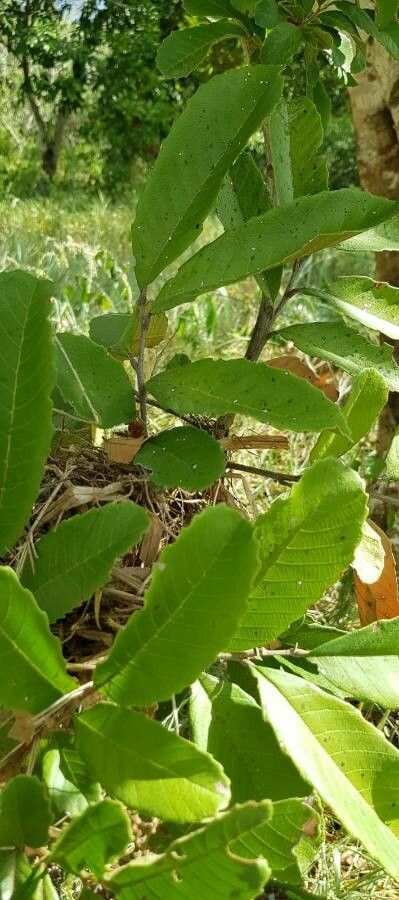
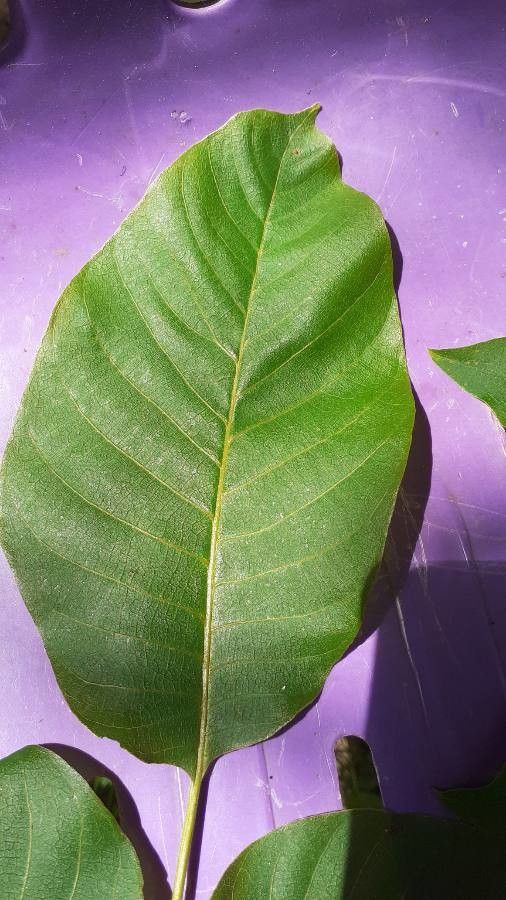
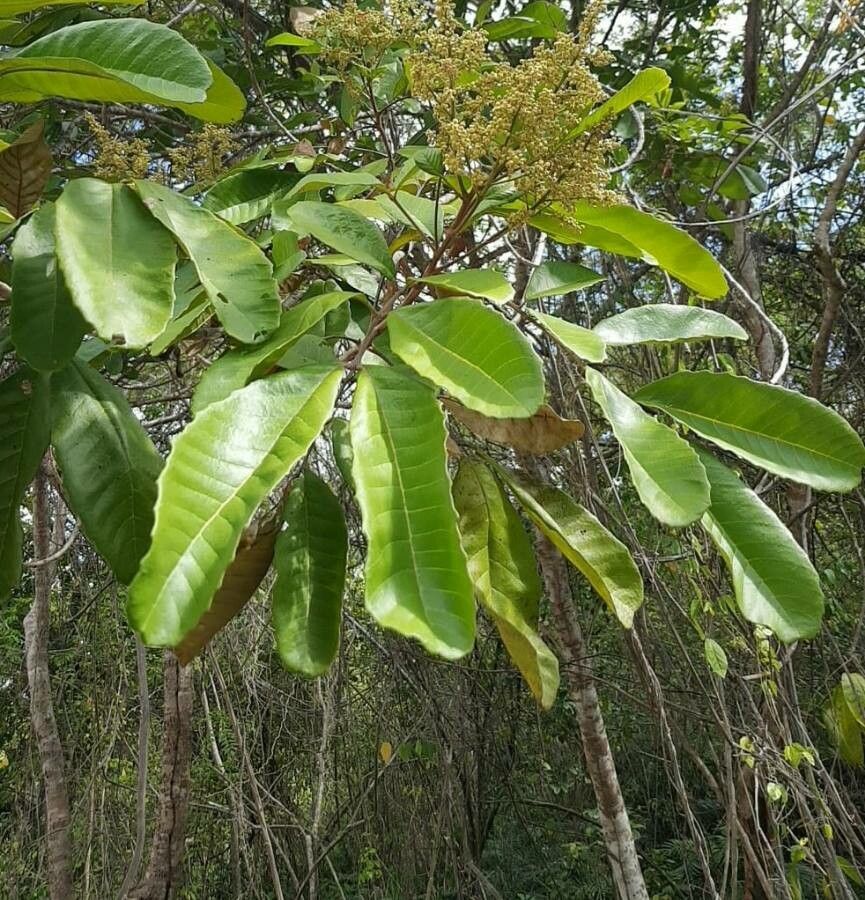
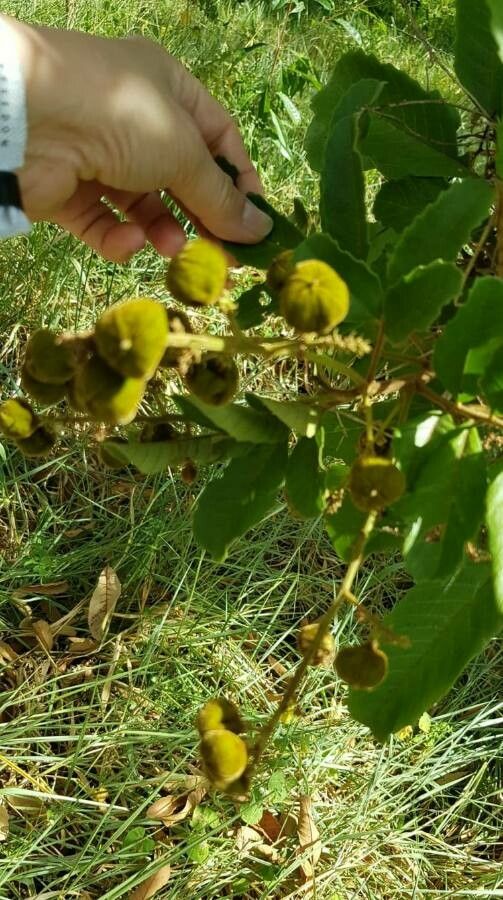
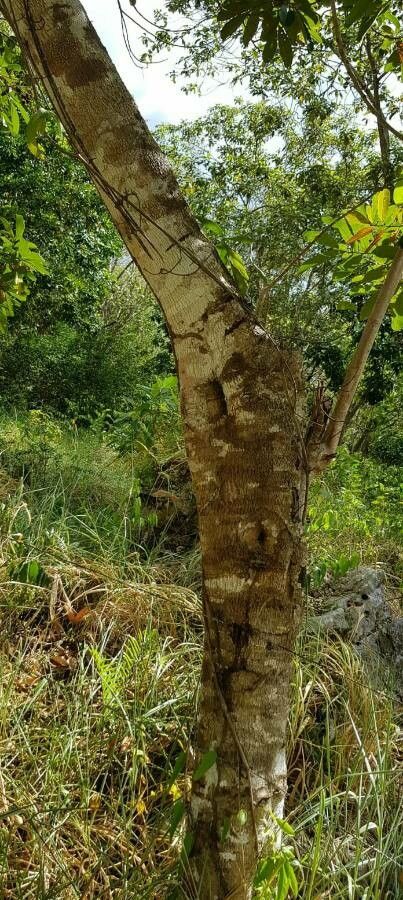
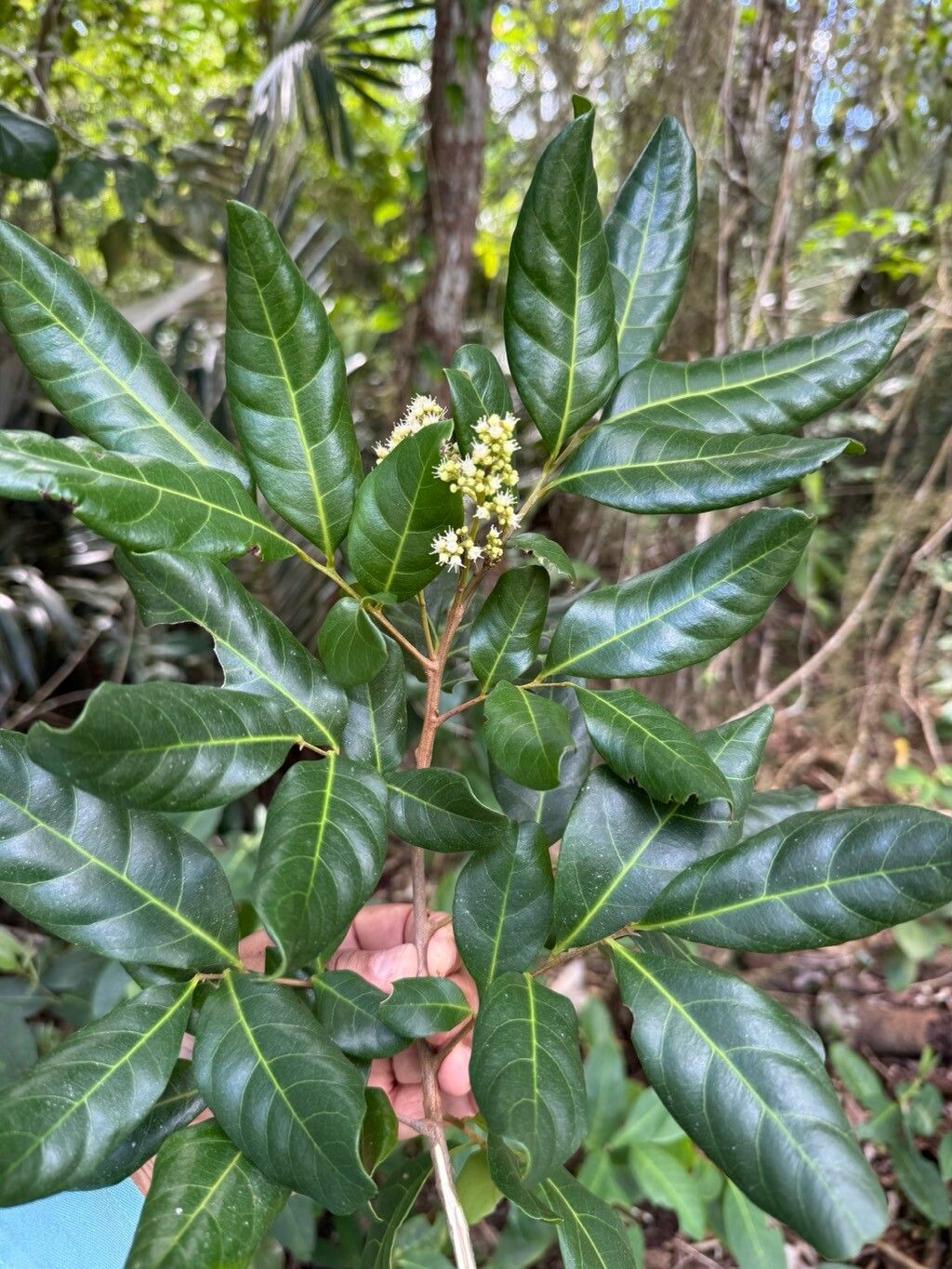
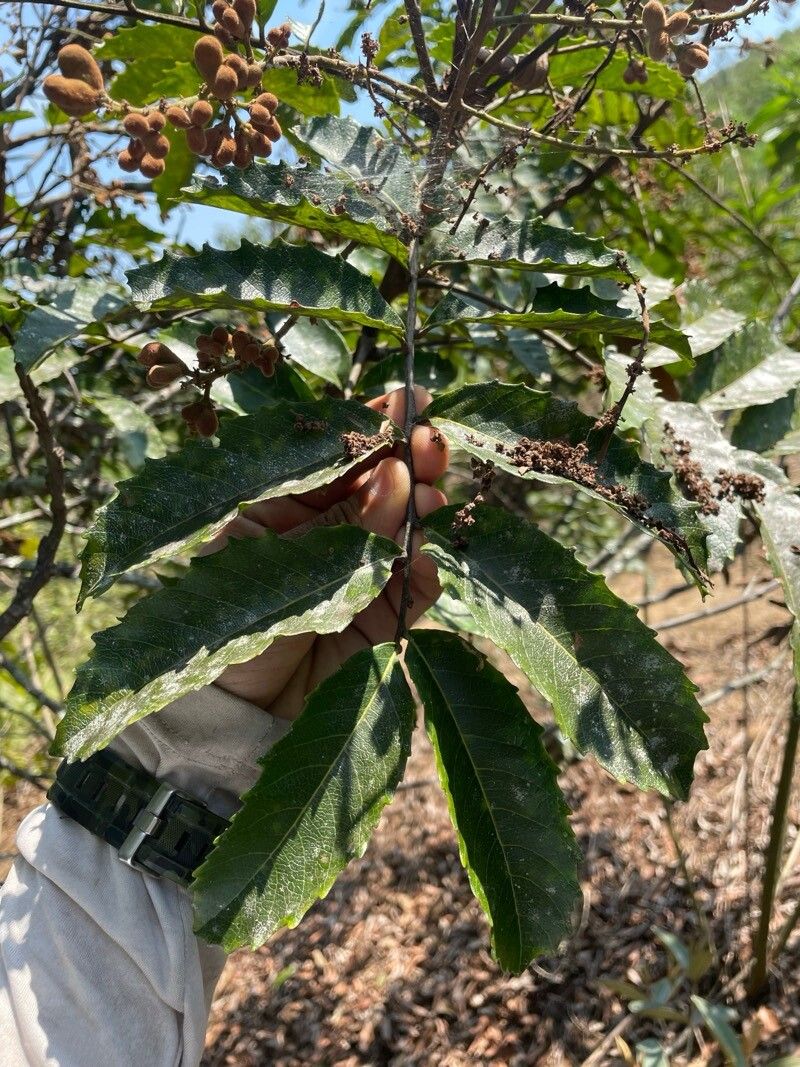
Cupania americana, commonly known as the Jamaican cherry or Panama berry, is a small to medium-sized tree that belongs to the Sapindaceae family. Native to Central and South America, it thrives in tropical regions like the Caribbean, Mexico, Brazil, and Peru.
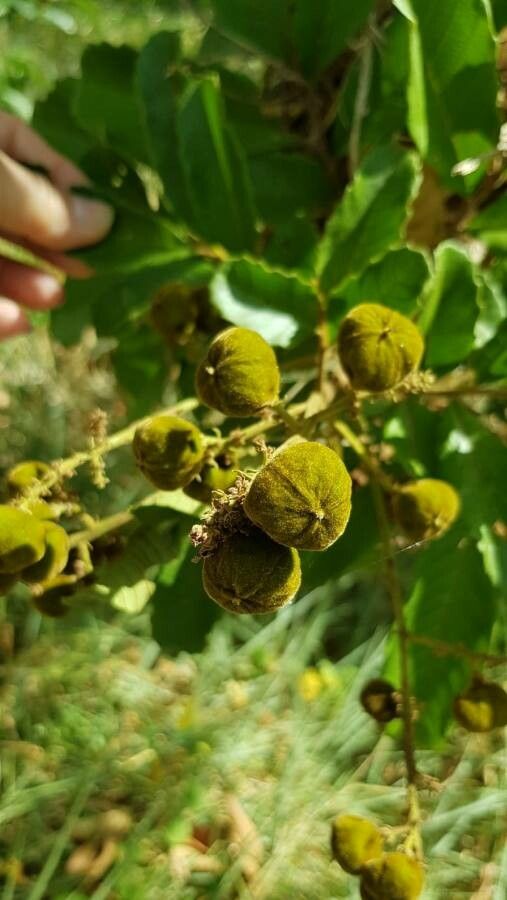
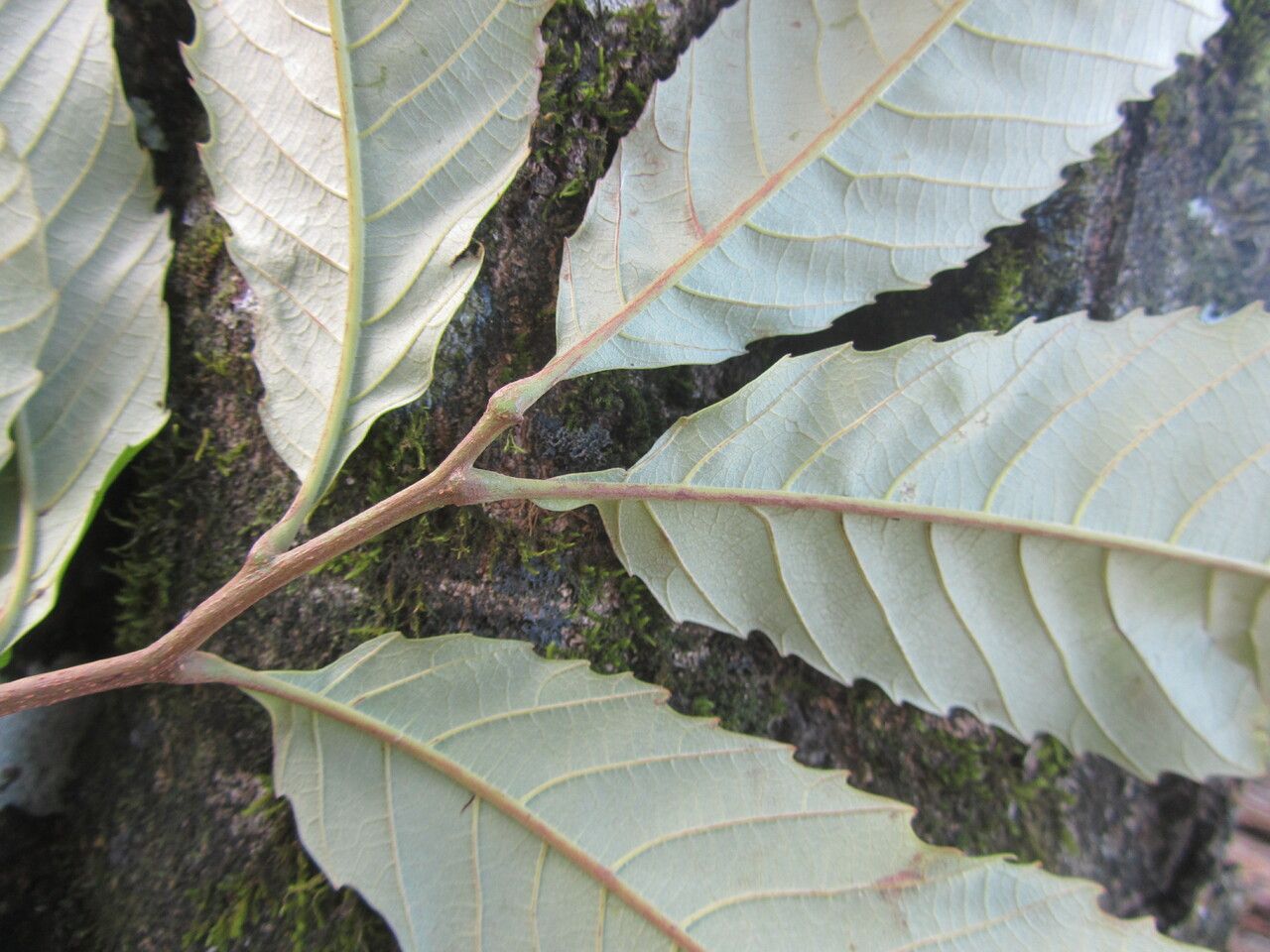
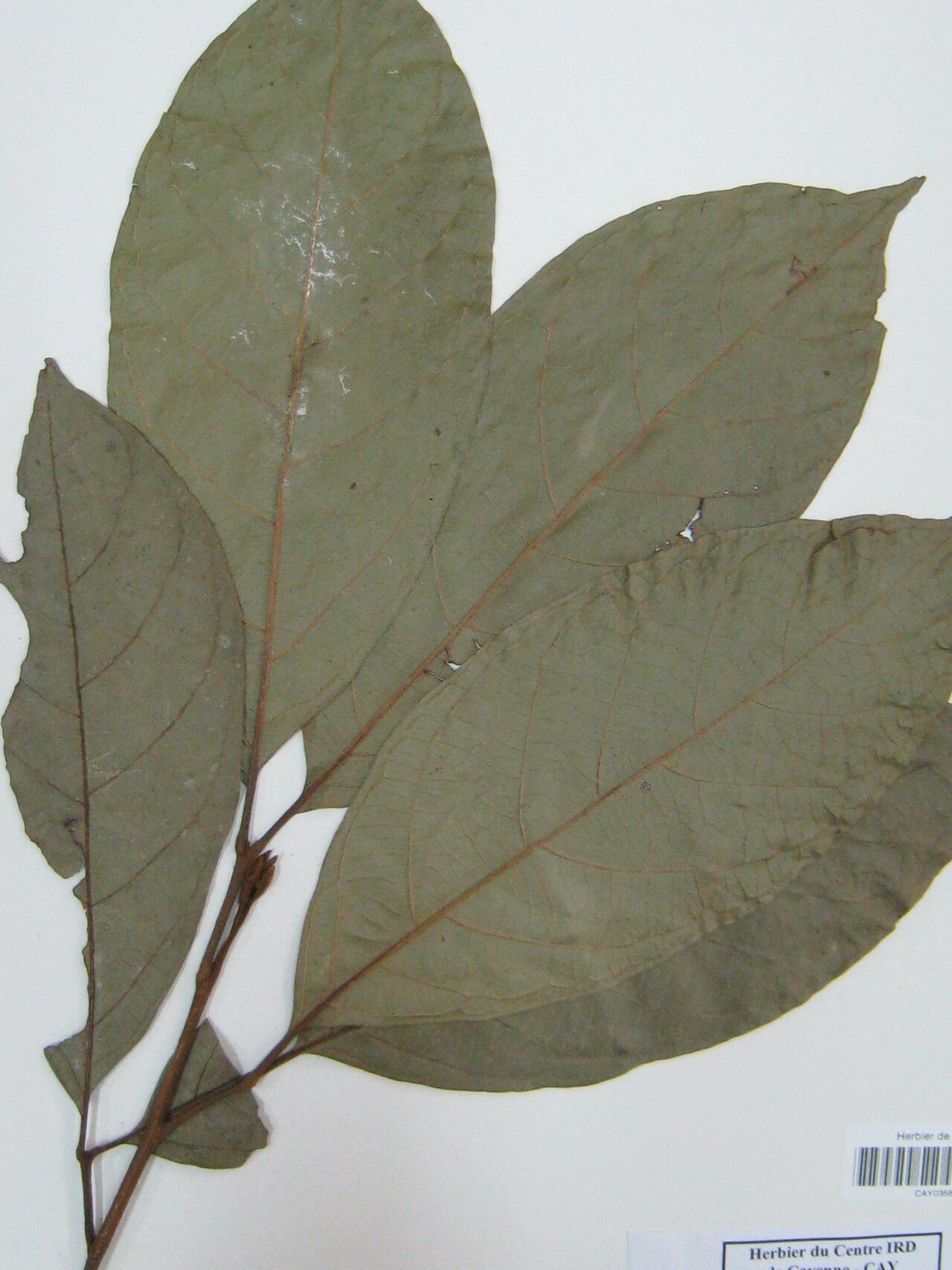
The tree can grow to a height of 10-15 meters and features a dense crown of glossy green leaves. These pinnate leaves consist of 5-9 leaflets, each measuring about 10-20 cm long with serrated edges. In spring or summer, the Jamaican cherry produces small white or yellow flowers in clusters, which later develop into round berries. These berries change from green to red as they ripen.
The fruit of Cupania americana is edible and has a sweet-tart flavor, reminiscent of cranberries or cherries. This makes it popular for use in making jams, jellies, and juices in some of the countries where it naturally grows.
In addition to its culinary applications, Cupania americana has been used for medicinal purposes by indigenous peoples for centuries. Its anti-inflammatory properties are known to help relieve pain caused by arthritis, among other ailments.
Overall, Cupania americana is an attractive ornamental plant, thanks to its glossy foliage. It also provides a valuable food source for wildlife, such as birds that feed on its fruit, making it an important component of the tropical ecosystems where it naturally occurs.
Florida toadwood has strong disease resistance and is generally not susceptible to illnesses. Regarding care, this plant is fairly low-maintenance. When grown outdoors, it needs little watering, and larger plants usually do not require pruning. Smaller plants should be pruned after they have bloomed. Florida toadwoodt is appropriate for anyone with outdoor space, such as a garden or deck, and does not demand extensive gardening experience.
How to keep Cupania Americana.
Light
Florida toadwood is native to open habitats, such as sunny meadows and forest edges, which provide plentiful light. It performs best in Full Sun but can also tolerate Partial Sun, adapting well to various sunlight conditions.
Temperature
Florida toadwood comes from tropical areas where the climate is commonly warm and humid. Consequently, it is well suited to high heat and moisture. It does not tolerate sudden shifts in temperature and prefers a consistent thermal environment, so preventing temperature swings indoors is important. It typically cannot withstand cold conditions and needs relatively high temperatures to grow. If the surrounding temperature falls too low, the plant may stop growing or even die.
Fertilizer
Fertilization is essential for caring for Florida toadwood. Regular feeding during the growing season preserves the energy required for its showy foliage and supports overall growth. Failing to fertilize can lead to unhealthy leaves, reduced ornamental value, and stunted or weak growth that is more likely to break.
Botanical profile.
- Plant Type
- Tree
- Life Cycle
- Perennial
- Genus
- Cupania
- Family
- Sapindaceae
- Hardiness Zone
- 10-12
- Mature Height
- 10.06 m to 20.12 m
- Mature Spread
- 4.88 m to 10.06 m
- Leaf Color
- Dark Green
- Leaf Type
- Evergreen
- Flower Color
- White, Cream
- Flower Size
- 0.25 cm to 0.51 cm
- Bloom Time
- Late spring, Early summer, Mid summer
- Planting Time
- Spring, Summer, Autumn
- Harvest Time
- Mid summer, Late summer, Early fall, Mid fall
- Native Area
- Cuba, Honduras, Mexico, Guatemala, Nicaragua, Ecuador, Costa Rica, Jamaica
Other names.