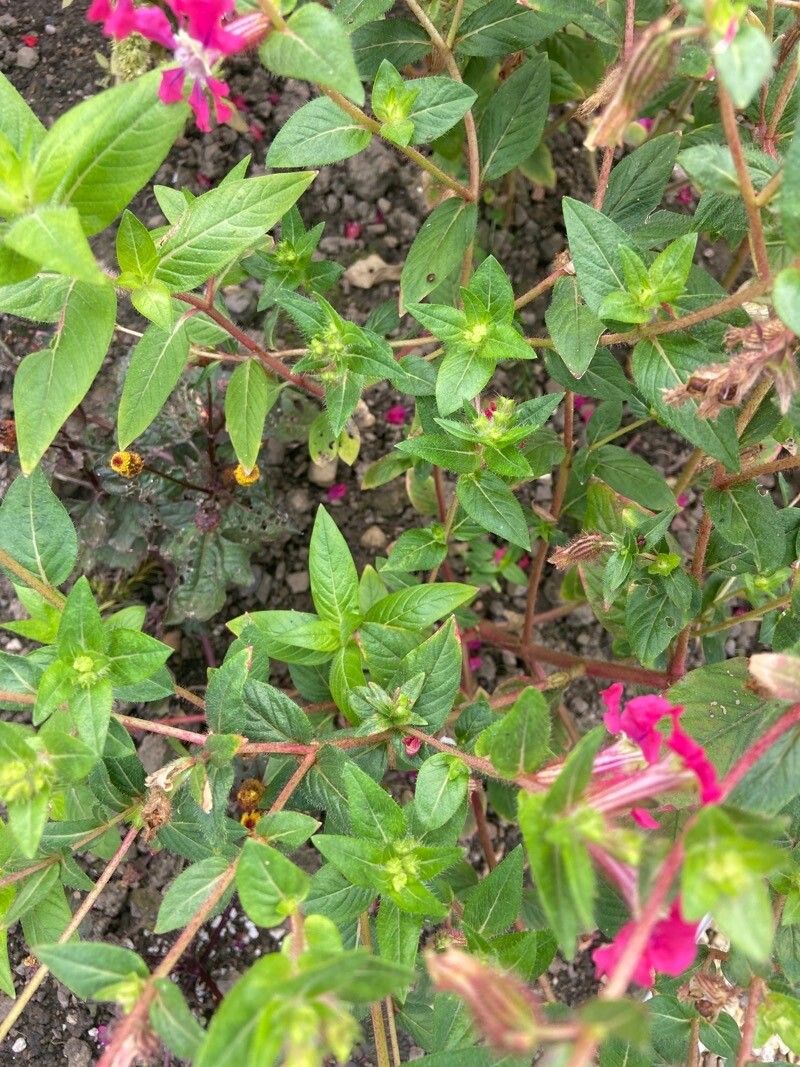
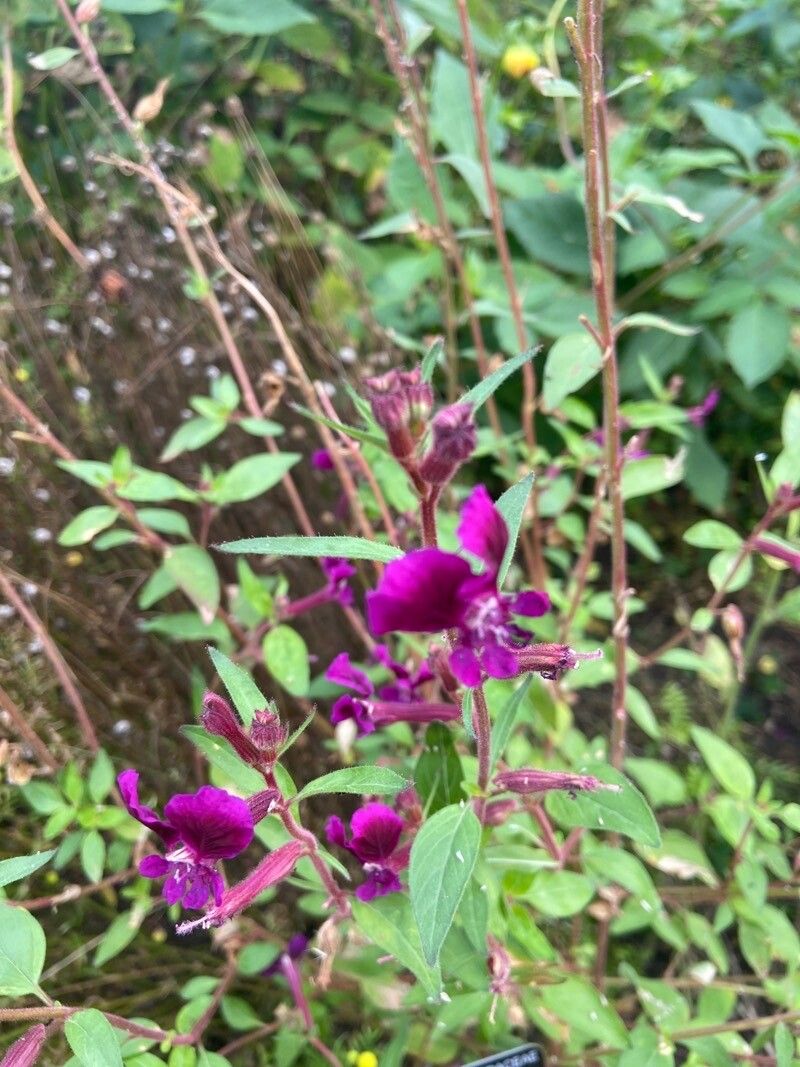
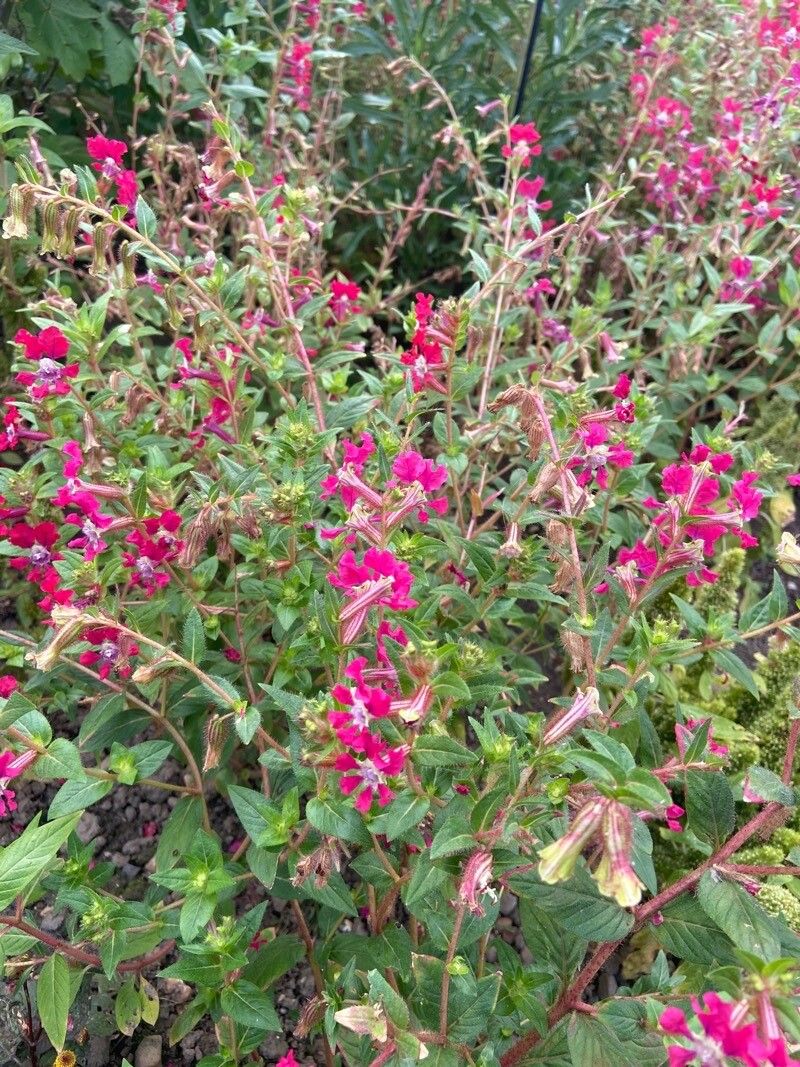
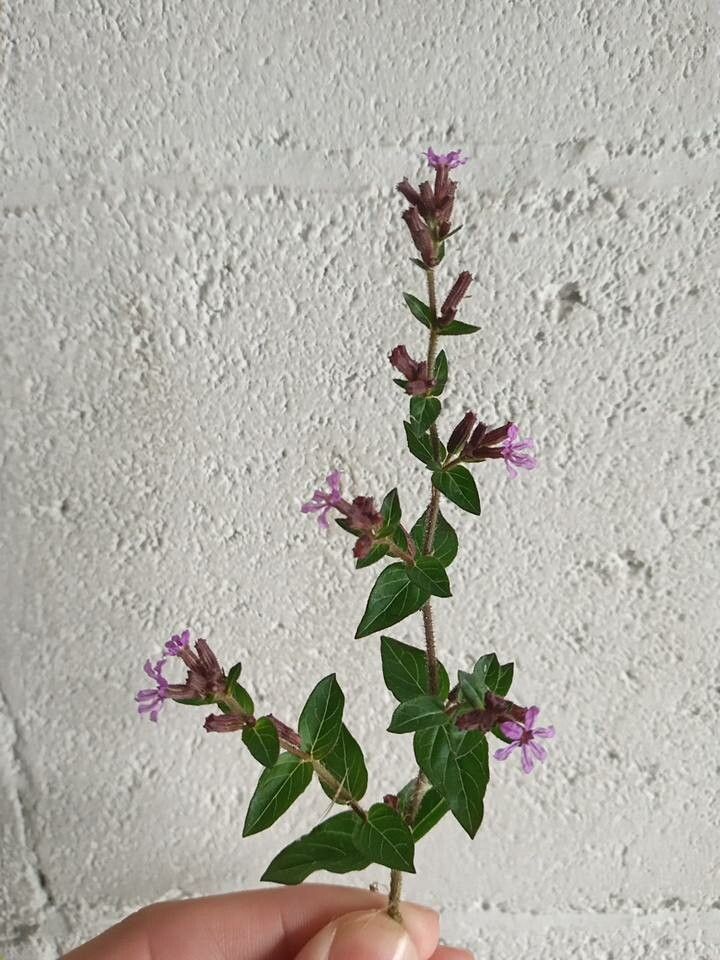
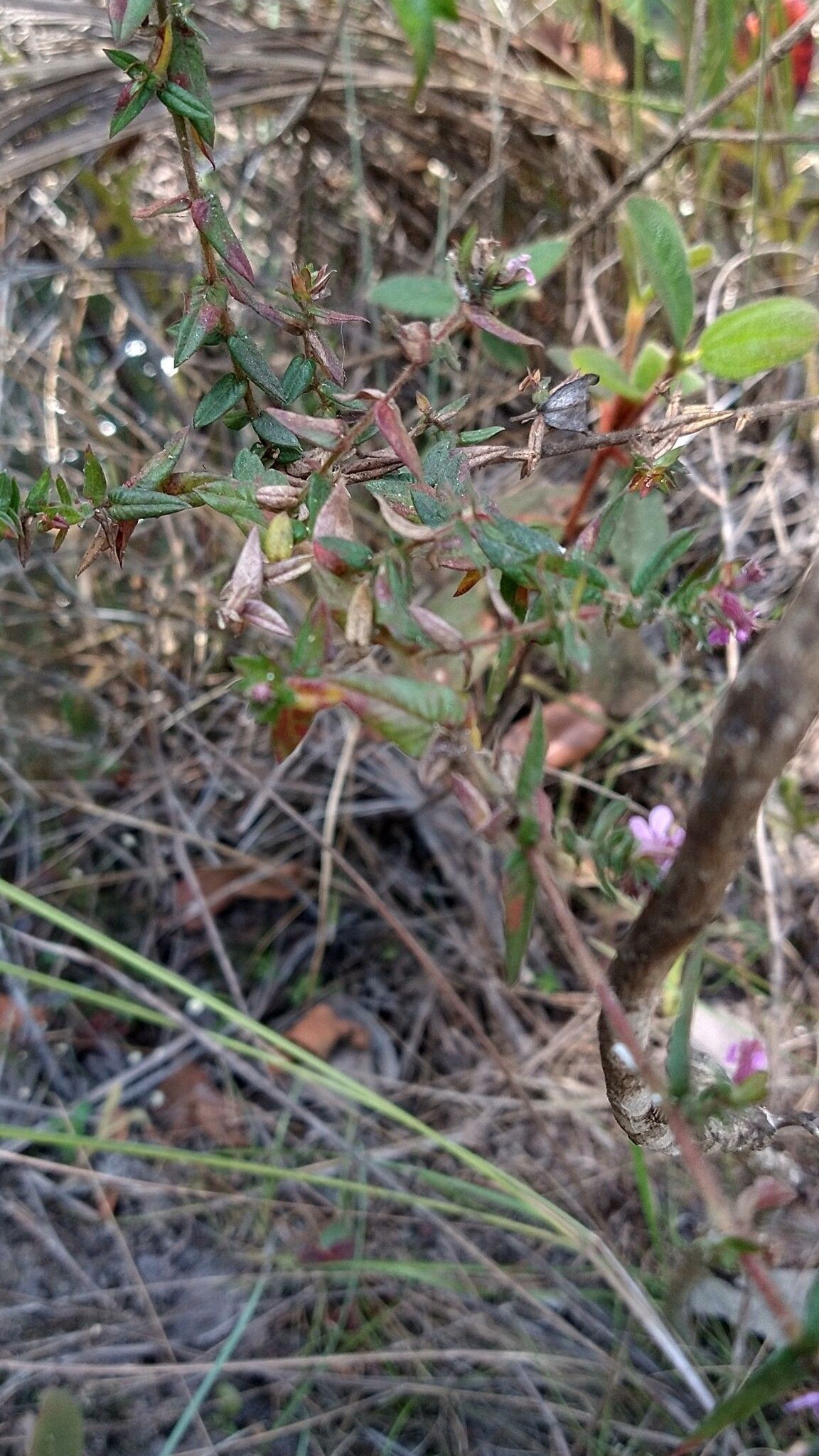
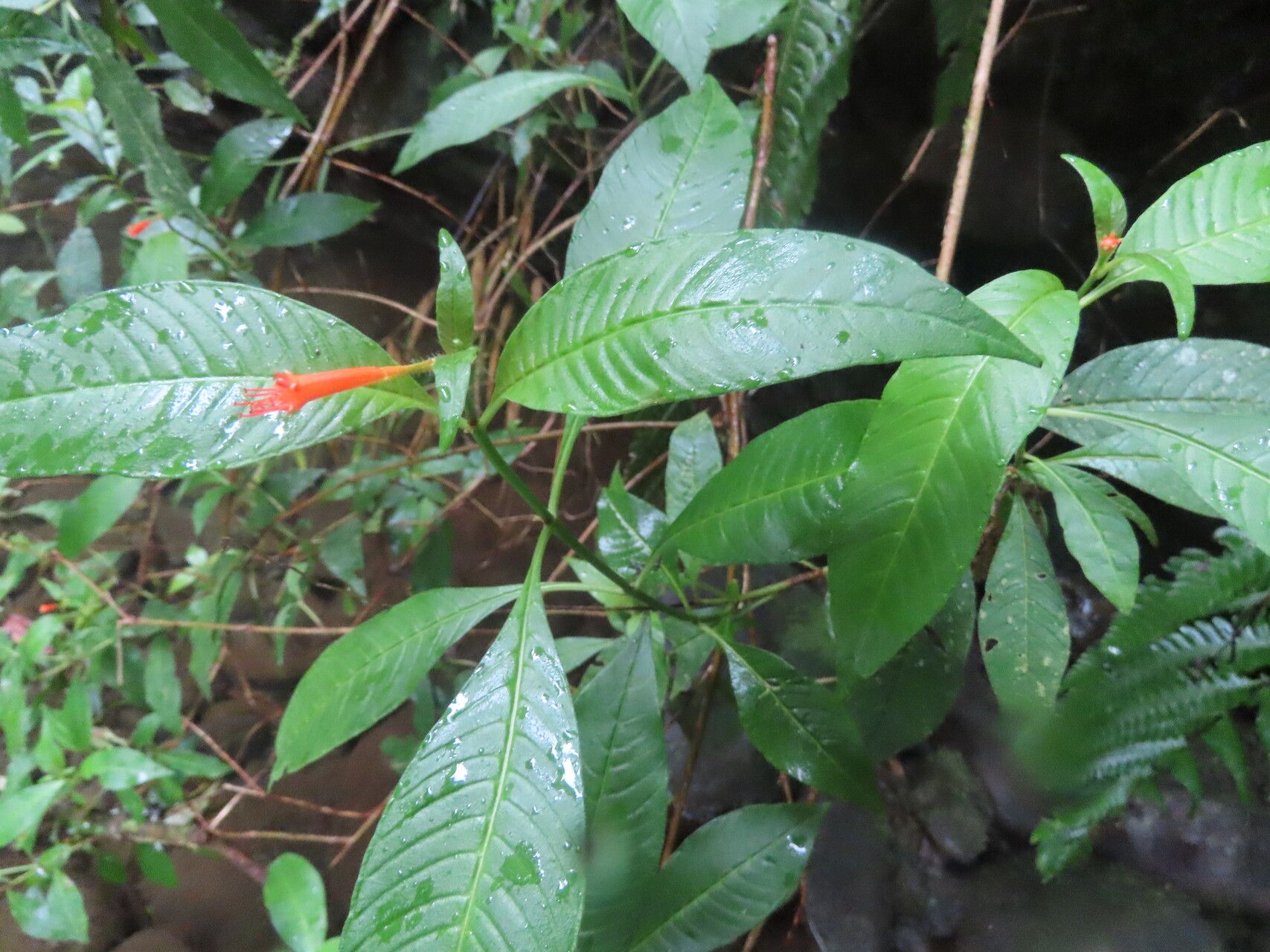
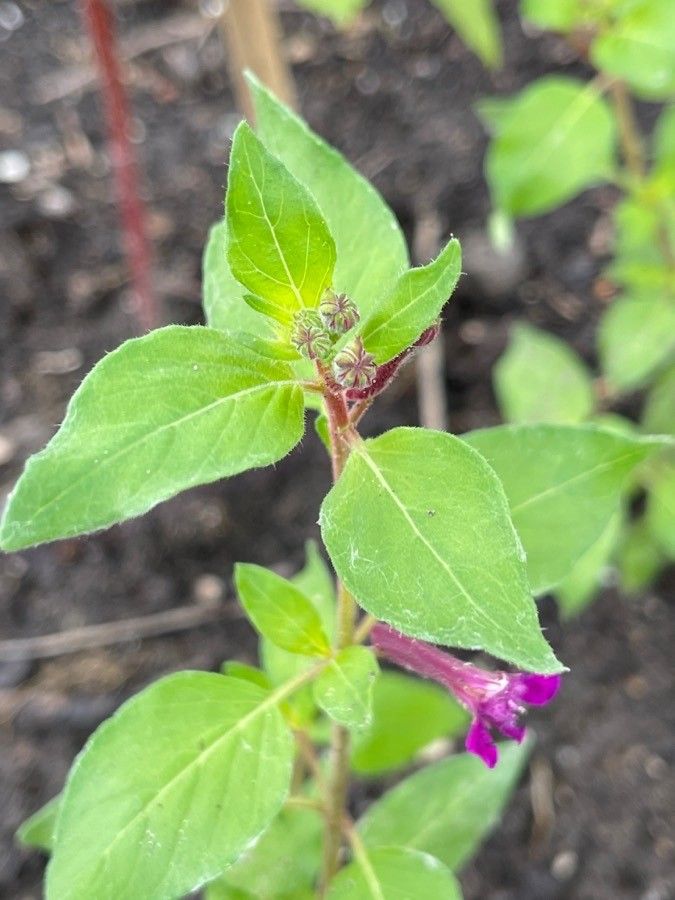
Tropical waxweed has strong disease resistance and is generally not likely to suffer from diseases. However, it can be vulnerable to pests and diseases that exist in its environment. Such infections are typically mild. Regarding care, this plant needs medium maintenance. It should be pruned on a regular basis to preserve its appearance and encourage healthy growth. Applying fertilizer can also help stimulate flowering. Tropical waxweed is appropriate for anyone with outdoor space, such as a garden or patio, and does not demand extensive care experience. It may need more attention if grown indoors.
How to keep Cuphea Aequipetala.
Light
Tropical waxweed is indigenous to habitats like forest understories and rocky areas, where it grows in natural shade. It prefers partial sun but can also tolerate full sun or full shade, reflecting its hardy, adaptable nature.
Water
Tropical waxweed originates from moist environments and thrives with consistent hydration and high humidity. It prefers soil that is kept evenly moist, so it should be watered weekly. Regular misting helps mimic its tropical habitat, promoting lush and vibrant foliage. As an evergreen plant, it is well-suited for indoor cultivation.
Temperature
Tropical waxweed adapts well to heat, tolerating higher temperatures and large temperature fluctuations. In hot conditions, attention should be paid to watering and providing adequate shade to prevent sunburn. However, it is fairly sensitive to cold; while it can endure some chill, very low temperatures can cause frost damage.
Fertilizer
Typically, one fertilizer application in spring is enough for Tropical waxweed, though additional feedings can boost growth. Apply fertilizer every month to six weeks. Fertilizing improves leaf appearance and function, helping maintain consistent color and a healthy texture. It also encourages root growth and nutrient uptake, supporting the plant's long-term health.
Pruning
Tropical waxweed benefits greatly from pruning in early spring. To encourage blooming, trim one-third of the previous year’s growth. Make sure the cuts are clean to prevent disease, and remove any dead stems to promote overall plant health. Pruning at this time aligns with the plant's active growth period, resulting in fuller plants with improved aesthetic appeal.
Botanical profile.
- Plant Type
- Herb
- Life Cycle
- Perennial
- Genus
- Cuphea
- Family
- Lythraceae
- Hardiness Zone
- 9-11
- Mature Height
- 30 cm to 61 cm
- Mature Spread
- 30 cm to 46 cm
- Leaf Color
- Green, Dark Green
- Leaf Type
- Deciduous
- Flower Size
- 1.02 cm to 1.52 cm
- Bloom Time
- Summer, Fall
- Planting Time
- Spring, Summer, Autumn
- Harvest Time
- Late summer, Fall, Early winter
- Native Area
- Honduras, Mexico, Guatemala