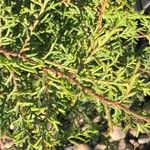
Cupressus macnabiana
MacNab cypress · MacNab's cypress · Shasta cypress · Fragrant cypress · Mcnab-cypress
Description
Source: leafsnapCupressus macnabiana (MacNab cypress or Shasta cypress) is a species of cypress in western North America.
Care Guide
💧 Water
☀️ Light Full sun
Shasta cypress originates in open habitats, such as sunlit meadows and forest margins, which provide abundant light. It thrives in Full Sun but can also tolerate Partial Sun, adjusting well to various sunlight conditions.
What are the sunlight requirements for Shasta cypress (Cupressus macnabiana)?
Shasta cypress, also known as Cupressus macnabiana, thrives in environments with specific sunlight conditions. It requires 'full sun' exposure, which translates to receiving more than 6 hours of sunlight daily. Alternatively, it can also grow under 'partial sun,' meaning it should get about 3-6 hours of sunlight a day. It's important to observe how sunlight moves through your garden over time to identify the best spots that offer a suitable balance of light and shade. This consideration ensures your Shasta cypress and other plants are placed in positions where they can flourish.
🌡️ Temperature 15–35°C
Shasta cypress is quite adaptable to a range of climates, from intense summer heat to cold winter conditions. Still, it has a preferred temperature range for healthy growth. If temperatures become too high, the tree is susceptible to heat and humidity stress, which can kill it. In locations where temperatures approach the lower limit of its cold tolerance, it is necessary to use insulation to protect the plant.
What is the Shasta cypress?
The Shasta cypress, scientifically known as Cupressus macnabiana, is a species of cypress tree. It does not have additional details provided about its essentials or symptoms in the provided data.
💨 Humidity
🪴 Soil 6-7
🌱 Fertilizer
Shasta cypress has particular nutrient needs and does not require heavy fertilization. Fertilizing in spring is the best time for optimal growth. Supplying nutrients enhances its health, strengthens its resistance to pests and diseases, and helps sustain its long lifespan.
🪴 Pot & Repot
✂️ Pruning
The Shasta cypress is an evergreen tree characterized by its needle-like leaves and rounded, pyramidal shape. To encourage healthy growth, it is best to prune the tree in early spring, removing any dead or diseased branches. Regular light trimming helps maintain the tree's shape and improves air circulation. However, be careful not to over-prune, as this can cause stress to the tree and increase the risk of disease.
🌿 Propagating
🐛 Diseases & pets
☠️ Toxicity
Characteristics
- Plant Type
- Tree, Shrub
- Life Cycle
- Perennial
- Genus
- Cupressus
- Family
- Cupressaceae
- Hardiness Zone
- 7-10
- Mature Height
- 3.66 m to 10.97 m
- Mature Spread
- 3.05 m to 6.1 m
- Leaf Color
- Dark Green
- Leaf Type
- Evergreen
- Bloom Time
- Early spring, Mid spring
- Planting Time
- Spring, Summer
- Harvest Time
- Late summer, Early fall, Mid fall