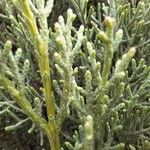
Cupressus sempervirens
سرو ناز · سرو · سرو مدیترانه · Κυπαρίσσι · Mediterranean cypress
Description
Source: leafsnapCupressus sempervirens, commonly known as the Mediterranean cypress or Italian cypress, is a tall and narrow evergreen tree native to the Mediterranean region. It can reach a height of 20-30 meters and features a conical shape with dense, dark green foliage. The tree's bark is grayish-brown with a fibrous texture. The leaves of Cupressus sempervirens are scale-like and arranged in opposite pairs along the stem. They are about 1-2 mm long, pointed at the tip, and emit a resinous aroma when crushed. The tree produces small cones approximately 2 cm long with woody scales. This tree has been widely used for ornamental purposes due to its elegant shape and evergreen foliage. It also holds cultural significance, having been used by ancient Greeks to craft statues of their gods. In addition to its aesthetic appeal, Cupressus sempervirens possesses medicinal properties. It contains compounds such as terpenes, which have anti-inflammatory effects beneficial for respiratory conditions like asthma and bronchitis. Overall, Cupressus sempervirens is an iconic plant species with significant cultural value. Its combination of aesthetic beauty and medicinal properties makes it an important species for various purposes.
💡 The cypress tree has traditionally been a symbol of death and mourning, often found in cemeteries. However, in Provence, France, cypress trees have a different meaning. There, they were planted near farmhouses as a sign of hospitality. If a farmhouse had three cypress trees, it meant that travelers were welcome to stay the night. Two trees indicated that only food and beverages were available, while a single tree signaled that visitors were discouraged from stopping.
🌳 The Mediterranean cypress, with its tall and slender form, is an excellent choice for urban gardens. It adds structure and architectural interest to formal gardens, especially where space is limited. Additionally, this tree serves as an attractive habitat for many bird species, making it a valuable addition to gardens designed to support wildlife.
🎭 Grief, everlasting beauty or health, the soul's immortality
Care Guide
💧 Water Every 7 days
The Mediterranean cypress thrives in a Mediterranean climate with dry conditions and is highly drought-tolerant. It requires watering only every two weeks. As an evergreen tree, it retains moisture in its foliage throughout the year, which is essential for its survival in fluctuating temperatures and arid conditions.
How should I water my Mediterranean cypress?
Watering your Mediterranean cypress is a straightforward task. The easiest way to do it is by using your garden hose to soak the soil slowly. For mature trees, the garden hose is the ideal tool because they may need a lot of water. However, for smaller trees, a watering can or a smaller tool can work. It's important to avoid overhead watering as this can cause disease, especially for young trees.
What do I do if I give my Mediterranean cypress tree too much or too little water?
Overwatering of Mediterranean cypress can occur due to poor soil drainage. If the soil does not effectively drain water, the plant may decline. To fix this, you can either improve soil drainage or transplant the plant to a better location. If you have your Mediterranean cypress in a pot, it may help to repot it with looser soil that allows for better drainage. Overwatering can also lead to diseases, which should be treated promptly. On the other hand, if your Mediterranean cypress is underwatered, simply increase watering frequency to help it recover. One way to determine if your plant is overwatered is by observing its foliage, particularly new growth. Overwatered plants may have discolored or easily breakable new growth. Additionally, standing water or slow drainage in the plant's vicinity can indicate excessive soil moisture. Underwatered Mediterranean cypress will show symptoms of sparse, brown leaves. Consider recent heavy rain or consistently high temperatures as potential causes for these symptoms.
How often do I need to water my Mediterranean cypress?
A mature Mediterranean cypress doesn't require much watering. Typically, it can survive solely on rainfall and become tolerant to drought. During the hottest months, you may need to water it once a week, but in other seasons, watering may not be necessary. The only exception is for newly planted trees, where regular watering is needed to help establish the roots. However, it's important to avoid overwatering as standing water is not tolerated by the Mediterranean cypress. When unsure, it's better to err on the side of not watering rather than risking overwatering.
How much water does my Mediterranean cypress tree need?
During the height of summer, you usually need to water your Mediterranean cypress once a week, giving it about one inch of water. However, if it has rained one inch or more during that week, you don't need to water it. Newly planted Mediterranean cypress require more water during the establishment period, so you should water them once every one to two weeks during the first few growing seasons.
How should I water my Mediterranean cypress tree throughout the year?
The Mediterranean cypress tree has different water needs depending on the season. In the summer, when it's hot outside, it requires the most water. You should water it about once a week if there's no rainfall. However, during other times of the year, this plant can often survive without any water. In the spring and fall, you might need to water it if the weather is unusually hot, but this is rare. Unlike other plants, the Mediterranean cypress doesn't go into full dormancy in the winter, so it continues to grow even in the coldest months. However, its water needs during winter are still low because the cool temperatures don't cause the soil to dry out quickly.
☀️ Light Full sun
The Mediterranean cypress does best in full sun, a trait linked to its native habitat. Sunlight is essential for its healthy development. It does not have specific light requirements at different stages of growth. Insufficient light can cause poor growth, while excessive exposure may lead to sunscald.
What are the sunlight requirements for Mediterranean cypress?
The Mediterranean cypress, or Cupressus sempervirens, thrives best under full sun exposure, requiring above 6 hours of direct sunlight daily for optimal growth. This full sun requirement is rooted in its native Mediterranean environment, which is key to its health and development. There's no specific need for different amounts of sunlight during its various growth stages, but it's crucial to ensure that the plant receives sufficient light. Partial sun, which refers to about 3-6 hours of sunlight, can also support its growth to some extent. It's important to observe how sunlight moves through your garden to find the perfect balance of light and shade for your plants, ensuring their happiness and health.
What are the effects of insufficient sunlight on Mediterranean cypress?
Mediterranean cypress exhibits several symptoms when it doesn't receive adequate sunlight, reflecting its sensitivity to light deficiency. These symptoms include smaller new leaves, leggy or sparse growth, faster leaf drop, slower or no new growth, and lighter-colored new leaves. In severe cases, insufficient sunlight can lead to chlorosis, where leaves lose their green color, or sunscald, where leaves or stems are damaged by too much sunlight. Leaf curling, wilting, and leaf scorching are also common issues that arise from either too little or too much sunlight exposure. These symptoms hinder the plant's ability to photosynthesize efficiently, affecting its overall health and development.
How can I provide adequate lighting for indoor Mediterranean cypress plants?
Indoor Mediterranean cypress plants require careful attention to lighting to ensure optimal growth, especially when natural sunlight is insufficient. When natural light levels are low, such as in winter or in less sunny indoor spaces, artificial lighting offers a beneficial solution. For plants requiring full sun, artificial light intensity should be between 30-50W per square foot. Placement of the artificial light should be 12-36 inches above the plant to mimic natural sunlight effectively. The duration of exposure should reflect natural daylight hours, with most plants benefiting from 8-12 hours of light per day. Using the right type of light, such as LED lights, can help meet the specific needs of your plants for faster and healthier growth.
What solutions exist for improving light conditions for Mediterranean cypress?
To improve light conditions for Mediterranean cypress, especially for indoor scenarios, it's advisable to gradually move plants towards sunnier spots each week until they get at least 6 hours of direct sunlight daily. Utilizing a south-facing window and keeping curtains open during the day can maximize sunlight exposure. If the plant is large or not easily movable, consider providing additional light with artificial sources, such as keeping a desk or ceiling lamp on for at least 8 hours daily, or investing in professional plant grow lights. For outdoor plants, it's crucial to avoid sudden changes in light intensity to prevent sunburn, gradually adjusting them to sunnier locations. If natural light is blocked by physical obstructions like trees, consider pruning to allow more sunlight through. For smaller plants, transplanting them during their dormant period to a location with better sunlight and drainage can significantly benefit their growth.
🌡️ Temperature 5–32.2°C
The Mediterranean cypress comes from areas with warm temperate climates, where temperatures range from 41 to 89.6°F (5 to 32℃). To mimic its natural surroundings, keep it warm in winter and ensure summer temperatures remain within its comfort range.
What is the native climate for Mediterranean cypress?
The Mediterranean cypress, or Cupressus sempervirens, thrives in regions with warm temperate climates. These areas typically experience temperatures ranging from 41 to 89.6°F (5 to 32°C). To keep the plant healthy, it's important to mimic its natural environment by maintaining warmth during the winter while ensuring that summer temperatures do not exceed this comfort zone.
How should I prepare Mediterranean cypress for winter?
Mediterranean cypress is highly resilient to cold and doesn't need additional frost protection. However, it's beneficial to water the plant generously before the first freeze of autumn. This ensures the soil remains moist when it freezes. Such preparation helps prevent drought and water scarcity for the plant during the colder months and into early spring.
What should I do if my Mediterranean cypress experiences low temperatures below -30°C?
While the Mediterranean cypress can tolerate cold well, maintaining winter temperatures above -30°C is crucial. If temperatures fall below this level, you might not notice immediate damage, but come spring, the branches could become brittle and dry, with new shoots failing to emerge. In such cases, pruning away the dead branches that have failed to produce new growth in spring is advisable.
How does high temperature affect Mediterranean cypress and how can I mitigate it?
Mediterranean cypress struggles in high temperatures, particularly when they exceed 32°C. This can lead to significant leaf drop or, in extreme cases, the death of the plant. To counter these effects, trim away any sunburned and dried-up areas. Move the plant to a cooler location with shade during the peak sun hours, or use a shade cloth. Also, water the plant in the morning and evening to ensure the soil stays moist.
💨 Humidity
🪴 Soil 6-7
🌱 Fertilizer
The Mediterranean cypress has specific nutrient needs and does not require heavy fertilization. Spring is the best time to fertilize for optimal growth. Supplying nutrients enhances its health, increases its resistance to pests and diseases, and helps sustain its long lifespan.
Why is it necessary to add fertilizer to my Mediterranean cypress?
To promote healthy growth in Mediterranean cypress, it is recommended to fertilize in the spring. Given its long lifespan, it is crucial to provide support for the plant. Additionally, enriching the soil with nutrients can enhance the plant's overall health, making it more resistant to common pests and diseases that could hinder growth or decrease its lifespan.
When should I put fertilizer on my Mediterranean cypress tree?
Mediterranean cypress stands out from regular garden plants as it doesn't need excessive nutrients. While the growing medium may lack sufficient nutrients for healthy growth, Mediterranean cypress requires only minimal supplementation. For best results, it is recommended to fertilize the tree in the spring before new growth emerges.
When is it not a good idea to fertilize my Mediterranean cypress?
While some plants need regular fertilization, Mediterranean cypress is not one of them. It does not require a lot of extra nutrients and too much fertilizer can actually harm it. To keep it healthy, only apply fertilizer in the spring and refrain from adding any during the other seasons (summer, fall, and winter). Additionally, avoid adding any organic matter to the soil during these seasons.
Which kind of fertilizer does my Mediterranean cypress tree require?
Take into consideration the age of your plant when choosing the right fertilizer. However, keep in mind that Mediterranean cypress doesn't need excessive amounts of nutrients. Opt for a well-balanced plant food that promotes healthy root growth and overall development, but avoid fertilizers with high levels of nitrogen.
How should I fertilize my Mediterranean cypress?
To effectively fertilize Mediterranean cypress, it is crucial to consider both the method and timing of nutrient application. During springtime, apply the fertilizer around the plant's base, taking care to avoid any contact with the trunk. If using granulated fertilizer, it is recommended to cover the pellets with a thin layer of soil. This technique aids in proper absorption of the fertilizer into the soil.
🪴 Pot & Repot Every 12 months
✂️ Pruning
The Mediterranean cypress is known for its tall, narrow shape and dense foliage. To keep it healthy and maintain its iconic appearance, prune mainly in early to late winter. Focus on removing dead branches to improve air circulation and light penetration. Keep the pruning minimal and regular to preserve its form.
🌿 Propagating
🐛 Diseases & pets
☠️ Toxicity
Italian Cypress trees are not considered toxic.
Characteristics
- Plant Type
- Tree
- Life Cycle
- Perennial
- Genus
- Cupressus
- Family
- Cupressaceae
- Hardiness Zone
- 4-7
- Mature Height
- 24.99 m to 35.05 m
- Mature Spread
- 3.05 m to 6.1 m
- Leaf Color
- Green
- Leaf Type
- Evergreen
- Flower Color
- Green, Yellow
- Flower Size
- 0.20 cm
- Bloom Time
- Late spring, Early summer, Mid summer
- Planting Time
- Spring, Autumn
- Harvest Time
- Mid summer, Late summer, Early fall
- Native Area
- Saudi Arabia, Libya, Turkey, Syria, Jordan, Israel, Iran, Cyprus, Greece, Yemen, Lebanon