Curculigo capitulata, commonly known as Palm Grass or Black Root, is a perennial herbaceous plant that belongs to the Hypoxidaceae family. Native to Southeast Asia, it is found in countries such as Malaysia, Indonesia, Thailand, and the Philippines.
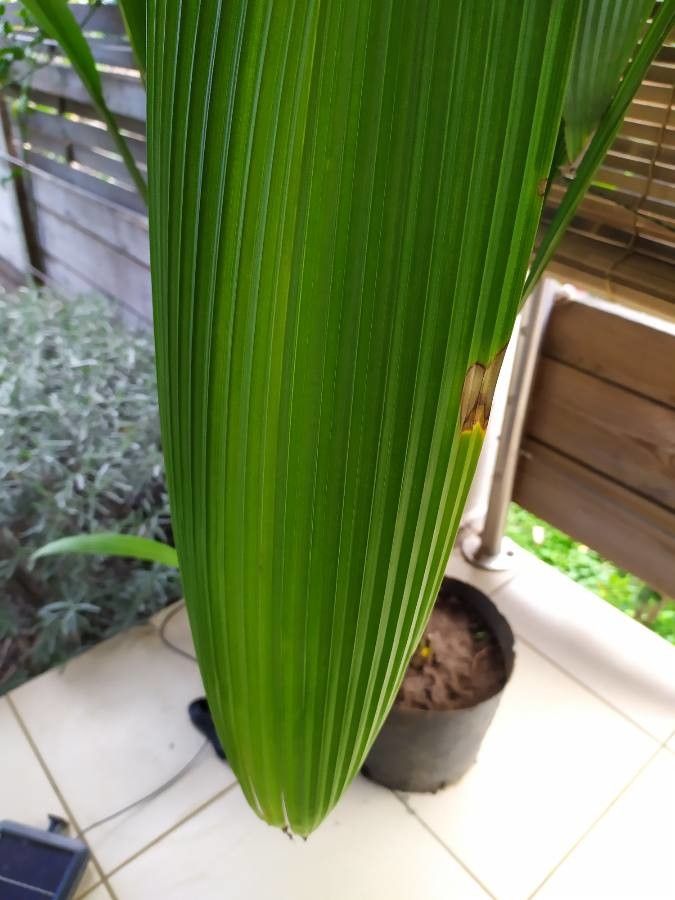
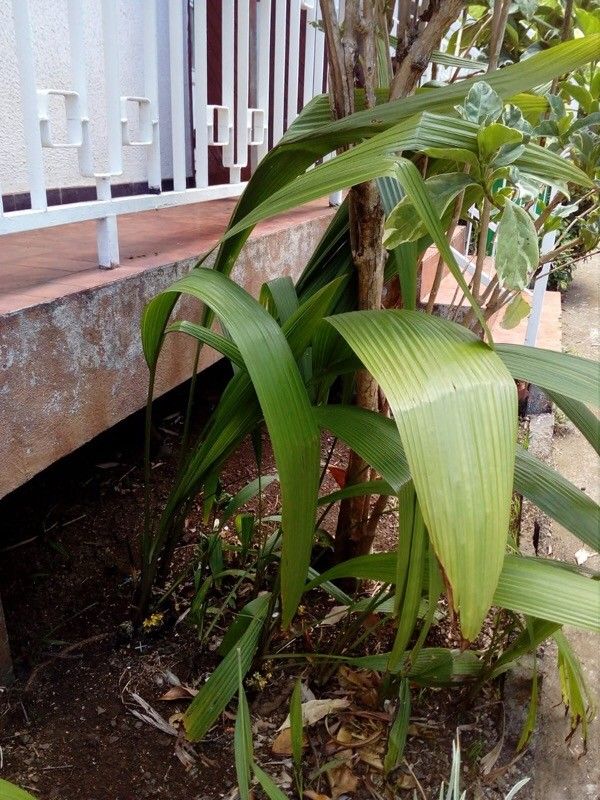
This plant features a short stem that can grow up to 30 cm in height, with long, narrow leaves arranged in a rosette pattern at the base. The dark green leaves, characterized by prominent veins, can grow up to 60 cm in length.
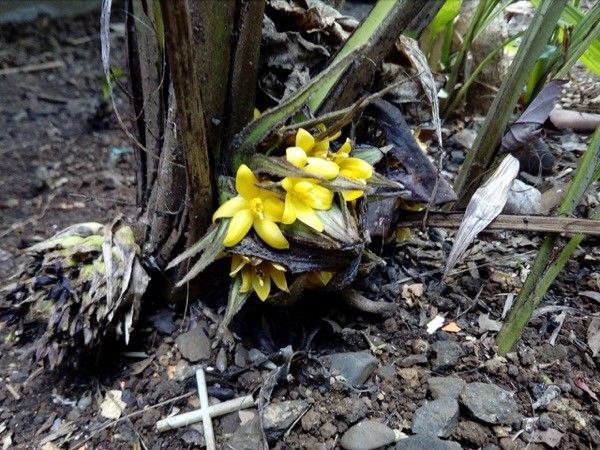
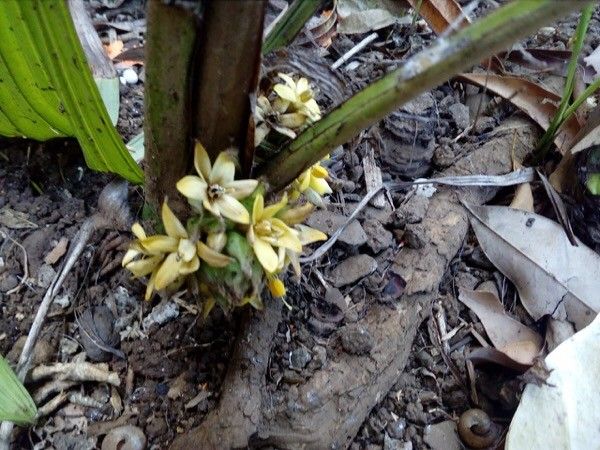
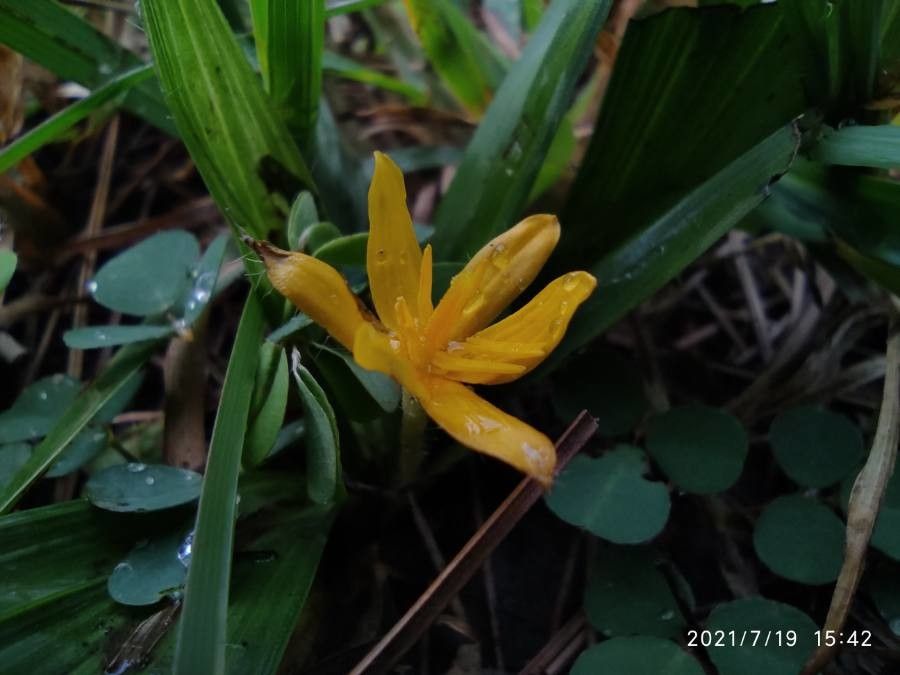
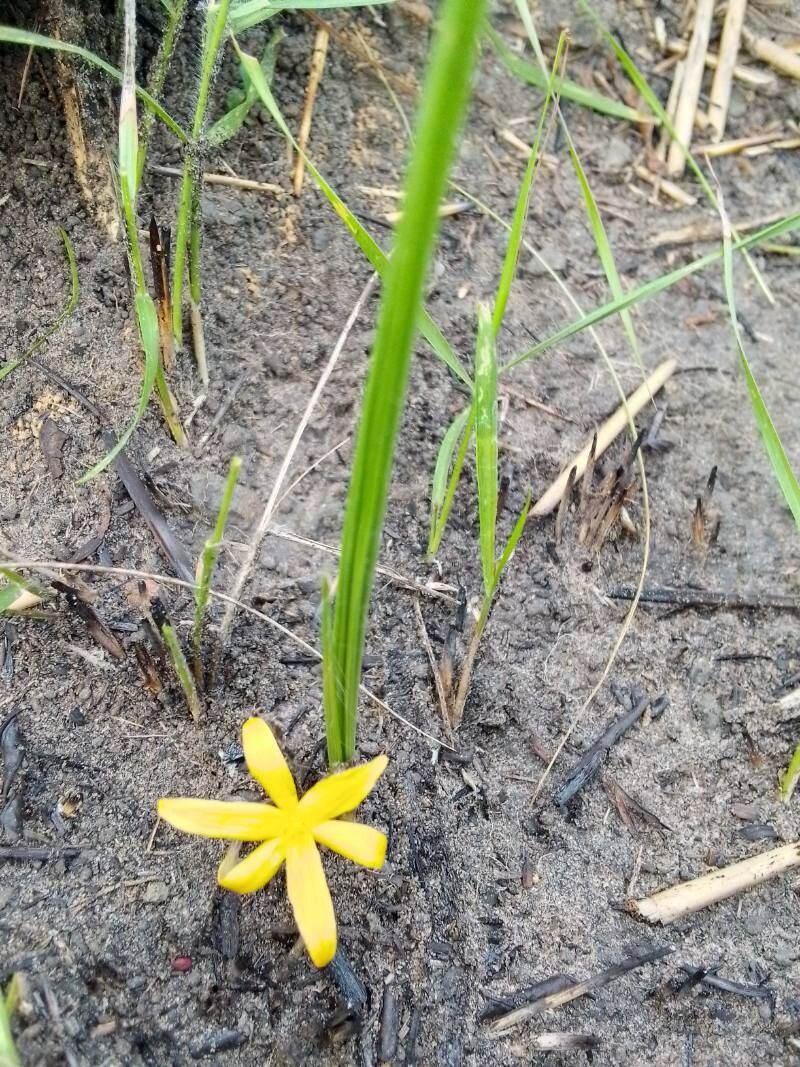
During spring or summer, Curculigo capitulata produces small yellow flowers on spikes that emerge from the center of its rosette of leaves. Each flower has six petals and is followed by the development of small berries.
For centuries, this plant has been utilized in traditional medicine for its various medicinal properties, including anti-inflammatory, anti-tumor, antioxidant, and aphrodisiac effects. It is commonly used to treat ailments such as fever, coughs, and colds.
In addition to its medicinal uses, Curculigo capitulata is also cultivated as an ornamental plant due to its attractive foliage, which adds an exotic touch to both indoor and outdoor spaces.
Overall, Curculigo capitulata is a versatile perennial that offers both ornamental appeal and traditional medicinal benefits, making it a fascinating addition to any garden or plant collection.
Palm grass is fairly disease-resistant and typically not prone to illness. It can, however, be vulnerable to pests and diseases present in its environment; these problems are usually not serious. Regarding care, this plant needs a moderate amount of maintenance. It should be pruned regularly to keep a neat appearance and encourage healthy growth. Fertilizing can also help stimulate flowering. Palm grass is appropriate for anyone with outdoor space, such as a garden or patio, and does not require extensive care experience. It may demand more attention if grown indoors.
How to keep Curculigo Capitulata.
Light
Palm grass does best in places where it receives a moderate amount of sun, though the sun does not shine on it constantly. Its origins in habitats with dappled sunlight reflect this preference. Too much sunlight can harm it, while too little exposure may hinder its growth.
Temperature
Palm grass naturally occurs in areas with temperatures between 59 and 100.4 °F (15 and 38 ℃). It flourishes in these moderate to warm conditions. If temperatures shift significantly outside this range, it's best to bring palm grass indoors or provide adequate insulation.
Fertilizer
The best time to fertilize Palm grass is in early spring, as it comes out of dormancy and begins active growth. Fertilizing supplies essential nutrients for healthy development. Although Palm grass has fairly low fertilizer requirements, applying fertilizer once a year can improve its survival and encourage better, longer-lasting flowers.
Botanical profile.
- Plant Type
- Herb
- Life Cycle
- Perennial
- Genus
- Curculigo
- Family
- Hypoxidaceae
- Hardiness Zone
- 8-11
- Mature Height
- 1.22 m to 1.83 m
- Mature Spread
- 91 cm
- Leaf Color
- Green, Blue
- Leaf Type
- Evergreen
- Flower Color
- Yellow
- Flower Size
- 2.54 cm
- Bloom Time
- All year round
- Planting Time
- Spring, Autumn
- Harvest Time
- All year round
- Native Area
- Nepal, Sri Lanka, India, Malaysia, Philippines, Bangladesh, Laos, China, Solomon Islands, Indonesia, Vietnam, Myanmar, Japan, Papua New Guinea, Bhutan, Singapore, Thailand
Other names.