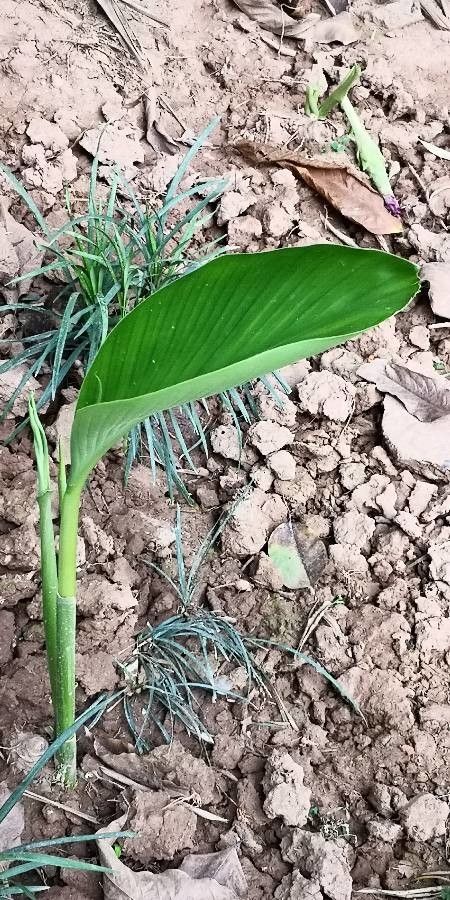
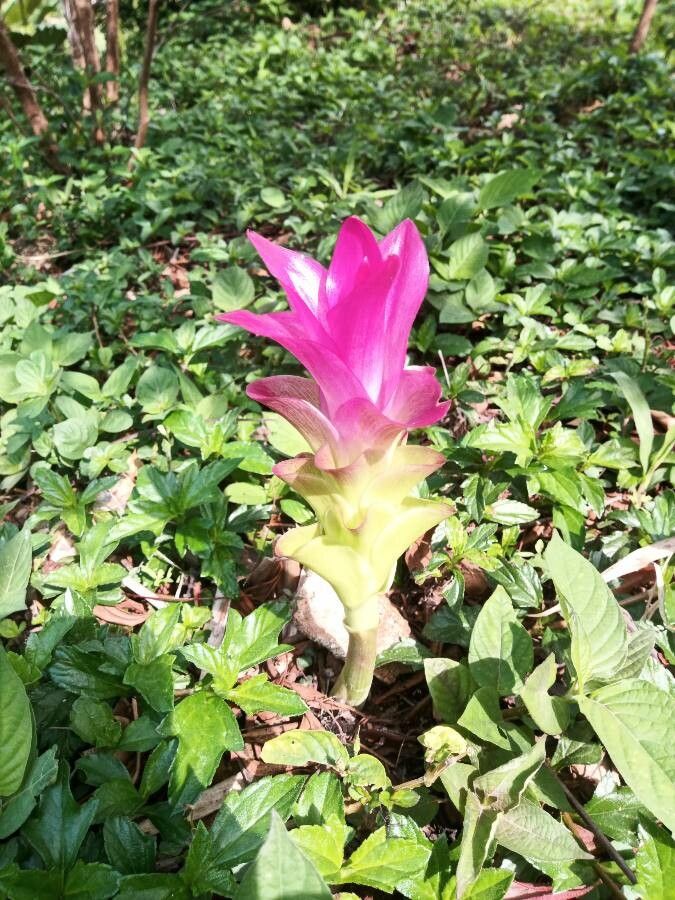
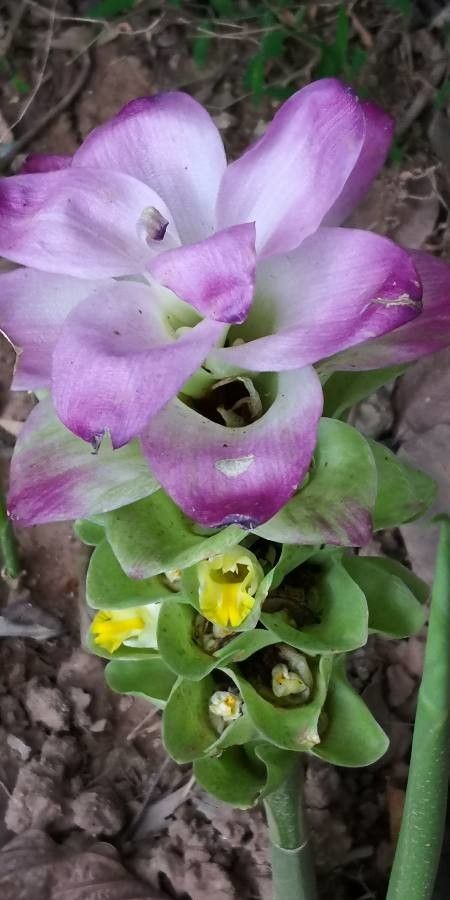
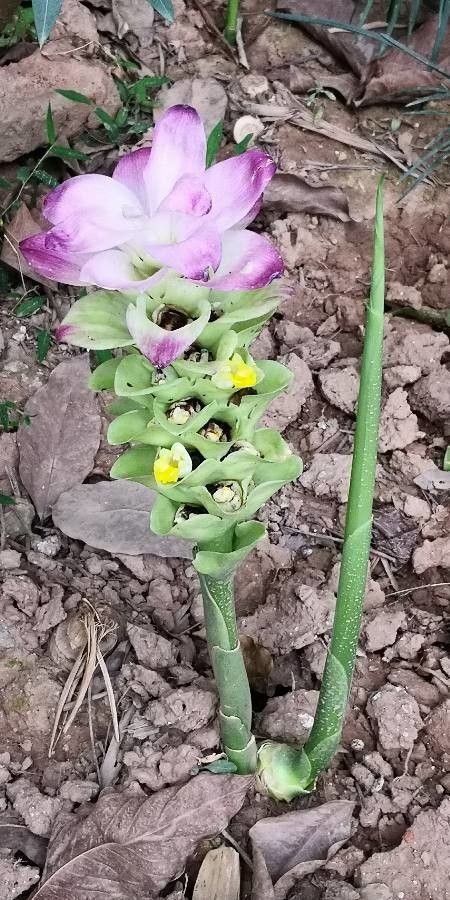
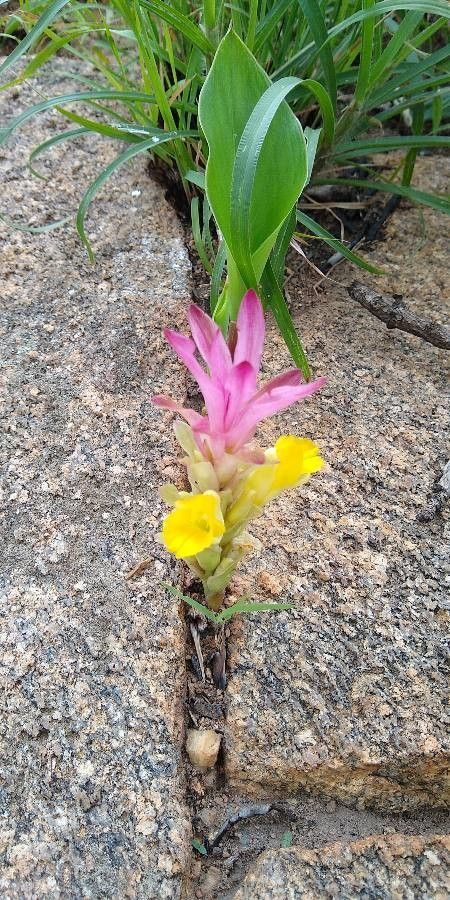
Curcuma aromatica, commonly known as wild turmeric or yellow ginger, is a perennial herbaceous plant belonging to the ginger family. Native to Southeast Asia and India, it has been utilized for centuries in traditional medicine due to its medicinal properties.
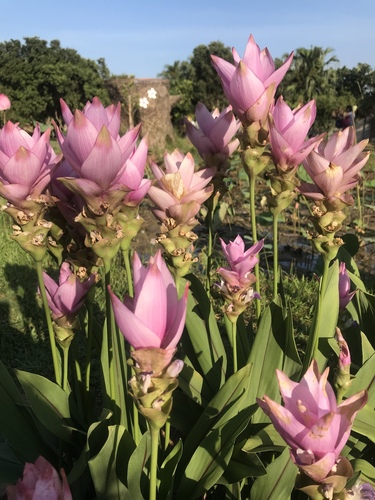
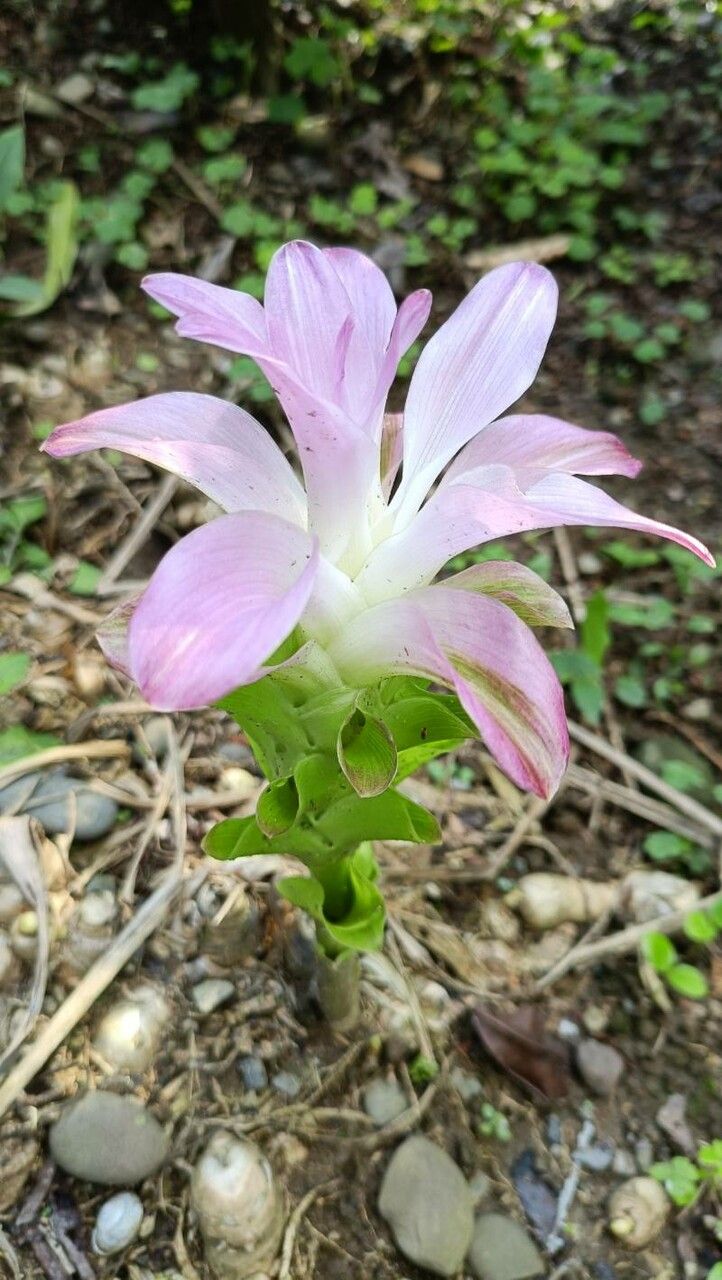
The plant can grow up to 1 meter in height and features large leaves, which are green on the upper surface and purple underneath. Its flowers, arranged in spikes atop the stems, are yellow or white with a purple lip.
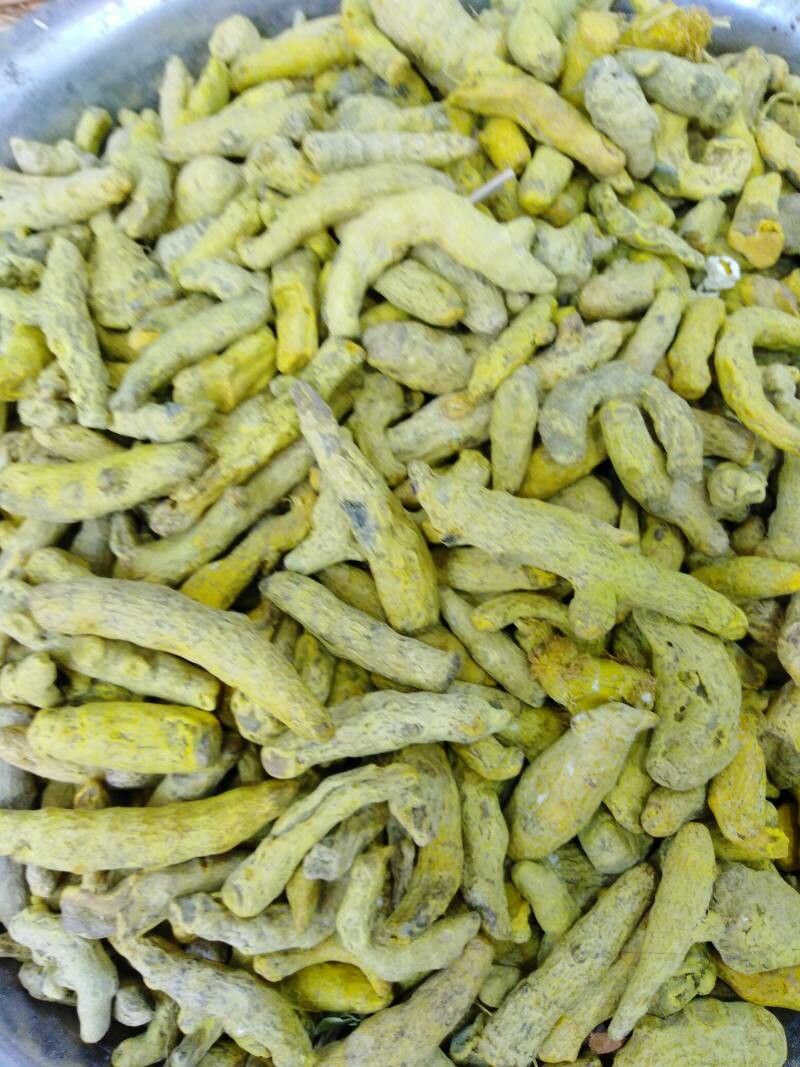
The rhizomes of Curcuma aromatica contain curcuminoids, known for their anti-inflammatory properties that can help alleviate pain and reduce swelling. They also contain essential oils, such as turmerone, which possess antifungal properties.
Curcuma aromatica is used in traditional medicine to treat various ailments, including skin diseases, digestive disorders, respiratory issues, and menstrual disorders.
In addition to its medicinal uses, Curcuma aromatica is also valued as a spice due to its aromatic flavor, which is similar to but milder than that of turmeric (Curcuma longa). The rhizomes can be dried and ground into a powder or grated fresh into dishes like curries.
Overall, Curcuma aromatica has played a significant role in traditional medicine practices due to its numerous health benefits, making it an important herbaceous plant with both medicinal and culinary applications.
Aromatic tumeric or curcuma is disease-resistant and generally not prone to illnesses. However, it can be affected by pests and diseases present in its surroundings, and these infections are usually mild. Regarding care, this plant needs moderate maintenance. It should be pruned regularly to keep a good appearance and healthy growth. Fertilizing can also encourage flowering. Aromatic tumeric or curcuma is suitable for people with outdoor spaces, such as a garden or patio, and does not demand extensive care experience. It may need more attention when grown indoors.
How to keep Curcuma Aromatica.
Light
The growth and health of aromatic tumeric, or curcuma, are strongly affected by ample sunlight. Native to bright habitats, it does best with abundant light through all stages of growth. However, both too much and too little light can hinder its optimal development.
Water
Aromatic turmeric, also known as curcuma, originates from tropical forests and prefers environments with high humidity and consistent moisture. As an ornamental indoor plant, it requires thorough weekly watering but can tolerate short periods of dryness. For optimal growth and flowering, it's best to maintain ambient humidity levels that mimic its native habitat.
Temperature
Aromatic tumeric or curcuma is naturally adapted to climates with temperatures between 59 and 100.4 °F (15-38 ℃). It grows best in warm areas. In colder seasons, temperatures should be gently adjusted to mimic its native habitat.
Fertilizer
Early spring—when an Aromatic tumeric or curcuma is coming out of dormancy and starting active growth—is the ideal time to fertilize it. Fertilization supplies essential nutrients for healthy growth. Although an Aromatic tumeric or curcuma has relatively low fertilizer needs, an annual application can boost its survival and encourage better, longer-lasting flowers.
Pruning
Aromatic turmeric, also known as curcuma, flourishes when pruned correctly, particularly from early to late spring. To promote healthy growth and prevent overcrowding, trim any dead or damaged shoots. Be sure to use sterilized tools to prevent infections. Pruning not only improves the plant's shape and air circulation but also boosts rhizome production, ensuring the plant's optimal health.
Botanical profile.
- Plant Type
- Herb
- Life Cycle
- Perennial
- Genus
- Curcuma
- Family
- Zingiberaceae
- Hardiness Zone
- 7-11
- Mature Height
- 40 cm
- Mature Spread
- 49 cm to 76 cm
- Leaf Color
- Dark Green
- Leaf Type
- Deciduous
- Flower Color
- White, Pink
- Flower Size
- 7.62 cm
- Bloom Time
- Summer
- Planting Time
- Spring, Summer, Autumn
- Harvest Time
- Late summer, Early fall, Mid fall
- Native Area
- Nepal, Sri Lanka, India, Cambodia, Vietnam, Myanmar, Japan, Bhutan, Laos, Thailand, China
Other names.
Reader questions.
How should I water my Aromatic turmeric or curcuma?
To properly water Aromatic tumeric or curcuma, use filtered water at room temperature. Tap water may contain harmful particles, so filtering it is recommended. It's important to use room temperature or slightly warm water because these plants thrive in warm environments, and cold water can be stressful for them. Avoid overhead watering as it can cause foliage issues. Instead, pour filtered room temperature water onto the soil until it is fully soaked. This method benefits the plant by keeping its roots moist and allowing them to spread and gather essential nutrients in the soil.
What are the sunlight requirements for aromatic turmeric or curcuma?
Aromatic turmeric or curcuma thrives best when exposed to ample sunlight, reflecting its origin in sunny habitats. It requires full sun, which is above 6 hours of sunlight per day, for optimal growth throughout all its stages. However, it can also grow in partial sun, receiving about 3-6 hours of sunlight daily. Monitoring how sunlight moves through your garden is crucial for selecting the ideal location that provides a balance of light and shade, ensuring the plant's well-being.
What is the ideal temperature range for growing Aromatic Turmeric or Curcuma?
Aromatic turmeric, also known as Curcuma aromatica, is best suited to environments where temperatures range from 59 to 100.4 °F (15-38 °C). It thrives in warm regions, showcasing its strong cold resistance. However, to mimic its natural habitat during colder seasons, temperatures should be gently modified. While the plant has robust cold resistance, ensuring it is not exposed to temperatures dropping below -15°C without protection during winter is crucial. Adequate cold protection can be provided by covering the plant with soil or straw. Additionally, it's recommended to water the plant abundantly before the first freeze in autumn to ensure the soil remains moist and enters a frozen state, counteracting drought and water scarcity throughout the winter and early spring.
What should I do if I give too much or too little water to my Aromatic tumeric or curcuma?
Both overwatering and underwatering can harm the health of your Aromatic tumeric or curcuma, but overwatering is more commonly problematic. Excessive watering can cause wilting and yellowing of the stems and leaves, as well as diseases like root rot, mold, and mildew, which can be fatal to your plant. Underwatering is less likely to occur, as this plant can handle drought to some extent, but it can still happen. In this case, the leaves may become brittle and brown. It's essential to recognize the signs of overwatering early on. If you notice them, reduce your watering schedule immediately. Check the soil's quality; if it doesn't drain well, replace it with a loose, well-draining potting mix. However, if you see signs of underwatering, simply water more frequently until those signs disappear.
How does sunlight exposure affect the growth and health of aromatic turmeric or curcuma?
The growth and health of aromatic turmeric or curcuma are significantly influenced by sunlight exposure. Originating from environments that enjoy widespread sunlight, this plant thrives under similar conditions during all phases of its growth. An adequate amount of sunlight is essential for the plant's development, whereas too much or too little light can negatively impact its health. For indoor plants, when natural sunlight is not enough, especially during winter or in areas with less sunlight, artificial lighting can be a crucial supplement to promote faster, healthier growth. For effective artificial lighting, selecting the right type of light, such as LED lights which can be customized for the plant's needs, and ensuring proper intensity and duration of exposure are key factors.
How does low temperature affect Aromatic Turmeric or Curcuma, and what are the solutions?
Aromatic turmeric is cold-tolerant and favors temperatures above 15°C. However, during winter, it should be kept above -10°C to avoid damage. Exposure to temperatures below -15°C may not show immediate changes, but it can lead to a decrease in sprouting or failure to sprout come spring. The solution for any winter-induced damage is to remove any parts of the plant that fail to sprout in spring, facilitating recovery and new growth.
How frequently should I water my Aromatic tumeric or curcuma plant?
If your Aromatic turmeric or curcuma plant is in a pot, the most precise way to determine if it needs water is by checking the soil. Simply stick your finger into the soil, and if the top two to three inches are dry, it's time to water it. For those growing their Aromatic turmeric or curcuma plants outdoors in the ground, you can use a similar method to test the soil. Once the first few inches have dried out, it's time to water the plant. Typically, during the spring and early fall seasons, you'll need to water this plant about once a week using this method. However, during extremely hot weather, you may need to increase watering to twice or more per week. It's important to note that mature and well-established Aromatic turmeric or curcuma plants have a remarkable ability to withstand drought.
What are the symptoms of inadequate lighting in aromatic turmeric or curcuma?
Inadequate lighting can cause several symptoms in aromatic turmeric or curcuma, including smaller new leaves compared to mature ones, leggy or sparse growth, early leaf drop to conserve resources, halted new leaf production, lighter-colored or pale new leaves indicating a lack of chlorophyll, and conditions such as chlorosis and sunscald due to excessive sunlight. Other symptoms include curled leaves as a defense against intense sunlight, wilting from significant water loss, and leaf scorching characterized by brown, dry, and crispy leaf edges. Recognizing these symptoms can help in diagnosing light-related issues and implementing corrective measures for the plant's health.
How does high temperature affect Aromatic Turmeric or Curcuma, and what are the solutions?
In the summer, the temperature around Aromatic turmeric or Curcuma should be kept below 38°C for optimal growth. Should temperatures soar above 43°C, the plant's leaves may lighten in color, become prone to curling, and suffer from sunburn. Severe heat can cause the plant to wilt and dry out entirely. To mitigate these issues, trim away the sunburned and dried parts of the plant. Relocating the plant to a shaded area or using a shade cloth can protect it from the midday and afternoon sun. It's also beneficial to water the plant in the morning and evening to maintain soil moisture and reduce heat stress.
How much water does my Aromatic turmeric or curcuma plant need?
When watering your Aromatic turmeric or curcuma, don't hold back on the amount of water you give. Wait until the top two to three inches of soil are dry, and then water thoroughly. Make sure to water enough to completely saturate the soil, allowing excess water to drain through the pot's drainage holes. If you don't see water draining from the pot, you may have underwatered the plant. However, be cautious not to let water accumulate in the soil, as this can be harmful to the plant. Poorly draining soil is also detrimental to the plant's health, so be mindful of using well-draining soil. If the plant is outdoors, 1 inch of rain per week should be enough.
How can I address light deficiency or excess in aromatic turmeric or curcuma?
Addressing light deficiency or excess in aromatic turmeric or curcuma involves strategic placement and the use of artificial lighting when necessary. For indoor plants, gradually moving them to sunnier locations to achieve at least 6 hours of direct sunlight daily is recommended. A south-facing window with open curtains during the day can maximize sunlight exposure. If the plant is large or not easily movable, consider supplementing with artificial light for at least 8 hours daily. For outdoor plants, slowly transitioning them to spots with optimal sunlight exposure is key, avoiding abrupt changes that could lead to sunburn. Reducing obstructions like pruning trees that block sunlight, or transplanting smaller plants to well-lit areas with good drainage, can significantly improve light access. It's important to note that while parts of the plant already affected by insufficient sunlight may not recover, new growth should be healthy once light exposure increases.
How do I water my Aromatic turmeric or curcuma plant at different stages of growth?
The water needs of Aromatic tumeric or curcuma can vary based on growth stages. In the first few years or after transplanting, more water is necessary as the plant focuses on developing new roots for future growth. These roots require extra moisture to thrive. As the plant matures, it will require less water. Additionally, during the bloom period, the plant may need more water as flower development consumes a significant amount of moisture.