Curcuma zedoaria
Zedoary · White turmeric · Temmo potè · Temu putih · Round zedoary
Description
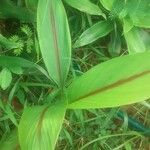
Source: leafsnapCurcuma zedoaria, commonly known as white turmeric or zedoary, is a perennial herbaceous plant belonging to the ginger family. Native to Southeast Asia, this plant has been used for centuries in traditional medicine and culinary practices. The plant can grow up to 1 meter in height and features large leaves that are green on top and purple underneath. The rhizomes, which are the most commonly used part of the plant, have a distinct aroma and flavor similar to ginger. Curcuma zedoaria contains several bioactive compounds such as curcuminoids, essential oils, flavonoids, and terpenes, which have been found to possess anti-inflammatory properties. It is also believed to help alleviate digestive issues like bloating and indigestion. In traditional practices such as Ayurveda and Chinese medicine, Curcuma zedoaria has been used to treat various ailments including respiratory problems like asthma and bronchitis, skin conditions such as eczema, menstrual cramps, and arthritis pain relief, among others. Overall, Curcuma zedoaria is a versatile herb with numerous potential health benefits, making it an important ingredient in both culinary dishes and natural remedies.
🌳 Although many know white turmeric as a spice, it possesses a range of lesser-known uses. Its rhizome, rich in essential oils, is employed in aromatherapy and perfumery. Additionally, derivatives of white turmeric have been used as natural dyes, imparting soft yellow and orange shades to fabrics. Notably, the plant can act as a bioindicator for certain soil pollutants, with its growth reflecting environmental quality. This adaptability not only highlights white turmeric's value but also emphasizes sustainable alternatives for various industries.
Care Guide
💧 Water Every 7 days
White turmeric is native to the monsoon forests of South and Southeast Asia, where it flourishes in high humidity and consistently moist soil. To promote growth, water it weekly and mist its leaves regularly. This care makes the plant a popular choice for indoor ornamentation, as it recreates its natural tropical habitat.
How should I water my White turmeric?
White turmeric has specific requirements for watering. It is not only important to provide the right amount of water, but also to use the proper technique. Failing to do so can harm your tomatoes. The best way to water White turmeric is to apply the water directly to the soil, slowly and gently. Avoid pouring all the water into the soil at once or using overhead watering. While watering slowly, make sure to water deeply to ensure the entire soil is adequately moist for your White turmeric to thrive.
What do I need to do if I give too much or too little water to my White turmeric plant?
If you have overwatered your White turmeric and are worried about the risk of disease, it's important to act quickly. The best approach for an overwatered White turmeric is to remove it from its current location and let the roots dry out before replanting it somewhere with good drainage. If you are growing it in a pot, consider transferring it to a pot with better drainage. On the other hand, if you have underwatered your plant, simply increase the frequency of watering.
How frequently should I water my White turmeric plant?
White turmeric needs a lot of water during the growing season. In spring and summer, you should water it frequently, about once or twice a week. As the season goes on, increase your watering. In the summer, you might need to water it twice a day or more, depending on the weather. After the main growth phases, you can water it once a week until the end of the season.
How often should I water my White turmeric plant?
White turmeric plants are very popular, and both professional and amateur gardeners have had success growing them. Because of this, we now have a good understanding of how to take care of these plants. This includes knowing how much water they need. In general, White turmeric plants should receive about 1 - 1.5 inches of water per week, which should be evenly distributed during your weekly watering. If the weather becomes hotter, you may need to provide more water, but typically, two inches per week is a good starting point.
How can I know if I'm giving enough water to my White turmeric plant?
Both underwatering and overwatering can cause problems for your White turmeric, with similar symptoms appearing in both cases. These symptoms include foliage discoloration and wilting. When your White turmeric is underwatered, its leaves will curl and droop initially, followed by a decrease in their vitality. Since White turmeric requires a significant amount of water, underwatering can also result in stunted growth and poor overall development, affecting both the flowers and the plant. On the other hand, overwatering is more likely to lead to diseases such as rot. Additionally, overwatering may cause unpleasant odors to emanate from the plant's soil. The symptoms of underwatering appear faster than those of overwatering. You can also identify overwatering by checking for standing water or waterlogged soil.
☀️ Light Full sun
White turmeric prefers abundant sunlight for vigorous growth, though it can persist in places with somewhat less light. This sun-loving characteristic is an adaptation from its ancestral background. Both too much and too little light can potentially cause health problems, disrupting its normal thriving.
How much sunlight does White turmeric require for optimal growth?
White turmeric flourishes with extensive sun exposure, thriving in conditions that offer more than 6 hours of sunlight, categorized as full sun. It can also adapt to environments where sunlight is slightly less abundant, about 3-6 hours, known as partial sun. This requirement is rooted in its ancestral origins, making the plant highly photophilic. Both overexposure and underexposure to sunlight could lead to health issues, thereby affecting its natural ability to thrive.
What are the warning signs of incorrect sunlight exposure for White turmeric?
When White turmeric is grown indoors or under inadequate light conditions, it might show signs of light deficiency. These include the development of smaller new leaves, leggy or sparse growth, premature leaf drop, halted or no new growth, and the appearance of paler or lighter-colored new leaves. Additionally, excessive sunlight exposure can result in chlorosis, sunscald, leaf curling, wilting, and leaf scorching. These symptoms indicate the plant's struggle with the current light conditions, affecting its growth and health.
Can artificial lighting be used for White turmeric, and what are the recommendations?
Yes, artificial lighting can be a viable solution for White turmeric, especially in conditions where natural light is scarce, such as in winter or less sunny spaces. LED lights are recommended due to their ability to be customized to provide specific wavelengths needed by the plant. For artificial light, full sun plants require 30-50W/sq ft, partial sun plants need 20-30W/sq ft, and full shade plants need 10-20W/sq ft. The light source should be placed 12-36 inches above the plant to mimic natural sunlight, and the duration should replicate the plant's natural daylight hours, usually between 8-12 hours per day.
What solutions are available for managing White turmeric's sunlight needs?
To manage sunlight exposure for White turmeric effectively, the strategy varies by the plant's location. Indoors, gradually move the plant each week to a sunnier spot, aiming for at least 6 hours of direct sunlight daily using south-facing windows. For additional light, consider using artificial light sources for at least 8 hours a day. Outdoors, similarly, introduce the plant to more sunlight gradually to prevent sunburn. If dealing with obstructions, like trees, pruning can help increase sunlight penetration. For smaller plants that need transplanting, do so during their dormant period with careful attention to sunlight exposure and drainage at the new location. It's crucial to note that parts of the plant that suffered from insufficient light may not recover, but new growth should be healthy with the right light conditions.
🌡️ Temperature 20–37.8°C
White turmeric originates from areas with temperatures between 68 and 100.4 °F (20 to 38 °C). It grows best within that thermal range. To maintain healthy growth across seasons, keep temperatures within this preferred range.
What is the preferred temperature range for growing White turmeric?
White turmeric, scientifically known as Curcuma zedoaria, thrives in environments where temperatures are between 20°C to 38°C (68°F to 100.4°F). This temperature range is crucial for its optimal growth. During winter, it is advisable to maintain temperatures above 20°C to prevent damage to the plant, ensuring it is protected against freezing by keeping the minimum temperature above the freezing point. When temperatures drop to around -5°C (25°F), protective measures such as bringing the plant indoors or using a temporary greenhouse, plastic film, or fabric for wrapping should be considered to shield the plant from cold damage.
How does White turmeric react to low temperatures, and what solutions can mitigate damage?
White turmeric has a moderate tolerance to low temperatures and performs best within a 20°C to 38°C range. In winter, the temperature should remain above 5°C to avoid stress on the plant. Exposure to temperatures below 1°C can lead to darkened leaves, water-soaked necrosis, wilting, and ultimately a change in leaf color to brown. To mitigate damage from frost, trim away the frost-damaged parts and move the plant to a warmer indoor environment or a makeshift greenhouse. Ensure the plant is placed near a south-facing window to get ample sunlight or use supplemental lighting if the natural light is insufficient.
What are the effects of high temperatures on White turmeric and how can they be addressed?
During the summer, it's important to keep White turmeric's surrounding temperature below 38°C. Exceeding 43°C can slow down the plant's growth, leading to lighter leaf colors and increased susceptibility to sunburn. Addressing high temperature stresses involves trimming away sunburned or dried-out parts, relocating the plant to a shaded area away from intense afternoon sun, and watering the plant in the mornings and evenings to maintain soil moisture.
💨 Humidity normal (40-60%)
This plant will thrive in moderate humidity, which is probably the level in your home. However, misting it a few times a week can be very beneficial. Make sure the room has good ventilation.
🪴 Soil 6-7
🌱 Fertilizer
For white turmeric, use organic materials such as compost, grass clippings, or manure. A slow-release granular fertilizer or a commercial fertilizer can be applied sparingly. Incorporate the organic fertilizer into the soil before planting. Typically, one to two fertilizer applications per growing season are sufficient for a bountiful harvest.
Why should I put fertilizer on my White turmeric?
If the soil conditions in your garden are favorable, you may not need to fertilize your White turmeric. A good harvest can be a sign that fertilizer is unnecessary. To be sure, it is recommended to have your soil tested. You can either use a soil testing kit or send samples to a lab for analysis. Knowing the nutrient levels in your soil will help you decide if additional fertilizer is needed.
When should I fertilize my White turmeric for the best results?
To ensure a successful harvest of White turmeric, follow these fertilizer guidelines: Firstly, mix organic fertilizer into the soil a week before planting. Secondly, apply a top dressing of fertilizer during the spring to give young plants an extra boost. Typically, one to two applications of fertilizer throughout the growing season should be enough.
When is the best time to not fertilize my White turmeric?
If you have already harvested most of your vegetables and are growing White turmeric, it's not necessary to fertilize it. This crop needs to be replanted annually, so fertilizing it at this stage would be wasteful. Additionally, if you are already gardening in soil that is rich in nutrients, there is no need to fertilize the White turmeric. It typically doesn't require much fertilizer to produce a good yield of flavorful vegetables with decent size. Only fertilize your White turmeric if a soil test reveals a deficiency in one or more nutrients.
What kind of fertilizer should I use for my White turmeric?
For optimal growth of White turmeric, it is recommended to use a natural organic fertilizer or slow-release granular fertilizers. It is important to choose a low-nitrogen fertilizer to avoid excessive foliage production and ensure strong root vegetable growth. A formula with lower nitrogen like 5-10-10 is ideal for a successful harvest. Additionally, using organic mulch made from leaves, straw, grass clippings, or other organic matter is beneficial. The mulch helps prevent weeds, maintain soil moisture, regulate soil temperature, and slowly release nutrients into the soil as it breaks down.
How should I fertilize my White turmeric plant?
Before planting, spread a thick layer of organic fertilizer such as manure or compost across the bed. Make sure to mix or till the fertilizer into the soil. After planting, you can add more organic fertilizer on top of the soil, about two to four inches thick. Remember to water the fertilizer thoroughly. When using chemical fertilizers, follow the manufacturer's directions carefully to get the best results and avoid using too much fertilizer. For all types of fertilizers, apply them to the soil around the plant, but avoid direct contact with the plant to prevent burning its tissues.
🪴 Pot & Repot Every 12 months
For healthy growth, white turmeric needs pots with excellent drainage.
✂️ Pruning
White turmeric benefits from pruning in early to late spring, which involves removing dead stalks to encourage healthy growth. Cutting back old stems after the plant has flowered helps rejuvenate it, enhancing its vigor and allowing for better air circulation. This practice minimizes the risk of fungal issues and improves the plant's appearance and overall health.
🌿 Propagating
🐛 Diseases & pets
☠️ Toxicity
Characteristics
- Plant Type
- Herb
- Life Cycle
- Perennial, Annual
- Genus
- Curcuma
- Family
- Zingiberaceae
- Hardiness Zone
- 10-11
- Mature Height
- 91 cm
- Mature Spread
- 49 cm
- Leaf Color
- Dark Green, Forest Green
- Leaf Type
- Deciduous
- Flower Color
- White, Yellow
- Flower Size
- 5.08 cm to 7.62 cm
- Bloom Time
- Late spring, Early summer, Mid summer
- Planting Time
- Spring
- Harvest Time
- Mid summer