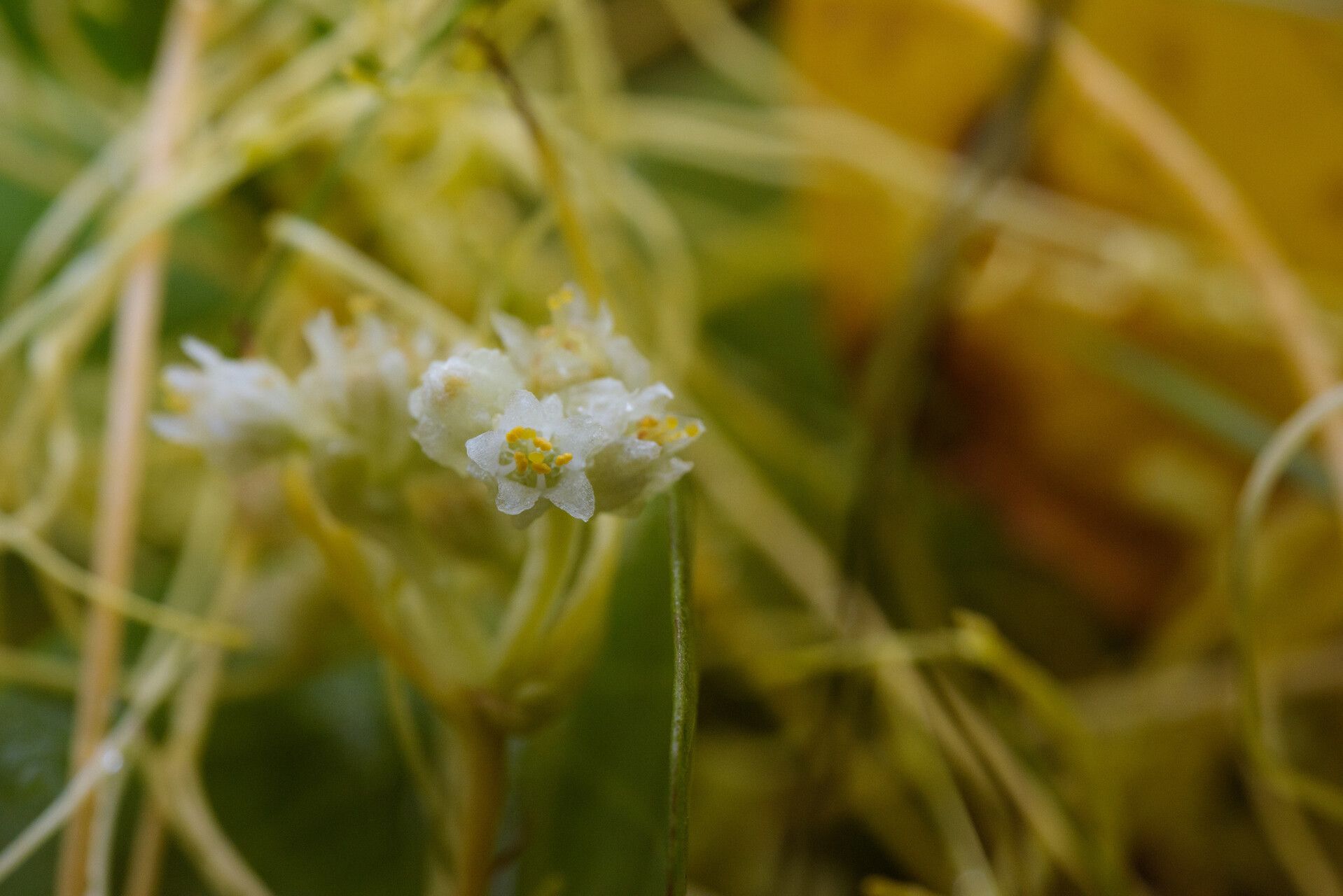
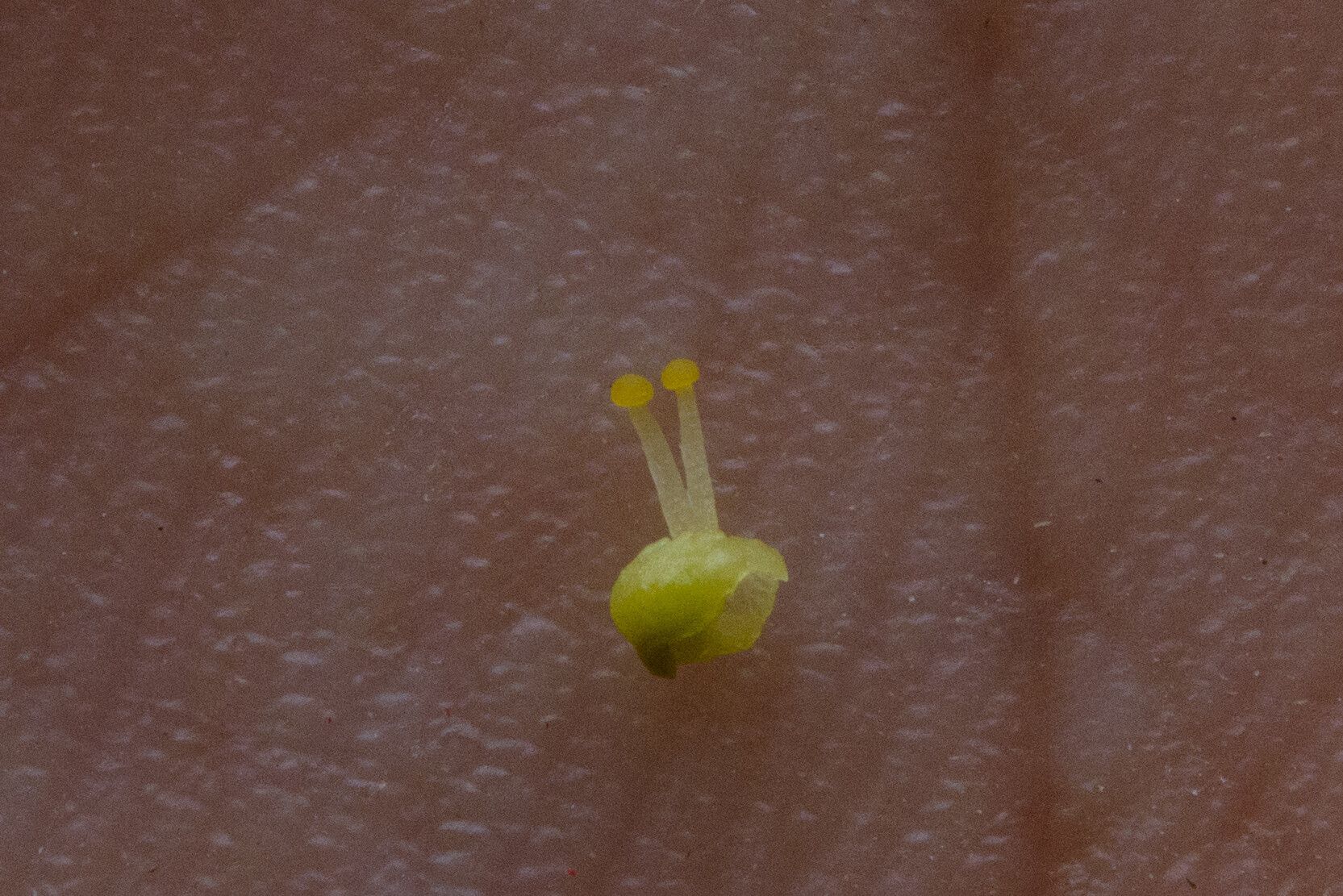
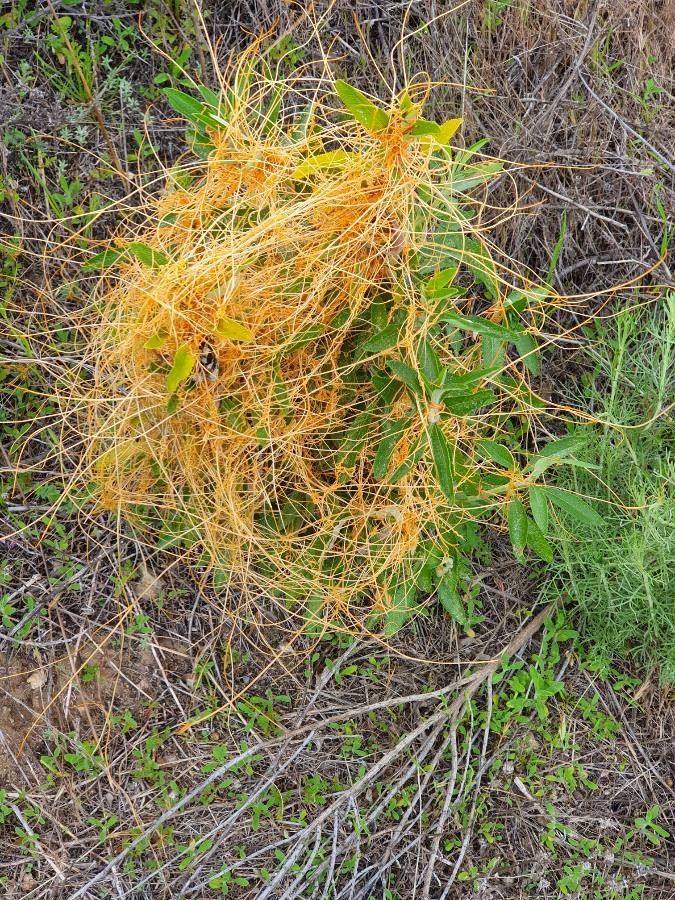
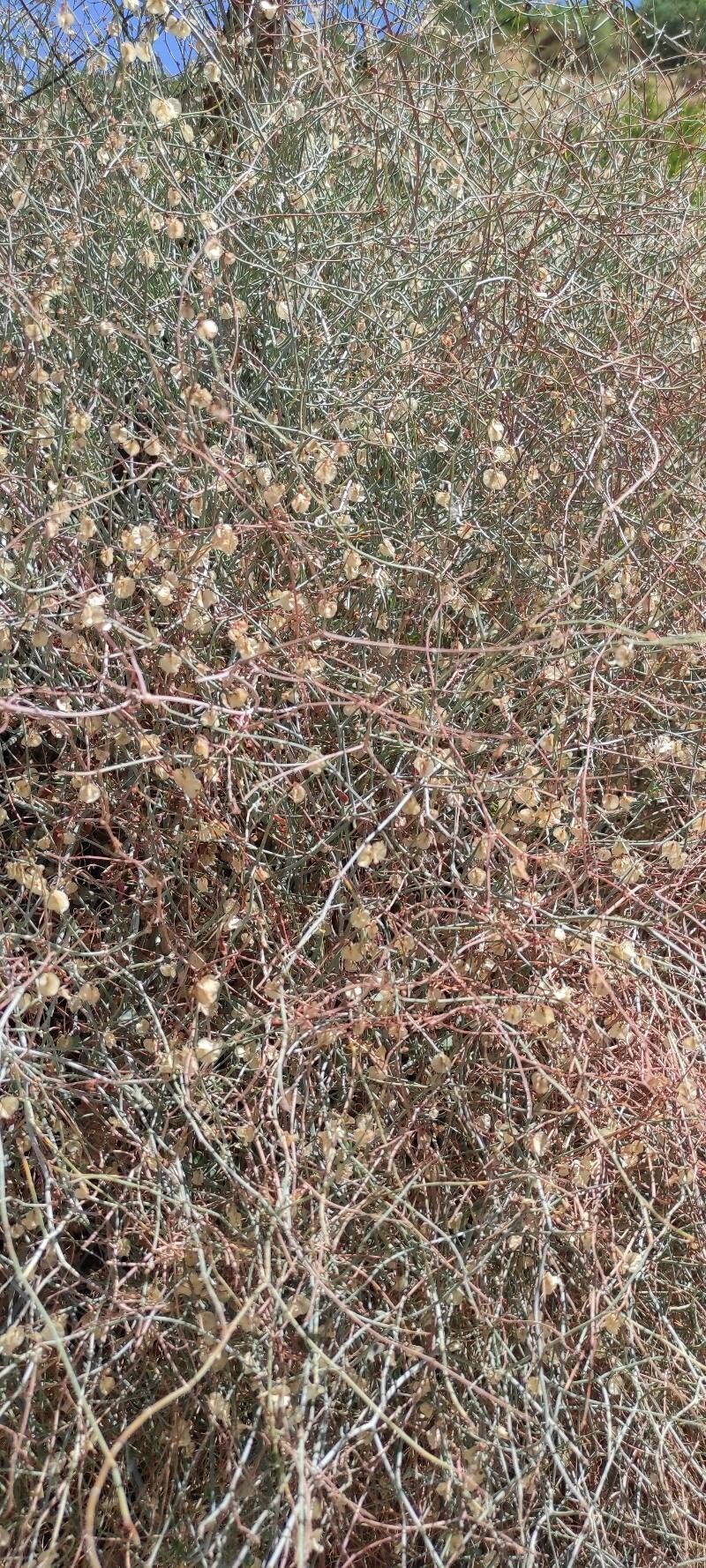
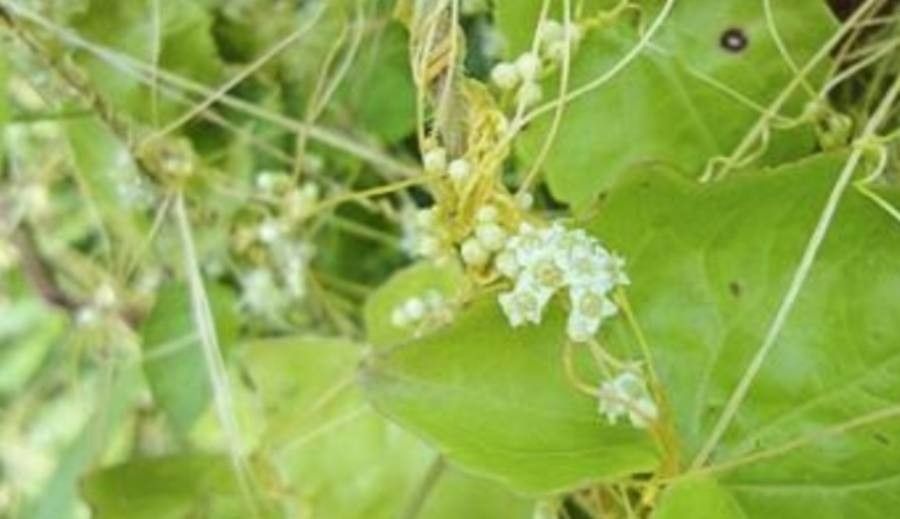
Cuscuta chinensis is a stem holoparasite vine in the family Convolvulaceae. It was first described in China in 1786.
Chinese dodder has strong resistance to disease and is generally not susceptible to illnesses. In terms of care, this plant is fairly low-maintenance. When grown outdoors it needs only minimal watering, and larger plants usually do not require pruning. Smaller plants, however, should be pruned after they finish blooming. Chinese dodder is suitable for anyone with an outdoor area, such as a garden or deck, and does not demand extensive care experience.
How to keep Cuscuta Chinensis.
Light
Open spaces like sunlit meadows and the borders of forests are where Chinese dodder originates from, offering plenty of light. While it flourishes in Full Sun conditions, it is equally capable of surviving in Partial Sun, showing a good adaptability to different levels of sunlight.
Temperature
Chinese dodder displays considerable versatility in adapting to temperature changes, being capable of withstanding increased temperatures and significant temperature fluctuations. During periods of elevated temperatures, it's crucial to ensure adequate watering and to supply suitable shading to avoid exposure to intense sunlight. Nevertheless, Chinese dodder does not fare well in cooler conditions. It has some resistance to cold weather, but extreme cold can result in frostbite damage.
Fertilizer
To encourage robust development, feed your Chinese dodder in the early spring. Consistent fertilization boosts general health, leading to dynamic expansion, ability to withstand harsh conditions, and enhanced resistance to disease and pests. Stick to a precise feeding timetable for your Chinese dodder to guarantee brightly-coloured leaves and a luxurious look.
Botanical profile.
- Plant Type
- Vine
- Life Cycle
- Perennial
- Hardiness Zone
- 5-9
- Mature Height
- 30 cm to 91 cm
- Mature Spread
- 0.49 m to 1.52 m
- Leaf Color
- Yellow, Gold
- Leaf Type
- Semi-evergreen
- Flower Color
- White, Cream
- Flower Size
- 0.20 cm to 0.51 cm
- Bloom Time
- Summer
- Planting Time
- Spring, Autumn
- Harvest Time
- Late summer, Early fall, Mid fall
- Native Area
- Sri Lanka, Djibouti, Egypt, India, Tajikistan, Sudan, Eritrea, Pakistan, Bangladesh, Laos, Thailand, China, Uzbekistan, Russia, Afghanistan, Iraq, Kyrgyzstan, Kazakhstan, Vietnam, Myanmar, Mongolia, Japan, Koppen, Iran, South Korea, Turkmenistan
Other names.