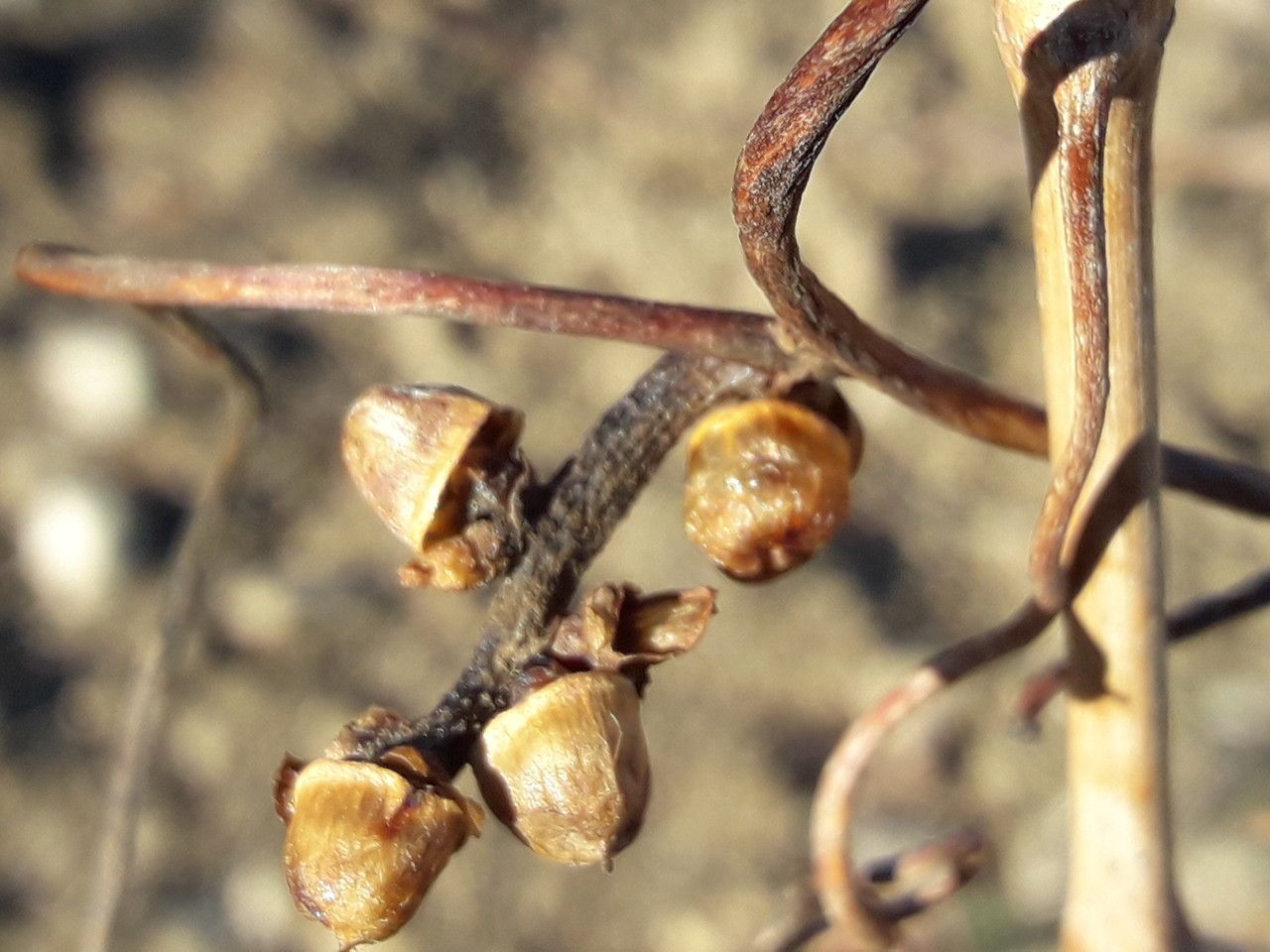
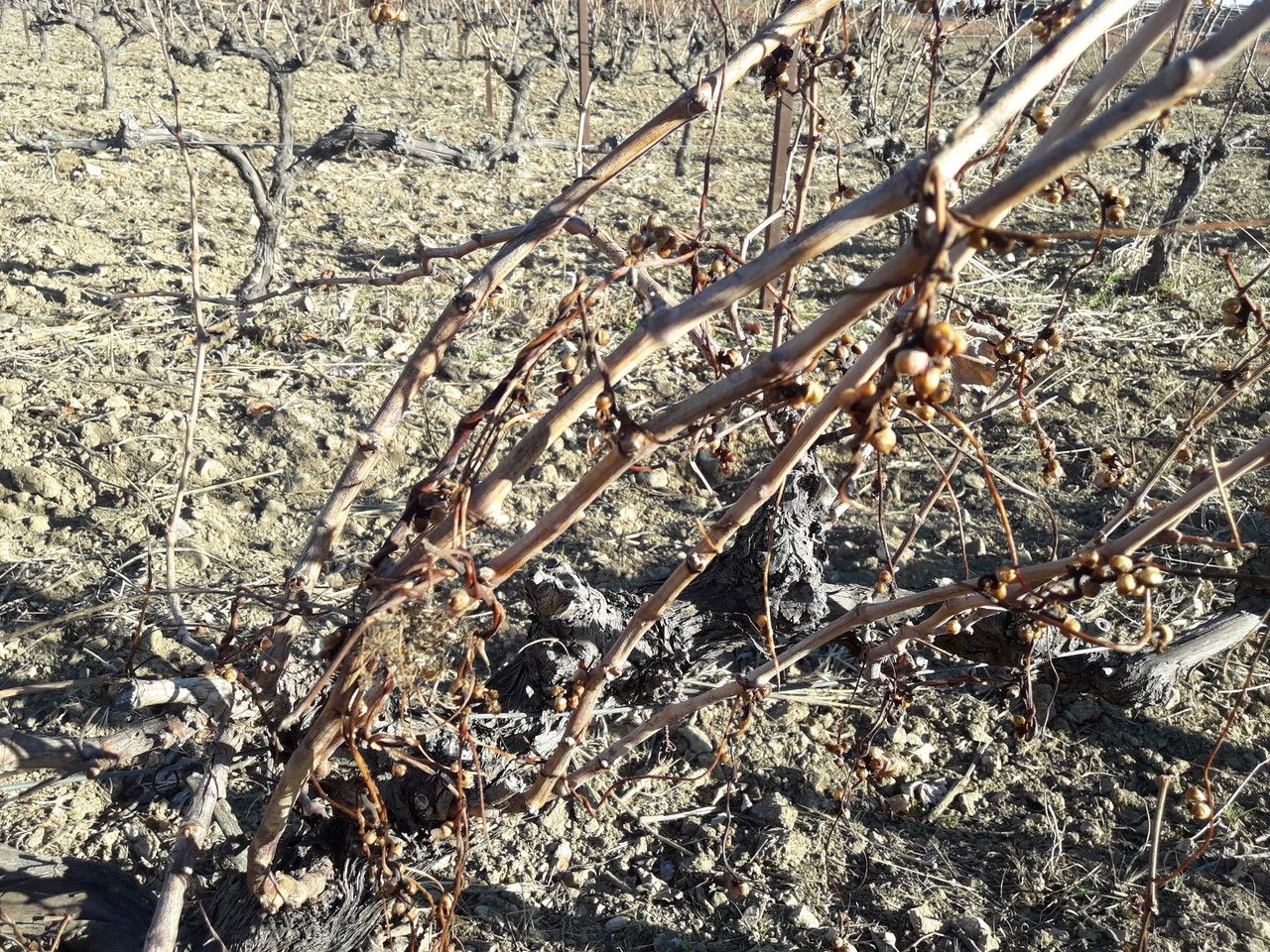
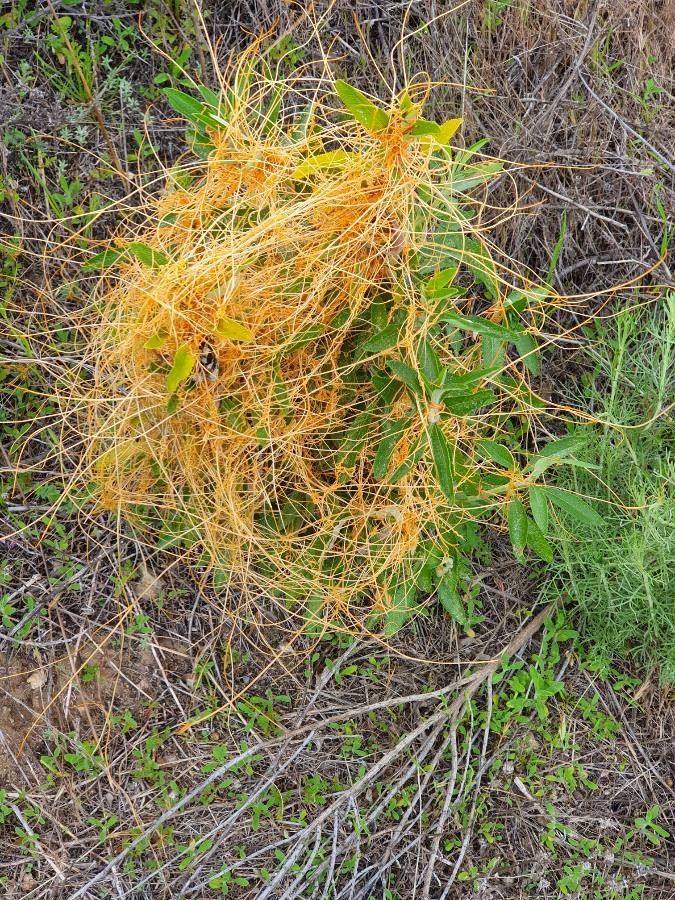
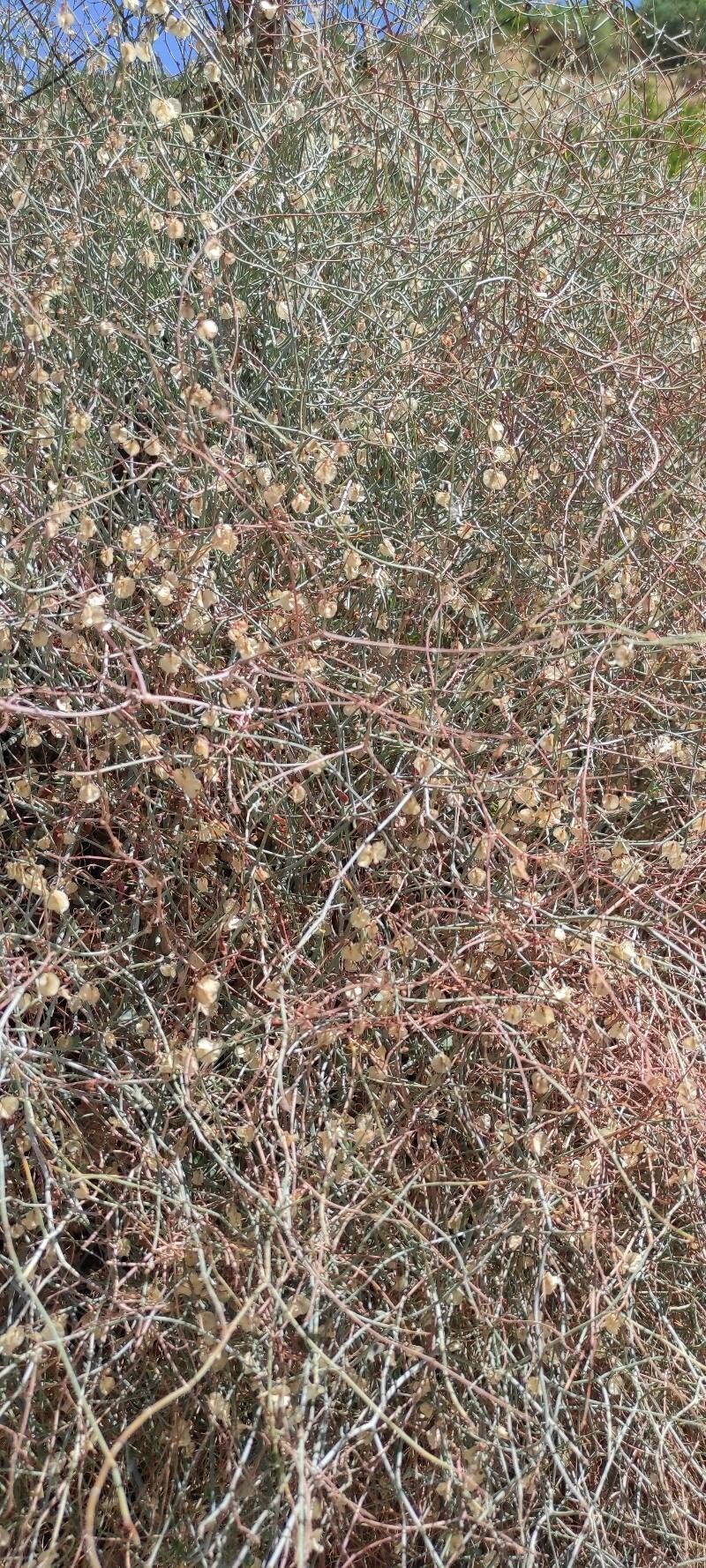
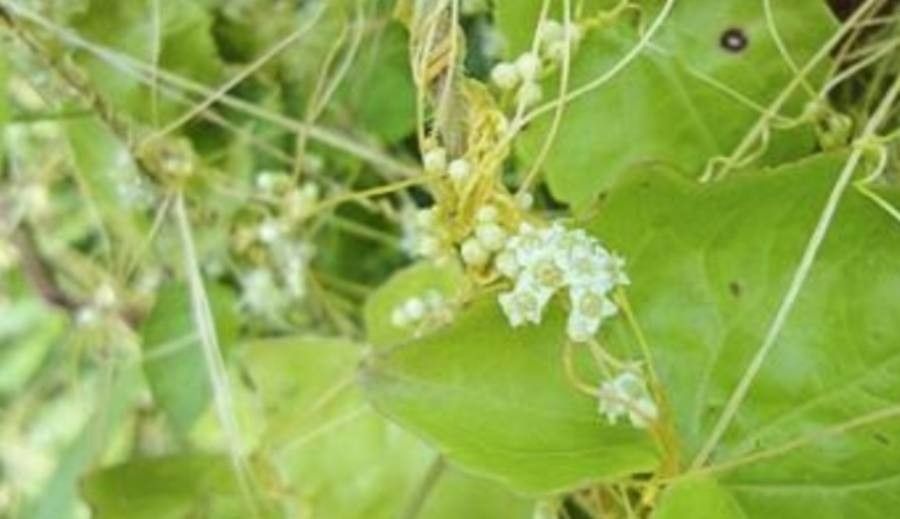
Cuscuta monogyna, the eastern dodder, is a species of annual herb in the family Convolvulaceae. They are climbers and have simple, broad leaves.
Greater dodder is fairly disease-resistant and typically does not readily suffer from illnesses. However, it can be vulnerable to pests and diseases present in its environment. Such infections are generally mild. Carewise, this plant requires moderate maintenance. It should be pruned regularly to maintain a tidy appearance and support healthy growth. Applying fertilizer can also encourage flowering. Greater dodder is suitable for anyone with an outdoor area, such as a garden or patio, and does not demand extensive plant-care experience. It may need more attention when grown indoors.
How to keep Cuscuta Monogyna.
Light
The growth and vitality of Greater dodder largely depend on large amounts of sunlight, although it can also withstand locations with medium light exposure. Its inherent habitats are generally characterized by plentiful sunlight. Its growth and health can be negatively affected by too much or too little light.
Temperature
Greater dodder displays significant adaptability to various temperature ranges, although distinct combinations of heat and moisture may still restrict its spread. It flourishes ideally in warm summer climates with sufficient rain or irrigation. If the weather remains cloudy and rainy for an extended period, or if temperatures remain high for a long duration, the probability of Greater dodder perishing can rise. During winter, appropriate measures to shield against cold can enhance the survival rate of the plant.
Fertilizer
Typically, one application of fertilizer in the spring is enough for Greater Dodder. However, to achieve maximum growth, you can feed it multiple times. Do this once every month to about one and a half months. Fertilizing improves the appearance and function of the leaves, ensuring a steady color and healthy texture. Additionally, it encourages the growth of roots and the absorption of nutrients, contributing to the plant's overall health in the long run.
Botanical profile.
- Plant Type
- Herb, Vine
- Life Cycle
- Perennial, Annual
- Genus
- Cuscuta
- Family
- Convolvulaceae
- Hardiness Zone
- 4-9
- Mature Height
- 91 cm
- Mature Spread
- 30 cm to 91 cm
- Leaf Color
- Yellow, Gold
- Leaf Type
- Deciduous
- Flower Color
- White
- Flower Size
- 0.25 cm to 0.51 cm
- Bloom Time
- Summer
- Planting Time
- Spring
- Harvest Time
- Late summer, Early fall, Mid fall
- Native Area
- Turkey, Sweden, India, Austria, Pakistan, Russia, Germany, Estonia, Latvia, Belgium, Moldova, Netherlands, Nepal, France, Tajikistan, Bulgaria, Armenia, Poland, Greece, Ukraine, China, Lithuania, Norway, Afghanistan, Kyrgyzstan, Kazakhstan, Italy, Switzerland, Denmark, Finland, Bhutan, Albania, Azerbaijan, United Kingdom, Hungary, Algeria
Other names.