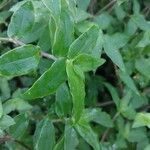
Cyanotis beddomei
Description
Source: leafsnapTeddy bear vine is a unique houseplant that has spreading or trailing stems decorated with unusual tear-drop-shaped fuzzy chocolate-brown leaves. The soft texture of its foliage gives rise to its common name, teddy bear vine. Teddy Bear Vine (Cyanotis kewensis) is native to South Africa. The foliage in (Teddy Bear Vine) bears rusty brown hairs. This perennial succulent grows to a height of 6 to 8 inches and spreads to a maximum of 24 inches. It produces inconspicuous blooms that are a pinkish mauve or blue. It's used for ornamental purposes for beautification.
Care Guide
💧 Water Every 1 week
The teddy-bear vine flourishes in environments with high humidity and consistently moist soil. To support its growth, it needs to be watered weekly. As an indoor plant, it benefits from regular misting because it is sensitive to the dry air caused by heating or air conditioning.
☀️ Light Partial sun
Teddy-bear vine naturally grows in places like forest understories or rocky locations, where it gets natural shade. It prefers partial sun but can tolerate full sun or full shade, reflecting its hardy, adaptable nature.
🌡️ Temperature 20–37.8°C
Teddy-bear vine comes from tropical areas where conditions are usually warm and humid. Consequently, it is adapted to elevated temperatures and humidity levels. It does not respond well to abrupt temperature shifts and favors a constant thermal environment, so preventing temperature swings indoors is important. The plant generally cannot withstand cold and needs warmer conditions to grow; if the surrounding temperature falls too much, growth may stop or the plant may die.
💨 Humidity normal (40-60%)
This plant will thrive in moderate humidity, which is probably the level in your home. However, misting it a few times a week can be very beneficial. Make sure the room has good ventilation.
🪴 Soil 5-6
🌱 Fertilizer
Proper fertilization is essential for the Teddy-bear vine’s health and appearance. Apply fertilizer in summer, repeating the application monthly throughout the season. Nutrients support growth and the upkeep of the plant’s parts. Fertilizing improves the Teddy-bear vine’s flower display, helping it achieve its best blooms.
🪴 Pot & Repot 2-3 years
Repot the Teddy-bear vine in early spring, selecting a pot only slightly larger than the current one and with good drainage. Use a well-draining potting mix and set the root ball at the same level as before. Gently loosen any root-bound roots. After repotting, water thoroughly and place the plant in a warm, shady location. Regular pruning keeps its size in check and encourages new growth.
✂️ Pruning
To encourage a compact, bushy growth and to prevent your Teddy Bear Vine from becoming leggy, regularly pinch off the growing tips. The stems become leggy with age; cutback the stems to rejuvenate new growth of your Teddy Bear Vine.
🌿 Propagating
🐛 Diseases & pets
☠️ Toxicity
Teddy Bear Vine (Cyanotis kewensis) is non-toxic to humans and pets. The plants are safe to grow indoors.
Characteristics
- Plant Type
- Herb
- Life Cycle
- Perennial
- Genus
- Cyanotis
- Family
- Commelinaceae
- Hardiness Zone
- 10-11
- Mature Height
- 13 cm to 23 cm
- Mature Spread
- 15 cm to 20 cm
- Leaf Color
- Brown
- Leaf Type
- Evergreen
- Flower Color
- Pink, Purple
- Flower Size
- 1.02 cm to 1.52 cm
- Bloom Time
- Summer, Early fall, Mid fall
- Planting Time
- Spring, Autumn
- Harvest Time
- Late summer, Fall, Early winter
- Native Area
- India