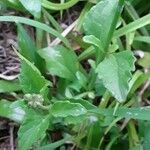
Cyanthillium cinereum
Little Ironweed · Purple fleabane · Vernonia · Tagulinau (Filipino) · Little ironweed
Description
Source: leafsnapCyanthillium cinereum, commonly known as little ironweed or purple fleabane, is a perennial herbaceous plant in the Asteraceae family. Native to Southeast Asia, it is prevalent in countries such as India, China, and Thailand. The plant grows up to 60 cm in height and features a woody base with numerous branches. Its small, narrow leaves have serrated edges and grow alternately along the stem. The flowers, which are small with purple or pink petals, form clusters at the ends of the branches. Cyanthillium cinereum is widely used for medicinal purposes, owing to its anti-inflammatory properties. Traditionally, it has been employed to treat various ailments, including fever, coughs, colds, headaches, and stomach disorders. Apart from its medicinal uses, the plant also has ornamental value because of its attractive flowers, making it a popular choice for gardens and landscaping projects. Overall, Cyanthillium cinereum is a remarkable plant species that offers both medicinal benefits and aesthetic appeal, making it an important part of many cultures throughout Southeast Asia, where it grows natively.
Care Guide
💧 Water Every 7 days
Little ironweed flourishes in tropical environments where consistent moisture is available. It benefits from weekly watering to keep the soil slightly humid and has a moderate tolerance for drought. While it adapts well to outdoor growth, its watering schedule should be adjusted according to rainfall patterns to optimize its growth throughout the season.
How should I water my Little ironweed plant?
To water Little ironweed, there are different tools you can use, such as a garden hose with a spray nozzle or a watering can. Little ironweed is not too particular about the type of water it receives, whether it's rainwater, tap water, or filtered water. It is generally recommended to avoid watering this plant from above to prevent damage to the leaves and flowers, as well as potential disease. A drip irrigation system can be a great option for watering Little ironweed, as it delivers water evenly and directly to the soil. If you have a container-grown Little ironweed, you can use a cup, watering can, or tap to water it by applying the water directly to the soil.
What should I do if I give my Little ironweed plant too much or too little water?
To prevent underwatering Little ironweed, simply increase the frequency of watering when you notice it lacking moisture. Overwatering can be a more serious issue, potentially leading to diseases and the decline or death of the plant. To avoid this, choose a suitable location with ample sunlight and good drainage. If your potted Little ironweed is overwatered, it may be necessary to transfer it to a new pot with better drainage and loose soil.
How often do I need to water my Little ironweed?
Little ironweed requires regular watering throughout the growing season. In spring, it should be watered about once per week. As the season progresses and temperatures rise, you may need to water it two to three times per week. However, be careful not to water it excessively, as this can harm the plant. It's important to keep the soil moist but not wet, regardless of how often you water. Watering little ironweed in a pot is slightly different. Since pot soil can dry out more quickly, you'll generally need to water it more frequently. In most cases, watering a container-grown little ironweed a few times per week is recommended, compared to just once per week for a plant in the ground.
How much water does my Little ironweed plant require?
Determining how much water to give your Little ironweed can be approached in a few ways. Some gardeners prefer to assess soil moisture by feeling it with their hand and recommend watering until the top six inches of soil feel moist. Another option is to use a specific measurement, such as two gallons per week, considering factors like temperature and soil dryness. However, following strict guidelines may cause overwatering if your plant actually needs less water. When growing Little ironweed in a container, a different method is needed. It is typically recommended to water until all layers of dry soil are moistened. You can test this by sticking your finger in the soil or by observing a slight excess water trickle from the pot's drainage holes.
How do I know if I am giving enough water to my Little ironweed?
Avoiding overwatering your Little ironweed can be somewhat difficult. These plants have deep roots, so it's necessary to moisten the soil weekly. However, they are also highly prone to root rot, which can cause browning. Underwatering is less of a concern, as these plants can survive without supplemental watering for a while. Yet, if you go too long without watering, the plant may start to wilt and the leaves may become dry.
☀️ Light Full sun
Little ironweed thrives in full sun and can also tolerate moderate light levels. Sunlight is essential for its healthy development and reflects its native habitat of open areas. Both insufficient and excessive sunlight can adversely affect its growth and overall health.
What are the sunlight requirements for Little ironweed?
Little ironweed requires full sun, which means it needs above 6 hours of sunlight daily, but it can also thrive in partial sun, about 3-6 hours of sunlight. It's important to observe how sunlight moves through your garden, choosing locations that offer a balance of light and shade, ensuring the plant's well-being. This sunlight exposure is crucial for the healthy growth of Little ironweed, reflecting its natural habitat in open areas. Both insufficient and excessive sunlight can adversely affect its growth and health.
How can indoor Little ironweed plants be supplemented with adequate lighting?
Indoor Little ironweed plants require adequate lighting for optimal growth. When natural sunlight is insufficient, especially during winter or in less sunny spaces, artificial lights are essential. LED lights are highly recommended because they can provide specific wavelengths needed by plants. Full sun plants should have 30-50W/sq ft of artificial light, partial sun plants need 20-30W/sq ft, and full shade plants require 10-20W/sq ft. The light source should be placed 12-36 inches above the plant to mimic natural sunlight, and the duration should mimic natural daylight hours, with most plants benefiting from 8-12 hours of light per day.
What symptoms indicate Little ironweed is getting inadequate light?
Symptoms of inadequate light in Little ironweed include smaller new leaves, leggy or sparse growth, faster leaf drop, slower or no new growth, lighter-colored new leaves, chlorosis, sunscald, leaf curling, wilting, and leaf scorching. These symptoms reveal the plant's struggle in insufficient light conditions, ranging from reduced chlorophyll and essential nutrients to physical damage from intense sunlight exposure.
What are some solutions for Little ironweed experiencing light-related issues?
For Little ironweed facing light-related issues, gradually increasing sunlight exposure is key. Indoors, move the plant to a sunnier spot weekly until it gets at least 6 hours of direct sunlight daily, or use artificial light for large or immobile plants, ensuring at least 8 hours of light daily. Outdoors, also move plants gradually to sunnier locations to prevent sunburn. Reducing obstructions like pruning trees can help outdoor plants get more sunlight. Transplanting during the dormant season to a sunlit location with good drainage is advised for smaller plants. It's important to note that parts of the plant that were previously affected by low light may not recover; however, new growth post-adjustment should be healthy.
🌡️ Temperature 20–37.8°C
Little ironweed comes from tropical areas, where the weather is generally warm and humid. Because of this, it is adapted to high heat and moisture. It is sensitive to sudden shifts in temperature and prefers a steady thermal environment, so avoiding temperature swings indoors is important. It typically cannot tolerate cold and needs warmer temperatures to grow. If the surrounding temperature falls too low, the plant may stop growing or even die.
What is Little ironweed?
Little ironweed is a plant known by its botanical name, Cyanthillium cinereum. Unfortunately, no specific information on its essentials, content, or symptoms related to this plant is provided. Typically, more details would cover its uses, habitat, and importance.
💨 Humidity
🪴 Soil 5-7
🌱 Fertilizer
Little ironweed responds well to regular, light applications of fertilizer to encourage healthy leaf growth. You should feed Little ironweed roughly once a month during the summer. Nitrogen is important for foliage, and providing nitrogen-rich sources helps Little ironweed flourish.
🪴 Pot & Repot
✂️ Pruning
🌿 Propagating
🐛 Diseases & pets
☠️ Toxicity
Characteristics
- Plant Type
- Herb
- Life Cycle
- Annual
- Genus
- Cyanthillium
- Family
- Asteraceae
- Hardiness Zone
- 9-12
- Mature Height
- 30 cm to 91 cm
- Mature Spread
- 20 cm to 49 cm
- Leaf Color
- Green, Dark Green
- Leaf Type
- Semi-evergreen
- Flower Color
- Lavender, Purple
- Flower Size
- 2.54 cm
- Bloom Time
- Summer
- Planting Time
- Spring, Autumn
- Harvest Time
- Mid summer, Late summer, Early fall
- Native Area
- Sri Lanka, Burkina Faso, Somalia, India, Malaysia, Angola, Madagascar, Rwanda, Pakistan, Eritrea, Yemen, Kenya, Uganda, Tanzania, Zimbabwe, Niger, Mali, Guinea-Bissau, Benin, Sierra Leone, Indonesia, Cambodia, Cameroon, Liberia, Burundi, Oman, Ghana, Ethiopia, Congo, Nepal, Saudi Arabia, Central African Republic, South Africa, Zambia, Sudan, Philippines, Laos, Bangladesh, Guinea, Chad, China, Vietnam, Myanmar, Japan, Togo, Papua New Guinea, Senegal, Eswatini, Côte d'Ivoire, Bhutan, Congo (DRC), Thailand, Gabon