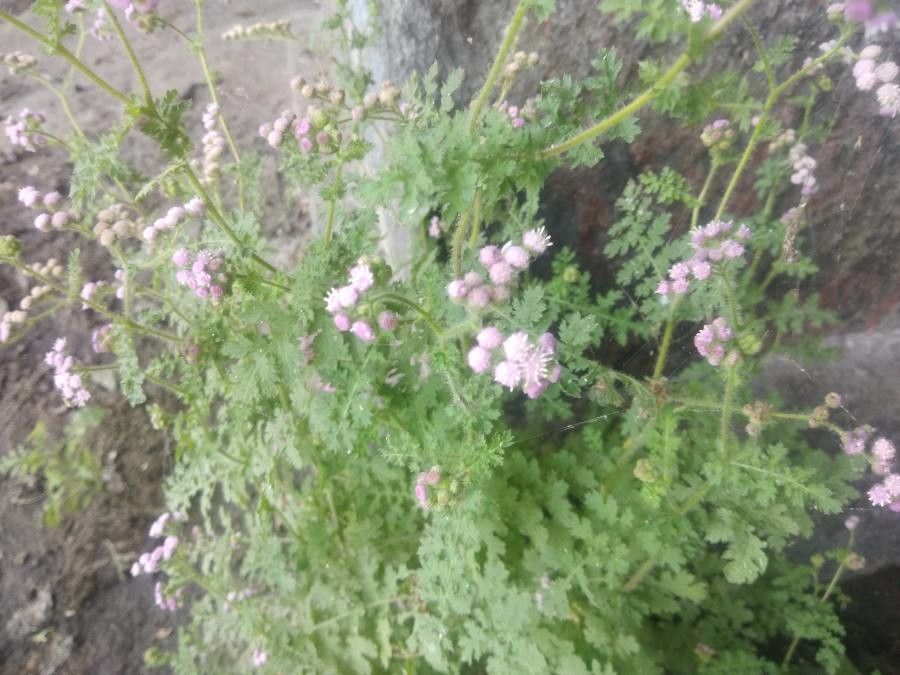
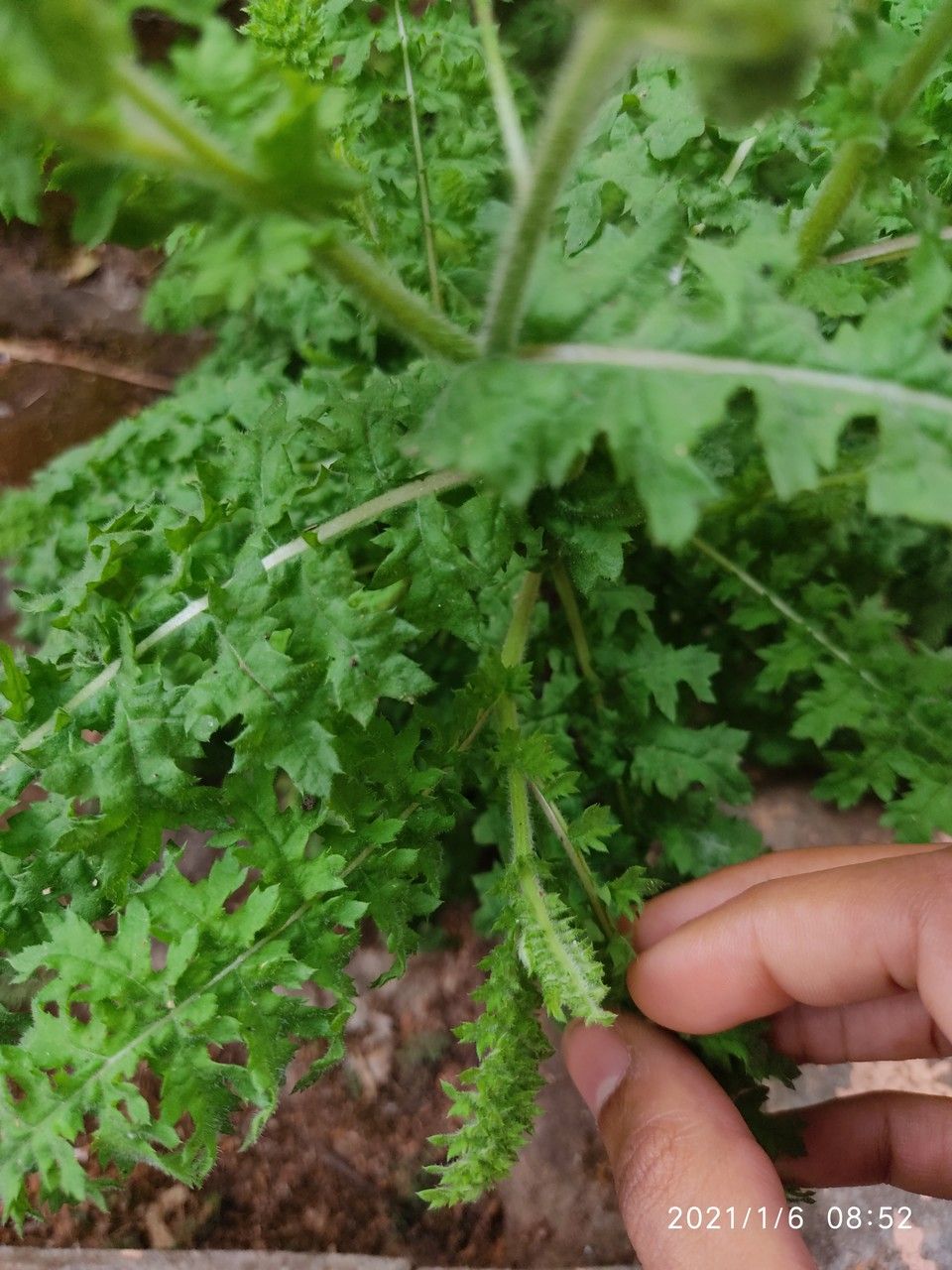
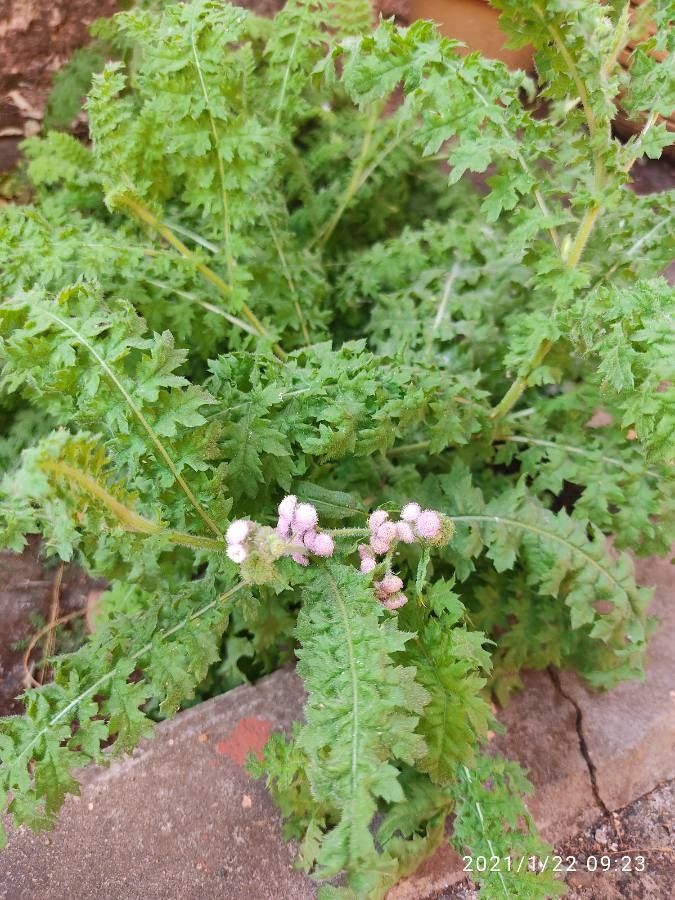
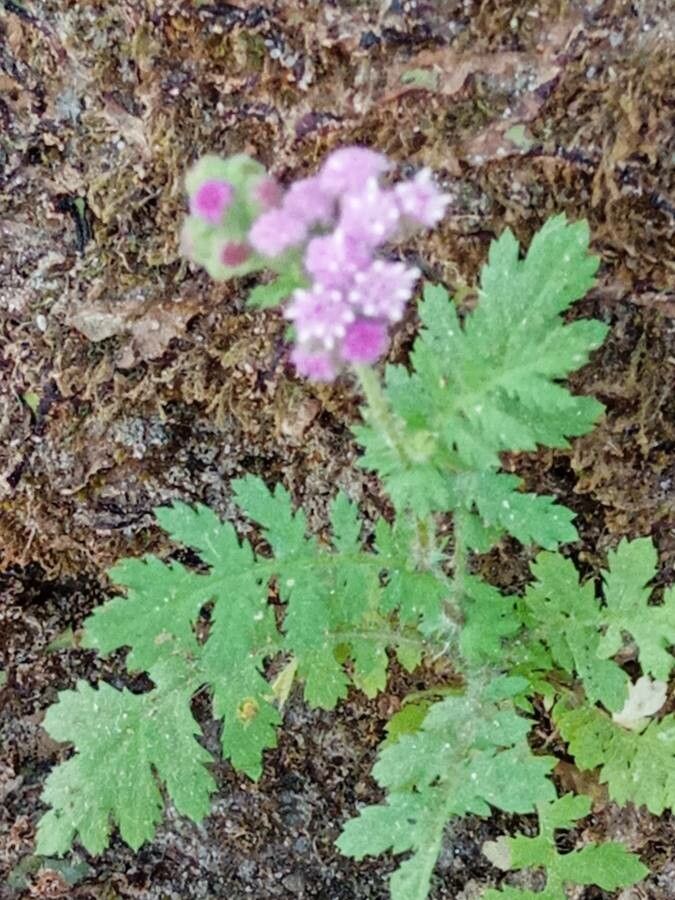
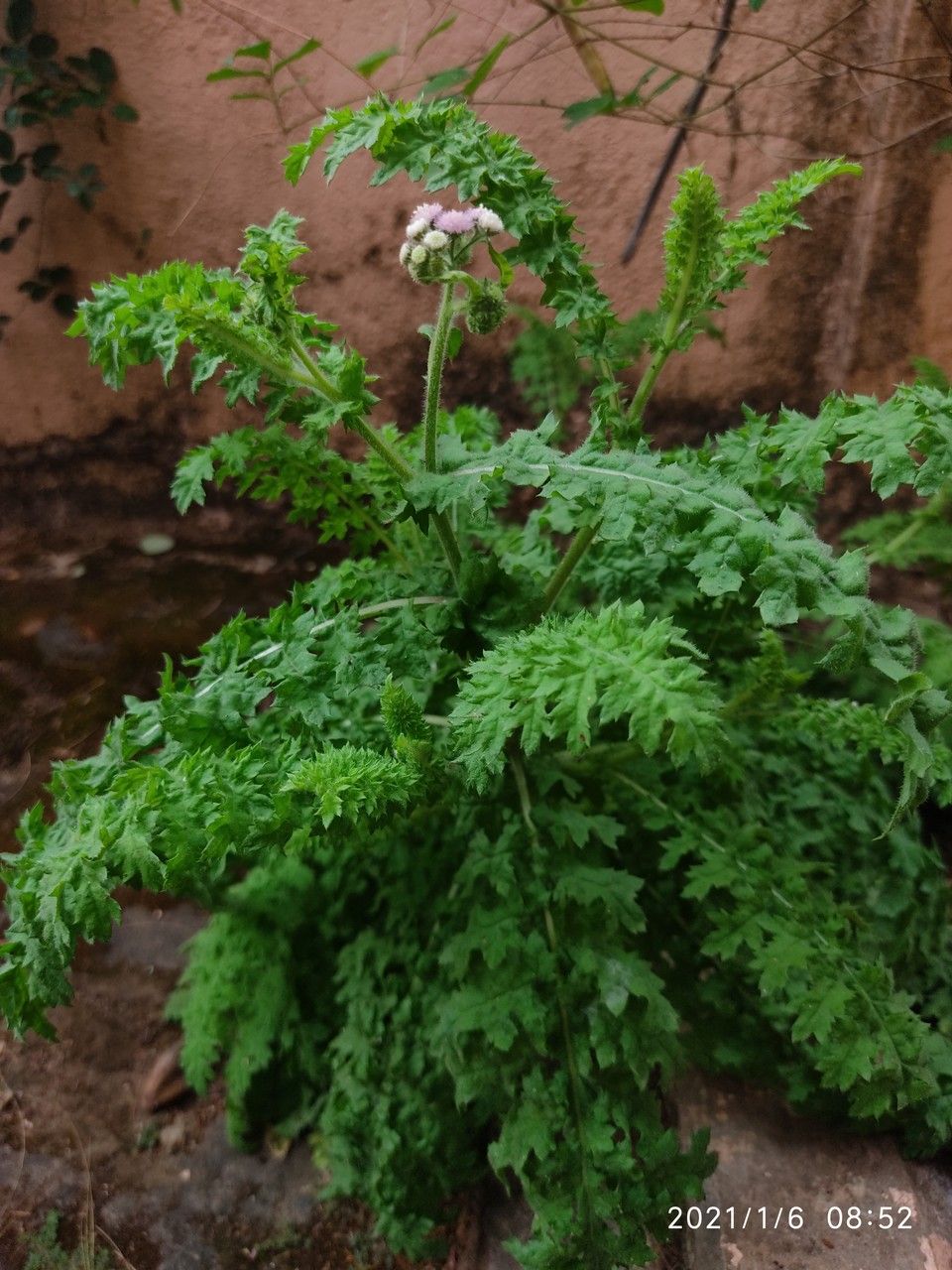
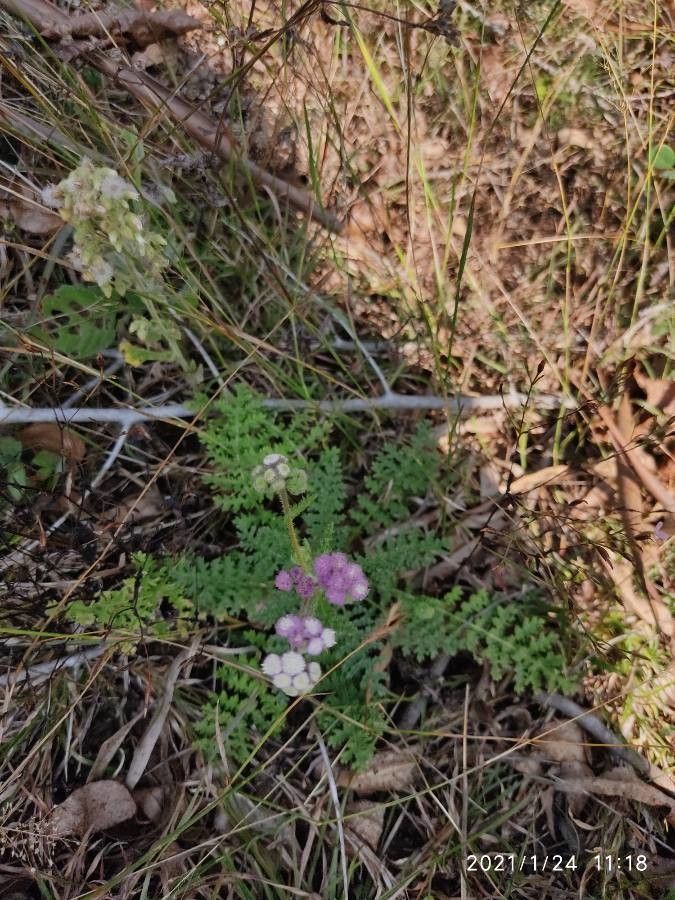
Gangotra exhibits good resistance to diseases and usually does not develop them easily. However, it can be vulnerable to pests and diseases present in its surroundings. These issues are generally mild. For care, this plant requires moderate maintenance. It should be pruned regularly to keep a neat appearance and support healthy growth. Fertilizing can also help encourage flowering. Gangotra is appropriate for someone with outdoor space, such as a garden or patio, and does not need much prior care experience. It may need more attention when grown indoors.
How to keep Cyathocline Purpurea.
Light
Gangotra is native to habitats with dappled light, such as forest understories or rocky sites that provide natural shade. It thrives in partial sun but can also adapt to full-sun conditions.
Water
The Gangotra plant originates from moist environments and thrives with consistent hydration. To keep it healthy and vigorous, it requires weekly watering. As an evergreen, the Gangotra retains its lush foliage throughout the year, making it a popular choice for indoor cultivation where humidity levels remain stable.
Temperature
Gangotra shows good heat tolerance, able to endure higher temperatures and wider temperature fluctuations. In hot conditions, care should be taken to water properly and provide suitable shade to prevent sunburn. Conversely, Gangotra is relatively less tolerant of cold; although it can tolerate some chill, overly low temperatures can result in frost damage.
Fertilizer
When most of Gangotra’s flowers have fully opened, resume fertilizing. During the peak blooming period, feed it about once every three to four weeks, as weather allows. When Gangotra begins to produce fewer new blooms, stop fertilizing — there’s no reason to feed it if it can no longer produce additional flowers.
Pruning
Gangotra benefits greatly from being pruned in the spring, which helps improve airflow and encourages more blooms. Key techniques include removing damaged branches and overgrown stems to achieve denser foliage. Pruning during this time reduces stress on the plant, fostering a healthier and more attractive appearance. Regular maintenance is crucial for ensuring optimal growth.
Botanical profile.
- Plant Type
- Herb
- Life Cycle
- Annual
- Genus
- Cyathocline
- Family
- Asteraceae
- Hardiness Zone
- 9-11
- Mature Height
- 20 cm to 49 cm
- Mature Spread
- 20 cm to 40 cm
- Leaf Color
- Green, Blue
- Leaf Type
- Deciduous
- Flower Color
- Yellow
- Flower Size
- 1.02 cm to 2.54 cm
- Bloom Time
- Late fall, Early winter, Mid winter
- Planting Time
- Spring, Autumn
- Harvest Time
- Mid winter, Late winter, Early spring
- Native Area
- Nepal, India, Cambodia, Vietnam, Myanmar, Bhutan, Bangladesh, Pakistan, Laos, Thailand, China
Reader questions.
What are the sunlight requirements for Gangotra plants?
Gangotra plants originate from environments that receive dappled sunlight, akin to forest understories or rocky areas that provide natural shade. They thrive best in partial sun, requiring about 3-6 hours of sunlight daily, but can also adapt to full sun conditions. For indoor cultivation, when natural sunlight is not sufficient, artificial lighting can be a vital solution. It's recommended to use LED lights, provide 30-50W/sq ft for full sun plants, 20-30W/sq ft for partial sun plants, and 10-20W/sq ft for full shade plants. The artificial light source should be placed 12-36 inches above the plant and turned on for 8-12 hours per day to mimic natural sunlight conditions.
How can I tell if my Gangotra plant is receiving inadequate light?
Signs of inadequate light in Gangotra plants include smaller new leaves compared to previous ones, leggy or sparse growth, and a greater distance between leaves or stems, giving the plant a stretched-out appearance. Additionally, there might be faster leaf drop as the plant tries to conserve resources, slower or no new growth indicating the plant has entered a survival mode, and lighter-colored or pale new leaves due to insufficient chlorophyll and nutrients. Chlorosis, or the yellowing of leaves, sunscald, leaf curling, wilting, and leaf scorching are also symptoms that can occur with either too little or too much sunlight.
What solutions can help Gangotra plants adjust or recover from light deficiencies?
To help Gangotra plants recover from light deficiencies, gradually introduce them to higher light levels. For indoor plants, shift them to sunnier spots weekly until they receive 3-6 hours of direct sunlight daily, or use artificial lights like a desk or ceiling lamp for at least 8 hours daily. Outdoor plants should also be moved to sunnier locations gradually to prevent sunburn. If sunlight is blocked by obstacles like trees, consider pruning to improve light access. For small plants in unfavorable locations, transplantation during their dormant period, usually late winter or early spring, can be effective. Remember, parts of the plant that were damaged due to insufficient light may not revive, but new growth after adjusting light exposure should be healthy.
What should be considered when choosing the location for planting Gangotra?
When deciding on a location for your Gangotra plants, observe how sunlight moves through your garden to find spots that offer an ideal balance of light and shade, ensuring the plants' happiness. Gangotra thrives in partial sun but can tolerate full shade conditions, making it versatile for different garden spots. It's important to note that less than 3 hours of sunlight is considered full shade. Monitoring these conditions and selecting the right spot can greatly influence the health and growth of your Gangotra plants.