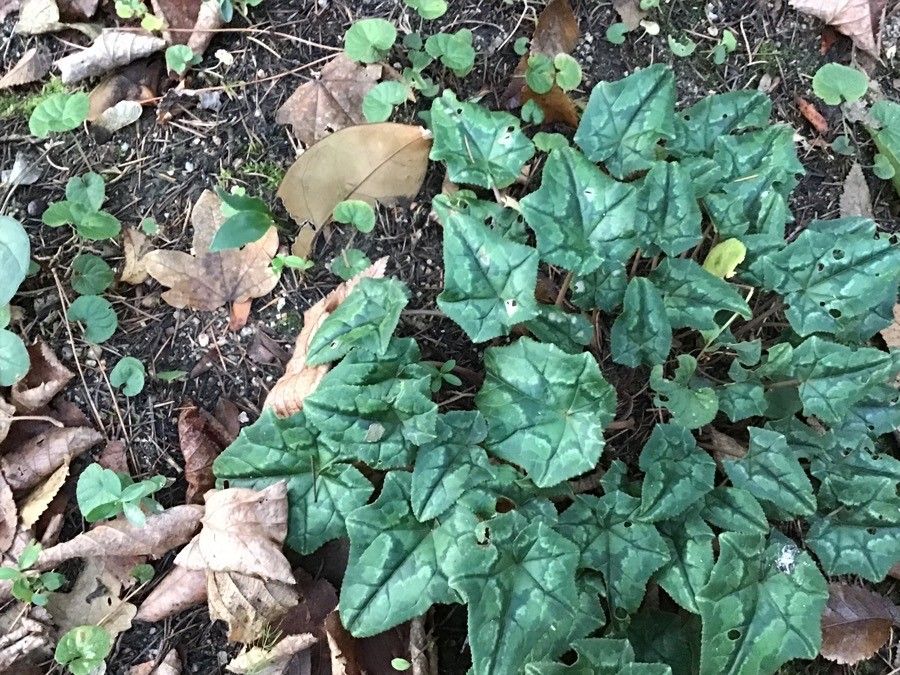
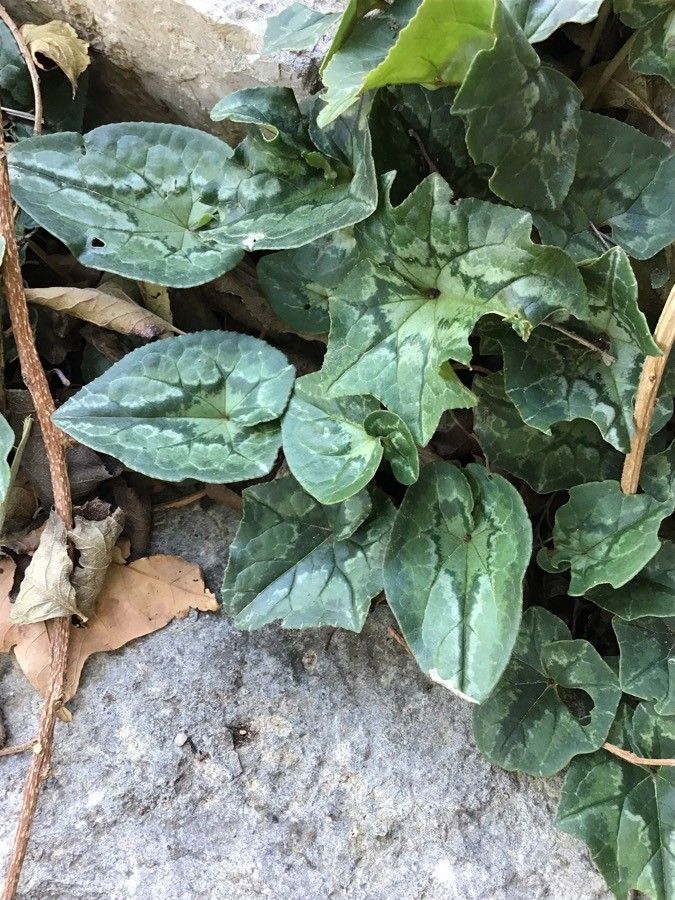
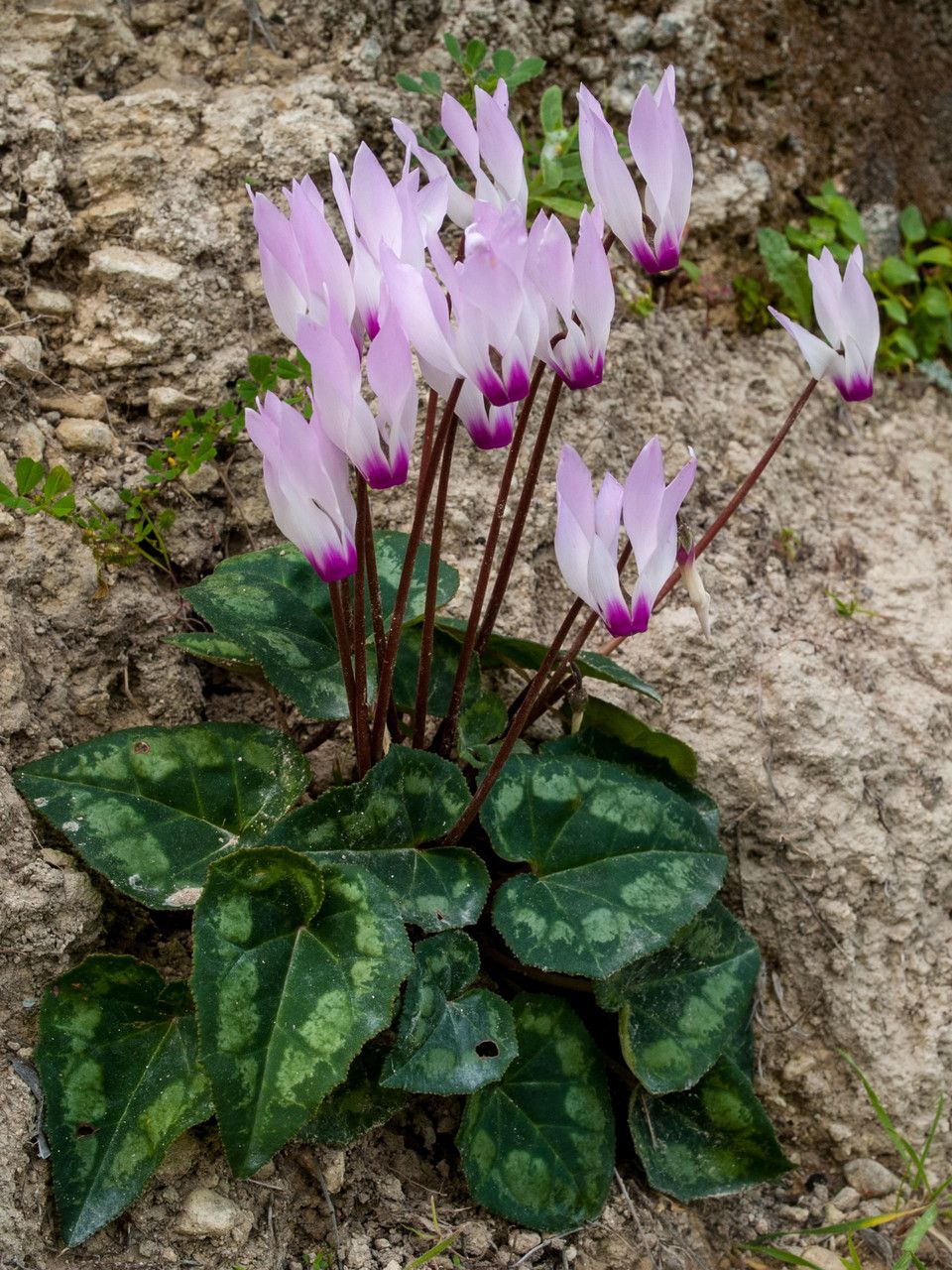
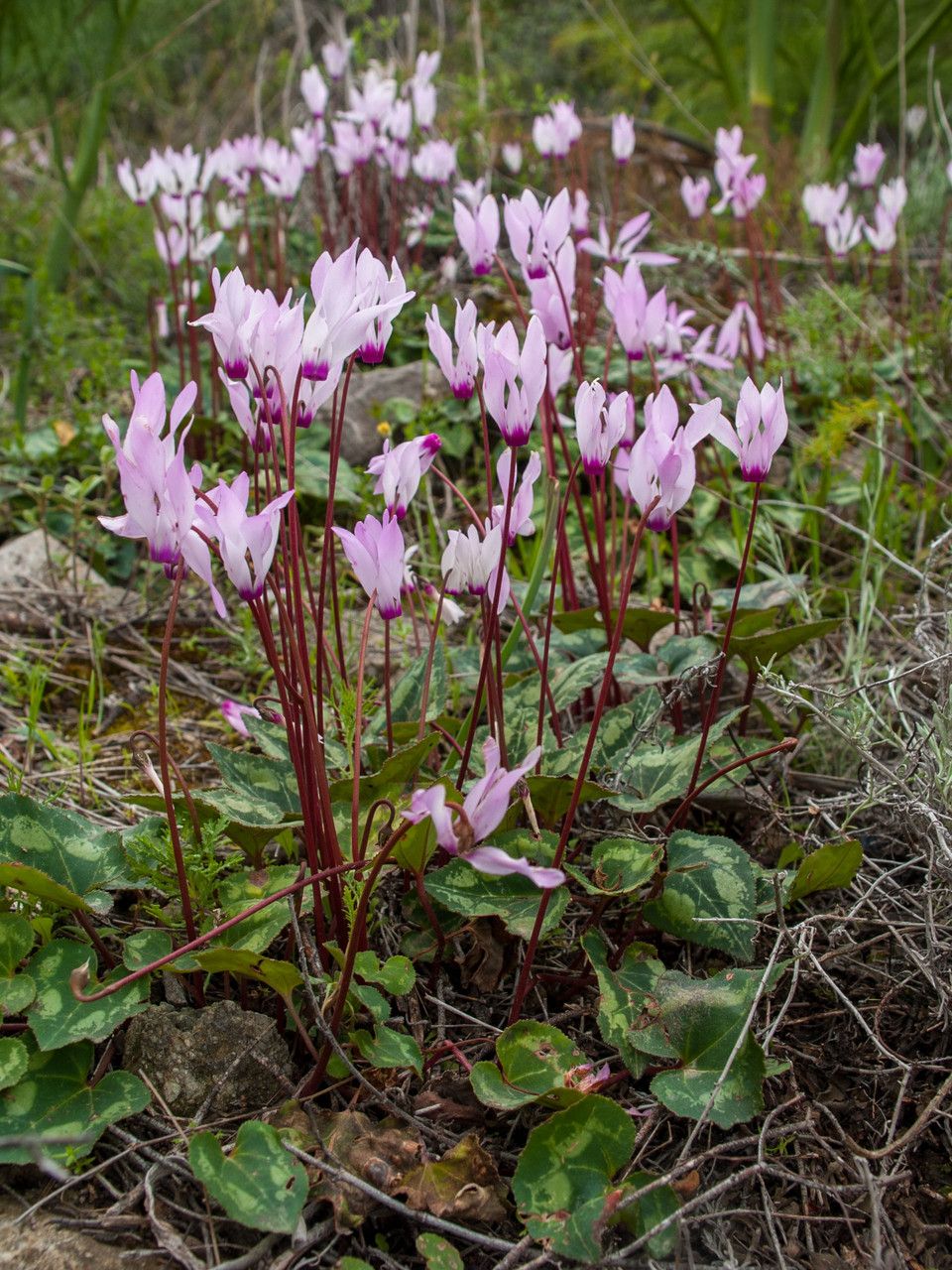
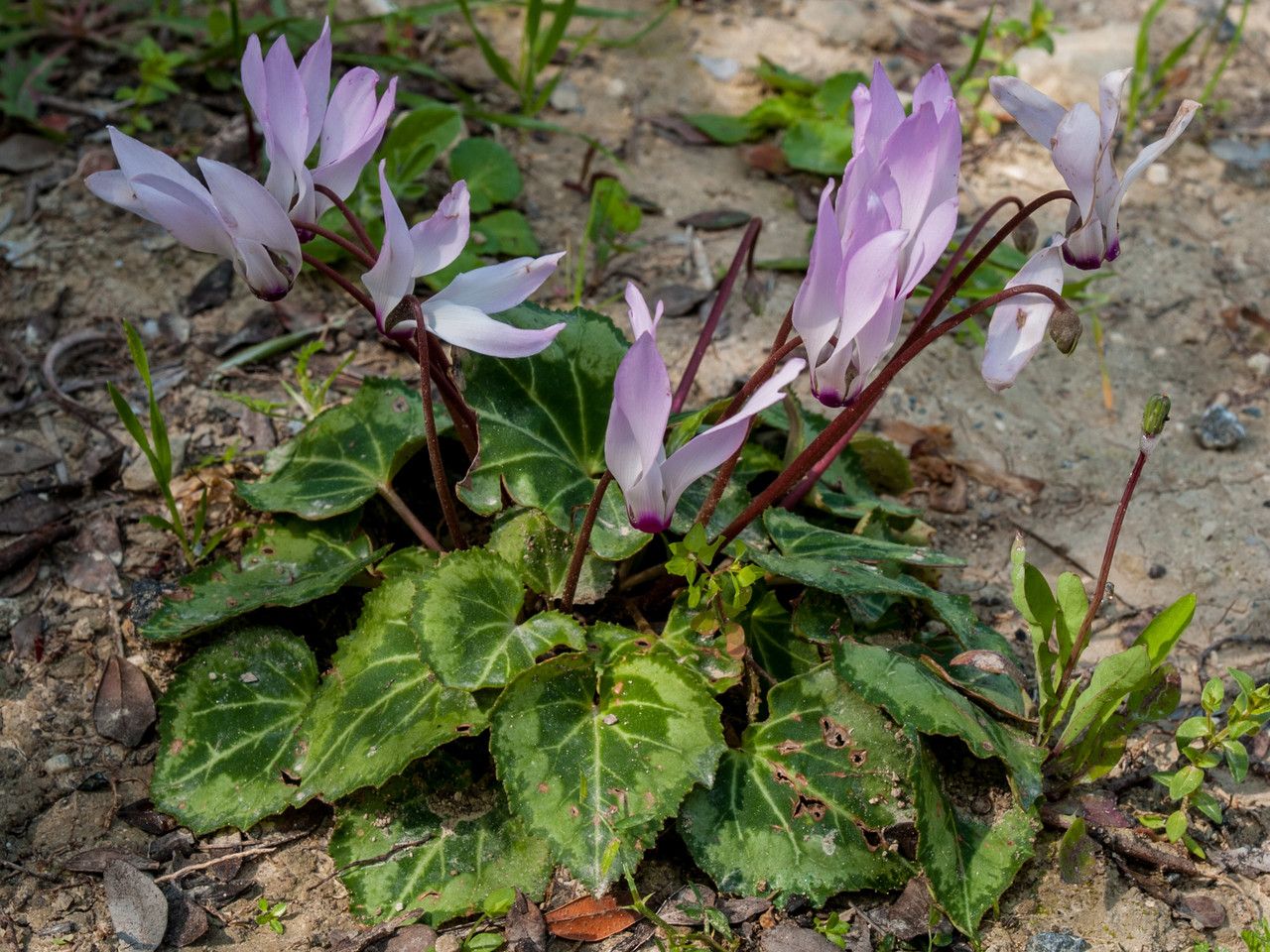
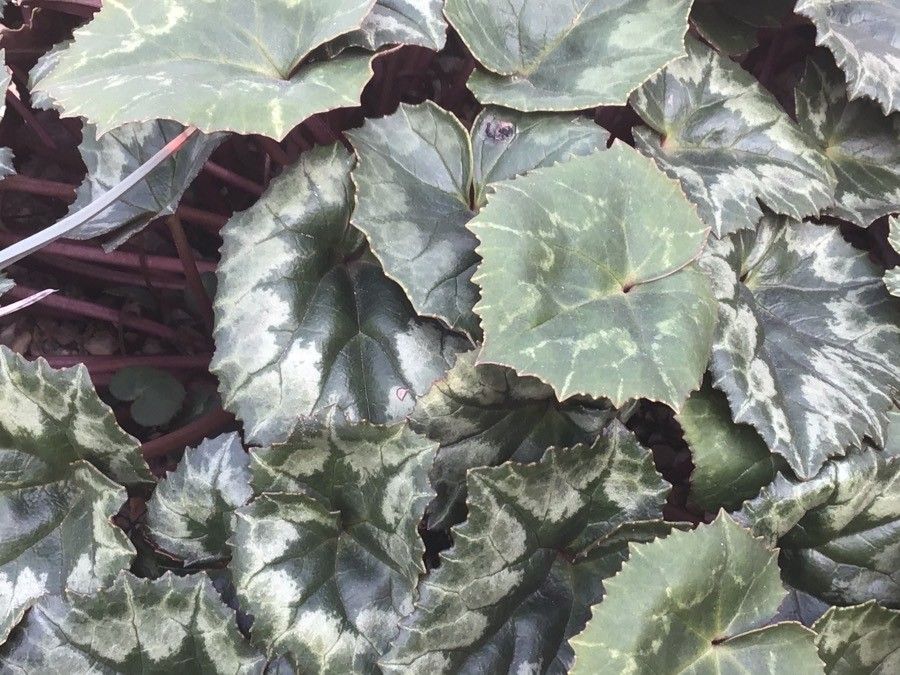
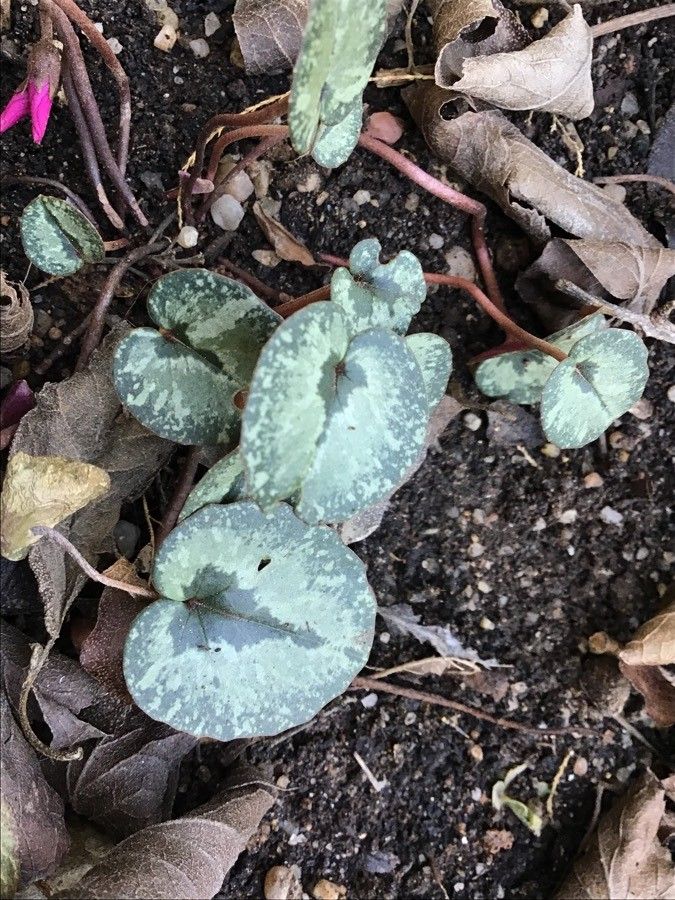
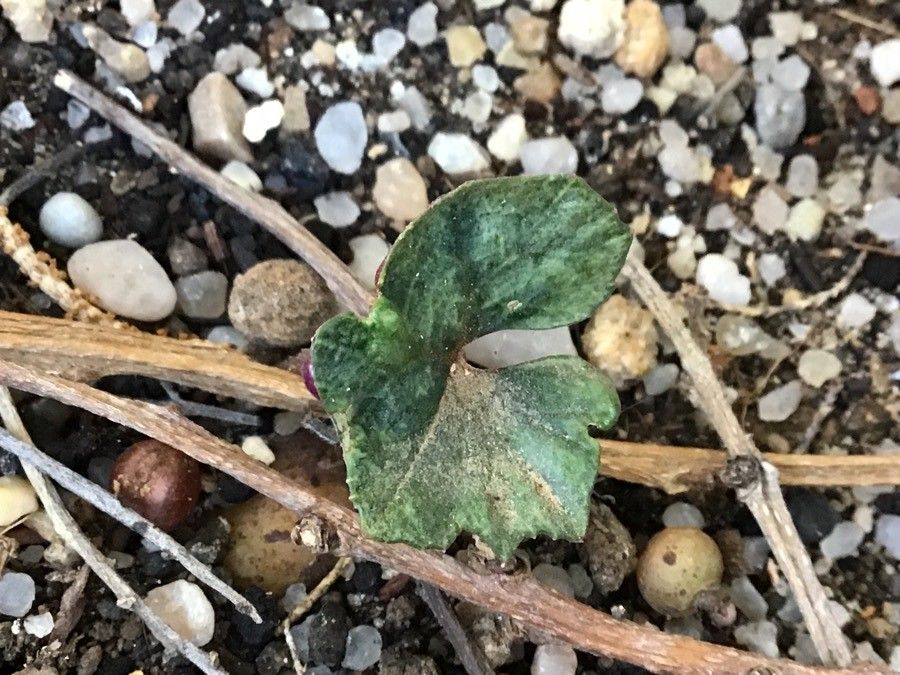
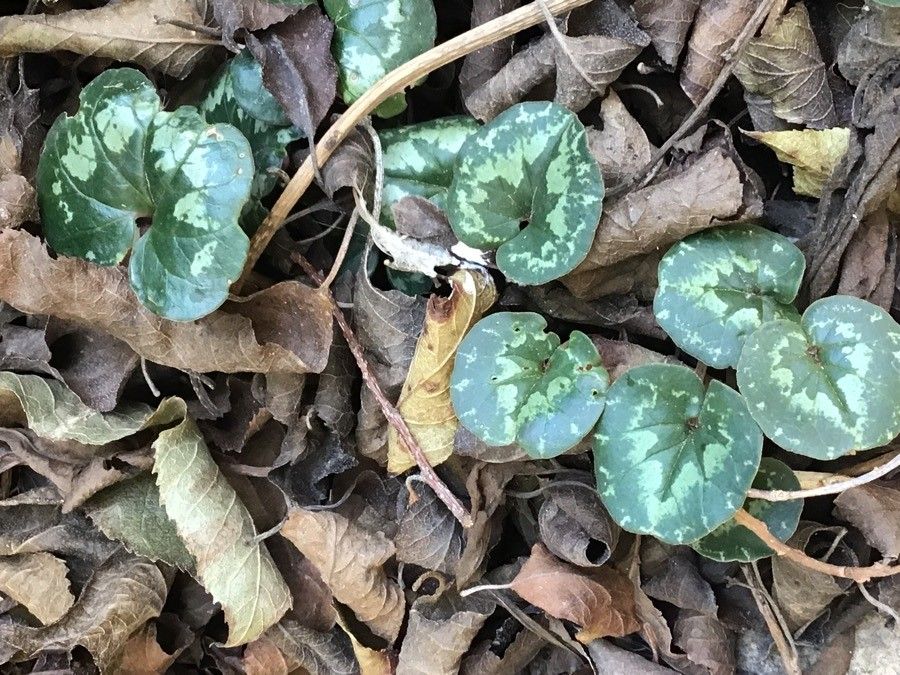
Cyclamen cyprium (Cyprus cyclamen) is a perennial growing from a tuber, native to woodland at 300–1,200 m (980–3,940 ft) elevation in the mountains of Cyprus. It is the national flower. Cyclamen persicum and Cyclamen graecum are also found on Cyprus, but are not endemic.
Cyprus cyclamen has strong resistance to disease and is typically not very susceptible to illnesses. Nevertheless, it can be affected by pests and diseases present in its surroundings. These problems are generally mild. Regarding care, this plant needs moderate maintenance. It should be pruned regularly to maintain a good appearance and support healthy growth. Applying fertilizer can also encourage flowering. Cyprus cyclamen is appropriate for anyone who has an outdoor area, such as a garden or patio, and does not demand extensive care experience. It may need more attention if grown indoors.
How to keep Cyclamen Cyprium.
Light
The Cyprus cyclamen naturally occurs in habitats like forest understories and rocky areas, where it grows in natural shade. It prefers partial sun but can tolerate full sun or deep shade, reflecting its versatile and hardy nature.
Water
The Cyprus cyclamen comes from the Mediterranean and favors subtropical environments with moderate humidity. It grows best with consistent moisture and can handle short periods of dryness. To ensure optimal growth and vibrant blooms, water the Cyprus cyclamen weekly, particularly during its active growing season.
Temperature
Cyprus cyclamen can tolerate a wide range of temperatures, though its distribution may still be restricted by particular combinations of moisture and heat. It performs best in warm summer climates with enough rainfall or watering. Extended spells of cloudy, rainy weather or prolonged high temperatures can raise the likelihood of the plant dying. In winter, adequate protection from cold can increase its chances of survival.
Fertilizer
The primary time to fertilize Cyprus cyclamen is in early spring, when the flowers are forming. Using the proper fertilizer promotes stronger blooms and helps Cyprus cyclamen produce attractive flowers. Feeding in early spring ensures excellent flowering through the season and supplies energy for dormant growth phases.
Pruning
The Cyprus cyclamen is known for its heart-shaped leaves and fragrant pink to white flowers. To encourage growth and blooming, prune the plant in early to late spring by removing any dead foliage. Be careful not to cut healthy parts of the plant. Regular maintenance not only improves the plant's appearance and air circulation but also reduces the risk of disease, ensuring vibrant blooms.
Pot & Repot
When repotting Cyprus cyclamen, pick a pot 1–2 inches (2.5–5.1 cm) larger with good drainage. Use a well-draining potting mix. Repot in spring or fall, making sure the root ball sits slightly below the rim of the flower pot. Water thoroughly after repotting and place it in a warm spot with indirect sunlight.
Botanical profile.
- Plant Type
- Herb
- Life Cycle
- Perennial
- Genus
- Cyclamen
- Family
- Primulaceae
- Hardiness Zone
- 8-10
- Mature Height
- 11 cm
- Mature Spread
- 13 cm
- Leaf Color
- Green, Gray, Variegated, Silver
- Leaf Type
- Semi-evergreen
- Flower Color
- White, Pink
- Flower Size
- 2.03 cm to 3.05 cm
- Bloom Time
- Late fall, Early winter, Mid winter
- Planting Time
- Spring, Summer
- Harvest Time
- Late winter, Early spring, Mid spring
- Native Area
- Cyprus