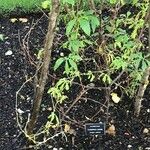
Cyclanthera pedata
Slipper goard · Stuffing gourd · Stuffing-cucumber · Wild cucumber · Achocha
Description
Source: leafsnapCyclanthera pedata, commonly known as the "slipper gourd" or "stuffed gourd," is a vine plant that belongs to the Cucurbitaceae family. Native to Central and South America, it is widely cultivated for its edible fruit. The plant has a climbing habit, using tendrils to attach to supports such as trellises or fences. The fruit of Cyclanthera pedata is elongated and cylindrical, with a curved end resembling a slipper or shoe. It can grow up to 20 cm in length and 5 cm in diameter. The skin of the fruit is thin, smooth, and green when young, turning yellowish-brown when mature. The flesh of Cyclanthera pedata's fruit has a mild flavor similar to cucumber but slightly sweeter. It can be eaten raw in salads or cooked in various dishes such as stews, soups, and stir-fries, or it can be stuffed with meat fillings. In addition to its culinary uses, Cyclanthera pedata has medicinal properties, primarily due to its high content of vitamins A and C, along with minerals like calcium and iron, which help boost immunity and improve overall health. Overall, this plant offers both culinary delights and health benefits, making it an excellent addition for any garden enthusiast looking for something unique yet useful!
Care Guide
💧 Water Every 7 days
Caigua, a plant native to the warm slopes of South America, thrives in environments with consistent moisture but not overly wet conditions. To support its growth, a weekly watering schedule is ideal. As an herbaceous vine, caigua does well outdoors, where natural rainfall can help with irrigation. This is particularly important during its active growing season when its water needs increase.
How should I water my Caigua the most effective way?
Caigua has specific water preferences, and the method of watering is important for maintaining healthy tomatoes. The recommended technique is to water the soil slowly and gently, avoiding pouring all the water at once or using overhead watering. It is crucial to ensure deep watering to sufficiently moisten the soil where Caigua grows.
What should I do if I give my Caigua too much water or too little water?
If you have overwatered your Caigua and are worried about disease, take immediate action. The best approach is to remove the plant from its current location and let the roots dry before planting it elsewhere with good drainage. If in pots, consider using a pot with better drainage. On the other hand, if you are underwatering, simply water your plant more frequently.
How frequently should I give water to my Caigua plant?
Caigua plants need a lot of water during the growing season. To ensure they stay well-hydrated, it is best to water them frequently, especially in the spring and summer. At the beginning of the growing season, water the Caigua once or twice a week. As the season progresses, increase the frequency of watering and in summer, you may need to water them twice a day or even more, depending on the weather. Once the plants have completed their major growth stages, you can reduce watering to once a week until the end of the growing season.
How much water does my Caigua plant require?
Caigua plants are very popular among gardeners, both professional and amateur. Because of this, we have a good understanding of how to care for them. This includes knowing how much water they need. On average, a Caigua plant should receive about 1 - 1.5 inches of water per week, which should be evenly spread out during your weekly watering. As the weather gets warmer, you may need to increase the amount of water, but in general, two inches per week is a good amount to aim for.
How do I know if I'm giving enough water to my Caigua plant?
Your Caigua can experience both underwatering and overwatering problems, which can have similar symptoms. For instance, overwatering and underwatering can both result in foliage discoloration and wilting. When your Caigua is underwatered, you will notice curling and drooping leaves initially, followed by less vigorous leaf growth. This can also lead to stunted growth and poor overall development, as this plant requires a significant amount of water. On the other hand, overwatering is more likely to cause diseases such as rot, and you may detect unpleasant smells coming from the soil. Symptoms of underwatering usually appear sooner compared to overwatering, and you can also observe the presence of standing water or waterlogged soil in case of overwatering.
☀️ Light Full sun
Caigua does best in locations where it gets long periods of sunlight each day, though partial sun is also acceptable. From germination through its main growth stages, plenty of light is essential for its health and vigor. The amount of sunlight in its native habitat is an important factor. Too much shade or too much exposure can affect its healthy development.
What are the sunlight requirements for Caigua plants?
Caigua plants require a specific amount of sunlight to thrive, depending on their growth stage and environment. They optimally prosper in areas that receive extended periods of sunlight daily, but they can also tolerate partial exposure. Full sun exposure is defined as above 6 hours of sunlight, whereas partial sun exposure amounts to about 3-6 hours of sunlight daily. Observing how sunlight moves through your garden can help you choose spots that offer the perfect balance of light and shade, ensuring your plants grow healthy and vigorous.
How does artificial lighting support Caigua growth indoors?
When natural sunlight is insufficient for indoor Caigua plants, particularly during winter or in less sunny spaces, artificial lighting becomes an essential solution for optimal growth. Adequate lighting promotes faster, healthier growth by mimicking natural sunlight conditions. LED lights are recommended for they can be customized to provide specific wavelengths needed by your plants. For full sun plants, 30-50W/sq ft of artificial light is needed; partial sun plants require 20-30W/sq ft, and full shade plants need 10-20W/sq ft. The light source should be placed 12-36 inches above the plant, and most plants need 8-12 hours of light per day to mimic natural daylight hours effectively.
What are the symptoms of light deficiency in Caigua plants?
Light deficiency in Caigua plants can lead to several subtle yet noticeable symptoms. These include smaller new leaves, leggy or sparse growth due to longer spaces between leaves or stems, faster leaf drop as plants shed older leaves early to conserve resources, slower or halted new growth as the plant enters survival mode, lighter-colored new leaves indicating a lack of chlorophyll, and chlorosis, where leaves lose their green color and turn yellow. Additionally, excessive sunlight can cause sunscald, leaf curling as a defense mechanism, wilting due to increased water loss, and leaf scorching indicated by brown, dry, and crispy edges on leaves.
How can you address sunlight issues for both indoor and outdoor Caigua plants?
To optimize sunlight exposure for Caigua plants, gradual adjustments are key. For indoor plants, consider gradually moving them to sunnier locations until they receive at least 6 hours of direct sunlight daily, utilizing south-facing windows and keeping curtains open. Artificial lighting, such as desk or ceiling lamps left on for at least 8 hours daily or professional plant grow lights, can provide additional light. For outdoor plants, similarly, gradually move them to sunnier spots to avoid sunburn. Reducing obstructions like tree branches can help maximize sunlight exposure. For plants not easily moved, especially those planted in the ground, consider transplanting during the plant’s dormant period to a location with ample sunlight and good drainage.
🌡️ Temperature 20–37.8°C
Caigua is native to areas with a temperate climate and needs temperatures of 68 to 100.4 °F (20 to 38 ℃) to thrive. To reproduce its natural growing conditions, keep temperatures within this range across seasons as needed.
What is Caigua and where is it native to?
Caigua, with the botanical name Cyclanthera pedata, is indigenous to regions possessing a temperate climate. It flourishes best in temperatures ranging from 68 to 100.4 °F (20 to 38 °C), necessitating the maintenance of this temperature range across different seasons to mimic its native growing conditions effectively.
What temperature conditions are required for growing Caigua?
For optimal growth, Caigua prefers relatively warm temperatures and requires a temperature range of 68 to 100.4 °F (20 to 38 °C). During winter cultivation, it's beneficial to maintain temperatures above 20°C to support plant growth, ensuring the minimum temperature remains above freezing to prevent damage. When outdoor temperatures near -5°C (25°F) during winter, it's advisable to bring Caigua indoors or provide protection by establishing a temporary greenhouse or using protective materials like plastic film or fabric.
How does Caigua respond to low temperatures?
Caigua exhibits moderate tolerance to low temperatures, thriving best within the range of 20°C to 38°C. During winter, it's important to keep the temperature above 0°C to prevent frost damage. Exposure to temperatures below -5°C can lead to leaves darkening, water-soaked necrosis, wilting, drooping, and eventually, the leaves may turn brown. To mitigate frost damage, trim away frost-damaged parts and move the plant to a warm environment indoors or set up a greenhouse for protection. Placing the plant near a south-facing window ensures ample sunlight, and if light is insufficient, supplemental lighting can be used.
What should be done if Caigua experiences high temperatures?
During summer, it's important to keep Caigua's environment below 38°C to avoid growth issues. Temperatures exceeding 43°C can lead to slowed growth, lighter leaf color, and increased susceptibility to sunburn. To counteract these effects, trim away sunburned and dried parts of the plant, move it to a shade, particularly away from the harsh afternoon sun, and water it in the morning and evening to maintain soil moisture.
💨 Humidity
🪴 Soil 6-7
🌱 Fertilizer
When feeding Caigua, apply a natural or commercial fertilizer high in nitrogen for leaf development, phosphorus to support roots and flowering, and potassium to assist photosynthesis and achieve maximum fruit production. Plant in spring, amend the soil with compost or manure, and begin fertilizing seedlings once they reach 2-4 inches in height. A lack of macronutrients causes slow growth, wilting, and problems with fruit quality.
Why is it important to put fertilizer on my Caigua plant?
In order for Caigua plants to produce the best harvest of fruit, it is important to supplement the soil with additional nutrients. The main macronutrients, such as phosphorus, play different roles in supporting the growth of plants. Phosphorus specifically helps with the formation of flowers and fruit. However, it's not just flowers and fruit that need these nutrients. A strong root system and healthy leaves also play a crucial role, as they absorb sunlight and support the overall health of the plant. When plants do not receive enough macronutrients, they become less vibrant, grow slower, and may even wilt. Since plants require a lot of energy for their flowering and fruiting processes, any deficiency in these essential components will be reflected in the quality of the resulting fruits.
When should I fertilize my Caigua to get the best results?
To successfully grow Caigua, it is important to plant it in the spring for summer fruit production. The specific variety will determine the ideal planting time. Additionally, Caigua thrives in rich, fertile soil. Prior to planting, it is recommended to mix a 2 inch layer of compost or well-rotted manure into the soil. This will provide essential nutrients for Caigua and improve soil drainage. When it comes to fertilizing, transplants can be fertilized immediately after planting, while seedlings should reach a height of 2 to 4 inches before receiving their first fertilizer application. For established plants, it is best to fertilize every 3 to 4 weeks throughout the growing season, until the first frost or when the plant stops producing. Be sure to choose the appropriate fertilizer type and consider the specific variety of Caigua to customize your fertilization schedule. If unsure, it is better to err on the side of using less fertilizer.
When is it not a good idea to add fertilizer to my Caigua plant?
To promote the growth of blooms and fruits, it is important to avoid using a fertilizer high in nitrogen for Caigua. Such fertilizer may result in excessive leaf growth but limited blooms or fruits. Instead, opt for a fertilizer that contains lower levels of nitrogen compared to other nutrients. Additionally, refrain from fertilizing Caigua during hot weather or when the conditions are extremely dry. Under these circumstances, the fertilizer might wash away before being absorbed by the soil. Furthermore, plants have reduced nutrient absorption abilities during hot weather, which can cause the fertilizer to remain in the soil and hinder water uptake by the plants. This can be particularly harmful during a drought or heatwave.
What kind of fertilizer does my Caigua plant need?
Determining the right fertilizer for your Caigua plants can be done by understanding your soil composition. Conducting a soil test is the most accurate way to achieve this, although some gardeners are successful with trial and error. While there are specific fertilizers available for different varieties of Caigua, it is not necessary to buy a separate one for each vegetable you grow. By assessing the basic needs of your plants and the existing nutrients in your soil, you can use the same fertilizer for multiple plants. Many growers prefer using high-phosphorus fertilizers to support flower and fruit growth. These fertilizers have an NPK ratio where the middle number is highest, such as 8-32-16 or 10-30-10. However, some people opt for a balanced fertilizer like 10-10-10 to simplify their garden care routine.
How can I fertilize my Caigua plant?
When using different types of fertilizer, it's important to carefully follow the individual instructions. Some varieties may need to be diluted or measured out precisely. This will help you avoid over fertilizing your garden. If your Caigua is planted in a row, the side-dressing method is a good option. To use this method, mix the fertilizer into the soil along the rows, about 3 to 4 inches away from the base of the plant. This ensures that the fertilizer reaches the roots without touching the plant itself. The nutrients are then washed into the soil and down to the roots when you water the plants. If side-dressing doesn't work for your garden setup, you can still apply fertilizer by spreading it around the plant, staying about 3 to 4 inches away. Granular fertilizers can be scattered onto the soil and lightly mixed to ensure they are incorporated where you want them. After applying dry fertilizers, make sure to water thoroughly. Liquid fertilizers can be mixed into a watering can and used to water and fertilize the plants simultaneously. Another option is foliar feeding, which involves spraying the leaves with a specialized fertilizer mix instead of applying the nutrients to the soil directly.
🪴 Pot & Repot
✂️ Pruning
Caigua is a robust vining plant known for its edible fruits. To encourage better airflow, stimulate new growth, and boost fruit production, it's best to prune the plant from early to late spring. For effective pruning, use clean, sharp tools to remove dead stems and control vine length. This also helps prevent pest problems.
🌿 Propagating
🐛 Diseases & pets
☠️ Toxicity
Characteristics
- Plant Type
- Herb, Vine
- Life Cycle
- Annual, Biennial, Perennial
- Genus
- Cyclanthera
- Family
- Cucurbitaceae
- Hardiness Zone
- 9-11
- Mature Height
- 11.89 m
- Mature Spread
- 91 cm
- Leaf Color
- Green
- Leaf Type
- Deciduous
- Flower Color
- Green, White
- Flower Size
- 10.16 cm to 20.32 cm
- Bloom Time
- Summer, Early fall, Mid fall
- Planting Time
- Spring, Summer
- Harvest Time
- Late summer, Fall, Early winter
- Native Area
- Colombia, Bahamas, Cuba, Honduras, Mexico, Guatemala, Peru, Nicaragua, Ecuador, Costa Rica, Panama