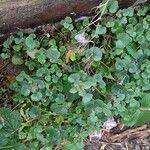
Cymbalaria aequitriloba
Toadflax · Ivy-leaf Toadflax · Mini Kenilworth Ivy · Ivy-leaved Toadflax
Care Guide
💧 Water
Cymbalaria aequitriloba needs regular, moderate watering to maintain slightly moist soil. When grown in containers, it requires more frequent watering because the soil holds less moisture. Be careful not to overwater, as this can lead to root rot, browning, and wilting. To provide the best care, test the soil moisture by inserting your finger into the soil.
☀️ Light Partial sun
Cymbalaria aequitriloba is native to habitats like forest understories or rocky sites, where it grows in natural shade. Its preferred light exposure is partial sun, but it can tolerate full sun or full shade, showing its adaptable and hardy nature.
What are the sunlight requirements for Cymbalaria aequitriloba?
Cymbalaria aequitriloba, also known by its botanical name as Cymbalaria aequitriloba, requires full sun, which means it should receive above 6 hours of sunlight daily. It's important to observe how sunlight moves through your garden, selecting spots that offer the perfect balance of light and shade. This ensures the plants remain happy and healthy by receiving the right amount of sunlight.
🌡️ Temperature 15–35°C
Cymbalaria aequitriloba can adapt to a broad range of temperatures, but its distribution can still be restricted by various combinations of moisture and heat. It performs best in warm summer conditions with sufficient rainfall or watering. Extended periods of cloudy, rainy weather, as well as prolonged high temperatures, raise the risk of Cymbalaria aequitriloba dying. In winter, appropriate protection from cold can increase the plant’s chances of survival.
What is Cymbalaria aequitriloba?
Cymbalaria aequitriloba, also known by its botanical name Cymbalaria aequitriloba, does not have additional information provided regarding its essentials or symptoms. Further details might be necessary to understand its characteristics or significance.
💨 Humidity
🪴 Soil 6-8
🌱 Fertilizer
The best time to fertilize Cymbalaria aequitriloba is in early spring, when it is coming out of dormancy and starting active growth. Fertilization supplies essential nutrients for healthy development. Although Cymbalaria aequitriloba has fairly low fertilizer requirements, feeding it annually can improve its survival and encourage better, longer-lasting blooms.
🪴 Pot & Repot
✂️ Pruning
Prune Cymbalaria aequitriloba in early spring to encourage vigorous growth. Start by removing any dead or damaged stems to improve air circulation. Then, trim any leggy sections to promote dense foliage. Regular pruning helps control the plant's spread, maintaining a neat appearance and promoting blooms through well-timed seasonal cuts.
🌿 Propagating
🐛 Diseases & pets
☠️ Toxicity
Characteristics
- Plant Type
- Herb, Vine
- Life Cycle
- Perennial
- Genus
- Cymbalaria
- Family
- Plantaginaceae
- Hardiness Zone
- 7-10
- Mature Height
- 8 cm to 8 cm
- Mature Spread
- 20 cm to 30 cm
- Leaf Color
- Forest Green
- Leaf Type
- Evergreen
- Flower Size
- 0.51 cm to 0.76 cm
- Bloom Time
- Mid spring, Late spring, Summer, Early fall
- Planting Time
- Spring, Summer, Autumn
- Harvest Time
- Summer, Fall
- Native Area
- Italy, France