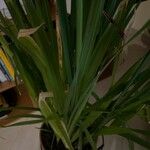
Cymbopogon citratus
Lemongrass · West Indian lemongrass · West Indian lemon grass · Citronella · Fever grass
Description
Source: leafsnapCymbopogon citratus, commonly known as lemongrass, is a perennial herb in the Poaceae family. Native to tropical regions of Asia and Africa, it has been widely cultivated across the globe. The plant is known for its distinctive lemony scent and flavor, which comes from its high citral oil content. Lemongrass grows in clumps with long, slender leaves that can reach up to 1 meter in length. These green leaves have sharp edges that can cause cuts if handled improperly. The plant also produces tall stalks topped with clusters of small flowers. Widely used in cooking, lemongrass serves as a flavoring agent for soups, curries, teas, and various other dishes. It also boasts medicinal properties, including anti-inflammatory and pain-relief effects, attributed to its high content of essential oils. Beyond its culinary applications, lemongrass is employed in aromatherapy for its calming scent, promoting relaxation. It is available in different forms, such as essential oils and dried leaves. Overall, Cymbopogon citratus, or lemongrass, offers numerous culinary and medicinal benefits, making it an important herb worldwide.
💡 Lemongrass is well-known for its use in culinary flavoring. It is also popular in teas and other beverages. When distilled into an essential oil, lemongrass is appreciated for its fragrance and may have insect-repellent properties, although this has not been conclusively proven.
🌳 Lemon grass is highly versatile, used across cooking, healing, beauty and horticulture. While well known for its place in teas and fragrances, it also has a lesser-known but effective use in naturally enhancing poultry growth, offering a synthetic-free option. It furthermore performs well in insect control and lends its prized essential oils to luxury cosmetics, where they carry substantial market value.
🎭 Affection, longing, hope, sympathy, enjoyment
Care Guide
💧 Water Every 7 days
Lemongrass thrives in tropical climates, where it benefits from high humidity and frequent rain. It needs consistent moisture, so it's best to water it twice a week. Regular watering during the growing season helps produce lush foliage and enhances its aromatic qualities, effectively replicating its natural environment.
What should I do if I give my Lemon grass too much water or too little water?
Proper watering is crucial for the health of ornamental grass, particularly when it is grown in a container. In the ground, watering issues can be resolved, but in a container, both under watering and over watering can be detrimental. If Lemon grass is not receiving the right amount of water, it may cease to grow or exhibit signs such as yellow leaves with brown tips due to overwatering, and drooping leaves, weak seed head production, and browning due to underwatering. To address watering issues, it is important to determine if there is too much or too little water. If overwatering is suspected, watering should be immediately stopped, keeping in mind that heavy soils can take some time to dry out. Once new growth appears, testing the soil for moisture will help determine if more water is needed. Conversely, if the grass seems to be underwatered, a deep drink of water can help revitalize it. It is important to note that a thorough, deep watering is preferable over frequent shallow waterings as it encourages the growth of deep roots, making the grass more resistant to drought and less susceptible to watering-related issues.
How often do I need to water my Lemon grass?
The watering requirements of Lemon grass can vary depending on where it is planted. In general, it is recommended to water Lemon grass once a week. However, in hot climates, watering once or twice a week during the summer may be necessary. In moderate climates, watering once every seven days or even less frequently may be sufficient. It is important to note that Lemon grass grown in containers usually requires more frequent watering compared to grass grown in the ground. Additionally, the location of the grass also plays a role in its watering needs. Lemon grass grown in shaded areas needs less frequent watering compared to grass grown in the ground. It is best to water Lemon grass only when the soil is dry. Some signs that the grass needs watering include the dryness of the soil when you press your finger a few inches into it. For potted grass, you can also gauge the need for watering by its weight, as a lighter pot indicates that it needs water. When Lemon grass lacks sufficient water, the blades may appear folded and thinner than usual. Despite its ability to tolerate drought, regular and deep waterings will result in a more vibrant color. In its natural habitat, Lemon grass grows in open scrubland, exposed to extreme heat, bright sun, and intermittent rain. While it is drought-resistant, it still requires care and attention. Even though it can handle harsh and dry conditions, gardeners have found that consistent watering leads to optimal growth. When newly planted, Lemon grass will require more frequent watering until it establishes deep roots. For potted Lemon grass, the soil tends to dry out quickly, especially if the pot is exposed to direct sunlight for extended periods. Checking the soil every 3 to 4 days and watering only when it feels dry is recommended. Lemon grass grown in the ground generally requires less watering, but this also depends on the type of soil. Heavy clay soil can hold moisture below the surface even if it feels dry on top, while sandy soils that drain quickly may need more frequent watering.
What do I need to be careful about when watering my Lemon grass in different seasons, climates, or during different stages of growth?
To determine if you are watering enough, observe the rate of growth of your grass. Lemon grass has been observed to double in size within a year's time, particularly during the hottest months. If the weather is hot but the grass is not growing vigorously, consider adjusting your watering schedule. In winter, it may be sufficient to water only once a month, but still check the soil for moisture. Throughout the growth cycle in warm months, the grass will require more water than usual, while during winter and cooler months, the water requirement will decrease significantly. One important reminder for Lemon grass is to allow the soil to dry out completely before adding water.
☀️ Light Full sun
Lemongrass grows best with plentiful sunlight, which supports optimal development and productivity. It can also tolerate locations where sunlight is partially filtered or diffused. However, a prolonged shortage of adequate sunlight can adversely affect its growth. It retains traits from its native habitat, favoring sun-intense conditions.
What are the sunlight requirements for lemon grass?
Lemon grass requires full sun exposure, which means it needs above 6 hours of sunlight daily to thrive optimally. However, it can also grow in partial sun conditions, receiving about 3-6 hours of sunlight. It's important to observe your garden's sunlight patterns to choose spots that offer a balance of light and shade, ensuring your plants grow happily.
How does lemon grass respond to artificial lighting?
Indoor lemon grass plants can benefit from artificial lighting, especially when natural sunlight is insufficient. LED lights are recommended due to their ability to be customized to provide specific light wavelengths needed by plants. For full sun plants, 30-50W per square foot is needed; partial sun plants require 20-30W per square foot; and full shade plants need 10-20W per square foot. The light source should be placed 12-36 inches above the plant for 8-12 hours per day to mimic natural sunlight conditions and ensure optimal growth.
What symptoms indicate lemon grass is not getting enough light?
Symptoms of insufficient light for lemon grass include smaller new leaves, leggy or sparse growth, faster leaf drop, slower or halted growth, lighter-colored new leaves, and conditions such as chlorosis, sunscald, leaf curling, wilting, and leaf scorching. These signs suggest the plant is struggling with its current light conditions and may need more exposure to sunlight or artificial lighting.
What solutions can help improve light conditions for lemon grass?
To improve light conditions for lemon grass, you can gradually move plants to sunnier locations, ensuring they receive at least 6 hours of direct sunlight daily. Utilizing south-facing windows and keeping curtains open during the day can also maximize sunlight exposure. For indoor plants that are large or difficult to move, consider using artificial light sources, such as desk lamps or professional plant grow lights, for at least 8 hours daily. Outdoor plants should be moved gradually to adapt to increased light intensity without risk of sunburn. Additionally, reducing obstructions like pruning trees or transplanting smaller plants during their dormant period can help increase sunlight exposure.
🌡️ Temperature 20–37.8°C
Lemon grass originates from tropical areas and needs a warm temperature range of 68 to 100℉ (20 to 38℃) to do well. It prefers steady warmth and should not be exposed to temperatures below 55℉ (13℃). In cooler months, it’s advisable to bring the plant indoors or provide supplemental heat to keep it within its preferred temperature range.
What are the ideal growing conditions for Lemon grass?
Lemon grass, botanically known as Cymbopogon citratus, is native to tropical regions and flourishes in a warm temperature range of 68 to 100°F (20 to 38°C). It thrives in consistent warmth and should not be exposed to temperatures below 55°F (13°C). Lemon grass is extremely heat-loving and any exposure to cold can be detrimental. During the cooler seasons, it's recommended to move the plant indoors or provide supplemental heat to stay within its preferred temperature range. Moreover, in autumn, outdoor-grown Lemon grass should be brought indoors and placed near a bright window, but kept away from direct heat sources like heaters, ensuring it stays above a certain temperature threshold for optimal growth.
How does lemon grass react to low temperatures?
Lemon grass prefers warm temperatures and is not tolerant of low temperatures. It does best when kept above a certain minimum ideal temperature. During winter, ensuring it stays above a safe minimum threshold is essential for its well-being. Exposure to temperatures below its growth limit can lead to the leaves lightening in color. Post-frost damage, the leaves may turn brown or black, and the plant might exhibit symptoms such as wilting and drooping. To mitigate frost damage, affected parts should be trimmed off, and the plant should be moved indoors to a warmer spot. Placing the plant near a south-facing window while avoiding proximity to heaters or air conditioning vents can help maintain suitable conditions by ensuring ample sunlight without causing excessive dryness in the air.
What should be done if lemon grass is exposed to high temperatures?
During summer, it's important to keep Lemon grass below a certain maximum ideal temperature to prevent stress from high heat. Exceeding this temperature can cause the leaves to lighten in color and make the plant more susceptible to sunburn. To protect the plant, remove sunburned and dried parts, and relocate it to a spot that offers protection from the intense midday and afternoon sun. Ensuring that the plant is watered in the morning and evening can help maintain soil moisture, providing necessary relief from high temperatures.
💨 Humidity normal (40-60%)
This plant will thrive in moderate humidity, which is probably the level in your home. However, misting it a few times a week can be very beneficial. Make sure the room has good ventilation.
🪴 Soil 5-7
🌱 Fertilizer
Lemon grass needs extra nutrients to encourage healthy new growth. In spring, placing compost around the base of the plant will effectively supply the nutrition it requires. Fertilizing supports vigorous growth and helps the plant resist diseases and pests.
Why should I put fertilizer on my Lemon grass?
It's simple why you need to fertilize Lemon grass. Your plant needs the extra nutrients to promote healthy new growth, support the health of existing growth, and defend against diseases and pests.
When should I fertilize my Lemon grass?
To ensure the survival of Lemon grass in your garden, it's crucial to know the right time for fertilization. Lemon grass is not a heavy feeder, so it doesn't need extra nutrients when it's dying back. While you can use diluted fertilizer at the beginning of the growing season, it's not recommended. Instead, opt for mulch or compost around the base of the plant.
When is it best not to add fertilizer to my Lemon grass?
If you're not using packaged fertilizers, you can forget about when to stop feeding Lemon grass. Simply add a layer of compost or mulch in the spring, and it will keep the Lemon grass happy all year long. No need to worry about mulching or composting during the dormant winter months.
What kind of fertilizer does my Lemon grass require?
Instead of rushing out to buy fertilizer for your lemon grass, you can simply use compost in the spring to provide it with the necessary nutrients. Additionally, if you mulch your garden annually, the bark will also help keep your plant healthy and well-nourished.
How can I help you fertilize your lemon grass?
If you're using either mulch or compost for Lemon grass, the steps are the same. Start by putting down a layer of the material, making sure it covers the base of the plant. If you decide to use both mulch and compost, use less compost. Adding a layer of mulch can serve dual purposes: it helps the soil retain moisture and provides nutrients for your plant.
🪴 Pot & Repot 2-3 years
When repotting Lemon grass, select a pot 1–2 inches (2.5–5.1 cm) larger with ample drainage. Use a well-draining potting mix. Repot in spring or fall, making sure the root ball is slightly lower than the rim of the flower pot. Water thoroughly after repotting and place in a warm spot with indirect sunlight.
✂️ Pruning
Lemongrass is a perennial grass that benefits from pruning in early spring. By removing about a third of its foliage, you can enhance air circulation, reduce pests, and encourage new growth. However, be cautious not to over-prune, as this can weaken the plant and affect its vigor.
🌿 Propagating
🐛 Diseases & pets
☠️ Toxicity
Characteristics
- Plant Type
- Grass, Herb
- Life Cycle
- Perennial
- Genus
- Cymbopogon
- Family
- Poaceae
- Hardiness Zone
- 10-12
- Mature Height
- 0.91 m to 2.13 m
- Mature Spread
- 61 cm to 91 cm
- Leaf Color
- Green, Blue
- Leaf Type
- Evergreen
- Flower Color
- Green, Brown, Yellow
- Bloom Time
- Summer
- Planting Time
- Spring, Summer
- Harvest Time
- Mid summer, Late summer, Early fall
- Native Area
- Nepal, Sri Lanka, India, China