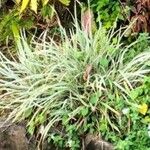
Cymbopogon nardus
Giant turpentine grass · Citronella · Citronella grass · New citronella grass · Ceylon citronella
Description
Source: leafsnapCymbopogon nardus, common name citronella grass, is a species of perennial aromatic plant from the family Poaceae, originating in tropical Asia. It is the source of an essential oil known as citronella oil, which is widely used for its natural insect-repelling properties. C. nardus cannot be eaten because of its unpalatable nature, and is an invasive species that renders pastureland useless, since cattle will starve even in its abundance.
Care Guide
💧 Water Every 2 days
Citronella grass appreciates plenty of moisture and humidity. Depending on your climate conditions, you may need to water your grass daily, especially in areas that do not receive frequent rainfall.
☀️ Light
🌡️ Temperature
Citronella grass is suited to USDA hardiness zones 10 through 12. It thrives in hot and highly humid environments but cannot withstand cold temperatures. Do not expose the grass to temperatures below 32 degrees Fahrenheit for long periods.
💨 Humidity normal (40-60%)
This plant will thrive in moderate humidity, which is probably the level in your home. However, misting it a few times a week can be very beneficial. Make sure the room has good ventilation.
🪴 Soil
🌱 Fertilizer Every 30 days
Feed your Citronella grass with a high-nitrogen fertilizer once every spring to encourage healthy foliage growth.
🪴 Pot & Repot
✂️ Pruning
Citronella grass planted outdoors will need to be pruned of its seed heads to curb any unwanted spread of seedlings.
🌿 Propagating
🐛 Diseases & pets
☠️ Toxicity
Characteristics
- Plant Type
- Perennial
- Genus
- Cymbopogon
- Family
- Poaceae
- Hardiness Zone
- 10-12
- Bloom Time
- Summer to fall
- Native Area
- Asia