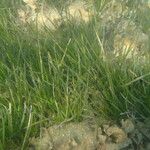
Cymodocea nodosa
Slender Seagrass · Lesser neptune grass · Sea grass · Little Neptune seagrass
Description
Source: leafsnapCymodocea nodosa is a species of seagrass in the family Cymodoceaceae and is sometimes known as little Neptune grass. As a seagrass, it is restricted to growing underwater and is found in shallow parts of the Mediterranean Sea and certain adjoining areas of the Atlantic Ocean.
Care Guide
💧 Water
☀️ Light Full sun
Slender seagrass is native to areas that receive plentiful sunlight, such as the shallow margins of ponds and lakes. It prefers full sun but can also tolerate partial sun.
🌡️ Temperature 20–37.8°C
Slender seagrass can tolerate a wide range of temperatures, but its distribution can still be restricted by different combinations of moisture and heat. It grows best in warm summer climates with sufficient rainfall or watering. Extended periods of cloudy, rainy weather, as well as prolonged high temperatures, can increase the chance of Slender seagrass dying. In winter, adequate protection from cold can raise the plant’s survival rate.
💨 Humidity
🪴 Soil
🌱 Fertilizer
🪴 Pot & Repot
✂️ Pruning
Slender seagrass flourishes in coastal areas and benefits from pruning in early spring to promote growth. By using sterilized scissors to trim dead or damaged leaves, you can enhance water flow and nutrient uptake. This process fosters a healthier ecosystem and leads to a denser seagrass habitat.
🌿 Propagating
🐛 Diseases & pets
☠️ Toxicity
Characteristics
- Plant Type
- Herb
- Life Cycle
- Perennial
- Genus
- Cymodocea
- Family
- Cymodoceaceae
- Hardiness Zone
- 9-11
- Mature Height
- 30 cm to 61 cm
- Mature Spread
- 20 cm to 40 cm
- Leaf Color
- Sea Green, Dark Sea Green
- Leaf Type
- Evergreen
- Bloom Time
- Early summer, Mid summer
- Planting Time
- Autumn, Winter
- Harvest Time
- Late summer, Early fall, Mid fall
- Native Area
- Libya, Egypt, Turkey, Tunisia, Mauritania, Montenegro, Cyprus, Greece, Croatia, Slovenia, Morocco, Lebanon, Italy, Spain, Senegal, Albania, Algeria, Gambia, France