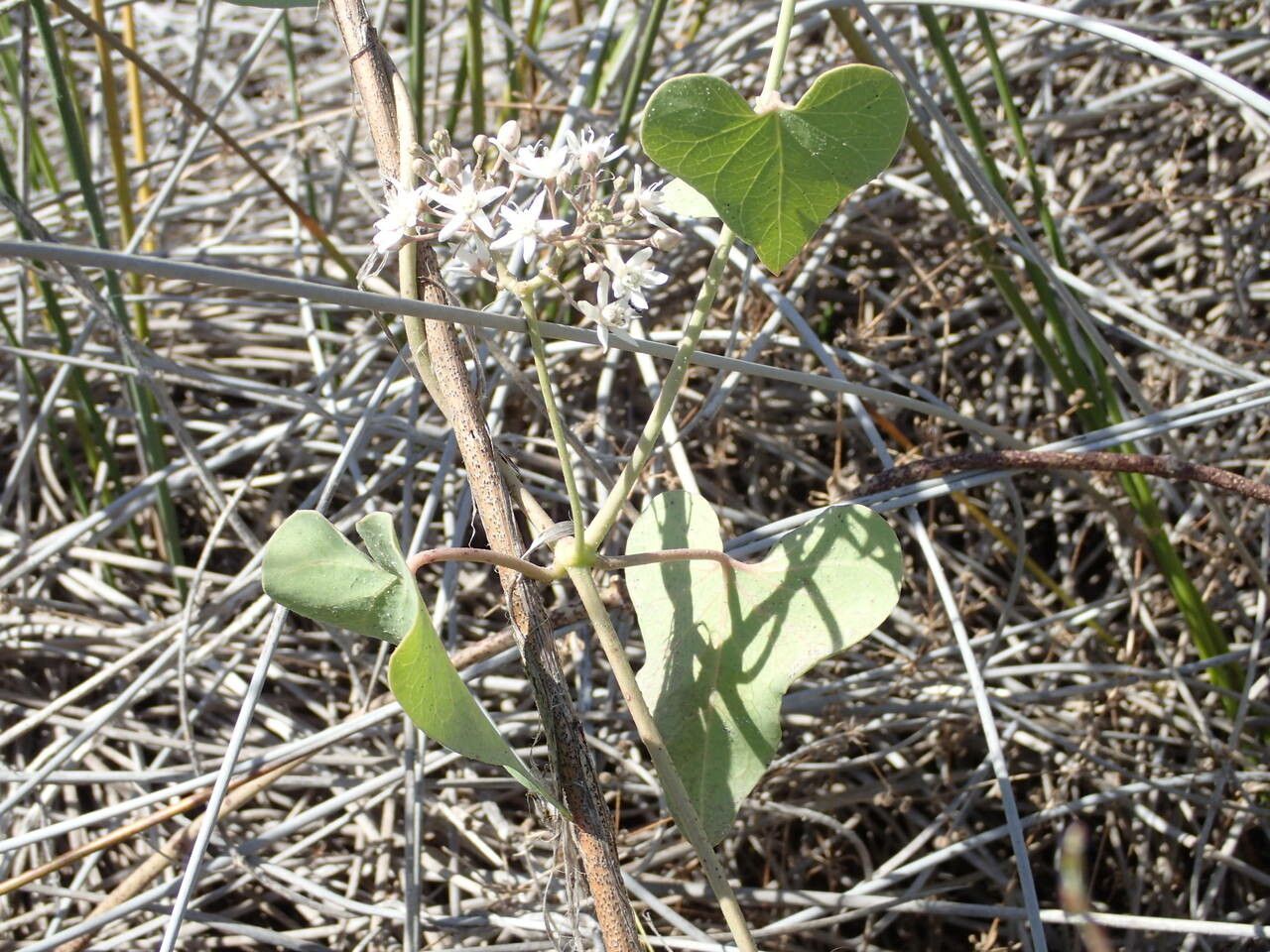
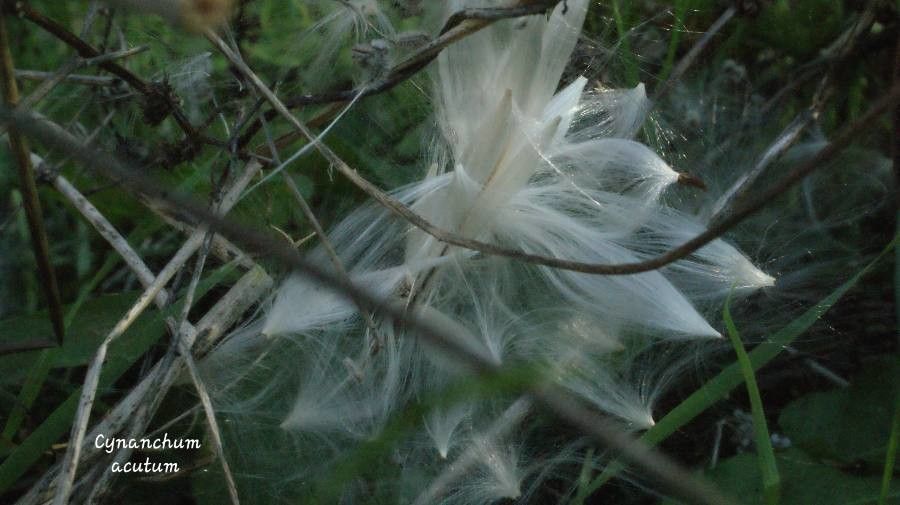
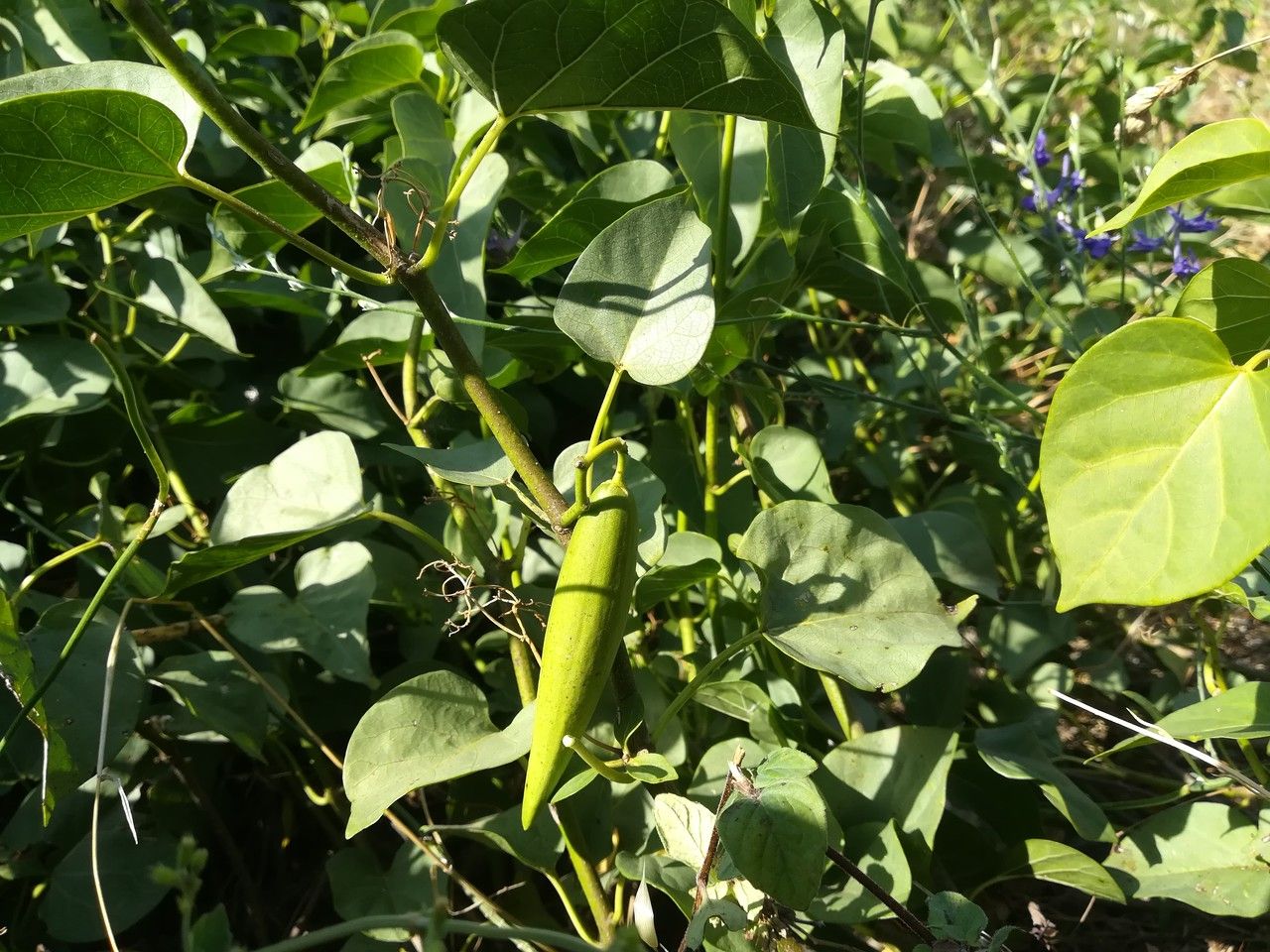
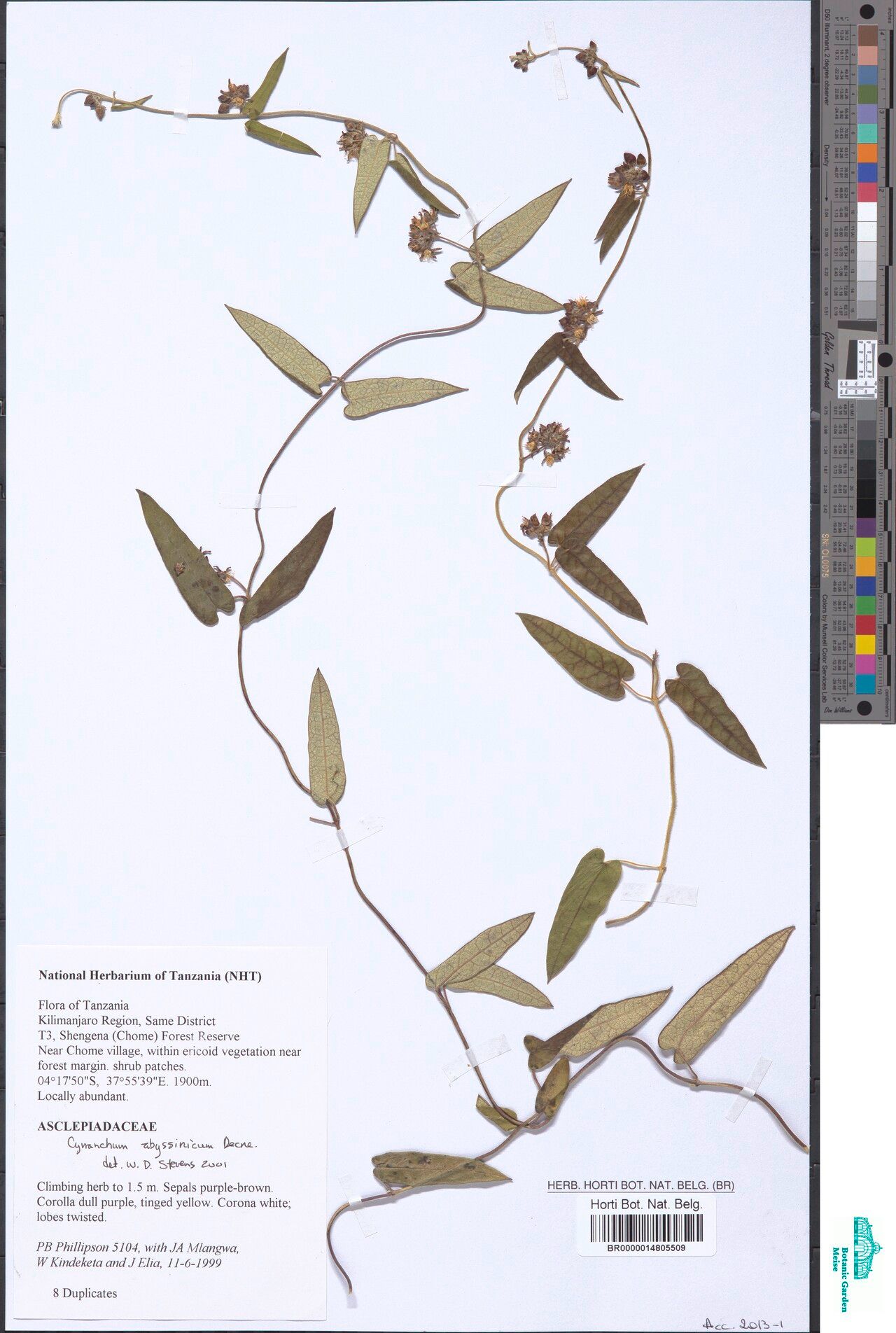
Cynanchum acutum, commonly known as the sharp-leaved swallowwort, is a perennial herbaceous plant from the Apocynaceae family. Native to Europe and Asia, this species thrives in various habitats such as meadows, fields, and forest edges. The plant can grow up to 1 meter tall, featuring a woody stem that branches into several stems.
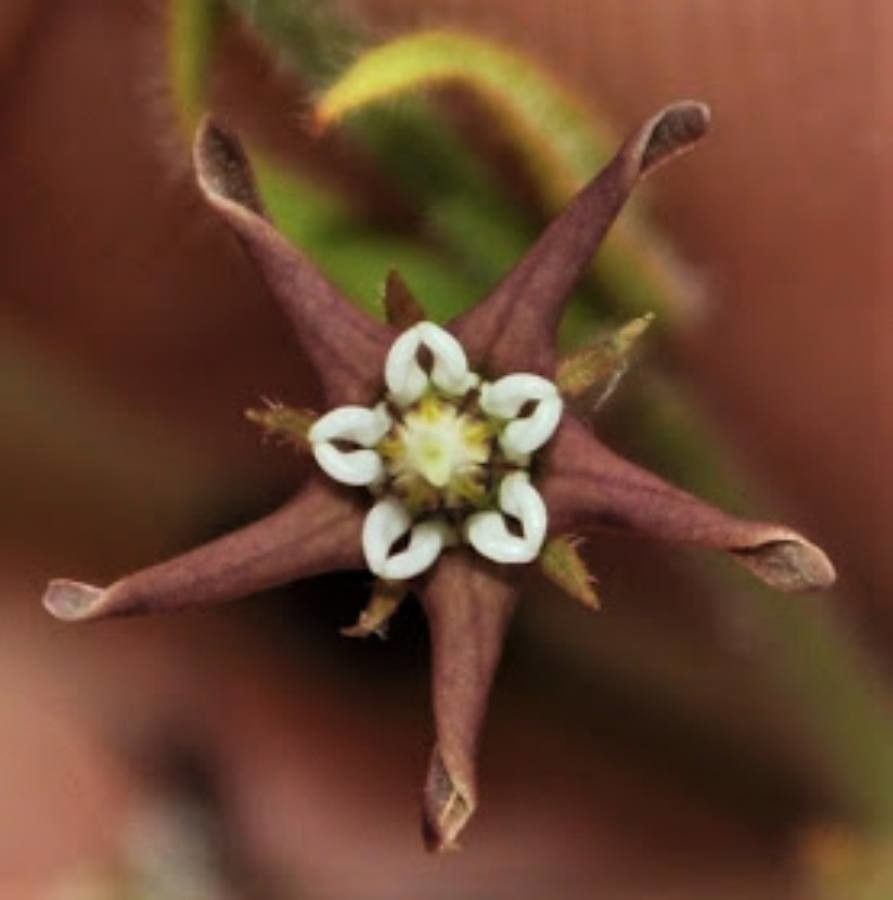
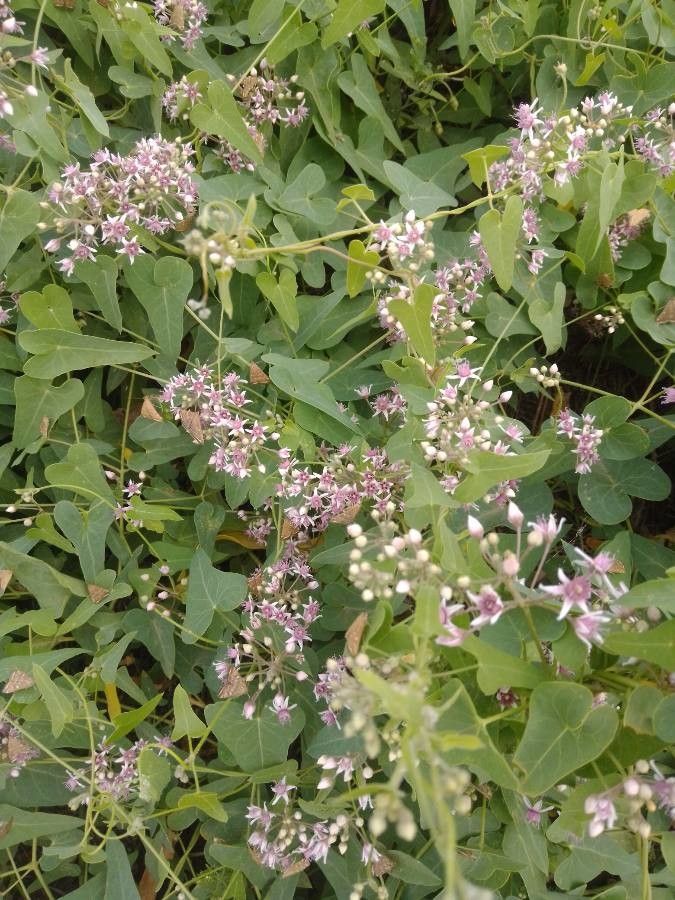
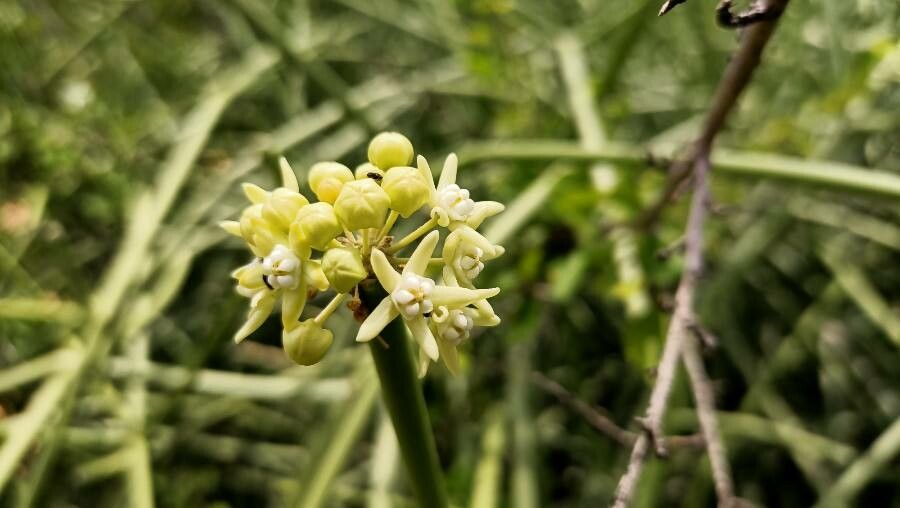
The leaves of Cynanchum acutum are lance-shaped with pointed tips, reaching up to 10 cm in length. Its small flowers are white or pinkish, each with five petals forming a star shape, and they bloom from June to September.
Historically, the sharp-leaved swallowwort has been utilized for its anti-inflammatory properties in traditional medicine. However, caution is advised due to the presence of toxic compounds that can be harmful if ingested.
In recent years, Cynanchum acutum has become an invasive species in parts of North America. This occurred either through accidental introduction via contaminated seed shipments from Europe or intentional planting for ornamental purposes.
Conservationists are actively working to control its spread by removing the plant from affected areas before it becomes too widespread.
Stranglewort is resistant to disease and is generally unlikely to develop illnesses. Regarding care, this plant is fairly low-maintenance. When grown outdoors it needs only light watering, and larger specimens typically do not require pruning. Smaller specimens, however, should be trimmed after flowering. Stranglewortt is well suited to anyone with an outdoor area, such as a garden or deck, and does not demand extensive care experience.
How to keep Cynanchum Acutum.
Light
Stranglewort grows best with abundant sunlight, though it can tolerate periods of moderate light. It originally adapted to habitats exposed to prolonged sunshine. It prospers under those conditions, which encourage healthy growth and development. Too little sunlight can result in poor growth, while too much exposure may be harmful.
Water
Stranglewort is a drought-tolerant plant that thrives in arid conditions, needing water only every 2-3 weeks. As an evergreen, it efficiently retains water throughout the year. It prefers well-drained soil, which highlights its minimal water requirements.
Temperature
Caring for a stranglewort means reproducing the temperature of its native habitat, ideally between 59 and 95 °F (15 to 35 ℃). You may need to make seasonal adjustments to simulate those conditions.
Fertilizer
Fertilize your Stranglewort in early spring to encourage healthy growth. Regular feeding improves overall health, producing vigorous growth, better resilience to harsh conditions, and increased resistance to diseases and pests. Keep to a specific fertilization schedule for your Stranglewort to preserve vibrant, deeply colored foliage and a lush appearance.
Pruning
Stranglewort is a rapidly growing vine that can easily overtake other plants. To encourage healthy growth and maintain its shape, it is best to prune it in early spring. During pruning, remove any dead or diseased stems. Proper pruning helps improve air circulation and sunlight exposure, which reduces the risk of fungal infections. Be sure to use clean, sharp tools to make precise cuts.
Botanical profile.
- Plant Type
- Shrub
- Life Cycle
- Perennial
- Genus
- Cynanchum
- Family
- Apocynaceae
- Hardiness Zone
- 8-10
- Mature Height
- 3.05 m
- Mature Spread
- 0.91 m to 2.13 m
- Leaf Color
- Green, Blue
- Leaf Type
- Deciduous
- Flower Color
- White
- Flower Size
- 0.51 cm to 0.76 cm
- Bloom Time
- Summer
- Planting Time
- Spring, Autumn
- Harvest Time
- Early fall, Mid fall
Other names.
Reader questions.
How should I water my Stranglewort plant in the best way?
To promote excellent root development, place a garden hose at the base of the plant, but avoid spraying the leaves directly. If the plant is outdoors and in direct sunlight, the leaves will need more watering. To moisten the roots, you can use bubblers for each plant or soaker hoses that cover the entire garden or bed. When adding or removing plants, use soaker hoses to ensure deep root penetration. Make sure to drain any excess water and allow the soil to dry before watering again. Watering at ground level will help prevent diseases. On a sunny day, consider spraying the entire bush with water. It's important to note that whether the plant is potted or in the ground, deep watering is preferred over light sprinkling for Stranglewort.
What are the sunlight requirements for Stranglewort?
Stranglewort is a plant that thrives best under generous levels of sunlight but can also tolerate moderate sunlight exposure. It originally adapted to environments with extensive sunlight, where it flourishes, stimulating healthy growth and development. The plant requires above 6 hours of sunlight daily to be considered in full sun, whereas about 3-6 hours of sunlight is categorized as partial sun. Insufficient sunlight may lead to poor growth, while excess exposure can be harmful. It's essential to observe the movement of sunlight through your garden to ensure that your plants receive the appropriate balance of light and shade, guaranteeing their well-being.
How should I care for a Stranglewort to maintain its health?
Caring for a Stranglewort, scientifically known as Cynanchum acutum, involves replicating its native habitat's temperature range, which is ideally between 59 to 95 °F (15 to 35 °C). To achieve this, you may need to make seasonal adjustments. Despite its moderate cold tolerance, requiring no extra measures above -5°C, precautions should be taken if temperatures are expected to fall below this point. These include wrapping the plant with insulating materials such as plastic film or fabric to protect it from the cold, and then removing these coverings once temperatures rise again.
If I give Stranglewort too much or too little water, what should I do?
If you overwater a Stranglewort plant, its leaves may turn yellow, drop off, and wilt. The plant may also look dull and unhealthy, with mushy stems. When you notice these signs, it's best to adjust your watering schedule. Conversely, wilting can also indicate under watering, in which case the leaves become crispy and dry. To address this, check the soil and provide a thorough watering if it is dry. However, even with enough water, the plant may still appear dry with yellow leaves due to damage to its root system. Once the plant recovers, the yellowing of leaves will cease. When growing Stranglewort indoors, always check the moisture levels in the pot to avoid overwatering. If you spot black spots, allow the soil to dry out by withholding water for a few days. Overwatering can cause root rot, so if you observe discolored and slimy roots, consider transferring the plant to a different pot. It is important to prevent root rot by ensuring the soil does not become too soggy. When planting Stranglewort outdoors, be sure to check the soil's moisture level by digging a little deeper. If it is too dry, it might indicate underwatering, requiring adequate watering to help the plant recover.
What solutions are recommended for indoor Stranglewort plants not receiving enough sunlight?
For indoor Stranglewort plants struggling with insufficient sunlight, there are several solutions. Gradually move the plant to a sunnier location, aiming for at least 6 hours of direct sunlight daily. Utilize a south-facing window and keep curtains open during daylight hours for maximum exposure. If the plant is large or difficult to move, consider supplementing with artificial light. Keeping a desk or ceiling lamp on for at least 8 hours daily can help, or investing in professional grow lights may provide ample lighting. Artificial lighting types, such as LED lights, can be customized to offer specific wavelengths needed by the plants. For full sun plants, 30-50W/sq ft of artificial light is recommended, 20-30W/sq ft for partial sun plants, and 10-20W/sq ft for full shade plants. The light source should be placed 12-36 inches above the plant to mimic natural sunlight, and most plants require 8-12 hours of light per day.
What should I do if the Stranglewort experiences low temperatures?
Stranglewort shows moderate tolerance to low temperatures and performs best when above 15°C. During colder months, ensure it remains above -5°C. If temperatures drop below -10°C, the leaves may droop, with the potential to recover in mild cases, or wilt and fall off in severe instances. If frost damage occurs, trim off the damaged parts. To prevent future cold damage, wrap the plant with a protective material such as non-woven fabric or cloth, and possibly construct a wind barrier for added protection against cold winds.
How many times a week should I water my Stranglewort?
The Stranglewort plant prefers deep, infrequent watering, especially when it is in pots. Potted plants have limited water storage, so the soil dries out faster. In colder regions, watering is needed every 3 to 5 days. It's best to water in the morning when the soil is dry, whether the plant is indoors or outdoors. You can check if watering is necessary by testing the moisture of the soil. If the top 2-3 inches of soil are dry, it is time to water the plant thoroughly. On hot days, monitor the soil moisture daily as the heat can quickly dry it out. If you have a garden, irrigation is also necessary. In hot climates, watering once a week is sufficient. Only water when the top 2-3 inches of soil are too dry. Take into account any rainfall, as additional watering may cause root rot. Stranglewort typically grows in spring and fall. Adding mulch around the plant can help conserve water outdoors. Sandy soil requires more frequent watering, while clay soil can go 2-3 days without water to prevent root rot. It may be helpful to mark the watering dates on a calendar and watch for drooping leaves as a sign that watering is due.
How can outdoor Stranglewort plants be cared for if they're not getting enough sunlight?
For outdoor Stranglewort plants not receiving adequate sunlight, gradual relocation is beneficial. The process involves moving the plants to progressively sunnier spots each week to adapt without the risk of sunburn. It is crucial to avoid abrupt alterations in light intensity to prevent potential damage to the plants. While parts of the plant that suffered from insufficient sunlight might not fully recover, promoting new growth through increased light exposure will result in healthy development.
How can I protect my Stranglewort from high temperatures?
To protect Stranglewort during hot summer months, it's crucial to keep it below 35°C. Exposure to temperatures exceeding 41°C can cause the leaves to lighten in color, dry out at the tips, curl, and increase the risk of sunburn. To mitigate these risks, trim away any sunburned or dried parts of the plant. Move the Stranglewort to a shaded location or utilize a shade cloth to protect it from the intense midday and afternoon sun. Additionally, maintaining soil moisture by watering in the early morning and evening will help protect the plant in high temperatures.
How much water does my Stranglewort plant need?
The Stranglewort plant typically requires about a gallon of water on a regular basis. For potted plants, it's a good idea to water them deeply until you see the water dripping from the bottom of the pot. Allow the soil to dry before watering again. To keep track of the amount of water given, you can use a water calculator or a moisture meter throughout the week. During the flowering period, provide ample water but allow it to evaporate afterwards to prevent root rot. If the Stranglewort plant is planted outdoors and there is sufficient rainfall, it may not need any additional watering. However, when the plant is young or newly planted, make sure it receives 1-2 inches of rain per week. As the Stranglewort plant matures, it can rely solely on rainfall. Only during extremely hot weather or when there is no rainfall for 2-3 weeks, consider giving the plant a thorough watering during the cooler parts of the day to prevent heat damage. Additional watering will be necessary during prolonged dry spells.
What symptoms indicate that a Stranglewort plant is receiving too much or too little sunlight?
Several symptoms can indicate that a Stranglewort plant is facing issues with sunlight exposure. Insufficient sunlight can lead to small new leaves, leggy or sparse growth, faster leaf drop, slowed or halted new growth, lighter-colored new leaves, and general weaknesses. On the other hand, excessive sunlight can cause chlorosis (yellowing of leaves), sunscald, leaf curling, wilting, and leaf scorching. These signs help in diagnosing whether a Stranglewort plant is struggling with too much or too little sunlight, enabling the gardener to adjust care practices accordingly.
Should I change how often I water my Stranglewort based on the different seasons or climates?
The Stranglewort plant needs to be outdoors and mainly relies on rain for water. However, if the weather is consistently dry, you will need to water it. In the spring and fall, the soil should be moist but not soggy, and alternating between dry and moist conditions will help it grow. During the summer, hot weather and lack of rainfall can cause the water to evaporate quickly, so you may need to water more frequently to keep the soil moist. In winter, the Stranglewort needs less water because it drops its leaves and goes dormant. If it's in a pot, make sure there is good drainage, and in summer, water it well since potted plants have limited root growth. Deeply soak the roots once or twice a week, avoiding shallow sprinkles that only wet the leaves. Don't let the plant dry out completely in fall or winter, even if it's dormant. Avoid overwatering and ensure the soil drains well to prevent drowning the plant. Applying mulch can help reduce stress, conserve water, and promote healthy blooms.