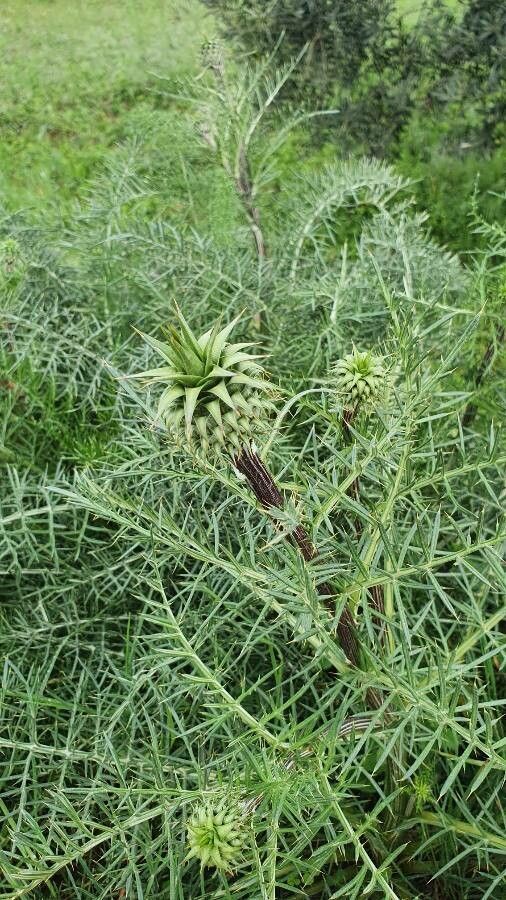
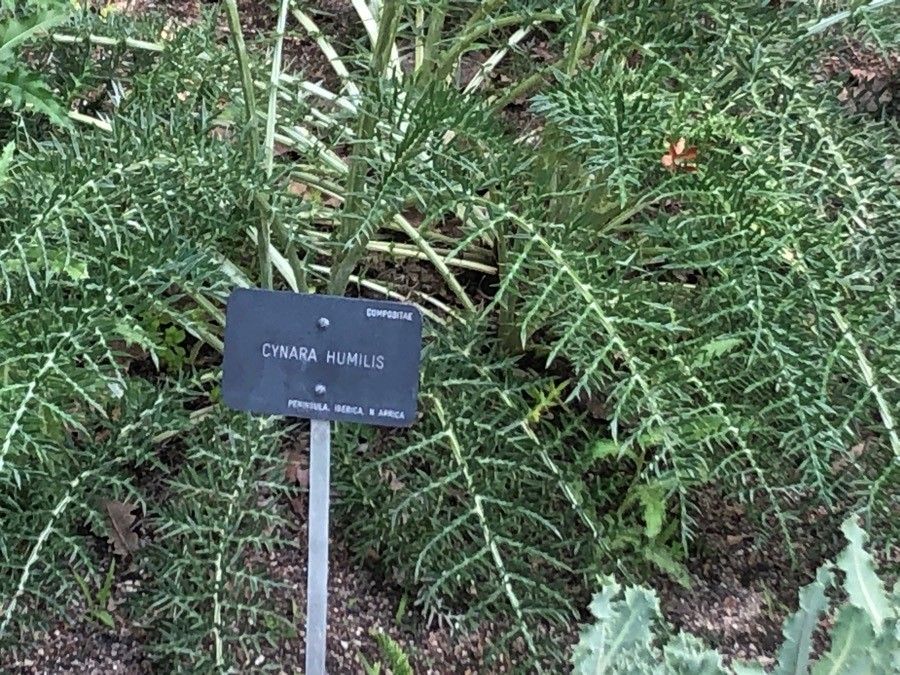
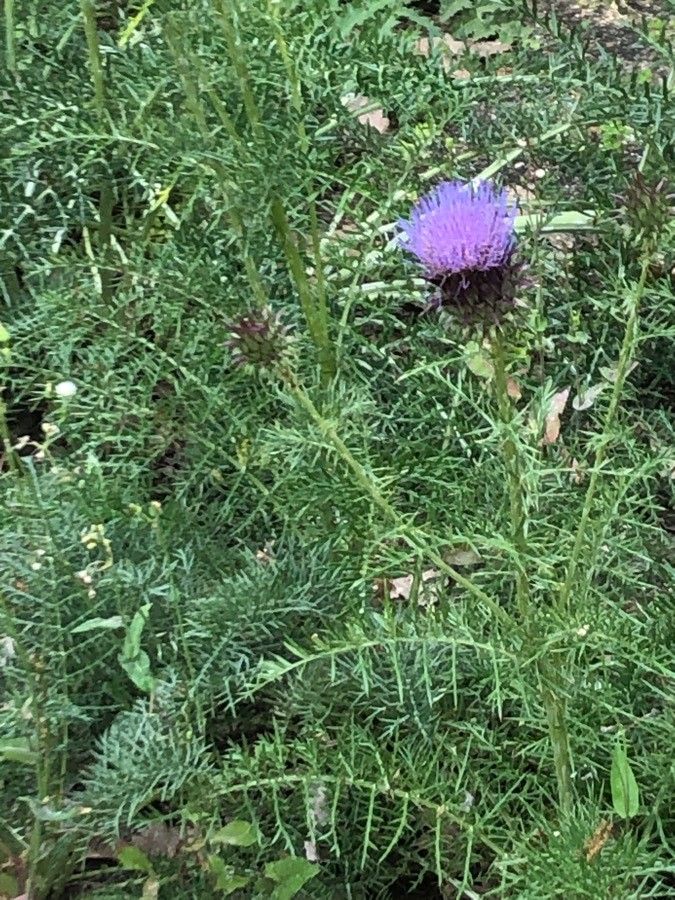
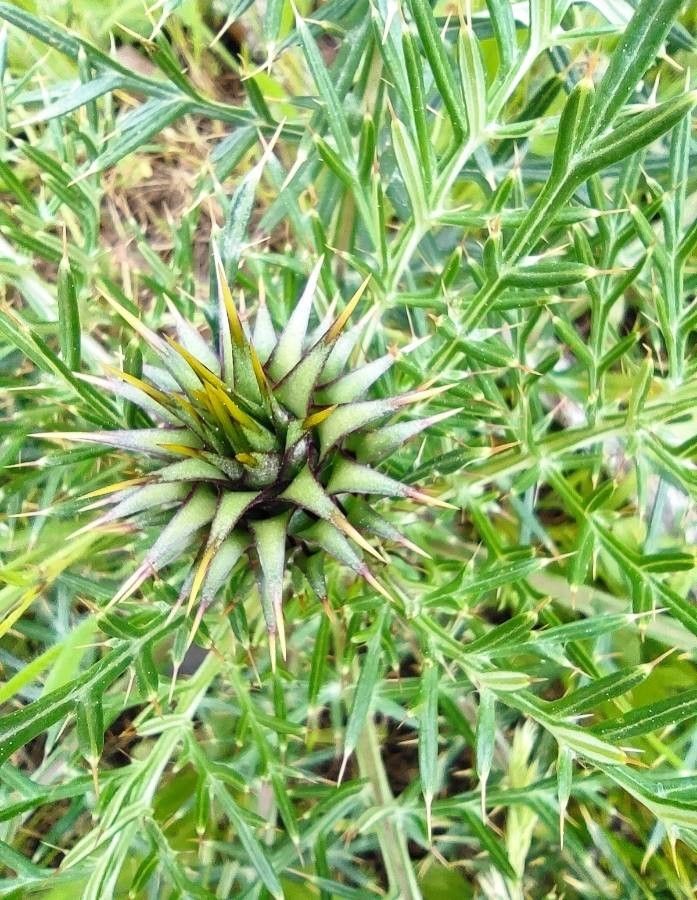
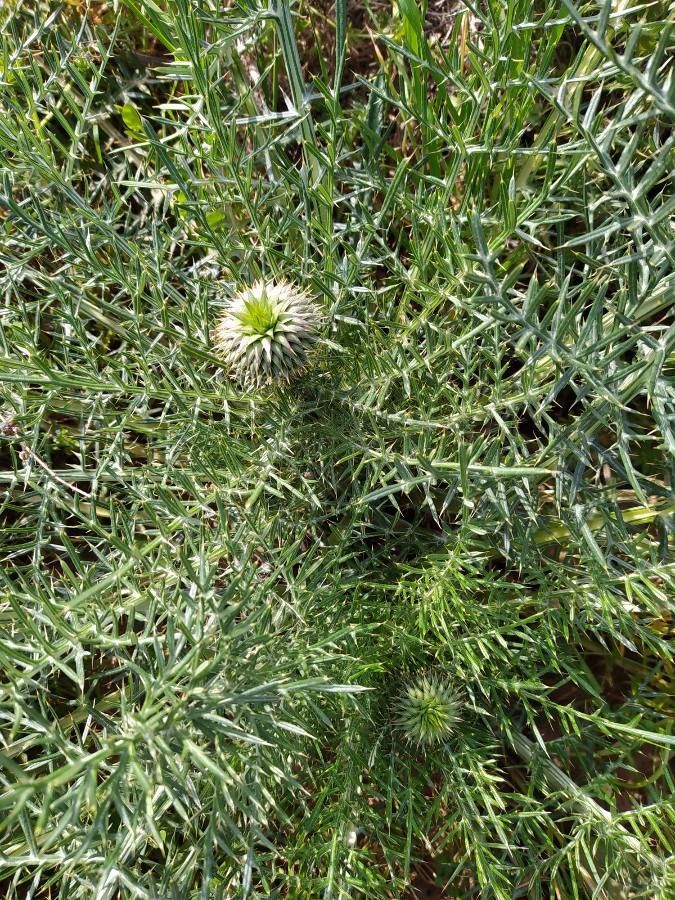
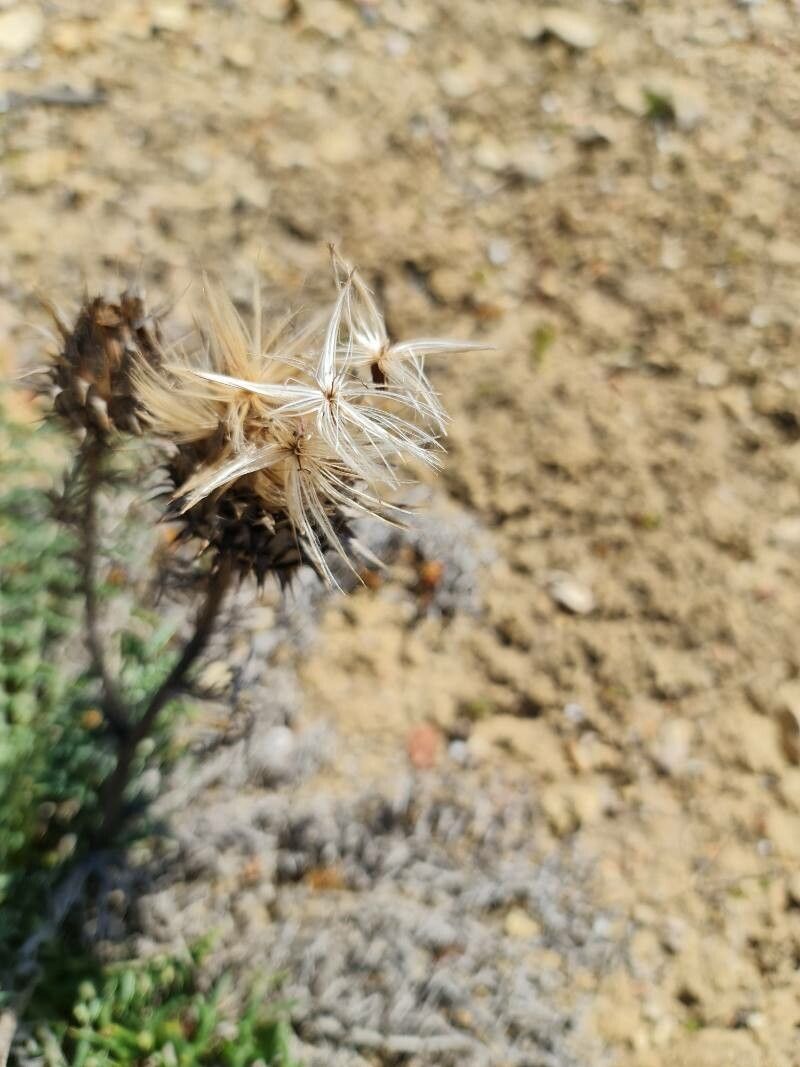
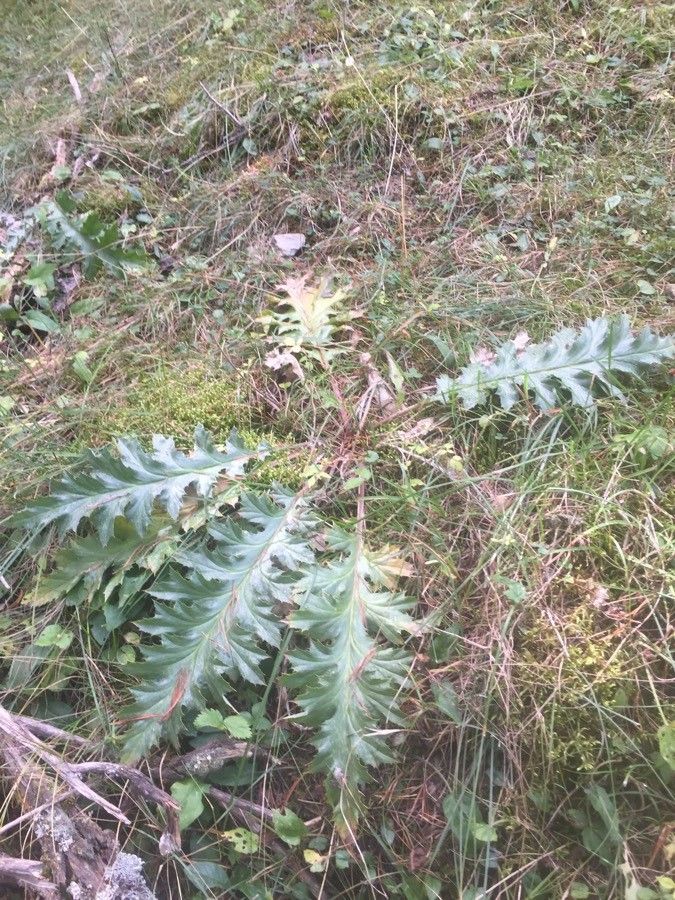
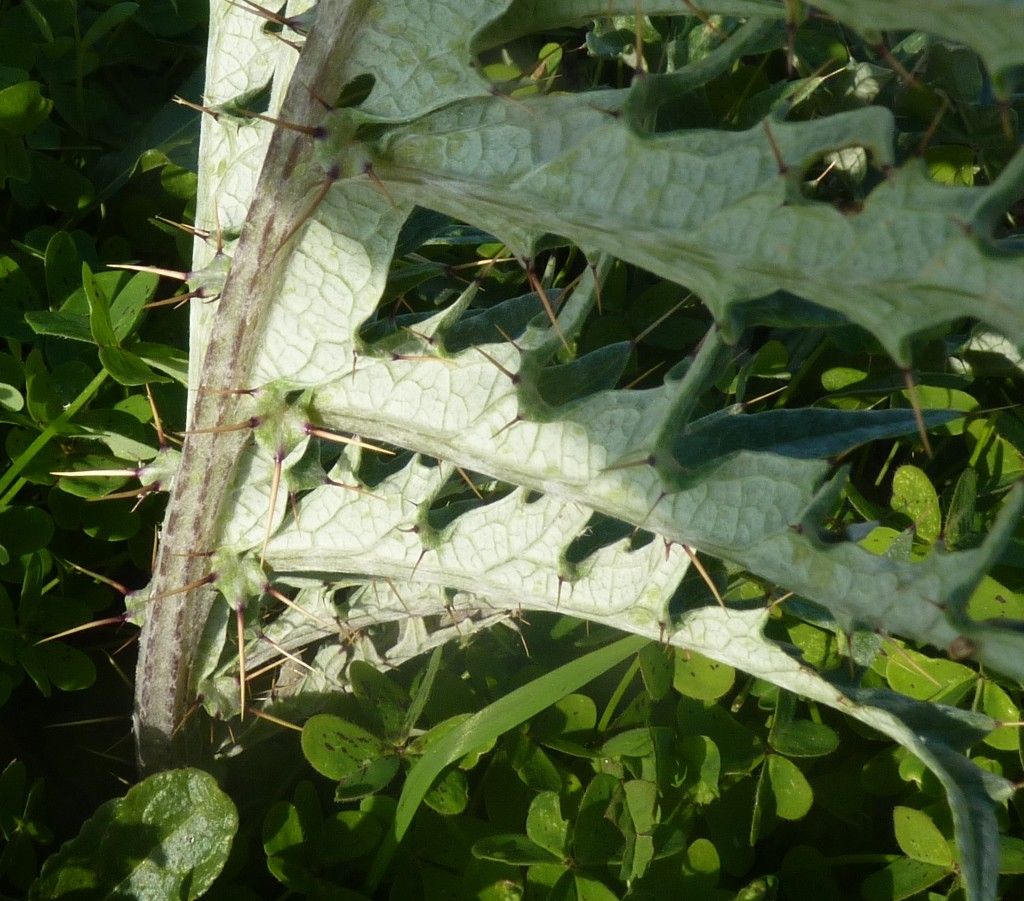
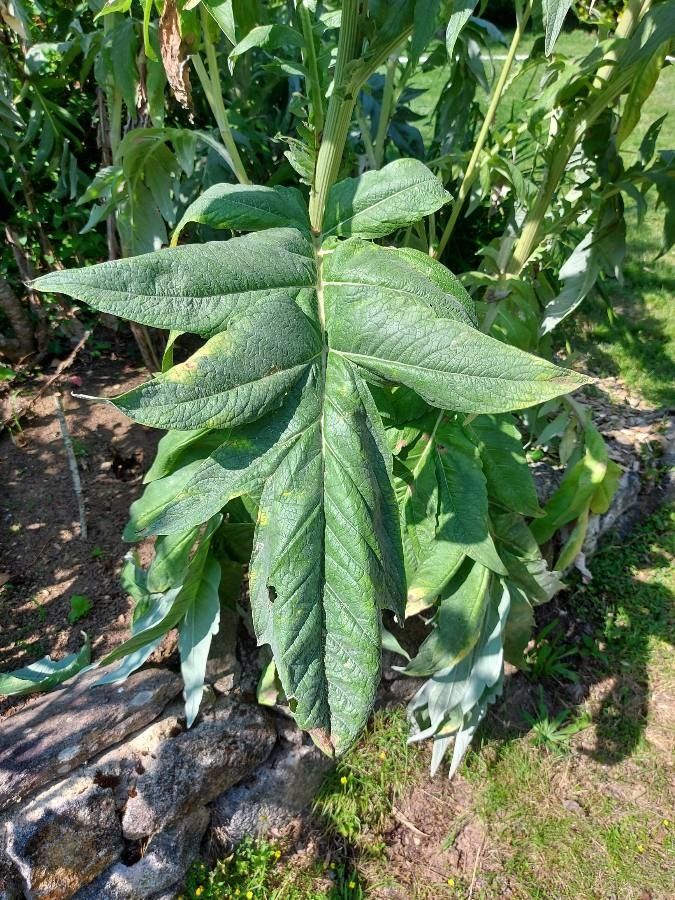
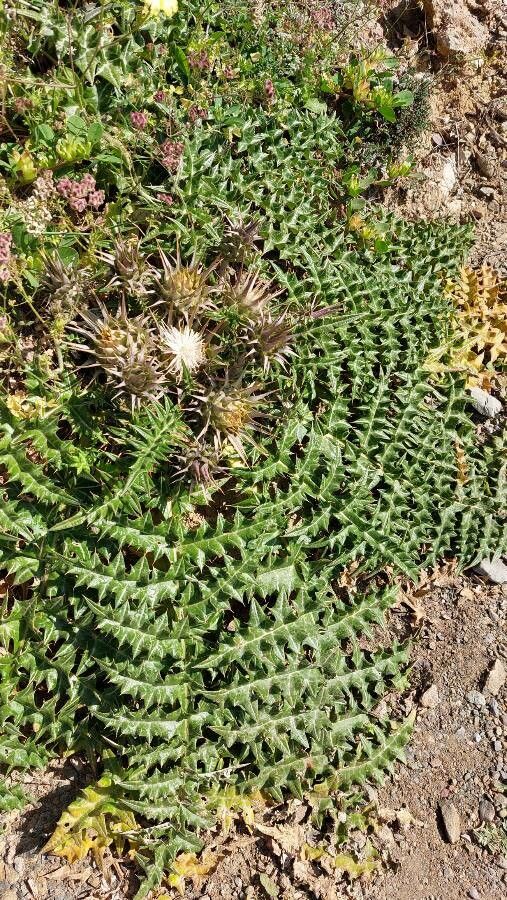
Cynara humilis, called wild thistle, is a species of flowering plant in the artichoke and cardoon genus Cynara native to the Canary Islands, Morocco, Algeria, Portugal, and Spain. It is used locally as a coagulant in artisanal sheep and goat cheesemaking.
Cardoon has moderate resistance to disease but can be vulnerable to issues like leaf spot. Its susceptibility to insect pests varies by variety, though most varieties are relatively less resistant to pests. For care, Cardoon requires regular watering and fertilization, along with frequent removal of yellow leaves. It is important to manage pests and diseases when they appear and to harvest the plant promptly. Cardoon is appropriate for people who can spare some time and energy for routine care.
How to keep Cynara Humilis.
Light
Cardoon is native to habitats with plentiful sunlight, including open fields and sunny meadows. It favors full sun but can also endure partial sun.
Water
Originating in the Mediterranean, cardoon grows best with moderate rainfall and regular weekly watering. It thrives in well-moisturized soil but should not become waterlogged. Often cultivated outdoors for its ornamental appeal, cardoon benefits from mulching, which helps retain soil moisture and reduces the need for frequent watering.
Temperature
Cardoon prefers moderate temperatures, similar to what people generally find comfortable. It does best in conditions that are neither excessively hot nor overly cold. The primary concern with high temperatures is the potential for sunburn, so providing some shade in summer is recommended to prevent excessive heat. When temperatures decline, Cardoon goes dormant. If continuous growth is wanted, warmer conditions must be kept through the winter. Frost can damage the plant and should be avoided.
Fertilizer
To maximize the yield and flavor of Cardoon, provide sufficient nitrogen throughout the growing period, including pre-planting and harvest. Plants that are well watered and fertilized develop abundant, healthy leaves and have reduced bitterness. Before planting, enrich the soil with organic matter such as compost or manure, ideally 2 to 8 weeks beforehand.
Pruning
Cardoon features thistle-like flowers and robust leaves. To maintain its structure and encourage growth, prune the plant from early to late spring. Remove any spent stalks and damaged leaves to promote health, prevent overcrowding, and improve air circulation. For best results, use clean and sharp tools.
Botanical profile.
- Plant Type
- Herb
- Life Cycle
- Perennial
- Genus
- Cynara
- Family
- Asteraceae
- Hardiness Zone
- 7-10
- Mature Height
- 49 cm to 91 cm
- Mature Spread
- 61 cm to 91 cm
- Leaf Color
- Green, Light Green
- Leaf Type
- Semi-evergreen
- Flower Color
- Purple
- Flower Size
- 5.08 cm to 7.62 cm
- Bloom Time
- Early summer, Mid summer
- Planting Time
- Spring, Summer, Autumn
- Harvest Time
- Late summer, Early fall
- Native Area
- Morocco, Spain, Algeria, Portugal
Other names.
Reader questions.
What are the sunlight requirements for growing Cardoon (Cynara humilis)?
Cardoon (Cynara humilis) requires full sun to thrive, meaning it needs more than 6 hours of sunlight daily. It’s important to monitor the patterns of sunlight movement through your garden to find spots that offer an ideal balance of light and shade. Choosing the right location will ensure your plants grow healthy and happy.
What is a Cardoon?
A Cardoon is a plant known by its botanical name, Cynara humilis. It does not have further essentials, symptoms, or additional information provided here.