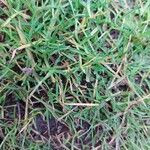
Cynodon dactylon
چایر- مرغ · پنجه مرغی · Bermudagrass · Common Bermuda grass · Green couch
Description
Source: leafsnapCynodon dactylon, commonly known as Bermuda grass or couch grass, is a warm-season perennial grass native to Africa that has been widely naturalized around the world. It features a creeping growth habit and can quickly spread through stolons and rhizomes, forming dense mats of turf. Bermuda grass is highly adaptable, capable of growing in a wide range of soil types, from sandy to clayey. It thrives in full sun but can also tolerate some shade. This plant is drought-tolerant and requires minimal maintenance once established. Bermuda grass has many applications, including use as turf for lawns, sports fields, golf courses, and parks. It is also effective for erosion control on slopes and serves as pasture for livestock. Additionally, it can be used as an ornamental plant. However, it should be noted that Bermuda grass can become invasive if not properly managed and controlled. Its rapid growth rate makes it difficult to eradicate once established. Overall, Cynodon dactylon is an important plant species with numerous benefits, but it requires careful management to prevent it from spreading beyond desired areas.
💡 A lace-like pattern appears on the petals of Bermuda grass, resembling the bite marks of a dog. This unique flower may not have particularly bright colors, but it possesses a strong fragrance. As you approach to smell it, you might even feel a bit lightheaded.
🌳 Bermuda grass is not only a common turfgrass; its dense turf formation makes it highly effective for controlling soil erosion. It also acts as a bioindicator of zinc because it can accumulate and tolerate high levels of the metal, assisting environmental monitoring.
🎭 Innocence and compassion
Care Guide
💧 Water Every 7 days
Bermuda grass thrives in warm climates with plenty of sunlight and moderate rainfall. It is drought-tolerant but grows best with regular moisture, provided it doesn't become waterlogged. For lush, green growth, it's ideal to water the grass twice a week during its growing season. Thanks to its hardiness, Bermuda grass is typically grown outdoors.
When Should I Water My Bermuda Grass?
To determine the right time to water your Bermuda grass, closely monitor the plant for specific indicators. If the soil moisture around the plant's base feels dry 1-2 inches deep, it is time to water. Observing the grass for signs of wilting, droopiness, or leaf curling is also essential, as these are indicators of moisture stress. A change in leaf color to yellow or brown can suggest that the grass needs water, though it's important to consider the season and grass variety, as some natural browning occurs during dormancy. The footprint test can further guide watering times; if the grass doesn't bounce back after being stepped on, it needs water. Also, consider the recent weather conditions and temperatures, watering more frequently during warm, dry spells. However, watering too early can cause root diseases, and watering too late can stunt growth or kill the plant. Understanding and responding to these signs are crucial for maintaining healthy Bermuda grass.
How Should I Water My Bermuda Grass?
Bermuda grass thrives with deep, infrequent watering, which encourages a strong root system capable of resisting drought and heat. The ideal watering method involves using a sprinkler system or garden hose with a spray attachment to mimic natural rainfall, allowing the water to evenly reach the soil to a depth of about 6 inches. This method promotes deep root growth. Employing a soil moisture meter can help you prevent over- or underwatering by providing accurate moisture levels in the soil. Focus on thoroughly wetting the soil down to the root zone and avoid watering late in the evening or at night to reduce the risk of fungal diseases. Watering should be concentrated on the soil rather than the foliage.
How Much Water Does Bermuda Grass Really Need?
The water requirements of Bermuda grass vary based on several factors, including pot size, root depth, and plant size. Typically, Bermuda grass requires about 1 inch of water every 5-7 days for smaller pots or containers, and 1-2 inches every 7-10 days for larger ones. The health and hydration level of Bermuda grass can be observed through its green, vibrant leaves, and its ability to recover quickly from foot traffic or mowing. Signs of under-watering include wilting, dull or yellowish color, and slow recovery. On the other hand, over-watering can lead to shallow roots, thatch buildup, and vulnerability to diseases. To ensure optimal growth, water deeply but infrequently, especially in the early morning, and adjust based on weather conditions.
What Kind of Water is Best for Bermuda Grass?
Bermuda grass, showing moderate sensitivity to water quality, flourishes best with distilled water due to its purity and absence of harmful contaminants. Rainwater, being natural and balanced in pH, is also highly suitable for Bermuda grass. Filtered water serves as a good alternative, as long as it's free from harmful chemicals and minerals. Although tap water is an option, it may not be ideal because of the possible presence of chlorine and other chemicals that can stress the plant. If using tap water, letting it sit out to evaporate the chlorine or employing treatments like reverse osmosis can make it safer for the grass. Bermuda grass also prefers room temperature water and may be sensitive to the minerals in hard water and salinity levels. Thus, it's important to ensure proper water quality to maintain its health.
How Do Bermuda Grass's Watering Needs Change with the Seasons?
Bermuda grass has seasonal watering needs, with spring requiring moderate watering as the grass wakes from dormancy. During summer, consistent moisture is crucial due to increased sunlight and growth, making early morning or late evening watering best to avoid evaporation. In autumn, as growth slows and the grass prepares for dormancy, reduce watering frequency to promote hardening off before winter. Watering needs drop significantly in winter since the grass becomes dormant; however, occasional watering may still be necessary during dry spells but should be minimized during freezing temperatures to prevent ice damage. Adapting your watering routine to the season is essential for maintaining a healthy Bermuda grass lawn.
☀️ Light Full sun
Bermuda grass performs best with the maximum sunlight each day but can tolerate lower light levels. Having originated in harsh habitats, it is adapted to handle a range of light intensities. Nevertheless, higher light promotes vigorous growth, while reduced light can lower density and vigor and increase susceptibility to environmental stresses.
What are the sunlight requirements for Bermuda grass?
Bermuda grass requires a substantial amount of sunlight to thrive optimally. For full sun exposure, Bermuda grass needs over 6 hours of sunlight daily. In conditions of partial sun, about 3-6 hours of sunlight is necessary. It is important to monitor the movement of sunlight through your garden carefully to ensure that the plants get a perfect balance of light and shade, which is crucial for their health and happiness.
What essentials should be known for growing Bermuda grass?
Bermuda grass excels in full sunlight and can tolerate lesser amounts of light, thanks to its origin in challenging environments. Maximum sunlight exposure encourages robust growth, while insufficient light can lead to a decrease in density and make the grass more vulnerable to environmental stresses. If natural sunlight is lacking, artificial lighting can be a valuable alternative, ensuring optimal growth by simulating natural light conditions. For indoor plants, this involves selecting the right type of light, such as LED, determining the distance between the plant and the light source, and mimicking natural daylight hours, usually 8-12 hours a day.
How can one identify if Bermuda grass is not receiving enough sunlight?
Symptoms of insufficient sunlight in Bermuda grass include the growth of smaller new leaves, leggy or sparse growth, faster leaf drop, and a pause or stop in new growth. Other signs include lighter-colored new leaves, chlorosis (where leaves turn yellow due to a breakdown of chlorophyll), sunscald, leaf curling, wilting, and leaf scorching. These symptoms indicate that the plant is struggling due to inadequate sunlight and may require adjustments in its care or environment.
What solutions are available for Bermuda grass not receiving enough sunlight?
For Bermuda grass suffering from low light conditions, gradual relocation to sunnier spots is recommended, aiming for at least 6 hours of direct sunlight daily. Indoors, moving the plant to a south-facing window or using artificial light, such as a desk or ceiling lamp on for at least 8 hours daily, can help. Outdoors, it's crucial to shift the plants gradually to prevent sunburn. Reducing obstructions and transplanting smaller plants during their dormant period to sunnier locations are effective strategies. Remember, parts of the plant that suffered from low light might not recover, but new growth will be healthy with improved light conditions.
🌡️ Temperature 5–35°C
Bermuda grass originates from areas where temperatures range from 5 to 35 ℃ (41 to 95 ℉). It prefers warm conditions and tolerates heat but does not withstand freezing temperatures. In winter, it is recommended to cut the grass shorter to decrease the risk of snow mold.
What are the ideal temperature conditions for Bermuda grass?
Bermuda grass thrives in regions where temperatures range from 5 to 35°C (41 to 95°F). It prefers warm temperatures and has a strong tolerance for heat. However, it does not fare well in freezing temperatures. To manage Bermuda grass during winter, it is suggested to trim the grass shorter to reduce the risk of snow mold. Even though Bermuda grass has strong cold resistance and special frost protection measures are typically not necessary, if temperatures are expected to drop below -25°C, providing cold protection by covering the grass with materials like soil or straw is important. Additionally, abundant watering before the first freeze in autumn, ensuring the soil is moist entering into the frozen state, helps prevent drought and water scarcity for the plant during winter and early spring.
How does Bermuda grass react to low temperatures?
Bermuda grass is cold-tolerant and performs best when temperatures stay above 5°C. During winter, the temperature should be kept above -20°C to ensure healthy growth. When temperatures fall below -25°C, Bermuda grass may not show noticeable changes during the winter season; however, this may lead to decreased sprouting or even absence of sprouting in spring. In such instances, it is advisable to remove any parts of the grass that have failed to sprout in spring as a solution to encourage healthy regrowth.
What should be done if Bermuda grass is exposed to high temperatures?
During the summer months, it is crucial to ensure that Bermuda grass does not experience temperatures above 35°C. If the temperature rises beyond 41°C, the grass may show signs of stress including lighter colored leaves, leaf curling, susceptibility to sunburn, and in severe cases, wilting and drying out. To mitigate damage from high temperatures, trimming the sunburned and dried parts of the grass is recommended. Moving the plant to a shaded location or using a shade cloth to protect it from the direct midday and afternoon sun can also be beneficial. Additionally, watering the grass in the morning and evening to keep the soil moist is crucial to prevent drying.
💨 Humidity dry (<40%)
This plant prefers dry conditions, so don't mist it. However, watering it less often can also thrive in higher humidity.
🪴 Soil 6-7
🌱 Fertilizer
Bermuda grass is a warm-season turf that flourishes in summer and becomes dormant in winter. Fertilization is essential for thick growth, a vibrant green color, and resilience to stressors such as heat, drought, and cold. Neglected lawns weaken and thin, inviting unwanted grasses, weeds, insects, and diseases.
Why should I put fertilizer on my Bermuda grass?
To achieve vigorous and thick growth, it is important to fertilize Bermuda grass. A lawn that is healthy and well-fed will maintain its density, remain vibrantly green, and recover effectively from damage caused by insects or mechanical issues. Additionally, it will be better equipped to handle seasonal stressors such as heat, drought, and cold temperatures. Conversely, lawns that are not properly fertilized will gradually lose density and become thinner over time. This creates an opportunity for undesirable grasses and weeds to invade the lawn. Moreover, malnourished lawns are more susceptible to insect infestations and disease.
When should I fertilize my Bermuda grass for the best results?
Bermuda grass is a warm-season grass that thrives in the hottest part of summer and becomes dormant during winter. To care for it effectively, apply fertilizer right after it comes out of dormancy and continue doing so throughout the growing season. Stop fertilizing just before it goes dormant again in the fall.
When is it a bad idea to fertilize my Bermuda grass?
Fertilizer can sometimes harm Bermuda grass instead of helping it, especially if the grass is already stressed for other reasons. If Bermuda grass is struggling with diseases like leaf spot, pythium, large patch, brown patch, or fairy rings, or insect problems like grubs, chinch bugs, or armyworms, it's best to avoid fertilizing. Adding fertilizer in these cases can weaken the grass's defenses, making it more susceptible to other pests or diseases. In the winter, when Bermuda grass is dormant, never fertilize it. Instead, wait until the grass is actively growing. During the hot summer months, it's important to avoid fertilizing during the hottest part of the day to prevent fertilizer burn. Additionally, after a rainstorm, it's best to wait for the soil to dry out for a day or two before applying fertilizer to minimize runoff and the potential contamination of ground and surface waters.
Which fertilizer should I use for my Bermuda grass?
When fertilizing Bermuda grass, it's important to use specific lawn or turf fertilizers instead of general garden fertilizers like a 12-12-12 blend. Turf blends are formulated with a higher nitrogen content and lower amounts of phosphorus and potassium. This nutrient ratio provides the necessary nourishment for the lawn while reducing the risk of damage. Lawn fertilizers often contain slow-release nutrients, which provide a continuous and long-lasting feeding to the grass. Nitrogen is the most essential nutrient for established lawns as it promotes growth and enhances the green color. Bermuda grass also requires phosphorus and potassium to develop strong stems and roots, become more resilient to drought and extreme temperatures, and defend against pests and diseases.
How can I make my Bermuda grass grow better?
To keep your lawn healthy, here's what you need to do: When your lawn wakes up from winter and becomes green again, typically in early spring, that's the time to fertilize it. From then on, continue fertilizing every four to eight weeks during spring, summer, and early fall. However, when Bermuda grass starts becoming dormant in the fall or about four weeks before the first autumn frost, it's time to stop fertilizing. Remember to follow the label instructions for proper application rates, or you can apply fertilizers based on soil test recommendations. Finally, make sure to water the fertilizer into the soil well after applying it.
🪴 Pot & Repot
✂️ Pruning
Bermuda grass flourishes when regularly mowed and should be trimmed from early to late spring. Cutting it to a height of 1-2 inches encourages a healthy lawn and helps prevent thatch build-up. Frequent mowing also keeps its rapid growth in check, ensuring it doesn't overpower other plants in your garden.
🌿 Propagating
🐛 Diseases & pets
☠️ Toxicity
Characteristics
- Plant Type
- Grass
- Life Cycle
- Perennial
- Genus
- Cynodon
- Family
- Poaceae
- Hardiness Zone
- 5-10
- Mature Height
- 15 cm to 49 cm
- Mature Spread
- 8 cm to 15 cm
- Leaf Color
- Green, Gray, Silver
- Leaf Type
- Deciduous
- Flower Color
- Purple
- Flower Size
- 0.20 cm to 0.51 cm
- Bloom Time
- Late spring, Summer
- Planting Time
- Spring, Summer
- Harvest Time
- Summer, Early fall
- Native Area
- Burkina Faso, Libya, Lesotho, Egypt, Djibouti, Angola, Namibia, Madagascar, Rwanda, Eritrea, Nigeria, Morocco, Kenya, Niger, Uganda, Tanzania, Zimbabwe, Mali, Benin, Equatorial Guinea, Cameroon, Liberia, Mozambique, Burundi, Ghana, Ethiopia, Botswana, Congo, Central African Republic, Malawi, Tunisia, South Africa, Zambia, Sudan, Guinea, Chad, Togo, Senegal, Eswatini, Côte d'Ivoire, Algeria, Gambia, Congo (DRC), Gabon