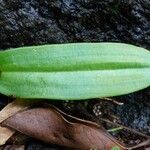
Cynorkis fastigiata
Care Guide
💧 Water Every week
Sofinampory, an orchid native to Madagascar, thrives in humid environments with good drainage. It requires weekly watering, but care should be taken to avoid waterlogging. To mimic its natural tropical habitat when kept indoors, regular misting is beneficial. As an epiphytic orchid, it flourishes in aerated substrates, which helps prevent root rot.
What is the easiest way to water my Sofinampory?
The watering needs of your Sofinampory depend on its growth phase and weather conditions. When the plant is actively growing, water the soil and occasionally water from above if it's warm. In winter or when it's cool or wet, focus on watering the soil directly and avoid overhead watering. Signs of needing more water include thin and dry leaves or discoloration, while mushy and limp leaves indicate overwatering. It's important to use a pot with good drainage and a well-draining potting mix. During the growing season, water the plant multiple times per week, ensuring quick drainage. The watering frequency will vary with pot size, where larger pots require less frequent watering. Ideally, use rainwater or distilled water that matches the air temperature.
What do I do if I give my Sofinampory plant too much or too little water?
One common way to kill a Sofinampory plant is by allowing it to sit in moist soil for too long. While these plants need frequent watering during growth, they also require well-draining soil. Overwatering can lead to root rot, which can be treated by cutting out affected roots with sterile pruning shears. Afterward, repot the Sofinampory in a container with proper drainage and a fast-draining potting mix. However, excessive repotting may not benefit the plant, so it's important to find the right watering rate. If the plant is underwatered, it will shrivel and feel dry to the touch, indicating the need to increase watering frequency.
How frequently should I water my Sofinampory?
To ensure the healthy growth of your Sofinampory, water it about once or twice a week during the active growth stage in spring and summer. During hot and dry weather, increase the watering frequency to three times a week or more. In winter, you'll still need to water your Sofinampory, but not as much. Watering it two to three times a month should be sufficient during the coldest months. However, if you keep your Sofinampory indoors during winter, be aware that indoor environments can dry the soil quicker, so you may need to water it more frequently. Use the fall season to gradually decrease the watering frequency from multiple times a week to the reduced winter schedule.
What things should I think about when watering my Sofinampory at different times of the year and during different stages of growth?
When planning the watering schedule for your Sofinampory, it's essential to consider two significant growth phases. The first phase is the active growth period, which occurs in spring and summer and requires multiple weekly waterings. The second phase is the rest period during winter, lasting around two to three months. During this time, the Sofinampory needs less water and fertilization. You should water it once or twice per month. In the fall, start gradually decreasing the watering frequency from multiple times per week to the appropriate rate of once or twice per month for winter.
What's the proper way to water my Sofinampory if I grow it inside?
The Sofinampory thrives in a relatively humid environment. However, indoor growing locations often lack the preferred level of moisture, resulting in faster drying out of the plant and its soil. To address this issue, it is recommended to use a humidifier in the growing room. Increase the frequency of watering too. It's important to note that although the Sofinampory prefers humidity, it also needs adequate air circulation to prevent excessive moisture buildup and potential diseases. In order to maintain proper air circulation, consider adding a fan to the growing room.
☀️ Light Partial sun
Sofinampory grows best with moderate sunlight but can also do well in areas with lower light. Too much sun can limit its growth, while too little light can cause plants to become weak and leggy. This light preference reflects its native setting, where sunlight is dappled as it passes through overhead canopies.
What are the sunlight requirements for Sofinampory?
Sofinampory, or Cynorkis fastigiata, thrives in conditions with intermediate levels of sunlight but can also grow in areas with reduced light levels. It prefers dappled sunshine, similar to its natural habitat under overhead canopies. Too much direct sunlight can inhibit its growth, while insufficient light can make the plants weak and leggy. For optimal growth, ensure the plant gets about 3-6 hours of sunlight, which is considered partial sun. Full shade areas, receiving less than 3 hours of sunlight, may also support the plant, but it's crucial to watch how sunlight moves through your garden and choose locations that offer a balance of light and shade.
How can artificial lighting be used for Sofinampory indoors?
When natural sunlight is insufficient, especially during winter or in less sunny spaces, artificial lighting can be a significant aid for Sofinampory's growth. LED lights are recommended due to their ability to provide specific wavelengths needed by plants. For full sun plants, 30-50W per square foot is needed; partial sun plants require 20-30W per square foot; and full shade plants need 10-20W per square foot. Position the artificial light 12-36 inches above the plant to mimic natural light conditions. Most plants will benefit from 8-12 hours of artificial light per day to promote healthy growth.
What are the symptoms of incorrect lighting for Sofinampory?
When Sofinampory doesn't receive adequate light, it may exhibit several symptoms: smaller new leaves, leggy or sparse growth, early leaf drop, slower or halted new growth, paler new leaves, and chlorosis (leaf yellowness due to chlorophyll breakdown). Too much sunlight can cause issues like sunscald, leaf curling, wilting, and leaf scorching. These symptoms can affect the plant's health and ability to photosynthesize efficiently.
What solutions exist for light-related issues with Sofinampory?
To address light-related issues in Sofinampory, gradually adapt your plant to the right light conditions by shifting it to sunnier spots each week until it receives 3-6 hours of direct sunlight daily. For plants that are large or not easily movable, make use of artificial light by keeping a desk or ceiling lamp on for at least 8 hours a day or investing in professional grow lights. If your plant is outdoors, move it to a sunny spot gradually to prevent sunburn. It's important to note that while affected parts may not recover, new growth will be healthy after adjusting the light. Minimize obstructions like trees by pruning, and consider transplanting smaller plants during their dormant period in late winter or early spring to areas with more sunlight and good drainage.
🌡️ Temperature 15–35°C
Sofinampory is best adapted to climates with temperatures between 59 and 95 °F (15 to 35 ℃). It favors a warm environment in its natural growing habitat. As seasons shift, small temperature adjustments may be necessary to maintain optimal growth.
What is the ideal temperature range for Sofinampory?
Sofinampory is ideally suited to climates where temperatures range between 59 to 95°F (15 to 35°C). It thrives in a warm environment and can adjust to slight temperature changes as seasons differ. Sofinampory has some tolerance to cold and generally does not require additional protection if the temperature stays above -5°C. However, if temperatures are expected to drop below -5°C, protective measures like wrapping the plant with plastic film or fabric should be taken. These protections must be removed once temperatures rise to ensure the plant's optimal growth.
How does Sofinampory react to low temperatures?
Sofinampory has a moderate tolerance to low temperatures but prefers to remain above 15°C. During the winter season, its temperature should not fall below -5°C. If the temperature dips below -10°C, Sofinampory's leaves may droop, and if the cold persists, the leaves can wilt and drop. To handle frost damage, trim the frost-damaged parts away. Before facing low temperatures again, wrap the plant in non-woven fabric or cloth and erect a wind barrier to protect it from cold winds.
How should Sofinampory be cared for in high temperatures?
In summer, Sofinampory benefits from temperatures below 35°C. If the temperature exceeds 38°C, the plant's leaves may lighten in color, with tips drying out and potentially getting sunburned as they curl. To care for a plant under these conditions, trim away the sunburned and dried parts. Relocate the plant to an area shaded from intense midday and afternoon sun, or use shade cloth. Ensuring the soil remains moist with watering in the morning and evening will also help cope with high temperatures.
What is the botanic name of Sofinampory?
The botanic name of Sofinampory is Cynorkis fastigiata. It's a plant that requires specific environmental conditions to thrive, including managing its exposure to varying temperatures.
💨 Humidity
🪴 Soil 5-6
🌱 Fertilizer
The best time to fertilize a Sofinampory is in early spring, when it is coming out of dormancy and beginning active growth. Fertilization supplies essential nutrients for healthy growth. Although Sofinampory has relatively low fertilizer requirements, fertilizing once a year can improve its survival and encourage better, longer-lasting flowers.
Why should I put fertilizer on my Sofinampory?
Fertilization is important for the growth of Sofinampory and other plants because it provides essential nutrients for both above and below ground development. While Sofinampory generally requires lower levels of fertilization, annual fertilization can greatly benefit the plant by promoting its survival and enhancing the quality and longevity of its flowers. Therefore, for those interested in optimizing the appearance of their Sofinampory, consistent annual fertilization is recommended.
When should I fertilize my Sofinampory plant?
The best time to fertilize a Sofinampory is late winter to early spring. This is when the plant is transitioning from dormancy to active growth, and fertilizing during this time promotes healthy growth for the upcoming season. While early spring is generally the most advantageous time for fertilization, fall is also an option. However, it is not recommended to feed a Sofinampory during summer or winter.
When is not a good time to fertilize my Sofinampory?
To properly care for your Sofinampory plant, it's best to fertilize it only in late winter or early spring. This plant doesn't require frequent feeding, as one annual fertilization is sufficient. Fertilizing it during spring, summer, and fall can lead to overfertilization and its associated issues, unless you missed fertilizing in spring. In that case, it is acceptable to feed the plant in fall. Additionally, there is no need to fertilize the plant during winter, when it goes into a dormant growth phase and doesn't produce new growth. It's important to avoid fertilizing during most of the winter.
What kind of fertilizer does my Sofinampory plant need?
To nourish your Sofinampory effectively, any general-purpose fertilizer with balanced amounts of the three main plant nutrients will work. However, there are specific nutrient blends that can be even more advantageous. For example, some gardeners believe that higher levels of phosphorus help develop stronger roots and produce better flowers. Considering Sofinampory is a flowering plant, it may be ideal to use a phosphorus-rich fertilizer. Granular or liquid forms are both acceptable as long as they contain ample nutrients. Additionally, apart from synthetic fertilizers, organic methods like compost, manure, and similar materials can greatly enhance the soil quality for your Sofinampory.
How can I help you fertilize your Sofinampory plant?
The most common way to fertilize a Sofinampory is by applying granular or pellet fertilizer to the soil around the plant. It's important to do this during the transition from the winter dormant growth phase to the active growth phase. In early spring, wait for the plant to start sending shoots through the soil before applying the fertilizer. Alternatively, some people may prefer using liquid fertilizer. If you choose this option, make sure to dilute the fertilizer with water before applying it. Regardless of the type of fertilizer used, it's always best to moisten the soil before, during, and after application.
🪴 Pot & Repot
✂️ Pruning
Sofinampory is known for its vibrant flowers but requires pruning from early to late spring. To encourage healthy growth and improve airflow, remove any dead stems and reduce overcrowding. Pruning at the right time stimulates robust growth and abundant blooms. For detailed pruning methods, refer to trusted horticultural guides.
🌿 Propagating
🐛 Diseases & pets
☠️ Toxicity
Characteristics
- Plant Type
- Herb
- Life Cycle
- Perennial
- Genus
- Cynorkis
- Family
- Orchidaceae
- Hardiness Zone
- 8-9
- Mature Height
- 28 cm
- Mature Spread
- 10 cm to 20 cm
- Leaf Color
- Green, Blue
- Leaf Type
- Deciduous
- Flower Color
- Pink, Lavender
- Flower Size
- 3.05 cm
- Bloom Time
- Summer
- Planting Time
- Spring
- Harvest Time
- Late summer, Early fall, Mid fall
- Native Area
- Madagascar