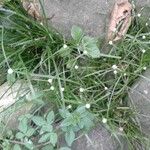
Cyperus brevifolius
Shortleaf Spikesedge · Globe Kyllinga · Green kyllinga · Mullumbimby couch
Description
Source: wikipedia (CC BY-SA)Cyperus brevifolius is a species of sedge known by several common names, including shortleaf spikesedge, green kyllinga, perennial greenhead sedge, and kyllinga weed. It is native to tropical areas in the Americas but it can be found in warm regions around the world where it is an introduced species. This is a rhizomatous perennial herb growing one to several erect stems to heights up to about half a meter, often much shorter. It produces tiny inflorescences of a few spikelets each which in total are less than a centimeter long. Pollens are tiny, approximately 20-30 microns in size. It is sometimes a weed in wet areas such as cultivated land and irrigation ditches.
Care Guide
💧 Water
Shortleaf Spikesedge thrives in moist environments by efficiently retaining water. It prefers consistent moisture and should be watered twice a week. While it has moderate drought tolerance, it grows best in boggy areas, where its vigor is significantly influenced by the availability of water.
What should I do if I give my Shortleaf Spikesedge plant too much water or too little water?
Proper watering is crucial for ensuring optimal growth of this beautiful ornamental grass. When planted in the ground, any watering issues can be resolved, but in a container, too much or too little water can quickly kill the Shortleaf Spikesedge. Insufficient water can cause stunted growth, while overwatering can result in yellowing leaves with brown tips. Underwatering may lead to drooping leaves, weak seed head production, and browning of the leaves. If you suspect improper watering, the first step is to determine if it is receiving too much or too little water. If it is being overwatered, immediately stop watering and wait patiently for heavy soils to dry out. Once new growth appears, test the soil for moisture and decide if more water is needed. Conversely, if it is not receiving enough water, simply give it a good, deep drink to see if it revitalizes. Keep in mind that longer, deeper watering is always better than frequent shallow waterings. Deep watering encourages the growth of deep roots, making the grass more resistant to drought and less prone to watering-related issues.
How frequently do I need to water my Shortleaf Spikesedge plant?
Shortleaf Spikesedge has varying watering needs depending on its planting location. In general, it should be watered every week. However, in hot climates, watering may be required once or twice a week during the summer. In moderate climates, watering once every seven days or more may be sufficient. Grass in containers usually needs more frequent watering than grasses in the ground. Additionally, the location of the grass matters, with shaded grasses requiring less frequent watering than those in the ground. When watering Shortleaf Spikesedge, it should only be done when the soil is dry. There are a few signs to look out for to determine if watering is necessary. By pressing your finger a couple of inches into the soil, you can check if it is dry. For potted grass, you can weigh the pot or feel its lightness to determine if it needs water. When the roots lack sufficient water, the grass blades may appear folded and thinner than usual. Although drought-tolerant, regular and deep waterings will result in beautiful color. In the wild, Shortleaf Spikesedge grows in open scrubland exposed to extreme heat, bright sun, and intermittent rain. Despite its drought resistance, it still requires care and attention. Consistent watering is beneficial for its growth, even in harsh conditions. After being initially planted, Shortleaf Spikesedge will need more frequent watering until it establishes deep roots. Potted grass, especially if placed in hot, direct sun, may dry out quickly and should be tested every 3 to 4 days. Shortleaf Spikesedge in the ground generally requires less watering, although it depends on the soil type. Clay soil holds water longer and may appear dry at the surface while still retaining moisture below. Sandy soils that drain quickly will need more frequent watering.
What should I watch out for when watering my Shortleaf Spikesedge at different times of the year, in different weather conditions, or during different stages of growth?
To determine if you are watering your grass enough, observe its growth rate. Shortleaf Spikesedge, for example, tends to double in size during the hottest months of the year. If the weather is hot but the grass is not growing vigorously, adjust your watering schedule accordingly. In the winter, you may be able to water only once a month, but always check the soil's moisture content by touching it. The grass will require more water during its growth cycle in the warmer months, but during winter and cooler months, its water needs will decrease significantly. Remember that it is crucial for the soil of Shortleaf Spikesedge to dry out completely before watering.
☀️ Light Full sun
The shortleaf Spikesedge does well in sunlit conditions and can tolerate somewhat lower light levels. Native to places with abundant sunlight, it prefers similar conditions. Too much light or too little can harm its health, affecting the plant's growth and overall well-being.
What are the sunlight requirements for Shortleaf Spikesedge?
Shortleaf Spikesedge thrives in environments bathed in sunlight, ideally receiving more than 6 hours of direct sunlight daily (full sun) but can also grow with about 3-6 hours of sunlight (partial sun). It's essential to observe how sunlight moves through your garden to find spots that offer a balance of light and shade, ensuring the plants' happiness and well-being.
How can artificial lighting support indoor growth of Shortleaf Spikesedge?
Indoor cultivation of Shortleaf Spikesedge, especially in spaces with inadequate natural sunlight like during winter, can benefit significantly from artificial lighting. LED lights are a recommended option as they can provide specific wavelengths needed for optimal growth. Full sun plants need 30-50W/sq ft, partial sun 20-30W/sq ft, and shade plants 10-20W/sq ft of light. The light source should be placed 12-36 inches above the plant, for 8-12 hours per day, to mimic natural sunlight conditions effectively.
What are common symptoms of inadequate lighting for Shortleaf Spikesedge?
Shortleaf Spikesedge shows several symptoms when it doesn't receive enough light, including smaller new leaves, leggy or sparse growth, faster leaf drop, halted new growth, lighter-colored new leaves, and symptoms caused by too much sunlight such as chlorosis, sunscald, leaf curling, wilting, and leaf scorching. These symptoms indicate the plant's struggle with either low light or excessive sun exposure.
What solutions can help improve light exposure for Shortleaf Spikesedge?
To ensure Shortleaf Spikesedge receives optimal light, gradually move it to a sunnier location each week until it gets at least 6 hours of sun daily. Use south-facing windows for indoor plants and keep obstructions to a minimum. For outdoor and ground plants, identify and minimize light obstructions like overhanging branches, and consider transplanting to sunnier spots if necessary. Utilizing artificial light for indoor plants or those difficult to move is also beneficial, with specific lighting requirements based on the plant's natural sunlight needs.
🌡️ Temperature 20–41.1°C
Shortleaf Spikesedge, native to warm regions, does best in temperatures between 68 and 105 ℉ (20 and 41 ℃). In cooler months, the plant can benefit from somewhat warmer indoor temperatures to encourage growth. If temperatures fall below 50 ℉ (10 ℃), growth may slow or stop.
What are the optimal growing conditions for Shortleaf Spikesedge?
Shortleaf Spikesedge, scientifically known as Cyperus brevifolius, thrives in warm climates, with optimal temperatures ranging between 68 to 105°F (20 to 41°C). The plant is extremely heat-loving, and exposure to cold can be detrimental to its health. During cooler seasons, maintaining a slightly warmer indoor temperature can help stimulate growth. However, it's important to avoid cold drafts and ensure that temperatures stay above 20°C, especially in winter. When outdoor temperatures start to drop in autumn, it's advisable to bring the plant indoors, placing it near a bright window to ensure it continues to receive sufficient light, yet keeping it away from direct heat sources.
How should you care for Shortleaf Spikesedge in low temperatures to prevent damage?
Shortleaf Spikesedge prefers warm conditions and does not fare well in cold weather. It is vital to keep the plant's environment above 0°C during winter and absolutely crucial to ensure that temperatures stay above 20°C for optimal health. If exposed to temperatures below -5°C, the leaves may start to lighten in color before eventually turning brown or black after frost damage, accompanied by wilting and drooping. To mitigate frost damage, affected parts should be trimmed off, and the plant should be moved indoors to a warm, well-lit spot away from direct heat sources, such as heaters or air conditioning vents, to prevent air from becoming too dry.
What steps should be taken if Shortleaf Spikesedge is exposed to high temperatures?
During the hotter months, it's crucial to keep Shortleaf Spikesedge in conditions below 41°C, as temperatures above 45°C can cause the leaves to lighten and increase the risk of sunburn. To alleviate the effects of high temperature, sunburned or dried parts of the plant should be trimmed away. The plant should be relocated to a cooler, shaded area, especially during the midday and afternoon sun's peak hours. Additionally, watering the plant in the morning and evening will help maintain soil moisture and support plant health during periods of high temperature.
💨 Humidity
🪴 Soil 5-7
🌱 Fertilizer
Shortleaf Spikesedge needs extra nutrients to encourage healthy new growth. In spring, applying compost around the base of the plant can effectively supply the nutrition it requires. Fertilizing supports vigorous growth and helps the plant resist diseases and pests.
🪴 Pot & Repot
✂️ Pruning
In the fall, prune the dead stems of shortleaf spikesedge to prevent disease. Be careful not to cut the leaflets, as this can cause the tips to turn brown. These brown tips are part of the plant's natural defense. Cutting them off will not encourage new green growth. Instead, allow the plant to mature and naturally outgrow the brown tips.
🌿 Propagating
🐛 Diseases & pets
☠️ Toxicity
Characteristics
- Plant Type
- Grass
- Life Cycle
- Perennial
- Genus
- Cyperus
- Family
- Cyperaceae
- Hardiness Zone
- 9-13
- Mature Height
- 15 cm
- Mature Spread
- 91 cm
- Leaf Color
- Green
- Leaf Type
- Deciduous
- Flower Color
- Green, Yellow
- Flower Size
- 0.51 cm to 1.02 cm
- Bloom Time
- Early summer, Mid summer
- Planting Time
- Spring, Summer, Autumn
- Harvest Time
- Mid summer, Late summer
- Native Area
- Sri Lanka, Belize, India, Malaysia, Mexico, Guatemala, Madagascar, Pakistan, Nigeria, Kenya, Uganda, Tanzania, Zimbabwe, Russia, Jamaica, Cuba, Indonesia, Cambodia, Equatorial Guinea, Liberia, Mozambique, Venezuela, Cameroon, Brazil, Koppen, South Korea, Botswana, Central African Republic, Nepal, Malawi, Honduras, Peru, South Africa, Zambia, Sudan, Philippines, Laos, Bangladesh, Panama, China, Colombia, Bahamas, Afghanistan, Bolivia, Myanmar, Japan, Togo, El Salvador, Nicaragua, Guyana, Bhutan, Ecuador, Costa Rica, Congo (DRC), Thailand