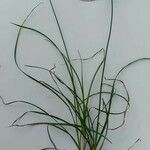
Cyperus compressus
Poorland flat sedge · Flat sedge · Poorland Flatsedge · Hedgehog cyperus · Annual sedge
Description
Source: leafsnapCyperus compressus, commonly known as annual sedge, is a sedge of the family Cyperaceae that has a wide distribution throughout countries with warmer climates. It is found in tropical areas of Africa, Asia and the Americas.In Europe it is commonly known as hedgehog sedge and the French know it as souchet comprimé. In India it is called mothi and in Japan it is known as kugugayatsuri.
Care Guide
💧 Water
Poorland flatsedge is native to tropical regions and thrives in high humidity. It prefers consistently moist conditions and typically requires watering twice a week. As an outdoor plant found in wetlands, poorland flatsedge is adaptable to changes in water levels and can withstand short periods of dryness.
What should I do if I give my Poorland flatsedge too much or too little water?
Proper watering is crucial for the performance of this beautiful ornamental grass. When planted in the ground, watering issues can be resolved. However, in a container, an incorrect amount of water can quickly kill the Poorland flatsedge. Insufficient water can cause it to stop growing, resulting in drooping leaves, weak seed head production, and browning. On the other hand, overwatering can cause yellow leaves with brown tips. If you suspect watering problems, first determine if there is too much or too little water. If there is excess water, stop watering immediately and allow the soil to dry out. Once new growth is observed, test the soil for moisture and adjust watering accordingly. If there is insufficient water, provide a deep watering and observe if the grasses perk up. Remember, deep watering promotes deep root growth, making the grasses more resistant to drought and watering-related issues.
How often do I need to water my Poorland flatsedge plant?
The watering needs of Poorland flatsedge vary depending on its planting location. In general, watering once a week is sufficient. In hot climates, watering once or twice a week during the summer may be necessary. In moderate climates, watering once every seven days or more may be enough. Grass in containers usually requires more frequent watering compared to grass planted in the ground. However, the location of the grass also plays a role, as shaded grasses need less frequent watering than grasses in the ground. To determine when to water, check if the soil is dry by pressing your finger a couple of inches into it. For potted grass, you can weigh the grass or feel the pot to determine if it is light due to lack of water. When the roots lack sufficient water, the blades may appear folded along their centers and thinner than usual. Despite its drought tolerance, regular, deep waterings will result in beautiful color. Poorland flatsedge grows in open scrubland and is subject to extreme heat, bright sun, and intermittent rain in the wild. Although it is drought resistant, it still requires care and attention. Consistent watering is recommended for optimal growth. When newly planted, Poorland flatsedge needs more frequent watering until it establishes deep roots. Poorland flatsedge in pots dries out quickly, especially when exposed to hot, direct sun. Test the soil every 3 to 4 days and water only when it feels dry. Poorland flatsedge in the ground generally requires less watering, but it depends on the type of soil. Heavy clay soil retains moisture below the surface even if it feels dry at the top, while sandy soils that drain quickly need more frequent watering.
What should I keep in mind when watering my Poorland flatsedge in different seasons, climates, or during different stages of growth?
To determine if you are watering enough, observe the rate of growth of your grasses. Poorland flatsedge, for example, tends to double in size during the hottest months. If it's hot outside but the grass isn't growing vigorously, you may need to adjust your watering schedule. In winter, you might be able to get away with watering only once a month, but it's still important to check the soil's moisture level. Generally, the grass requires more water during its growth cycle in the warmest months, while the need for water decreases significantly in winter and cooler months. Remember, it is crucial for the soil that Poorland flatsedge is planted in to dry out completely before adding water.
☀️ Light Full sun
Brown flat sedge flourishes in full sunlight for most of the day, though it can also tolerate shorter periods of sun. Originating from regions with abundant sunshine, its growth stages remain consistent despite changes in light. It can, however, suffer from too little or too much solar exposure.
How many hours of sunlight does Poorland flatsedge need each day to grow well?
In order to thrive, the plants require a minimum of 6 to 8 hours of sunlight every day. It is particularly beneficial for them to receive more exposure to morning light, especially during the summer. The Poorland flatsedge, specifically, thrives in full sun and benefits from as much sunlight as possible. The greater the amount of light these species receive, the more they are able to produce food, showcase stunning blooms, and ultimately survive.
What kind of sunlight does Poorland flatsedge require?
The Poorland flatsedge thrives in full sunlight, so it's important to give each plant enough space to evenly catch the sun's rays. Make sure the leaves receive plenty of sunlight too. If you're growing them in pots, put them near windows that get direct sun all year round. Avoid placing them in areas with only partial or filtered light, as this won't result in strong stems and healthy flowers. For the best results, keep the Poorland flatsedge constantly exposed to sunlight.
Does sunlight harm plants? How can we shield Poorland flatsedge from the sun and heat?
When temperatures exceed 90℉(32℃), the Poorland flatsedge is susceptible to damage from extreme heat, especially if exposed to prolonged sunlight. To mitigate this, it is advisable to provide some shade in the afternoon during summer, as sunlight is stronger and exposure is 50% longer compared to winter. Should the Poorland flatsedge become overly stressed by sunlight, it is recommended to keep them well hydrated by watering them when the top 2 inches of soil are dry. If planted in containers, consider moving them indoors if the outside temperature becomes excessively hot. Although it is normal for the plant's leaves to wilt during the day and recover at night, if the Poorland flatsedge continues to droop, it indicates rapid water loss and requires immediate watering.
Should I make sure that Poorland flatsedge doesn't get too much sun?
The Poorland flatsedge thrives in sunlight and is even heliotropic, meaning it moves towards the sun. To ensure optimal growth, it is recommended to plant them in south-facing gardens where they can receive morning to afternoon sun exposure. However, some species may be susceptible to sunburn, so it is advisable to provide protection from the intense afternoon and midday sun. This can be achieved by placing them under a shade of a tree or against a wall. Growing the Poorland flatsedge in shaded areas is not feasible as the larger flowers require significant energy to develop. Therefore, it is important to provide ample light conditions by placing them in an area with full sun for the best results.
What happens if Poorland flatsedge doesn't get enough sunlight?
If the Poorland flatsedge doesn't get enough sunlight or is placed in shady areas, its photosynthesis will slow down. This lack of sunlight causes the stems to become leggy as they stretch out in search of more light. Additionally, these plants won't blossom or produce seeds in the shade. Insufficient sunlight also leads to older leaves dying, lighter-colored new leaves, and smaller new growth. While the Poorland flatsedge loves the sun, it can wilt in excessive heat and ultraviolet light during the summer. To protect them, consider using a green shade net to cover them and prevent leaves and flowers from scorching. Indoors, use a fan to reduce heat.
🌡️ Temperature 15–35°C
Brown flat sedge can tolerate a wide range of temperatures, but its distribution may still be restricted by different combinations of moisture and heat. It grows best in warm summer climates with sufficient rainfall or watering. Extended periods of cloudy, rainy weather or prolonged high temperatures can increase the chance of Brown flat sedge dying. In winter, adequate protection from cold can boost the plant’s survival rate.
What temperature is best for Poorland flatsedge?
Plants are affected by colder temperatures because they share the same temperature as the air around them. When exposed to sunlight, plants can warm up, but this doesn't happen during winter. The Poorland flatsedge typically thrives in temperatures ranging from 70 to 85℉ (21 to 30℃). While they may tolerate temperatures as low as 20 to 30℉ (-6 to 0℃), or even 15℉ (-10℃), this should only be temporary as prolonged exposure can lead to frost damage. For optimal growth, keep temperatures within the range of 70 to 85℉ (21 to 30℃), but remember to periodically water the plants and provide shade to prevent wilting.
Do I need to change the temperature for Poorland flatsedge as it grows?
When growing Poorland flatsedge, it is important to research and ensure that the temperature is appropriate. Some growers may consider reducing the plants' thermostats during the growing season to save on HVAC costs. However, it is crucial to understand that temperature can impact the plants' flowering, pest management, and overall quality. There is a specific temperature point at which the Poorland flatsedge will cease to grow, which is especially relevant during the winter when certain species may enter a dormant state. When the seasons change and the base temperature increases, the Poorland flatsedge can grow more rapidly. Species naturally found in warmer habitats have higher optimum temperatures compared to those that thrive in cooler climates. Exposing Poorland flatsedge seeds to cool temperatures can result in decreased uniformity and delays. It may also be beneficial to lower the temperature during flowering, but not during other phases of growth. Cooler nighttime temperatures will require less water, so irrigation should be adjusted accordingly.
How can I make sure Poorland flatsedge stays warm during cold seasons?
To help the Poorland flatsedge plant adapt to colder temperatures, it's best to stop fertilizing it, allowing its existing growth to become stronger. To provide additional warmth, you can construct cages or trellises around the plant or use heat mats to maintain an ideal soil temperature consistently.
How can I protect Poorland flatsedge from being damaged by temperature?
To protect the Poorland flatsedge from frost during winter, cover it with cloths, tarps, burlaps, sheets, or plastic buckets. Make sure to weigh them down so they act as insulators and don't get blown away by the wind. Just be careful not to let the plastic sheets or burlap covers touch the fruit or foliage, as this could cause burns due to transferring the cold temperatures. When the daytime temperatures start to rise, remove the covers.
Do I need to change the temperature for Poorland flatsedge depending on the season?
In spring, when growing the Poorland flatsedge, it's beneficial to increase humidity due to the cooler air temperature. Dry conditions can be stressful for many species, so increasing humidity helps. As summer approaches, the large greenhouse cover and warm temperature naturally result in higher humidity levels. It's important to watch for condensation on greenhouse walls, as this can cause problems with pollination and leaf infections when the water drips onto the leaves. Adjustments should be made based on temperature and consider spraying on hotter days of the year.
💨 Humidity
🪴 Soil
🌱 Fertilizer
🪴 Pot & Repot
✂️ Pruning
Poorland flatsedge is a low-growing perennial with grass-like leaves. Prune it in early to late spring to promote growth, improve air circulation, and prevent overcrowding. Regular pruning maintains the plant's vigor and reduces the risk of disease. Always sterilize your tools to minimize the risk of infection.
🌿 Propagating
🐛 Diseases & pets
☠️ Toxicity
Characteristics
- Plant Type
- Grass
- Life Cycle
- Annual
- Genus
- Cyperus
- Family
- Cyperaceae
- Hardiness Zone
- 7-10
- Mature Height
- 3 cm to 30 cm
- Mature Spread
- 15 cm to 25 cm
- Leaf Color
- Dark Green
- Leaf Type
- Evergreen
- Flower Color
- Brown
- Flower Size
- 1.27 cm
- Bloom Time
- Summer, Early fall
- Planting Time
- Autumn
- Harvest Time
- Late summer, Fall
- Native Area
- Libya, Egypt, India, Turkey, Sweden, Austria, Slovakia, Montenegro, Pakistan, Thailand, Croatia, Slovenia, Morocco, Belarus, Uzbekistan, Russia, Iraq, Germany, Estonia, Romania, Latvia, Belgium, Portugal, Netherlands, France, Tajikistan, Tunisia, Czech Republic, Cyprus, Bulgaria, Poland, Laos, Greece, Armenia, Ukraine, Serbia, Lebanon, Lithuania, China, Afghanistan, Syria, Kyrgyzstan, Kazakhstan, Italy, Spain, Switzerland, Vietnam, Denmark, Mongolia, Iran, Albania, Azerbaijan, United Kingdom, Hungary, Algeria, Turkmenistan