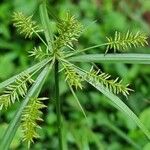
Cyperus cyperoides
Pacific island flat sedge · Pacific Island Flatsedge
Description
Source: leafsnapCyperus cyperoides is a species of sedge that is native to parts of Africa, Asia, Australia and Oceania.
Care Guide
💧 Water
The Pacific island flatsedge thrives in high humidity due to its tropical rainforest origins and requires consistent hydration. To maintain its growth as an evergreen plant, it is essential to water it weekly. This care routine helps ensure the plant remains healthy and vibrant throughout the year, even during non-peak seasons.
☀️ Light Full sun
Pacific island flatsedge performs best when exposed to unobstructed light throughout the day. While it can tolerate slight shade, a sunny site encourages optimal growth. In its native habitat the plant is exposed to unimpeded light. Both excessive and insufficient light can harm the plant, causing yellowing foliage or stunted growth, respectively.
🌡️ Temperature 20–37.8°C
Pacific island flatsedge comes from tropical areas, which are generally warm and humid. As a result, it is adapted to high temperatures and humidity. It does not tolerate sudden temperature shifts and prefers a consistent temperature environment, so avoiding temperature fluctuations indoors is important. It typically cannot withstand cold temperatures and needs warmer conditions to grow. If the surrounding temperature falls too low, the plant may stop growing or even die.
💨 Humidity
🪴 Soil 6-7
🌱 Fertilizer
Pacific island flatsedge benefits from extra nutrients to encourage healthy new growth. In spring, placing compost around the base of the plant will effectively supply the nutrition it needs. Fertilizing supports vigorous growth and improves the plant’s resistance to diseases and pests.
🪴 Pot & Repot 2-3 years
When repotting Pacific island flatsedge, select a container 1-2 inches (2.5–5.1 cm) larger with good drainage. Use a well-draining potting mix. Repot in spring or fall, making sure the root ball is positioned slightly below the rim of the flower pot. Water thoroughly after repotting and place in a warm spot with indirect sunlight.
✂️ Pruning
The Pacific island flatsedge, which resembles grass, benefits from being pruned in early spring to encourage growth. To rejuvenate the plant and control its invasiveness, trim away any dead foliage. Make sure to use clean tools to prevent the spread of disease. Additionally, avoid heavy pruning during periods of active growth to minimize stress on the plant.
🌿 Propagating
🐛 Diseases & pets
☠️ Toxicity
Characteristics
- Plant Type
- Grass
- Life Cycle
- Perennial
- Genus
- Cyperus
- Family
- Cyperaceae
- Hardiness Zone
- 9-11
- Mature Height
- 49 cm
- Mature Spread
- 49 cm
- Leaf Color
- Green
- Leaf Type
- Semi-evergreen
- Flower Color
- Yellow, Green
- Flower Size
- 0.51 cm
- Bloom Time
- Summer, Early fall, Mid fall
- Planting Time
- Spring
- Harvest Time
- Late summer, Fall, Early winter