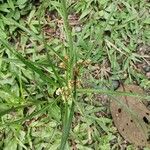
Cyperus entrerianus
Woodrush Flat Sedge · Woodrush flatsedge · Deeproot sedge · Deep-root sedge
Description
Source: leafsnapCyperus entrerianus, commonly known as the woodrush flatsedge, is a species of sedge that is native to southern parts of North America, Central America, and parts of South America.The species was first formally described by the botanist Johann Otto Boeckeler in 1878.
Care Guide
💧 Water
Woodrush flatsedge originates from wetlands, where it thrives in moist environments and can tolerate waterlogged soils. This plant prefers consistent moisture, needing to be watered weekly. When grown outdoors in riparian zones, woodrush flatsedge adapts to seasonal changes in water levels, which significantly influence its growth cycles.
☀️ Light Full sun
Woodrush flatsedge is a sun-loving perennial herbaceous plant native to open habitats, frequently thriving in meadows and grasslands. It prefers full sun but can also tolerate partial sun conditions.
What are the sunlight requirements for Woodrush flatsedge?
Woodrush flatsedge requires full sun, which means it needs more than 6 hours of sunlight daily. It can also tolerate partial sun conditions, with about 3-6 hours of sunlight. It's important to watch how sunlight moves through your garden to find the ideal spots that provide a good balance of light and shade, as this will ensure the plants thrive.
What are the essentials to know about Woodrush flatsedge's habitat and growth?
Woodrush flatsedge is a sun-loving perennial herbaceous plant that is native to open habitats like meadows and grasslands. It thrives best in full sun but can also grow in partial sun conditions. During periods when natural sunlight is insufficient, especially in winter or less sunny spaces, artificial lighting can be a vital solution for indoor plants. LED lights are recommended due to their ability to be customized to specific plant needs, with full sun plants requiring 30-50W/sq ft, partial sun plants 20-30W/sq ft, and full shade plants 10-20W/sq ft of artificial light. The light source should be placed 12-36 inches above the plant, and the duration should mimic natural daytime hours, usually between 8-12 hours of light per day.
What symptoms indicate insufficient light for Woodrush flatsedge?
Symptoms of light deficiency in Woodrush flatsedge include new leaves growing smaller than mature ones, leggy or sparse growth, premature leaf drop, slower or halted growth, lighter-colored or yellow new leaves (chlorosis), and damage from intense sunlight exposure like sunscald, leaf curling, wilting, and leaf scorching. These symptoms highlight the plant's struggle in inadequate lighting conditions and the need for correct sunlight exposure.
How can I address insufficient light for my Woodrush flatsedge?
To address insufficient light, gradually move your Woodrush flatsedge to areas with more sunlight, ensuring it receives at least 6 hours of direct sunlight if indoors, by using a south-facing window and possibly artificial light sources for additional support. For outdoor plants, avoid sudden changes in light exposure to prevent sunburn. Removing obstructions and pruning blocking foliage can improve sunlight access. For ground plants, consider transplanting them during their dormant period to a location with better sunlight exposure and drainage. It's crucial to note that parts of the plant affected by low light may not recover, but new growth should be healthy with improved light conditions.
🌡️ Temperature 15–37.8°C
Woodrush flatsedge comes from tropical areas, where the climate is generally warm and humid. As a result, it is adapted to high temperatures and moisture. It does not tolerate sudden temperature changes and prefers a steady temperature, so it is important to prevent indoor temperature fluctuations. It typically cannot endure cold and needs warmer conditions to grow. If the surrounding temperature falls too low, the plant may stop growing or even die.
What is the common name of Cyperus entrerianus?
The common name of Cyperus entrerianus is Woodrush flatsedge. This name helps in identifying the plant in everyday conversations and literature.
What are the key characteristics and uses of Woodrush flatsedge?
Currently, there is no detailed information provided about the key characteristics and uses of Woodrush flatsedge (Cyperus entrerianus). Typically, such information would cover its growth habits, preferred environment, and any beneficial uses it might have.
Are there any common symptoms of disease or pests for Woodrush flatsedge?
There is no information provided about specific symptoms of disease or pests affecting Woodrush flatsedge (Cyperus entrerianus). Normally, this would detail common issues the plant might face and ways to manage them.
💨 Humidity
🪴 Soil 5-6
🌱 Fertilizer
Woodrush flatsedge needs additional nutrients to encourage healthy new growth. In spring, adding compost around the plant’s base can effectively supply the nutrition it requires. Fertilizing helps support vigorous growth and increases the plant’s resistance to diseases and pests.
🪴 Pot & Repot
✂️ Pruning
Woodrush flatsedge is a perennial plant with a grass-like appearance. To maintain its health and manage its growth, prune the plant in early spring by removing any dead foliage. Doing so will improve air circulation around the plant. Make sure to use sharp tools during pruning to help prevent disease. For more detailed information on pruning times and additional care guidelines, refer to horticultural guides.
🌿 Propagating
🐛 Diseases & pets
☠️ Toxicity
Characteristics
- Plant Type
- Grass
- Life Cycle
- Perennial
- Genus
- Cyperus
- Family
- Cyperaceae
- Hardiness Zone
- 8-11
- Mature Height
- 0.61 m to 1.22 m
- Mature Spread
- 30 cm to 61 cm
- Leaf Color
- Green, Dark Green
- Leaf Type
- Evergreen
- Flower Color
- Yellow, Brown
- Flower Size
- 0.20 cm to 0.51 cm
- Bloom Time
- Summer, Early fall, Mid fall
- Planting Time
- Spring, Summer
- Harvest Time
- Late summer, Fall, Early winter
- Native Area
- Cuba, Mexico, Bolivia, Venezuela, Brazil, Jamaica