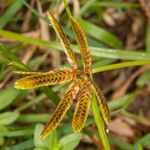
Cyperus flavescens
Yellow flat sedge · Yellow flatsedge · Yellow galingale · Annual yellow flatsedge · Pale flatsedge
Description
Source: leafsnapCyperus flavescens, commonly known as the yellow flatsedge, is a species of flowering plant belonging to the family Cyperaceae.It has cosmopolitan distribution.
Care Guide
💧 Water
Yellow flatsedge flourishes in marshy environments, where it requires consistent moisture and a stable water supply. It thrives in wet conditions and should be watered weekly. To replicate its natural habitat, plant it in areas with moist soil and regular rainfall or irrigation systems.
What should I do if I give too much or too little water to my Yellow flatsedge?
To ensure optimal growth, it is important to water this beautiful ornamental grass properly. If it is planted in the ground, any watering issues can typically be resolved. However, in a container, it is crucial to avoid over or under-watering, as either extreme can quickly lead to the death of Yellow flatsedge. When the grass does not receive the correct amount of water, it may cease to grow. Overwatering can result in yellow leaves with brown tips, while underwatering can cause drooping leaves, weak seed head production, and browned leaves. If you suspect improper watering, the first step is to determine whether there is too much or too little water. If there is excessive water, stop watering immediately. It may take some time for heavy soils to dry out, so it is important to be patient. Once new growth appears, check the soil for moisture and decide if more water is needed. If the grass is not receiving enough water, simply give it a deep drink to see if it improves. In all cases, it is better to provide long, deep watering sessions rather than frequent shallow waterings. This encourages the grass to develop deep roots, making it more resistant to drought and less susceptible to watering-related problems.
How many times should I give water to my Yellow flatsedge?
The watering needs of Yellow flatsedge vary depending on the planting location. Generally, watering this grass once a week is sufficient. However, in hot climates, watering once or twice a week during summer may be necessary. In moderate climates, watering once every seven days or more may be enough. Grass in containers generally requires more frequent watering than grasses planted in the ground. The location also plays a role in determining watering frequency. Shaded grasses require less frequent watering compared to grasses planted in the ground. It is important to water Yellow flatsedge only when the soil is dry. You can check the soil moisture by pressing your finger a couple of inches into the soil. For potted grass, you can assess the weight of the pot or feel if it is light, indicating a need for watering. Insufficient water may cause folded blades and thinner appearance. Although Yellow flatsedge is drought-tolerant, regular deep waterings will result in beautiful color. In the wild, this grass grows in open scrubland exposed to extreme heat, bright sun, and intermittent rain. Despite its hardiness, Yellow flatsedge still needs care and attention, including consistent water. Newly planted Yellow flatsedge requires more frequent watering until it establishes deep roots. For potted grass, monitor and water the soil when it feels dry. Yellow flatsedge in the ground generally requires less watering, but it depends on the soil type. Clay soil holds water for a longer time, so it may feel dry at the surface while retaining moisture below. Sandy soils that drain quickly will need more frequent watering.
What do I need to watch out for when I water my Yellow flatsedge in different seasons, climates, or during different stages of growth?
To determine if you are watering enough, observe the rate at which your grasses are growing. Yellow flatsedge tends to grow rapidly, sometimes doubling in size within a year, particularly during the hottest months. If the weather is hot but the grass is not growing vigorously, it may be necessary to adjust your watering schedule. In winter, you can likely get by with watering once a month, but it is still important to check the soil for moisture. During the growth cycle in the warmer months, the grass will require more water than usual, while the need for water will decrease significantly in winter and cooler months. Remember that Yellow flatsedge should always be allowed to dry out completely before adding water.
☀️ Light Full sun
Yellow flatsedge thrives in plentiful sunlight, doing well when most of the sun's rays are present during the day. It can tolerate lower light levels, though it may not reach its full potential. Excessive shade can hinder its growth and health, and extended lack of sun can have the same effect.
How much sunlight does Yellow flatsedge need each day to grow well?
To ensure the well-being of these plants, it is essential to provide them with a minimum of 6 to 8 hours of sunlight each day. In particular, they thrive on exposure to morning light, especially during the summer. The Yellow flatsedge specifically requires abundant sunlight to flourish. By receiving ample light, these species can effectively produce food, adorn themselves with vibrant blooms, and ultimately thrive.
What kind of sunlight does Yellow flatsedge need?
The Yellow flatsedge thrives in full sunlight, so it's important to avoid overcrowding them. The leaves should never be deprived of sunlight. If planting in pots, place the herbaceous flowers in windows with direct sun and ensure they receive full sunlight year-round. Avoid placing them in areas with partial or filtered light, as this can result in weak stems and unhealthy flowers. The Yellow flatsedge should always be exposed to the sun for optimal growth.
Will sunlight harm plants? How can I shield Yellow flatsedge from sunlight and heat damage?
When the temperature goes above 90℉(32℃), the Yellow flatsedge can be damaged, especially if it's exposed to prolonged sunlight. It's best to provide some shade in the afternoon during the summer. Remember that the summer sunlight is stronger and lasts longer than in the winter. If the Yellow flatsedge is stressed by sunlight, make sure they are well-watered. Water the plants when the top 2 inches of soil are dry and consider bringing them indoors if it's too hot outside, especially if they're in containers. It's normal for the leaves to wilt during the day and recover at night, but if they continue to droop, it means the plant is losing water quickly and needs watering.
Should I keep Yellow flatsedge away from the sun?
The Yellow flatsedge thrives in the sun and does not require protection from it. In fact, some species of this plant are heliotropic. It is recommended to plant them in south-facing gardens to ensure they get full exposure to the sun from morning to afternoon. However, it's important to note that excessive sun exposure can cause sunburn in some plants. To prevent this, you can provide afternoon and midday shade from a tree or a wall. Growing the Yellow flatsedge in shady areas is not feasible because the larger flowers would require more energy to grow and produce. To achieve the best results, always ensure the plants are placed in an area with full sun and provide suitable lighting conditions.
What will happen if Yellow flatsedge doesn't get enough sunlight?
When the Yellow flatsedge does not receive enough sunlight, or if they are not placed in sunny locations, there are some important impacts on their growth. The lack of sunlight slows down the photosynthetic process and causes the stems to become thin and long, as they try to reach more sunlight. This legginess prevents them from blooming and producing seeds when they are in the shade. In addition, inadequate sunlight can lead to the death of older leaves, lighter color in new foliage, and smaller new growth compared to previous ones. It is clear that the Yellow flatsedge prefers a sunny environment. However, it is important to note that excessive heat and ultraviolet light during the summer months can cause wilting. To protect them, it is advisable to cover them with a net that provides a green shade, especially in the summer, to prevent the leaves and flowers from scorching. When growing them indoors, using a fan can help reduce the heat.
🌡️ Temperature 10–41.1°C
Yellow flatsedge typically occurs in warmer climates; its preferred temperature range is 68 to 105.8 °F (20 to 41 ℃). In colder seasons, it is recommended to adjust the host environment to meet these preferences for optimum growth.
What is the best temperature for Yellow flatsedge?
The ideal temperature for Yellow flatsedge depends on the time of year. During the growing season, which is when the plant begins to sprout, a temperature range of 65~80℉(18~27℃) is best. If it gets colder than 15℉ (-10℃), the plant will suffer and its leaves may brown and wilt. However, if it's just a short cold snap, the plant can potentially survive with some assistance. On the other hand, during the warmer parts of the year, Yellow flatsedge needs protection from temperatures that are too high. The ideal range tops out at 95-105℉ (35-40℃). Anything above that can harm the foliage and blooms, causing wilting, drooping, and even sunburn on the leaves. Fortunately, there are quick and easy ways to address this issue.
What temperature does a Yellow flatsedge plant need during its first year or when it is a seedling?
If you have just planted your Yellow flatsedge outside for the first time, it may require extra care during the coldest months. Frost can seriously harm a first-year Yellow flatsedge and prevent it from growing back healthy in the spring. To protect your plant, it should be kept at a temperature of 40℉(5℃) or above until it becomes established. This can be achieved by either bringing it indoors for a month or two or using mulch or fabric barriers to shield it from frost damage. During the first year or two, it is advisable to plant Yellow flatsedge in a shadier area. Smaller and weaker plants have a harder time regulating their temperatures in the heat. Therefore, it's best to limit direct sunlight exposure to no more than five hours per day, especially if the daytime temperature exceeds 80℉(27℃). To control the summer heat, use shadecloth and water or mist your plant regularly.
How can I keep Yellow flatsedge safe from very hot or very cold temperatures?
To protect Yellow flatsedge from frost or cold damage during the growing season, consider these measures: 1. If growing in a container, bring it indoors with bright, indirect light until temperatures rise above the lower threshold. 2. For ground-planted Yellow flatsedge, use mulch or horticultural fabric to create an insulated barrier around the plant, shielding it from frost and cold wind. For temperatures above 80℉(27℃) in the shade: 1. Limit the plant's exposure to direct sunlight to six hours or less per day, preferably in the morning. 2. Install shade cloth or fine plastic mesh to reduce direct sunlight during the hottest parts of the day. 3. Consider a misting system that provides a slow release of cooling mist around the plant's base to lower ground temperatures.
Recommended temperatures for Yellow flatsedge during the dormant season.
Yellow flatsedge needs a certain amount of cold in winter to stay dormant until it's time to sprout. Sprouting too early, before the last frost is over, can be deadly, especially if it has already started growing when the frost hits. Ideally, winter temperatures should be below freezing, but if they reach 40℉(5℃), that's fine too. In more temperate climates like woodland rainforests, a warm spell during winter can cause Yellow flatsedge to sprout prematurely. If there's still a risk of frost, you can protect the new sprout by covering it with clear plastic on stakes. This setup can be removed once the danger of frost has passed. Sometimes, Yellow flatsedge can sprout on its own at the right time without any help, but using this method increases the likelihood of a successful second sprouting.
💨 Humidity
🪴 Soil 5-7
🌱 Fertilizer
🪴 Pot & Repot
✂️ Pruning
Pruning yellow flatsedge is essential for maintaining its health and appearance. Ideally, you should do this from early to late spring. Remove any dead foliage and cut back flower stalks to encourage new growth and prevent the plant from seeding. This practice also enhances air circulation, which helps reduce the risk of disease.
🌿 Propagating
🐛 Diseases & pets
☠️ Toxicity
Characteristics
- Plant Type
- Grass
- Life Cycle
- Annual
- Genus
- Cyperus
- Family
- Cyperaceae
- Hardiness Zone
- 6-13
- Mature Height
- 49 cm
- Mature Spread
- 15 cm to 30 cm
- Leaf Color
- Light Green
- Leaf Type
- Evergreen
- Flower Color
- Yellow, Green
- Flower Size
- 1.02 cm to 3.05 cm
- Bloom Time
- Summer, Early fall
- Planting Time
- Spring, Autumn
- Harvest Time
- Late summer, Fall
- Native Area
- Burkina Faso, Belize, India, Pakistan, Nigeria, Slovenia, Guinea-Bissau, Belarus, Cameroon, Ethiopia, Latvia, Netherlands, Tunisia, Bulgaria, Colombia, Afghanistan, Kyrgyzstan, Kazakhstan, Togo, El Salvador, Eswatini, Egypt, Angola, Austria, Namibia, Jamaica, Zimbabwe, Uzbekistan, Russia, Cuba, Venezuela, Ghana, Botswana, France, Tajikistan, Sudan, Armenia, Poland, Greece, Switzerland, Guyana, Nicaragua, Algeria, Turkey, Mexico, Guatemala, Slovakia, Madagascar, Montenegro, Croatia, Morocco, Uganda, Benin, Germany, Sierra Leone, Mozambique, Romania, Belgium, Portugal, Malawi, Honduras, Panama, Ukraine, Lebanon, Syria, Italy, Senegal, Iran, Côte d'Ivoire, Azerbaijan, Costa Rica, Congo (DRC), Lesotho, Kenya, Niger, Mali, Iraq, Burundi, Brazil, Congo, Czech Republic, South Africa, Zambia, Guinea, Serbia, Lithuania, Spain, Bolivia, Albania, Hungary, Gabon