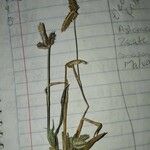
Cyperus hermaphroditus
Hermaphrodite Flat Sedge · Hermaphrodite flatsedge
Description
Source: leafsnapCyperus hermaphroditus, commonly known as the hermaphrodite flatsedge, is a species of sedge that is native to parts of southern parts of North America, Central America and northern parts of South America.
Care Guide
💧 Water
Hermaphrodite flatsedge thrives in wet conditions and can withstand overwatering. To maintain consistent moisture around the roots, use high-edged trays. During cooler temperatures, reduce watering to prevent root rot. Make sure part of the tray stays dry to promote healthy growth.
☀️ Light Partial sun
Hermaphrodite flatsedge naturally occurs in habitats like forest understories and rocky areas, where it grows in natural shade. It prefers partial sun but can tolerate both full sun and full shade, illustrating its adaptable and hardy nature.
What are the sunlight requirements for Hermaphrodite flatsedge?
Hermaphrodite flatsedge (Cyperus hermaphroditus) thrives in various sunlight conditions. For full sun exposure, it requires above 6 hours of sunlight daily, ensuring optimal growth and health. However, it can also grow in partial sun, with about 3-6 hours of sunlight. It's important to observe the movement of sunlight through your garden carefully, selecting spots that offer a suitable balance of light and shade. This approach helps in securing the plant's well-being by catering to its needs for sunlight exposure.
🌡️ Temperature 15–37.8°C
Hermaphrodite flatsedge is native to tropical areas, where the climate is usually warm and humid. Therefore it is well adapted to high heat and humidity. It dislikes sudden shifts in temperature and prefers a steady thermal environment, so avoiding temperature swings indoors is important. It generally does not tolerate cold and needs warmer conditions to grow. If the environmental temperature falls too low, the plant may stop growing or even die.
What is Hermaphroditus flatsedge?
Hermaphroditus flatsedge is a plant known botanically as Cyperus hermaphroditus. There is no further detailed information provided about its essentials, content, or symptoms related to this plant.
💨 Humidity
🪴 Soil 6-7
🌱 Fertilizer
Hermaphrodite flatsedge needs extra nutrients to encourage healthy new growth. In spring, applying compost around the plant’s base can effectively supply the necessary nourishment. Fertilizing helps promote vigorous growth and improves the plant’s resistance to diseases and pests.
🪴 Pot & Repot
✂️ Pruning
To help hermaphrodite flatsedge flourish, prune it in early spring by removing dead stems and thinning out overcrowded areas to improve air circulation. During the plant's active growth phase, trim up to one-third of the plant to maintain its shape. This promotes healthier growth and keeps your garden looking neat and tidy.
🌿 Propagating
🐛 Diseases & pets
☠️ Toxicity
Characteristics
- Plant Type
- Grass
- Life Cycle
- Perennial
- Genus
- Cyperus
- Family
- Cyperaceae
- Hardiness Zone
- 8-11
- Mature Height
- 30 cm to 61 cm
- Mature Spread
- 20 cm to 40 cm
- Leaf Color
- Green, Dark Green
- Leaf Type
- Evergreen
- Flower Size
- 0.20 cm to 0.25 cm
- Bloom Time
- Summer, Early fall, Mid fall
- Planting Time
- Spring, Summer, Autumn
- Harvest Time
- Late summer, Fall, Early winter
- Native Area
- Belize, Honduras, Mexico, Guatemala, Peru, Panama, Jamaica, Colombia, Cuba, Bolivia, Venezuela, Guyana, El Salvador, Nicaragua, Brazil, Ecuador, Costa Rica