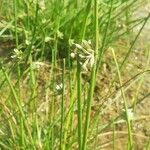
Cyperus laevigatus
Smooth flat sedge · Boredrain sedge · Smooth flatsedge
Description
Source: leafsnapCyperus laevigatus is a species of sedge known by the common name smooth flatsedge.
Care Guide
💧 Water
Smooth flatsedge thrives in consistently moist conditions and can even withstand temporary flooding, particularly in humid environments. To maintain optimal moisture levels, water it weekly. When grown outdoors, it benefits from natural light and rainwater, which promote vigorous growth and help prevent waterlogging.
☀️ Light Full sun
Smooth flatsedge does best in locations receiving strong sunlight for most of the day, though it can withstand periods of reduced light. Both its germination and growth stages prosper under those conditions. This preference reflects its native habitat, which offers abundant sun exposure. However, excessive or insufficient light can hinder its healthy development.
What are the sunlight requirements for Smooth flatsedge?
Smooth flatsedge requires full sun, meaning it needs above 6 hours of sunlight, but it can also tolerate partial sun, which is about 3-6 hours of sunlight. Observing how sunlight moves through your garden is crucial for finding the perfect balance of light and shade, ensuring your plants thrive. Smooth flatsedge flourish in areas with intense sun exposure characteristic of its native habitat, though it can also endure periods with less sunlight.
What are the essentials for growing Smooth flatsedge effectively?
To grow Smooth flatsedge effectively, ensure it is exposed to intense sun for most of the day, although it can survive in less light. It's crucial for both germination and growth phases. When sunlight is not enough, especially during winter or in spaces with less exposure, artificial lighting is essential. Using the right type of artificial light, like LED lights, can promote faster, healthier growth by providing the specific wavelengths your plants need. Proper wattage dependent on plant type, correct distance from the plant (12-36 inches), and mimicking natural daylight hours (8-12 hours per day) are key factors for using artificial lighting.
What are the important symptoms of light deficiency or overexposure in Smooth flatsedge?
Symptoms of light deficiency in Smooth flatsedge include smaller new leaves, leggy or sparse growth, faster leaf drop, slower or no new growth, and lighter-colored new leaves, indicating insufficient sunlight and a lack of chlorophyll. Overexposure symptoms include chlorosis, where leaves turn yellow due to chlorophyll breakdown, sunscald causing pale or necrotic areas, leaf curling as a defense mechanism to minimize water loss, wilting due to increased transpiration, and leaf scorching characterized by brown, dry edges on leaves. These symptoms highlight the importance of balanced light exposure for plant health.
How can you manage light exposure for Smooth flatsedge to ensure optimal growth?
To manage light exposure for Smooth flatsedge, gradually move plants to locations where they receive at least 6 hours of direct sunlight daily, using a south-facing window for indoor plants. For additional light, consider using artificial light, keeping lamps on for at least 8 hours daily or investing in grow lights. Outdoor plants should be moved gradually to avoid sunburn. Reducing obstructions like pruning trees helps increase sunlight access. If necessary, transplant smaller plants during their dormant period to a sunny location with good drainage. While parts of the plant affected by insufficient sunlight may not recover, new growth will be healthy with improved light exposure.
🌡️ Temperature 15–37.8°C
Smooth flatsedge hails from tropical areas, where the climate is generally warm and humid. As a result, it is well suited to high heat and moisture. It does not tolerate abrupt temperature changes and prefers a consistent thermal environment, so it is important to avoid indoor temperature swings. It usually cannot withstand cold and requires relatively warm conditions to grow. If the surrounding temperature drops too low, the plant may stop growing or even die.
What is the botanical name of Smooth flatsedge?
The botanical name of Smooth flatsedge is Cyperus laevigatus.
💨 Humidity
🪴 Soil
🌱 Fertilizer
🪴 Pot & Repot
✂️ Pruning
Smooth flatsedge boasts a sleek, grass-like appearance and benefits from early spring pruning. To encourage denser foliage, trim any dead stems and manage its growth. Be sure to use the appropriate tools for its fibrous stems. Regular pruning not only enhances air circulation but also reduces the risk of disease, helping maintain a lush and manageable plant.
🌿 Propagating
🐛 Diseases & pets
☠️ Toxicity
Characteristics
- Plant Type
- Grass
- Life Cycle
- Perennial
- Genus
- Cyperus
- Family
- Cyperaceae
- Hardiness Zone
- 8-11
- Mature Height
- 30 cm to 61 cm
- Mature Spread
- 20 cm to 30 cm
- Leaf Color
- Dark Green
- Leaf Type
- Evergreen
- Flower Size
- 0.20 cm to 0.25 cm
- Bloom Time
- Late spring, Summer, Early fall
- Planting Time
- Spring, Summer, Autumn
- Harvest Time
- Summer, Early fall, Mid fall